

Lake Winnipeg ‘wins’ Threatened Lake of the Year award
Advertisement
Read this article for free:
or
Already have an account? Log in here »
To continue reading, please subscribe:

Digital Subscription
One year of digital access for only $205*
- Enjoy unlimited reading on winnipegfreepress.com
- Read the E-Edition, our digital replica newspaper
- Access News Break, our award-winning app
- Play interactive puzzles
*First annual payment billed as $205.00 + GST for one year. This annual subscription will automatically renew at $233.00 + GST every 52 weeks (10% off the regular annual price of $259.35). Offer available to new and qualified returning subscribers only. Cancel any time.
To continue reading, please subscribe:
Add Free Press access to your Brandon Sun subscription for only an additional
$1 for the first 4 weeks*
- Enjoy unlimited reading on winnipegfreepress.com
- Read the E-Edition, our digital replica newspaper
- Access News Break, our award-winning app
- Play interactive puzzles
*Your next Brandon Sun subscription payment will increase by $1.00 and you will be charged $17.95 plus GST for four weeks. After four weeks, your payment will increase to $24.95 plus GST every four weeks.
Read unlimited articles for free today:
or
Already have an account? Log in here »
Hey there, time traveller!
This article was published 04/02/2013 (5002 days ago), so information in it may no longer be current.
Lake Winnipeg has made an inauspicious list after being declared “Threatened Lake of the Year, 2013” by the Global Nature Fund.
Not a great surprise, according to environmental activists.
“Scientists have been warning us about Lake Winnipeg’s future as far back as 1969,” said Vicki Burns, Outreach Coordinator for the Lake Winnipeg Foundation (LWF). “They warned that we needed to decrease the nutrients that are causing the toxic blue-green algae blooms back then. Yet, despite these warnings the action to clean up the lake has been very slow. However, the embarrassment that goes with a global recognition of such dubious distinction, is actually galvanizing the LWF and our important partners. We are more determined than ever to save our lake.”
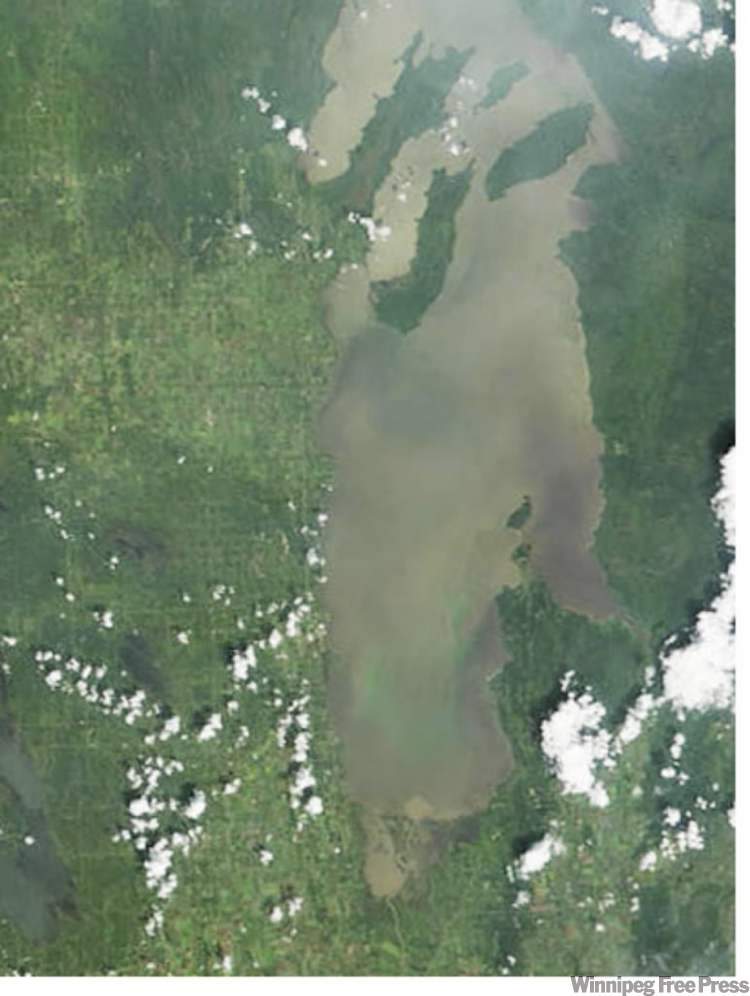
However, Burns noted that the quality of the lake can be “stymied, and ultimately, reversed.” Burns cited Lake Constance, bordered by Switzerland, Austria and Germany, which the LWF said was considered even more polluted than Lake Winnipeg and has now been cleaned up so well that it provides drinking water to surrounding communities.
According to Burns, the LWF is currently leading development of an action plan that will focus on science and is engaging and collaborating with key stakeholders in the Lake Winnipeg situation.
“Perhaps more than we recognize, Lake Winnipeg has a strong global connection because of its home in Canada’s vast prairie region known as the World’s Breadbasket,” added Alex Salki, chair of the LWF Science Advisory Council. “In our quest to feed the world, we are nevertheless fueling Lake Winnipeg eutrophication by removing the nutrient buffering capacity of wetlands, altering natural stream courses, and reducing habitat biodiversity. And of course, we are all aware of the urban and municipal impacts on the lake as well.

Udo Gattenjohner, of the Global Nature Fund, said while Lake Winnipeg is one of the largest lakes in the world, it’s “dramatic environmental problems” are less well known. Gattenjohner said “recent changes in Canadian polities seem to be eroding the protection, particularly of vulnerable water ecosystems – and it is disappointing because this does not really fit with our image of Canada.”