

Board will keep police in check
Appointments bring oversight to service
Advertisement
Read this article for free:
or
Already have an account? Log in here »
To continue reading, please subscribe:
Digital Subscription
One year of digital access for only $1.44 a week*
- Enjoy unlimited reading on winnipegfreepress.com
- Read the E-Edition, our digital replica newspaper
- Access News Break, our award-winning app
- Play interactive puzzles
*Billed as $5.77 plus GST every four weeks. After 52 weeks, price increases to the regular rate of $19.95 plus GST every four weeks. Offer available to new and qualified returning subscribers only. Cancel any time.
To continue reading, please subscribe:
Add Free Press access to your Brandon Sun subscription for only an additional
$1 for the first 4 weeks*
- Enjoy unlimited reading on winnipegfreepress.com
- Read the E-Edition, our digital replica newspaper
- Access News Break, our award-winning app
- Play interactive puzzles
*Your next Brandon Sun subscription payment will increase by $1.00 and you will be charged $17.95 plus GST for four weeks. After four weeks, your payment will increase to $24.95 plus GST every four weeks.
Read unlimited articles for free today:
or
Already have an account? Log in here »
Hey there, time traveller!
This article was published 20/03/2013 (4829 days ago), so information in it may no longer be current.
By the end of the day, Winnipeg police Chief Devon Clunis will have a new boss. Technically, he’ll have a bunch of them.
This morning, council is slated to approve five appointees to what eventually will be a seven-member Winnipeg Police Board, which will settle the squishy issue of who tells Winnipeg’s police chief what to do, how to do it — and if need be, when to hand over the badge.
Until now, the issue of police oversight has been murky, with the mayor, chief administrative officer and a council committee all playing contradictory roles.
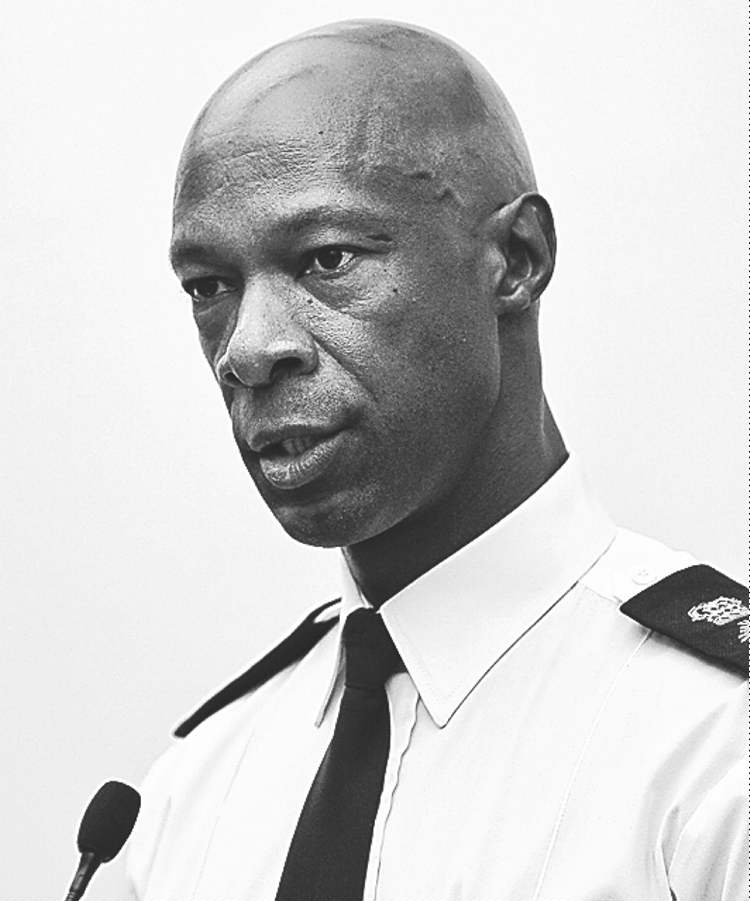
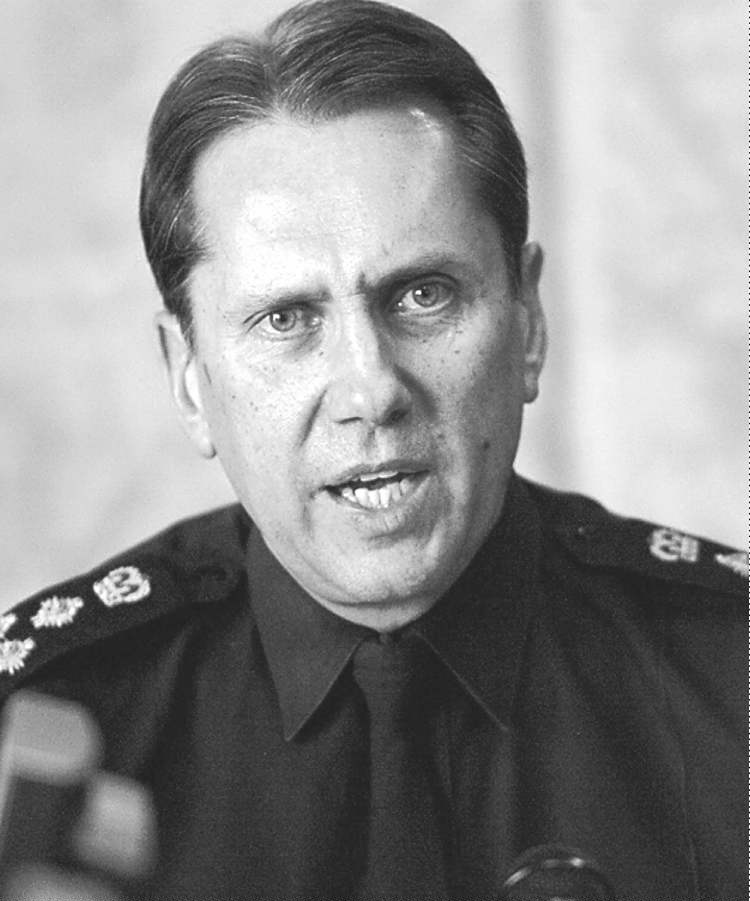
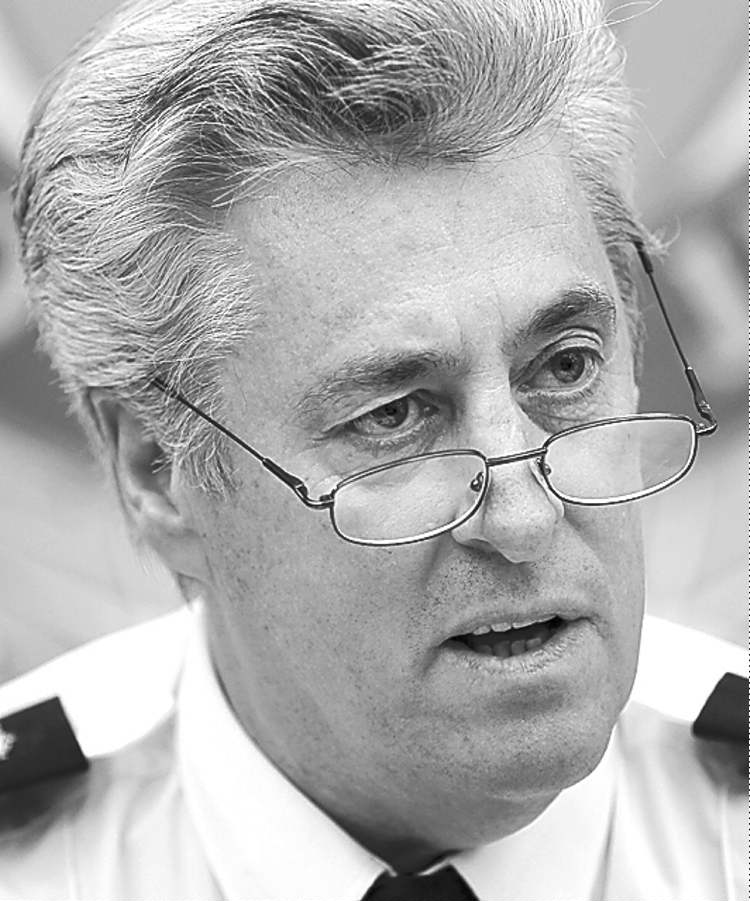
In the past, council’s protection and community services committee would summon the chief to offer opinions or advice about policy. Former chief Jack Ewatski tended to show up in uniform and didn’t appear to enjoy being questioned. Ewatski didn’t suffer politicians gladly.
His successor, Keith McCaskill, was more enthusiastic about reporting to elected officials. At committee, McCaskill would put on a suit, a smile and a brave face, even when asked the most moronic of questions.
Both chiefs, however, would be summoned into the mayor’s office when any serious issue arose. Actual crises such as the 2005 rash of street crime that resulted in Operation Clean Sweep would lead to consultations with the mayor, though even Sam Katz was only the de facto boss, not the actual one.
The chief reported to the city’s chief administrative officer, who had the power to hire and fire top cops. This meant the CAO technically served as the chief’s boss while the mayor offered policy advice and the relatively powerless protection committee put on the pretense of police-policy oversight. The new police board will clean up this messy situation.
“The police chief is directly accountable to the board. That should change the relationship, hopefully in a positive way (and) put us in line with other major cities,” said Rick Linden, chairman of the Manitoba Police Commission and a well-respected University of Manitoba criminologist. “Up until recently, it has been ambiguous who the police chief worked for. Now there’s some clarity.”
The board’s power, however, means it’s important who sits on it. The province has made two appointments: Ka Ni Kanichihk director Leslie Spillett and SEED Winnipeg’s Louise Simbandumwe, whose appointment is on hold while Justice Minister Andrew Swan reviews the question of whether the RCMP, rather than Winnipeg police, should conduct police-board security checks.
The five city appointees are IBM executive Mary Jane Loustel, Superblinds president Glenn Karr, lawyer Paul Edwards and Couns. Scott Fielding (St. James-Brooklands) and Thomas Steen (Elmwood-East Kildonan).
This list goes a long way to ensuring Katz retains a degree of influence over the police service. Fielding, the chairman of the protection committee, is a loyal ally of the mayor. So is Steen, who has declined to confirm whether it was Fielding or Katz who approached him to sit on the police board.
“That doesn’t matter,” Steen said earlier this week. Fielding maintains he approached Steen.
Edwards served as Katz’s 2010 re-election campaign co-chairman, a largely ceremonial position. Fielding cautioned not to read too much into Edwards’ support for the mayor, noting Edwards proposed the creation of a police board decades ago when he was Manitoba’s Liberal leader. “I think he’ll be an excellent vice-chair,” Fielding said.

Ultimately, no police chief is a puppet. While Ewatski could be brusque and McCaskill appeared friendly, both handled the business of running the police service on their own.
Clunis faces the challenge of a police review that’s supposed to find “efficiencies,” or cost-savings. He’s also the last chief to be hired by the CAO — in this instance, Phil Sheegl.
McCaskill expressed skepticism about the review, offering rare public criticism of council for ordering it. But it remains to be seen what council can do in the wake of the review other than amend the police budget.
The new police board will hold the balance of the power.
bartley.kives@freepress.mb.ca
History
Updated on Thursday, March 21, 2013 10:43 AM CDT: corrects typo