

Our own JANIS JOPLIN
When the drinking age was lowered, Dianne Heatherington set out to conquer the Winnipeg pub scene
Advertisement
Read this article for free:
or
Already have an account? Log in here »
To continue reading, please subscribe:

Digital Subscription
One year of digital access for only $205*
- Enjoy unlimited reading on winnipegfreepress.com
- Read the E-Edition, our digital replica newspaper
- Access News Break, our award-winning app
- Play interactive puzzles
*First annual payment billed as $205.00 + GST for one year. This annual subscription will automatically renew at $233.00 + GST every 52 weeks (10% off the regular annual price of $259.35). Offer available to new and qualified returning subscribers only. Cancel any time.
To continue reading, please subscribe:
Add Free Press access to your Brandon Sun subscription for only an additional
$1 for the first 4 weeks*
- Enjoy unlimited reading on winnipegfreepress.com
- Read the E-Edition, our digital replica newspaper
- Access News Break, our award-winning app
- Play interactive puzzles
*Your next Brandon Sun subscription payment will increase by $1.00 and you will be charged $17.95 plus GST for four weeks. After four weeks, your payment will increase to $24.95 plus GST every four weeks.
Read unlimited articles for free today:
or
Already have an account? Log in here »
Hey there, time traveller!
This article was published 28/04/2013 (4900 days ago), so information in it may no longer be current.
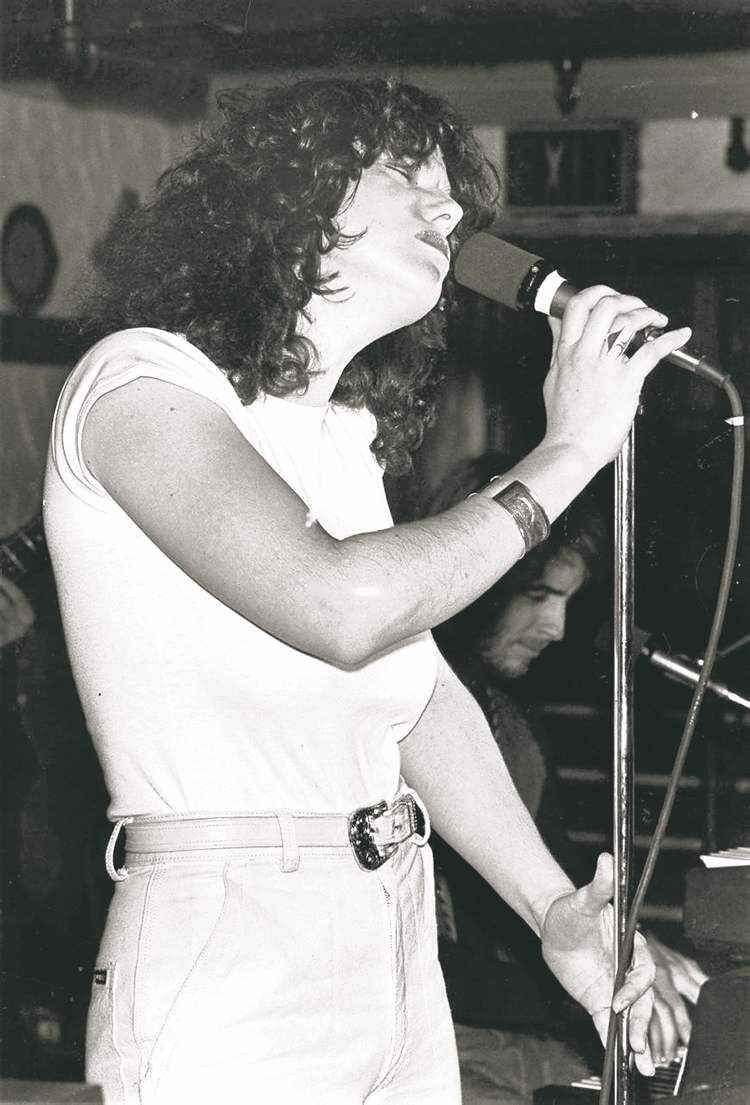
BY 1971, Fort Rouge-born singer extraordinaire Dianne Heatherington was the undisputed queen of the Winnipeg pub scene — our very own Janis Joplin. A dynamic performer with few peers, she was a larger-than-life personality equally capable of gut-wrenching emotion or joyous rapture.
In September 1970, the drinking age was lowered to 18 and the entire social scene shifted from the community clubs to the pubs transforming once staid beverage rooms into wild party scenes. Bands like Katerpillar, Black Cat, The Tweedle Band, Vicious Circle (with Blair & Gary MacLean), Out To Lunch (featuring Al Simmons), Persecution, Granny, Fabulous George & the Zodiacs and Next had the Plaza, City Centre, Voyageur, Maryland, St. Vital Hotel, Windsorian and other popular pubs jumping night after night. But the kingpins were always Dianne Heatherington and the Merry-Go-Round.
Encouraged by her church choir master to pursue professional work, Dianne began singing for the CBC in the mid ’60s, appearing on several local productions including Let’s Go.
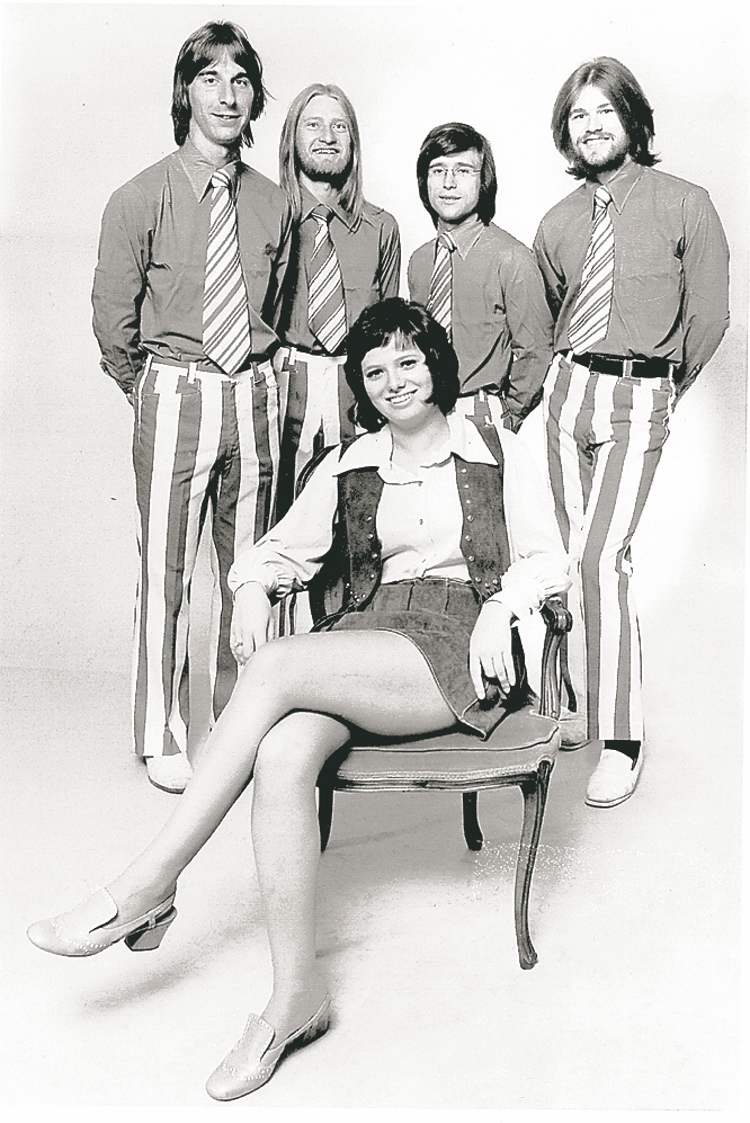
“We didn’t have a colour TV so we had to go out and rent a hotel room to watch it in colour,” recalls her brother Ken. She caught her first break with The Electric Banana before recruiting some of the city’s top players to form the Merry-Go-Round. Together they set out to conquer the pubs.
Dianne Heatherington and the Merry-Go-Round were renowned for their eclectic repertoire. “I remember tackling tunes that no one else would dare attempt,” states keyboard player Hermann Frühm. “We used to do Richard Harris’s MacArthur Park with all the parts in it. Here we were, a bunch of young musicians trying to get all these complex parts right. And I think we succeeded quite nicely, too.”
“Dianne’s arrangement ideas were brilliant,” notes later band member Leonard Shaw. “She wasn’t a studied musician and couldn’t always communicate them well but once we got her ideas, they were amazing. She was so talented in many ways. She had the ability to really touch an audience, to move them emotionally. She was someone who could really deliver the goods in so many different musical genres.”
Few may know that it was Dianne who confronted a recalcitrant Led Zeppelin in an International Inn hotel room and shamed them into playing their set at the hastily relocated ManPop 70 concert in the Winnipeg Arena. As Hermann remembers, “She was in one of her flamboyant rages. She spoke to them like they were her little brothers or something. No fear whatsoever.”
CBC offered Dianne her own national TV show in 1971. Dianne became a hit right across the country. By that point the band had undergone several personnel changes and were focusing on writing and recording their own material. At a gig in Saskatoon, they were spotted by Kenny “The Gambler” Rogers of The First Edition. He booked them to appear on his CTV television series Rolling On The River and later invited them to Los Angeles to record for him. In January 1972, Dianne and the band spent a week in L.A. laying down five or six tracks. “We recorded all our own stuff,” recalls Hermann. Rogers offered them a contract for an album but wanted the band to take on a new name, Catweazel, and Guess Who manager Don Hunter expressed an interest in managing the band. Unfortunately nothing came of either situation and in June, after bass player Bill Wallace was invited to join the Guess Who, the Merry-Go-Round folded.
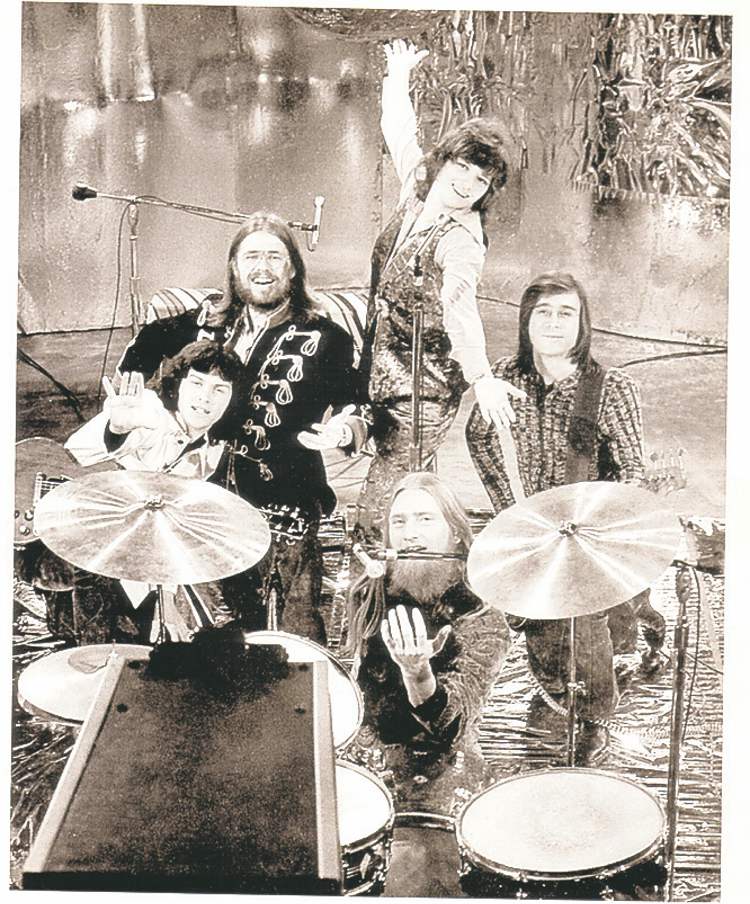
Dianne moved to Toronto later that year (inspiring the Guess Who song Bye Bye Babe) where she continued to wow audiences. In 1980 she recorded an album, Heatherington Rocks, backed by former Winnipeg musicians. She was nominated for a 1981 Juno award as Most Promising Female Vocalist, losing out to Rough Trade’s Carole Pope. Two years later she headed to New York but still failed to make the crossover into the big time.
“We did a weekly gig at Joe’s Bar on 6th Street in New York,” recalls drummer and husband Gary Taylor. “On Friday nights we did country music. Dianne did the show in a Patsy Cline-style dress introducing the songs with a Texas accent. People believed she was from Nashville.”

Returning to Toronto, she pursued an acting career in the latter ’80s, appearing in Cocktail and The Liberace Story. Dianne later formed her own movie security company and employed many of her musician friends.
She returned to Winnipeg to reunite with the Merry-Go-Round for a gala fundraiser on behalf of the Manitoba Museum’s Get Back exhibit in February 1994. Only close friends knew she had been diagnosed with ovarian cancer. She fought a courageous two-year battle involving chemotherapy treatments but succumbed on Oct. 22, 1996.
“Everyone that knew Dianne or worked with her was touched by her,” states Hermann. “Her memory remains so strong for all of us.”
Join John Einarson for the Magical Musical History Tour of Winnipeg at heartlandtravel.ca