Behind the veil
Despite problems, novel offers insider account of life in Iran
Advertisement
Read this article for free:
or
Already have an account? Log in here »
To continue reading, please subscribe:

Digital Subscription
One year of digital access for only $205*
- Enjoy unlimited reading on winnipegfreepress.com
- Read the E-Edition, our digital replica newspaper
- Access News Break, our award-winning app
- Play interactive puzzles
*First annual payment billed as $205.00 + GST for one year. This annual subscription will automatically renew at $233.00 + GST every 52 weeks (10% off the regular annual price of $259.35). Offer available to new and qualified returning subscribers only. Cancel any time.
To continue reading, please subscribe:
Add Free Press access to your Brandon Sun subscription for only an additional
$1 for the first 4 weeks*
- Enjoy unlimited reading on winnipegfreepress.com
- Read the E-Edition, our digital replica newspaper
- Access News Break, our award-winning app
- Play interactive puzzles
*Your next Brandon Sun subscription payment will increase by $1.00 and you will be charged $17.95 plus GST for four weeks. After four weeks, your payment will increase to $24.95 plus GST every four weeks.
Read unlimited articles for free today:
or
Already have an account? Log in here »
Hey there, time traveller!
This article was published 31/08/2013 (4715 days ago), so information in it may no longer be current.
Domestic drama, social revolution, exotic setting and a strong female narrator — what more does a novel need?
In the hands of Iranian writer Parinoush Saniee, however, these elements combine to create an atmosphere of constant crisis and unrelenting stress. It’s tiring rather than exciting.
One other fatiguing element is the awkward use of language. Stilted dialogue and, occasionally, awkward, old-fashioned vocabulary — for example “cad,” and “your nefarious daughter” — restrict the flow and thus our enjoyment of the story. Is this the writer’s issue or a translation problem?
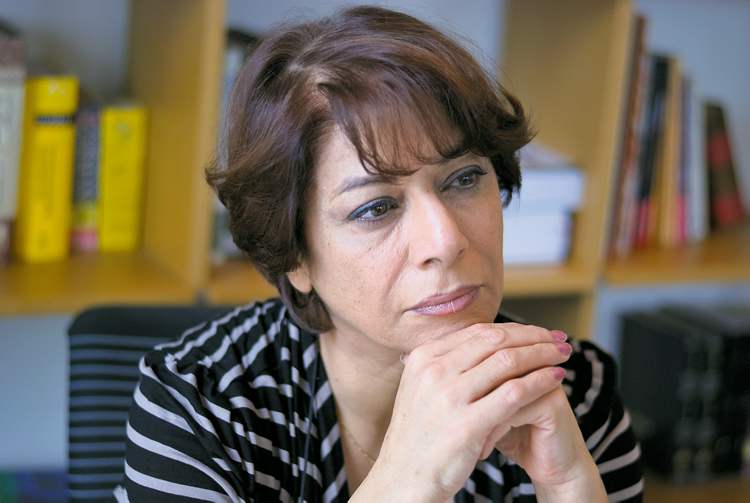
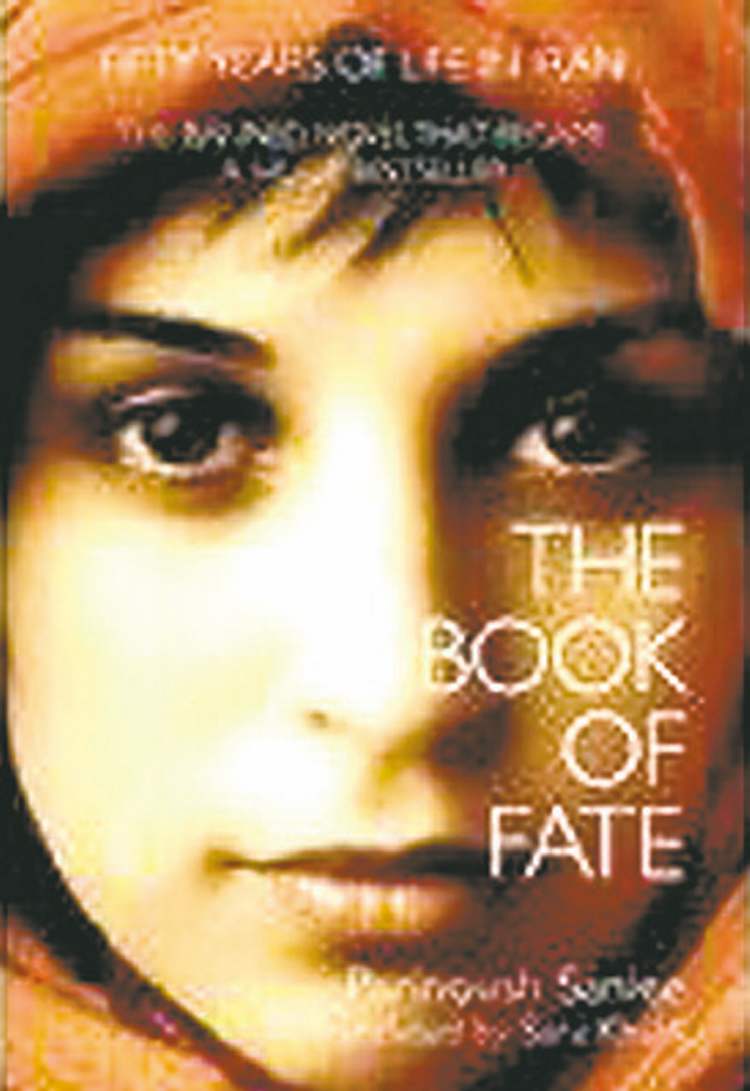
Still, The Book of Fate does pull back the veil on a world that for most westerners seems inaccessible and inhospitable.
What Saniee gives us access to is an authentic, insider account of the life of an Iranian woman spanning the last five decades. Told from the first- person perspective of Massoumeh Ahmadi, this story reads more like a memoir than a novel, perhaps channelling the author’s own experiences.
In the pre-revolution decade before the Shah is deposed and the Ayatollah Khomeini returns, Tehran is chaotic and, for teenage Massoumeh, hostile and highly regulated.
Shariah practices do not become law until the 1979 revolution. But like many Iranians, Massoumeh’s family adheres to its customs and practices.
For Massoumeh this means that all activity is mandated — both public and private. Massoumeh’s ambitions and dreams of getting an education and marrying a young pharmacy student end when her spying brother witnesses her flirting.
Massoumeh is badly beaten by her brothers, withdrawn from school and, months later, married off to a man she has never met.
Then fate takes a hand. Her new husband’s dangerous political activities take him out of the house and leave her in loneliness. But Hamid encourages his young bride to educate herself.
Massoumeh grows from a scared and ignorant 16-year-old into a self-actualized, independent woman and mother. Despite the exhaustion of raising children on her own while she goes to school, works and, on occasion, visits her husband in prison, Massoumeh never wavers from putting her children and their happiness first.
Decades of time and miles of ocean separate them, but Massoumeh’s style of narration and singularity of focus may remind Canadian readers of The Book of Negroes’ narrator, Aminta.
Both girls become women while enduring oppression. Both show remarkable resilience and intelligence. And both are perhaps a bit too good to be true. While the events of Massoumeh’s life are extraordinary and compelling, her high moral tone occasionally rankles.

Any notions we may hold about Iran being a homogenous society are dispelled by Saniee’s wide and diverse cast of characters. From Massoumeh’s angry brothers to Hamid’s female political partner, Shahrzad, they furnish the plot with plenty of conflict and differing points of view. The female characters are particularly interesting and multi-dimensional.
Hamid shields Massoumeh from involvement in and even knowledge about his political activities. But the threat of the SAVAK, Iran’s dreaded secret police, is always lurking and contributes to the novel’s tense atmosphere. Hamid and his friends are detained, tortured and worse. However, even though Hamid’s political activity is a major theme, Saniee manages to avoid making any real statement about current Iranian politics.
Maybe that’s the price a writer living in Iran must pay to get a book past the country’s draconian laws.
Saniee, a psychologist and sociologist, has reportedly published other novels in Iran, and The Book of Fate has already appeared in Europe — but not at home. It is interesting to speculate about what she may have sacrificed for her relative candour.
Charlotte Duggan is a teacher librarian in Winnipeg.