

When COUNTRY ROCK went into OVERDRIVE
BTO hit top of rock pantheon, but band wouldn't have happened without Brave Belt boot camp
Advertisement
Read this article for free:
or
Already have an account? Log in here »
To continue reading, please subscribe:
Digital Subscription
One year of digital access for only $1.44 a week*
- Enjoy unlimited reading on winnipegfreepress.com
- Read the E-Edition, our digital replica newspaper
- Access News Break, our award-winning app
- Play interactive puzzles
*Billed as $5.77 plus GST every four weeks. After 52 weeks, price increases to the regular rate of $19.95 plus GST every four weeks. Offer available to new and qualified returning subscribers only. Cancel any time.
To continue reading, please subscribe:
Add Free Press access to your Brandon Sun subscription for only an additional
$1 for the first 4 weeks*
- Enjoy unlimited reading on winnipegfreepress.com
- Read the E-Edition, our digital replica newspaper
- Access News Break, our award-winning app
- Play interactive puzzles
*Your next Brandon Sun subscription payment will increase by $1.00 and you will be charged $17.95 plus GST for four weeks. After four weeks, your payment will increase to $24.95 plus GST every four weeks.
Read unlimited articles for free today:
or
Already have an account? Log in here »
Hey there, time traveller!
This article was published 16/03/2014 (4468 days ago), so information in it may no longer be current.
On the evening of Sunday, March 30, former Winnipegger Randy Bachman will become the only Canadian Music Hall of Fame member inducted twice. In 1987 he was inducted along with the other members of the Guess Who. Now he enters with post-Guess Who megastars Bachman-Turner Overdrive. While the Guess Who put Winnipeg on the North American music map, BTO put it on the international map. Randy’s current stature as Canadian music elder statesman is well-earned.
Between those two multi-platinum bands there was Brave Belt, Randy’s first band endeavour after he left the Guess Who. Brave Belt was a commercial failure, a country-rock experiment that cost Randy almost all of his Guess Who nest egg. But it was the hard lessons learned from that failure that helped propel BTO to the top of the rock music pantheon by the mid-’70s.
What initially began as a solo album by original Guess Who singer/guitarist Chad Allan transformed into a band once Randy came onboard.
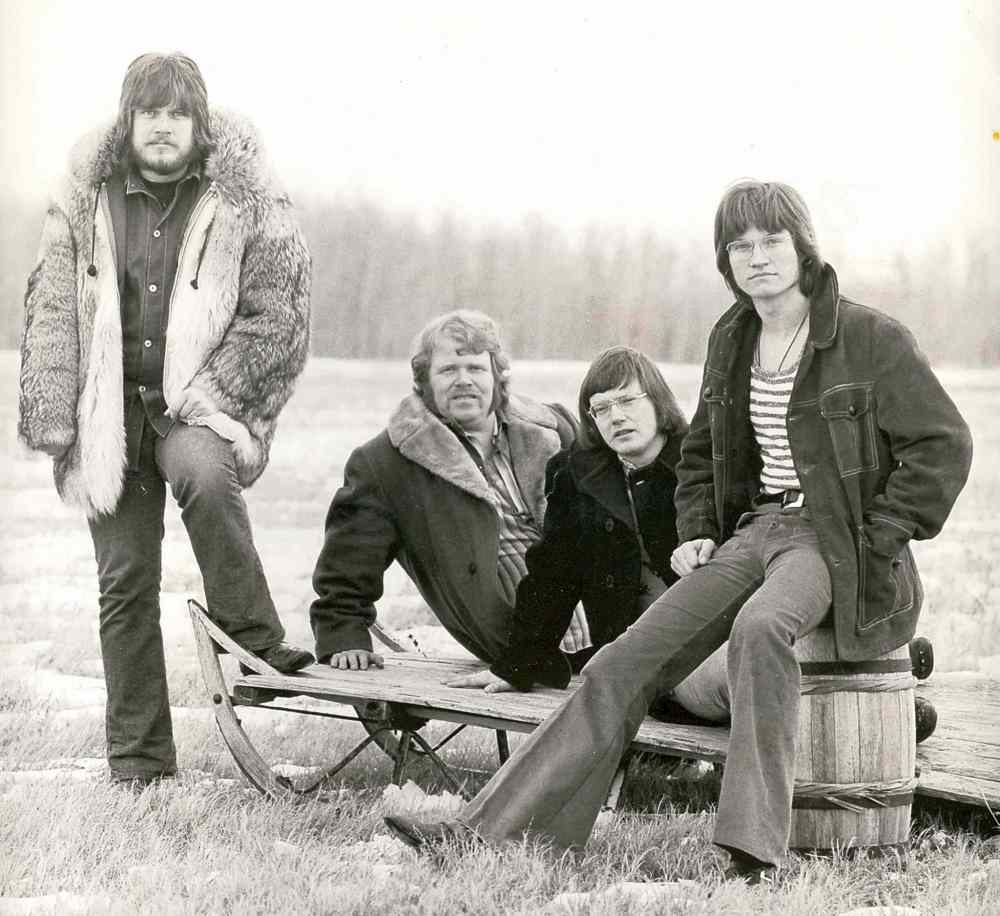
“I wanted to make a fresh start with a new band,” says Randy, who recruited youngest brother Robin on drums. “I knew that if I did a pop band again it could never be as good as the Guess Who, and I could never find a singer as good as Burton Cummings. Rather than be a second-rate Guess Who, instead I went totally anti-pop.”
Taking his cue from fellow Winnipegger Neil Young and his former band Buffalo Springfield, Brave Belt became a country-rock band. “Country music was always a big influence for me from the time I was a kid,” says Randy.
Young’s intervention scored the band a recording contract with Reprise in 1971. The label had high hopes Randy could deliver hits like he had done with the Guess Who. Unfortunately, this was 1971; country rock would not become commercially viable until the Eagles arrived two years later. Audiences expected Randy the American Woman power-chord cruncher, not a laid-back country picker. The band struggled to gain acceptance. Gigs were few and far between, with Randy feeling the weight of a Guess Who backlash against him. “They blackballed me,” he says.
Prior to the release of Brave Belt’s debut album in early 1971, Randy recruited local rock music veteran C.F. ‘Fred’ Turner to beef up the lineup. “I wanted a guy who had a strong, distinctive voice; a guy who could really belt it out. Fred Turner had that refrigerator-sized voice.”
The one time Pink Plumm and D-Drifters member signed on. “I just figured maybe it was time I took a chance,” Turner explains. “This was my last shot.”
It was a shot that would later pay off in spades — but not before a couple of years of struggling, what Randy later termed Brave Belt boot camp. The band travelled in a beat-up Econoline van eschewing hotels for campsites. “We had a Coleman stove and we would bring a loaf of peanut butter and jelly sandwiches from home,” recalls Randy. “Or we would cook up some soup.” Hardly the rock-star lifestyle, but it fostered a sense of unity within the band. “It really helped us cope when the big success as BTO finally came.”
At odds with Turner’s grittier voice, Chad Allan bowed out during sessions for Brave Belt II, but not before recording one of the finest Canadian country-rock songs, Dunrobin’s Gone.
“That song should have been called She’s Gone and She Won’t Be Back, and that hurt the record’s chances because no one knew what the title meant unless you were from East Kildonan in Winnipeg,” notes Randy. “People would phone in to radio stations asking them to play She’s Gone and She Won’t Be Back and they’d look on their playlists and say, ‘We don’t have that record.’ ” Both Brave Belt I and II sold poorly.
The band’s epiphany came at a two-night gig in Thunder Bay, when the promoter fired them the first night following tepid response to their country-rock style. Unfortunately no replacement band could be booked in time, so the promoter approached Randy asking if they could come up with a rockier sound they could do the second night. That night the band pulled out all the stops and won over the crowd with a set of rockin’ dance tunes. Randy realized his country-rock experiment was doomed and set about retooling Brave Belt as a meat and potatoes blue collar rock band.
“Being a survivor for all those years in the Guess Who, I knew that no matter how much you like something, if it isn’t working you have to change it,” he acknowledges. A few months later the band found its new name at a gas station when Turner spotted a truckers’ magazine called Overdrive. Bachman-Turner Overdrive was born.
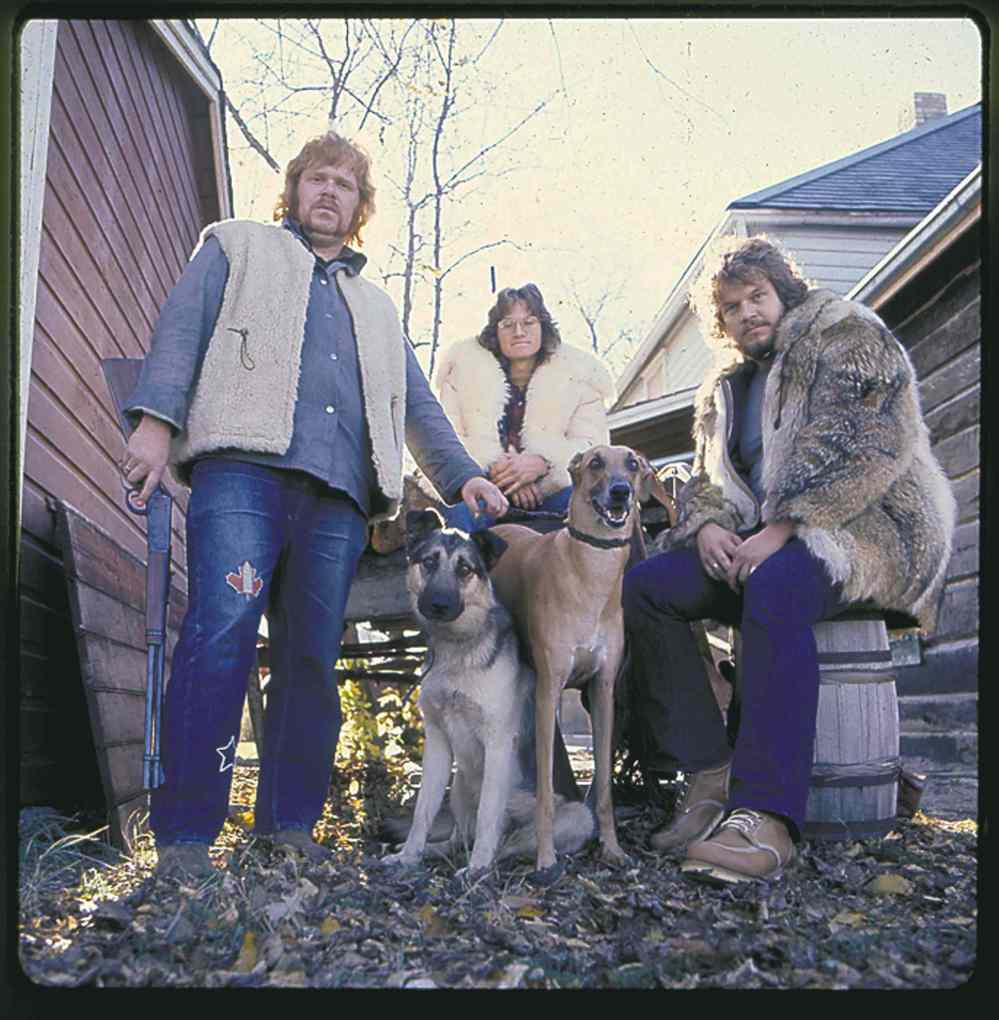
Adding brother Tim Bachman on second guitar, the band still found itself fulfilling Brave Belt contracts and playing coffee houses and country music venues. At one gig in Calgary, they supported country music star Tommy Hunter. When the promoter discovered he’d booked a hard rock act he refused to pay them. It took Hunter’s intervention for the band to get their cheque.

Randy had been supporting Brave Belt from his Guess Who royalties, paying each member a weekly salary as well as financing sessions for a third album, all to the tune of some $97,000 by early 1973. Having logged more than 20 record label rejections for the album, he was all but tapped out and ready to fold the band when Mercury Records offered a contract.
“Charlie Fach at Mercury in Chicago called me and told me to forget about the country-rock thing, go remix the tracks and add some heavier guitars. That’s how Brave Belt III became the first Bachman-Turner Overdrive album.” And the rest, as they say, is history.
“Brave Belt was important for me because I needed to go through that to figure out what I do best,” says Randy.
Join John Einarson Saturday mornings from 10 a.m. to noon for My Generation on UMFM 101.5