What dance moves do women want?
Advertisement
Read this article for free:
or
Already have an account? Log in here »
To continue reading, please subscribe:

Digital Subscription
One year of digital access for only $205*
- Enjoy unlimited reading on winnipegfreepress.com
- Read the E-Edition, our digital replica newspaper
- Access News Break, our award-winning app
- Play interactive puzzles
*First annual payment billed as $205.00 + GST for one year. This annual subscription will automatically renew at $233.00 + GST every 52 weeks (10% off the regular annual price of $259.35). Offer available to new and qualified returning subscribers only. Cancel any time.
To continue reading, please subscribe:
Add Free Press access to your Brandon Sun subscription for only an additional
$1 for the first 4 weeks*
- Enjoy unlimited reading on winnipegfreepress.com
- Read the E-Edition, our digital replica newspaper
- Access News Break, our award-winning app
- Play interactive puzzles
*Your next Brandon Sun subscription payment will increase by $1.00 and you will be charged $17.95 plus GST for four weeks. After four weeks, your payment will increase to $24.95 plus GST every four weeks.
Read unlimited articles for free today:
or
Already have an account? Log in here »
Hey there, time traveller!
This article was published 29/03/2014 (4520 days ago), so information in it may no longer be current.
A group of evolutionary biologists looked at the science of bump and grind, and they say they have figured out exactly which dance movements catch a woman’s eye.
Researchers at Northumbria University and the University of Gottingen wanted to know what women look for in a dance partner, since “dancing ability, particularly that of men, may serve as a signal of mate quality.” But isolating specific dance moves is difficult — facial attractiveness, body shape and even perceived socio-economic status play a role in how people judge the dancing ability of their peers.
So the researchers set up an experiment: They recruited 30 men to dance to a drumbeat for 30 seconds. The men were given no specific instructions on how to dance, and their movements were recorded via a sophisticated motion-capture system. Each dancer’s 30-second routine was then used to animate a “featureless, gender-neutral” computer-generated avatar. Researchers asked 37 women to view each of the dancing avatars and rate their performance on a seven-point scale.
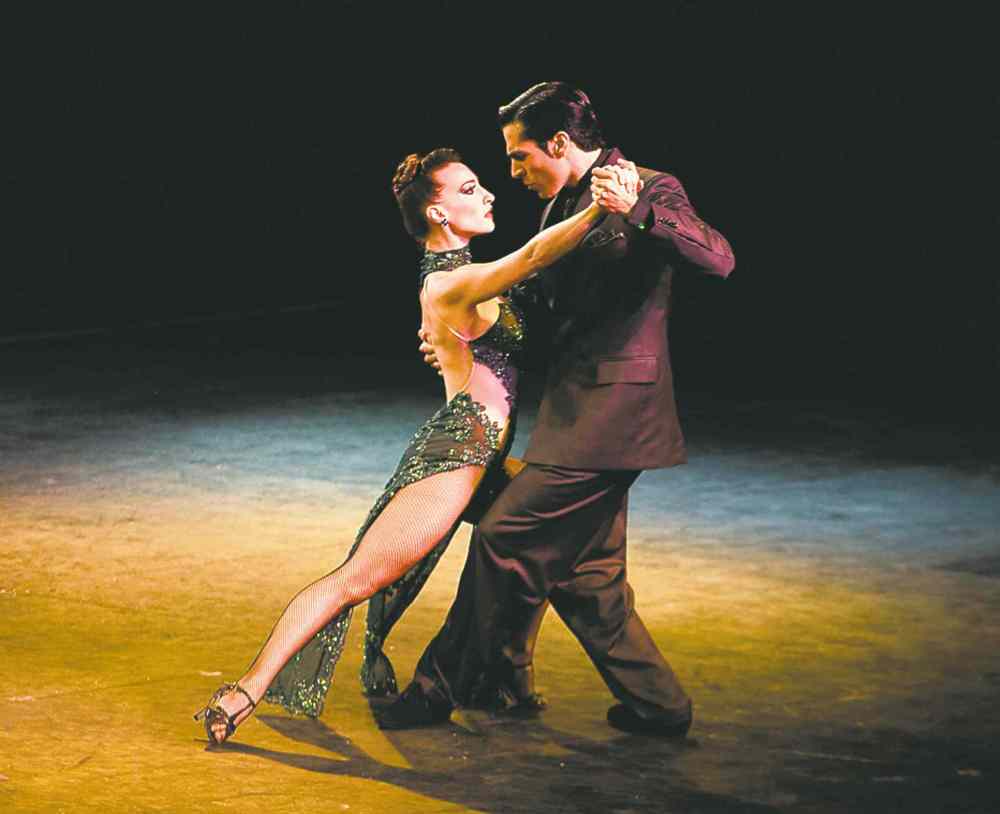
But how to quantify what’s going on in each video? The researchers developed a taxonomy of individual dance moves. They isolated three key body regions and the main joints within — the central body, including the neck and torso; the legs, including the knees, hips and ankles; and the arms, including the shoulders, elbows and wrists. For each dancer, they measured the degree and type of movement at each joint — speed, size and variety of movements like bending, twisting and tilting.
They found women rated dancers higher when they showed larger and more variable movements of the head, neck and torso. Speed of leg movements mattered, too, particularly bending and twisting of the right knee. In what might be bad news for the 20 per cent of the population that is left-footed, left-knee movement didn’t seem to matter. In fact, certain left-legged movements had a small negative correlation with dancing ability, meaning dancers who favoured left leg motion were rated more poorly. While not statistically significant, these findings suggest there might be something to that old adage about “two left feet” after all.
One final surprise: Arm movement didn’t correlate with perceived dancing ability in any significant way.
Going beyond the dance floor, these findings may demonstrate men’s dance moves could carry “honest signals of traits such as health, fitness, genetic quality and developmental history,” although the authors stress more research is needed to be sure. It would be particularly instructive to see whether similar findings hold true for men’s assessments of women’s dancing ability.
— The Washington Post