

Bike, sidewalk plan under public scrutiny
Some progress but more needed: backers

Advertisement
Read this article for free:
or
Already have an account? Log in here »
To continue reading, please subscribe:
Digital Subscription
One year of digital access for only $1.44 a week*
- Enjoy unlimited reading on winnipegfreepress.com
- Read the E-Edition, our digital replica newspaper
- Access News Break, our award-winning app
- Play interactive puzzles
*Billed as $5.77 plus GST every four weeks. After 52 weeks, price increases to the regular rate of $19.95 plus GST every four weeks. Offer available to new and qualified returning subscribers only. Cancel any time.
To continue reading, please subscribe:
Add Free Press access to your Brandon Sun subscription for only an additional
$1 for the first 4 weeks*
- Enjoy unlimited reading on winnipegfreepress.com
- Read the E-Edition, our digital replica newspaper
- Access News Break, our award-winning app
- Play interactive puzzles
*Your next Brandon Sun subscription payment will increase by $1.00 and you will be charged $17.95 plus GST for four weeks. After four weeks, your payment will increase to $24.95 plus GST every four weeks.
Read unlimited articles for free today:
or
Already have an account? Log in here »
Hey there, time traveller!
This article was published 13/04/2014 (4445 days ago), so information in it may no longer be current.
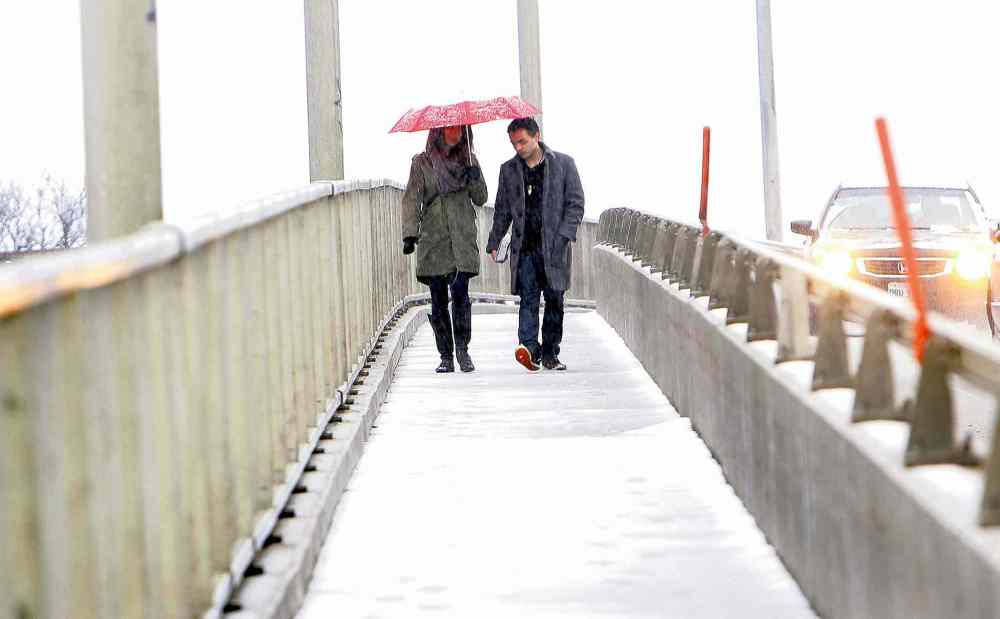
With freezing rain and an unwelcome dump of snow, Saturday wasn’t a great day for Winnipeg cyclists or walkers. But that didn’t stop them from packing an open house at The Forks to get the lay of the land on the city’s proposed bike and sidewalk strategies.
Visitors to the Manitoba Theatre for Young People were asked for their feedback on City of Winnipeg plans to improve safety and accessibility for pedestrians and cyclists.
The Pedestrian and Cycling Strategies spring from the city’s 2011 transportation master plan. It calls for continuous improvements to Winnipeg’s cycling network and making walking a more attractive choice.
Plans for active transportation have come a long way in a short time, said Mark Cohoe, a cycling advocate who started out with Bike to the Future. The citizens group began in 2006 and quickly gained traction, pushing for better bike routes in Winnipeg.
“It’s like night and day,” Cohoe said Saturday at the Walk Bike Winnipeg open house, where he represented the stakeholders’ committee. He’s seen the budget for sidewalks and bike routes go from just $250,000 in 2006 to more than $3 million today, resulting in more people walking and riding around the city. “The number of cyclists we’re seeing is a great return on investment.”
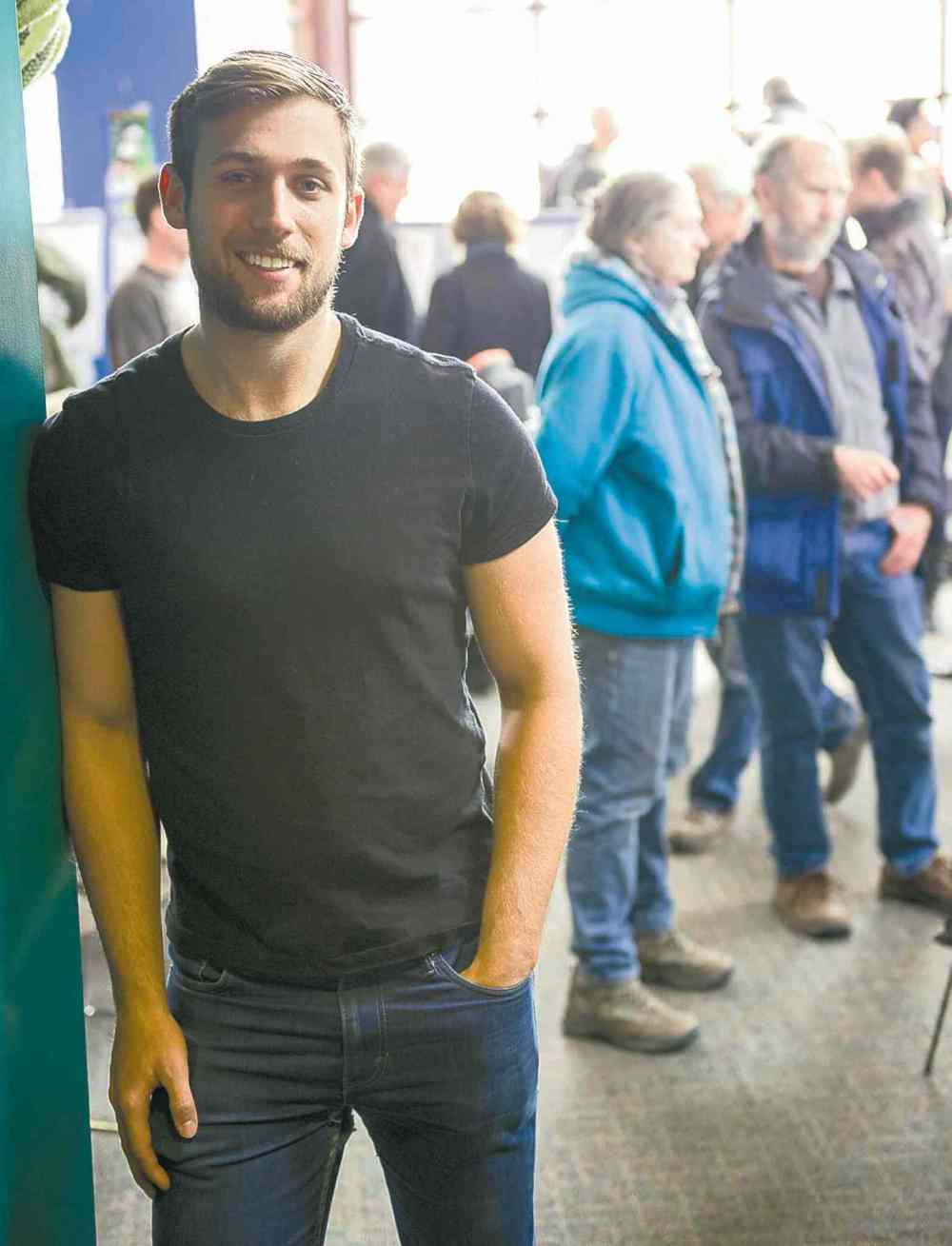
More and better trails for cyclists will get more people riding bikes and result in a healthier population, said Nick Humniski. The second-year medical student said he’s studying what deters Winnipeggers from cycling and its health benefits.
The avid cyclist said he’s ridden bikes in other cities, including Vancouver. “It has amazing bike infrastructure.” Its dedicated bike lanes aren’t just white lines painted on the road.
“They’re separated from the road and safer,” Humniski said. There are bike traffic signals plus a lot of people riding bikes in Vancouver, and there’s safety in numbers, he said.
In Winnipeg, he gets the sense cyclists feel “second-rate.” Bike routes will end suddenly, for example, he said. The one he follows from the Corydon Avenue area to classes at Health Sciences Centre ends abruptly on Sherbrook Street at Notre Dame Avenue. At rush hour, he’s left feeling pretty vulnerable on his bike in the high-traffic area, he said.
“There’s no protection,” said Humniski, who has been hit by vehicles twice on his bike but was not seriously hurt.

Police are happy to see more bike trails and pedestrian paths and remind both cyclists and pedestrians to look out for each other.
“Entering spring, there are a lot more people out these days,” said Winnipeg police spokesman Const. Jason Michalyshen. A common concern police hear is from the elderly and disabled who say they’re being hit or jostled by bikes riding on sidewalks. Kids’ bikes are OK but bigger bikes are supposed to be on the road, he said.
“These are shared spaces,” said Michalyshen.
“We need to be courteous to one another and know what our responsibilities are.”
carol.sanders@freepress.mb.ca
Carol Sanders
Legislature reporter
Carol Sanders is a reporter at the Free Press legislature bureau. The former general assignment reporter and copy editor joined the paper in 1997. Read more about Carol.
Every piece of reporting Carol produces is reviewed by an editing team before it is posted online or published in print — part of the Free Press‘s tradition, since 1872, of producing reliable independent journalism. Read more about Free Press’s history and mandate, and learn how our newsroom operates.
Our newsroom depends on a growing audience of readers to power our journalism. If you are not a paid reader, please consider becoming a subscriber.
Our newsroom depends on its audience of readers to power our journalism. Thank you for your support.
More open houses
Two more Walk Bike Winnipeg open houses will be held Tuesday from 3 p.m. to 8 p.m. at the Manitoba Hydro Place atrium at 360 Portage Ave. and at Sinclair Park Community Centre 490 Sinclair St.
For more information go to
www.winnipeg.ca/publicworks/MajorProjects/ActiveTransportation/WalkBikeWinnipeg/.
Carol Sanders
Legislature reporter
Carol Sanders is a reporter at the Free Press legislature bureau. The former general assignment reporter and copy editor joined the paper in 1997. Read more about Carol.
Every piece of reporting Carol produces is reviewed by an editing team before it is posted online or published in print — part of the Free Press‘s tradition, since 1872, of producing reliable independent journalism. Read more about Free Press’s history and mandate, and learn how our newsroom operates.
Our newsroom depends on a growing audience of readers to power our journalism. If you are not a paid reader, please consider becoming a subscriber.
Our newsroom depends on its audience of readers to power our journalism. Thank you for your support.
Advertisement Advertise With Us
Advertisement Advertise With Us