

A selfless example for the world’s whiners
Dying and nearly blind, city man focused on giving at-risk youth a hand up in life
Advertisement
Read this article for free:
or
Already have an account? Log in here »
To continue reading, please subscribe:

Digital Subscription
One year of digital access for only $205*
- Enjoy unlimited reading on winnipegfreepress.com
- Read the E-Edition, our digital replica newspaper
- Access News Break, our award-winning app
- Play interactive puzzles
*First annual payment billed as $205.00 + GST for one year. This annual subscription will automatically renew at $233.00 + GST every 52 weeks (10% off the regular annual price of $259.35). Offer available to new and qualified returning subscribers only. Cancel any time.
To continue reading, please subscribe:
Add Free Press access to your Brandon Sun subscription for only an additional
$1 for the first 4 weeks*
- Enjoy unlimited reading on winnipegfreepress.com
- Read the E-Edition, our digital replica newspaper
- Access News Break, our award-winning app
- Play interactive puzzles
*Your next Brandon Sun subscription payment will increase by $1.00 and you will be charged $17.95 plus GST for four weeks. After four weeks, your payment will increase to $24.95 plus GST every four weeks.
Read unlimited articles for free today:
or
Already have an account? Log in here »
Hey there, time traveller!
This article was published 03/05/2014 (4502 days ago), so information in it may no longer be current.
Chief Devon Clunis wrote a column last month entitled Working for a brighter future for our youth.
In response, John Connor of Crescentwood wrote a two-page letter to Chief Clunis commending him and our police service for our social conscience. John wrote that he agreed with the chief’s position regarding the help needed for at-risk youth.
Recognizing his own potential, John wrote that he had just turned 65, was legally blind but with some sight in his right eye and had other physical disabilities. He was also undergoing a number of medical tests that had left him too weak to do his own snow-clearing. He offered to hire an at-risk youth who was currently in the system to clear the snow on his property.
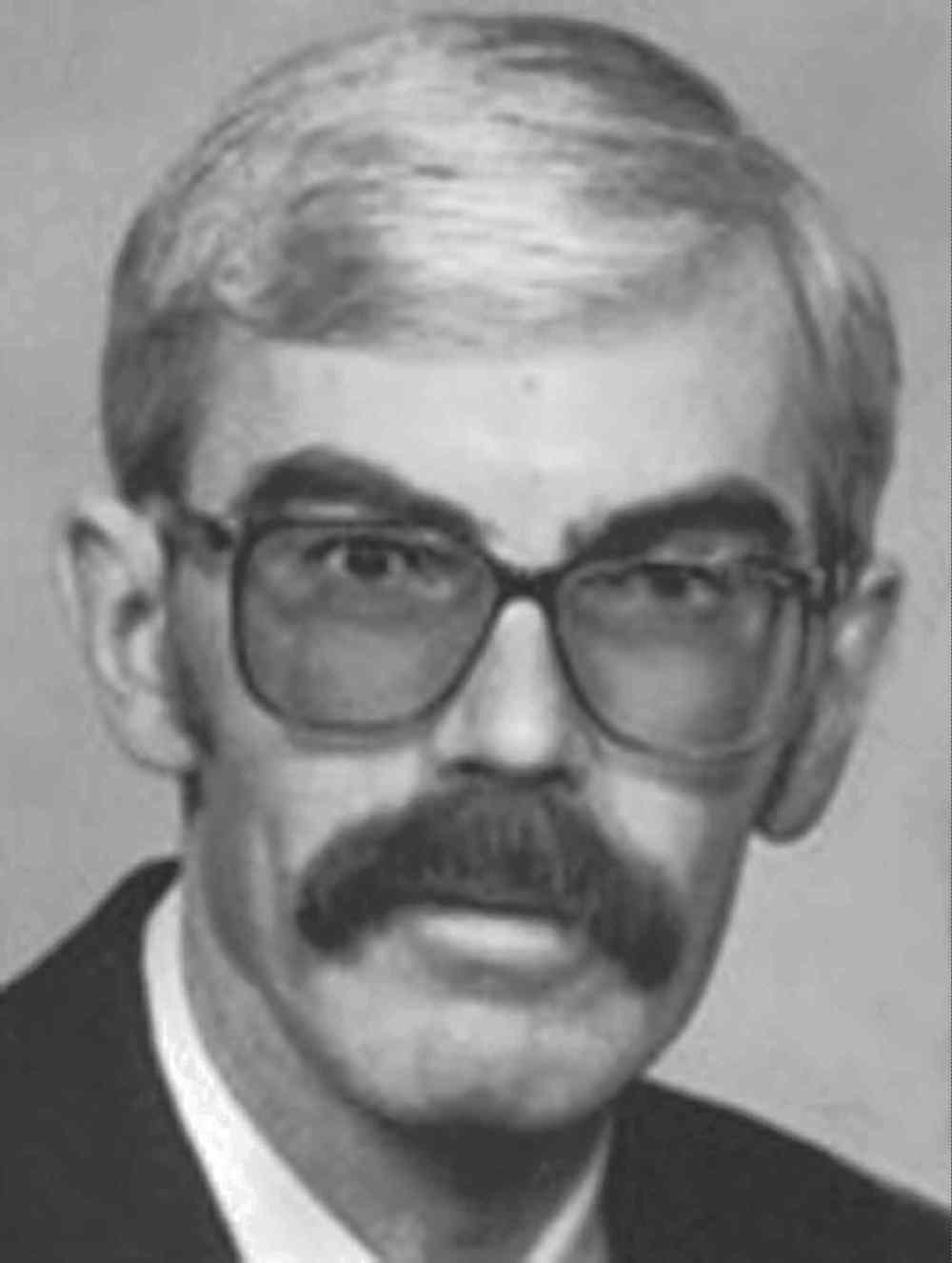
John was willing to take anyone, provide the necessary equipment and training, and in turn, pay them. John believed this job could lead to other career opportunities. He finished it by providing his contact information and a simple “God bless you.”
I was assigned to follow up with John when I returned from my vacation. I was impressed with John’s offer and left a message for him to call me.
About a week later, I received a message from a family friend of the Connors. She let me know that John hadn’t returned my call because a few days before, his health had quickly deteriorated and he passed away.
Shocked to hear this news, I recognized the letter before me was no longer just a piece of correspondence, but rather, sacred words that represented not only this man’s concern for his community, but his character as well.
I immediately returned the call to the family friend and learned John had lost his battle with cancer.
I digested this information, then met with Chief Clunis and told him of John’s passing. He, too, was saddened.
Insp. Scot Halley and I returned the original letter to his widow, Gail, at their home. During our visit, we had an opportunity to learn a little more about John. His final months were not easy. But despite his condition, his desire to advocate for social development and justice remained as strong as ever.
Here’s my point: John had been ill, battling a terminal disease while being nearly blind. It would have been easy and justifiable for him to turn inward and not worry about what was going on in our community. Many of us would do just that. He was a retired professional who had certainly paid his dues and taxes; he owed us nothing.
Yet instead of doing that, he picked up a pen, put his face down until his nose was almost touching a piece of paper so he could see, and wrote out a two-page letter offering to help a complete stranger.
Despite his condition, his desire to advocate for social development and justice remained as strong as ever

As I think about that scene, I lose a lot of my sympathy for those who use excuses for their own bad choices, criminal actions and failure to take care of their children. Some blame their upbringing, history, the government and anybody except themselves. Others like to complain about what they don’t have instead of finding ways to help themselves and their communities with what they do have.
John Connor was not one of those people. He didn’t complain to us. He didn’t pursue his own self-interest. His eyesight may have been taken from him, but his vision on how to help the community in a concrete way was 20/20.
Let that be a guide for those who like to complain about their standing in life. Complain if you must, but at the end of it, you should have a solution that is worth looking at. Otherwise, take a back seat to the John Connors of our community and learn from them.
Andy Golebioski is the staff sergeant in the community relations unit of the Winnipeg Police Service.