

On the night table: Jesús Ángel Miguel García
Advertisement
Read this article for free:
or
Already have an account? Log in here »
To continue reading, please subscribe:
Digital Subscription
One year of digital access for only $75*
- Enjoy unlimited reading on winnipegfreepress.com
- Read the E-Edition, our digital replica newspaper
- Access News Break, our award-winning app
- Play interactive puzzles
*Billed as $5.77 plus GST every four weeks. After 52 weeks, price increases to the regular rate of $19.95 plus GST every four weeks. Offer available to new and qualified returning subscribers only. Cancel any time.
Monthly Digital Subscription
$4.99/week*
- Enjoy unlimited reading on winnipegfreepress.com
- Read the E-Edition, our digital replica newspaper
- Access News Break, our award-winning app
- Play interactive puzzles
*Billed as $19.95 plus GST every four weeks. Cancel any time.
To continue reading, please subscribe:
Add Free Press access to your Brandon Sun subscription for only an additional
$1 for the first 4 weeks*
- Enjoy unlimited reading on winnipegfreepress.com
- Read the E-Edition, our digital replica newspaper
- Access News Break, our award-winning app
- Play interactive puzzles
*Your next Brandon Sun subscription payment will increase by $1.00 and you will be charged $17.95 plus GST for four weeks. After four weeks, your payment will increase to $24.95 plus GST every four weeks.
Read unlimited articles for free today:
or
Already have an account? Log in here »
Hey there, time traveller!
This article was published 16/08/2014 (4301 days ago), so information in it may no longer be current.

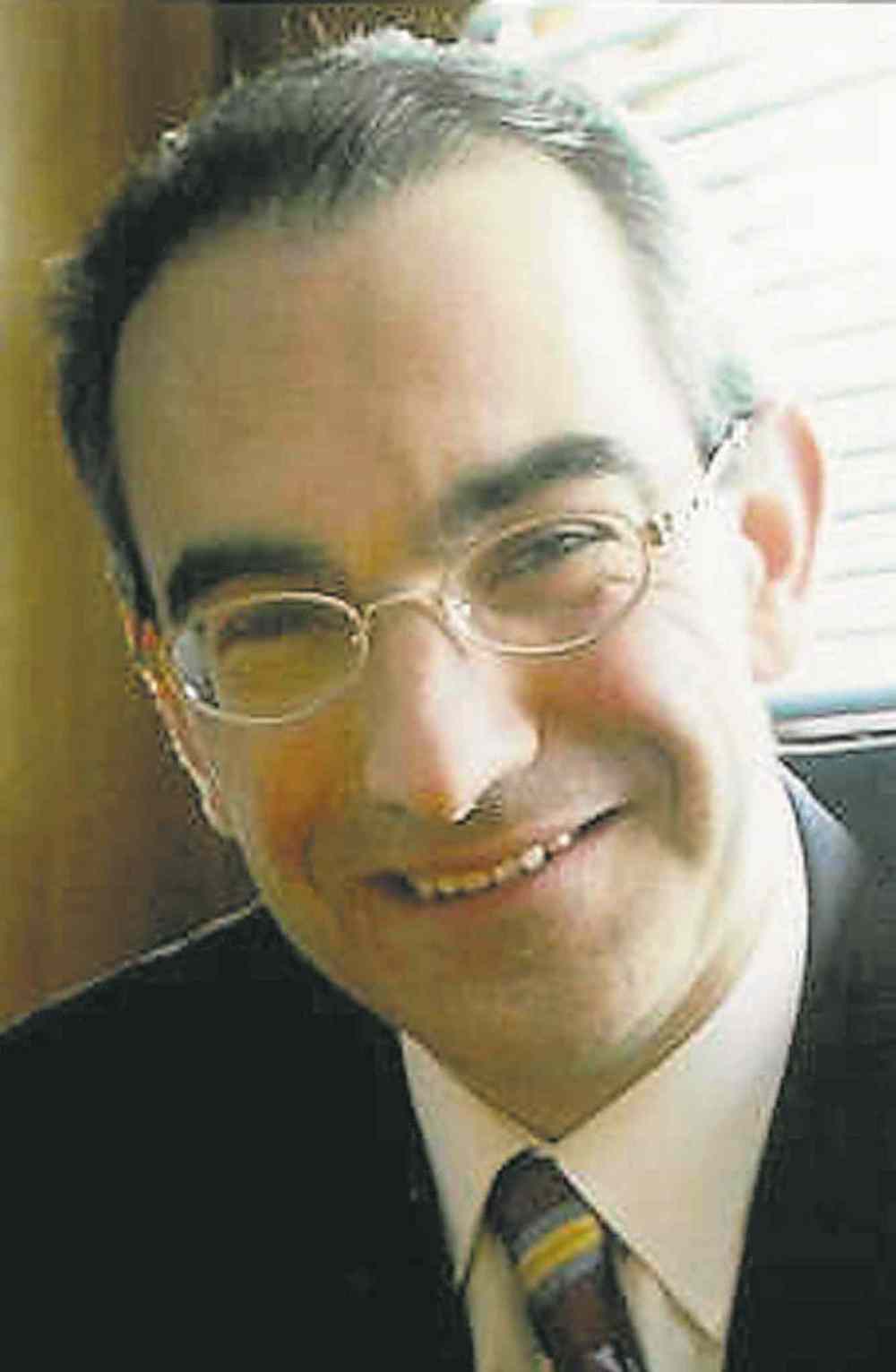
Jesús Ángel Miguel García
Director, The Spanish Institute and research fellow, St. Paul’s College
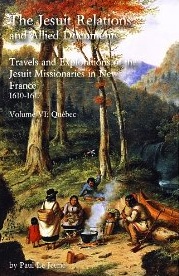
“I’m delving into The Jesuit Relations and Allied Documents, the account of the Jesuit Fathers in New France (present-day Eastern Canada and the U.S.) in the 17th and 18th century. It describes the life, feats and exploits of these extraordinary, inspiring Catholic priests from France, who gave up everything for the sake of others and for the greater glory of God. They believed in human dignity, freedom and respect for the aboriginals. They lived among them, taught them, learned their languages, accepted their ways, compiled ethnosocial studies and wrote the only dictionaries of their languages. It should be compulsory reading in schools.”
History
Updated on Saturday, August 16, 2014 8:36 AM CDT: Formatting.