

Where have all the mayors gone?
Former civic leaders in Canada rarely make it to the top
Advertisement
Read this article for free:
or
Already have an account? Log in here »
To continue reading, please subscribe:
Monthly Digital Subscription
$1 per week for 24 weeks*
- Enjoy unlimited reading on winnipegfreepress.com
- Read the E-Edition, our digital replica newspaper
- Access News Break, our award-winning app
- Play interactive puzzles
*Billed as $4.00 plus GST every four weeks. After 24 weeks, price increases to the regular rate of $19.95 plus GST every four weeks. Offer available to new and qualified returning subscribers only. Cancel any time.
Monthly Digital Subscription
$4.99/week*
- Enjoy unlimited reading on winnipegfreepress.com
- Read the E-Edition, our digital replica newspaper
- Access News Break, our award-winning app
- Play interactive puzzles
*Billed as $19.95 plus GST every four weeks. Cancel any time.
To continue reading, please subscribe:
Add Free Press access to your Brandon Sun subscription for only an additional
$1 for the first 4 weeks*
- Enjoy unlimited reading on winnipegfreepress.com
- Read the E-Edition, our digital replica newspaper
- Access News Break, our award-winning app
- Play interactive puzzles
*Your next Brandon Sun subscription payment will increase by $1.00 and you will be charged $17.95 plus GST for four weeks. After four weeks, your payment will increase to $24.95 plus GST every four weeks.
Read unlimited articles for free today:
or
Already have an account? Log in here »
Hey there, time traveller!
This article was published 21/10/2014 (4219 days ago), so information in it may no longer be current.
During 1887, the man who would be Canada’s third prime minister, John Abbott, served as an MP, senator, and mayor of Montreal — the last two positions simultaneously. Though his two one-year terms as mayor were corrupt, and his prime ministership brief (1891-92), Abbott is notable. He is the only Canadian mayor who has been prime minister and is a member of the surprisingly small club of mayors who become premiers, federal party leaders, strong federal cabinet ministers or even unelected political power brokers.
Where is Canada’s Jacques Chirac — Paris mayor-turned French president — or Dianne Feinstein, the powerful U.S. senator who came from San Francisco’s city hall — or, for that matter, the Chicago community organizer who could well have been Mayor Obama if he hadn’t prematurely become President Obama?
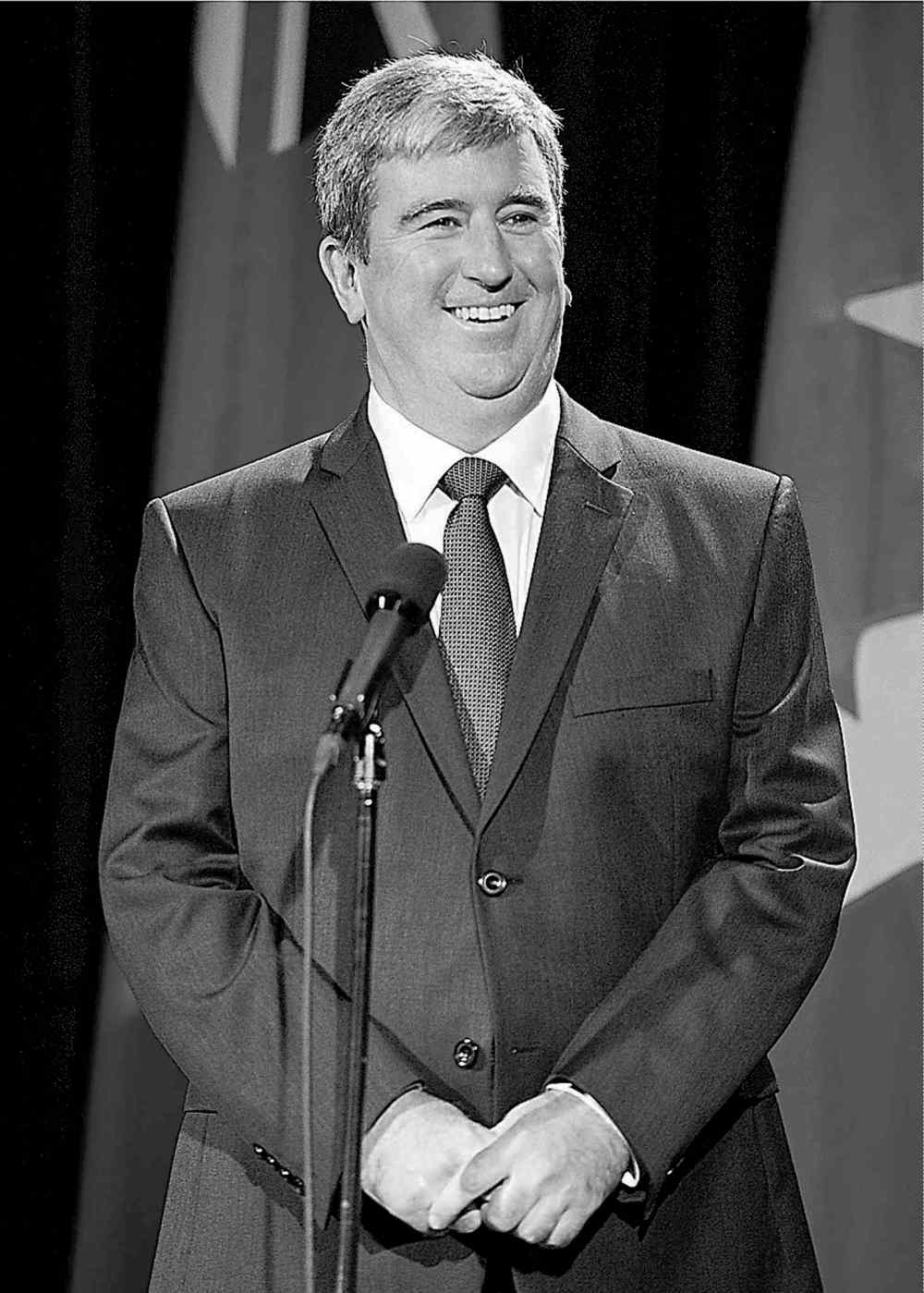
Among the disappearing acts who may have dreamed of 24 Sussex Drive are Windsor’s wunderkind mayor, Eddie Francis. Francis has governed with hands across the border, but he is withdrawing this week to the private sector. Charismatic former Winnipeg mayor Glen Murray helped put “a new deal for cities” on the agendas of the Chrétien, Martin, and Harper governments. While now a key member of Ontario’s Liberal cabinet, he is no longer a national presence.
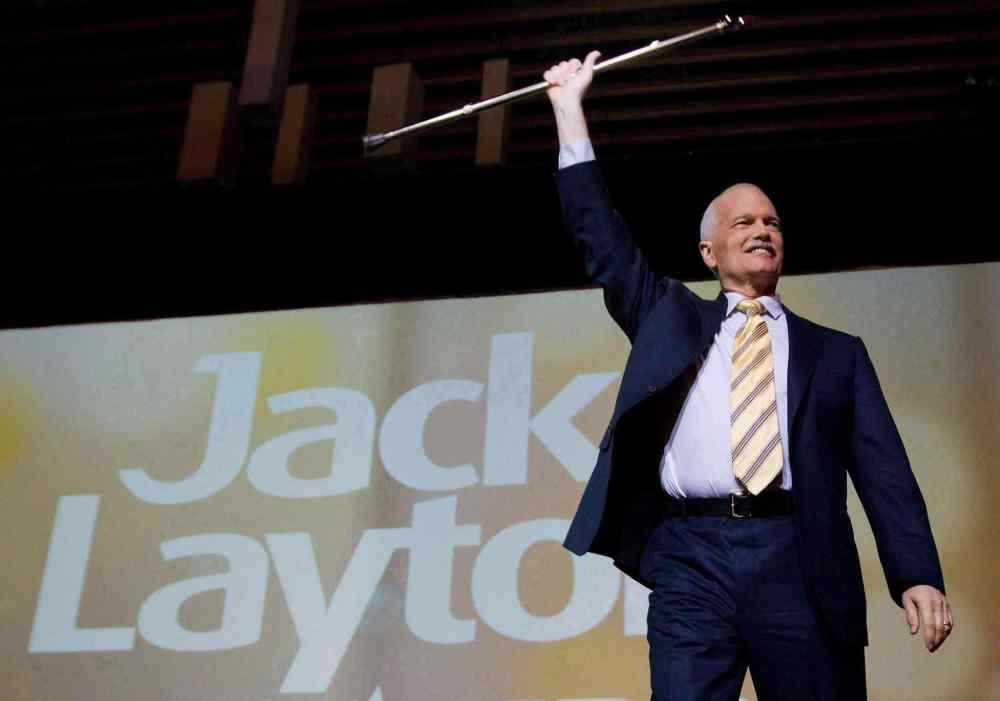
Common sense dictates political careers start with school board, council or mayor. Calgary’s Ralph Klein became Alberta’s high-profile premier; Edmonton’s Stephen Mandel is Alberta’s new minister of health. Federally, National Defence Minister Rob Nicholson had a long career in Ontario municipal politics as a councillor, as of course did Jack Layton, who led the NDP to its status of official Opposition. But there are zero ex-mayors among the 13 premiers and the 39 members of Stephen Harper’s cabinet; besides Nicholson, only five of those 52 even served on municipal councils.
The exceptions to the rule of Canadian mayors exiting electoral politics, voluntarily or not, contrast with the U.S. experience. True, the last of the three ex-mayor presidents was Calvin Coolidge. But today’s Congress and states tell a different story. Nine of 50 governors and 10 of 100 U.S. senators were mayors, mostly of their state’s largest or capital city. New York, Los Angeles and Chicago mayors toy with running for president, but historically broker power from city hall.
For example, in the decades between Jerry Brown’s two California governorships, he was mayor of Oakland; Maryland Governor Martin O’Malley was mayor of Baltimore.
In the U.S. House of Representatives, six per cent of 435 members were mayors, compared with four per cent of 308 in Canada’s House of Commons. Of the cities MPs previously headed, the largest is Moose Jaw.
Winning statewide office in the U.S. — or House districts with populations over 700,000 — is a strenuous endeavour. Plus, general elections are usually preceded by primary elections. At the very least, U.S. mayors gain greater political traction, political visibility and hunger for higher office.
The case of the missing Canadian mayors flips common sense on its head, because being mayor appears an attractive final elected office. Politicians who “go federal” or “go leader” are more likely to return to cities than to leave them. Thus, longtime NDP MP Judy Wasylycia-Leis and former Ontario Conservative leader John Tory (running against Olivia Chow, a city councillor before entering Parliament) may be the new mayors of Winnipeg and Toronto. Montreal Mayor Denis Coderre, elected a year ago, was a veteran of federal Liberal cabinets.
Vancouver’s story is a bit different. Two of the last five mayors, Mike Harcourt and Gordon Campbell, became premier. A third, Larry Campbell, is a senator. Now-Premier Christy Clark sought but lost a mayoral nomination in 2005. They are outliers, in part because they are known — Vancouver is in a formal regional district that has over half of B.C.’s population in a tiny geographic area.

European and American studies show mayors who become national-level legislators are less attached to their political parties than those who were never chief executives. Unlike Canada, American cities are themselves quite autonomous, and mayors are typically “strong” — not just slightly more equal than every member of council. The chances for Canadian mayoral political and policy entrepreneurialism pale by comparison.
This independent streak might be tolerated and is even an electoral bonus in a “big tent” two-party system. It might work better for a president who has a prime minister to keep parliament in line (France) or one who heads a separate branch of government (the U.S.). It would fail utterly in Canada’s party government.
Ultimately, the United States comparison remains interesting. Not only are there a relatively small number of major cities in Canada, there are few provincial leadership positions. And the federal cabinet is a long shot that relies on the calculations of other politicians, not one’s own electoral successes. In Canada, then, being a big-city mayor is best viewed as one peak — or the summit — in career leadership ambitions, not the bottom rung on a ladder to power.
Judith Garber is associate professor of political science at the University of Alberta. She teaches and writes about cities, law, and U.S. politics.
History
Updated on Tuesday, October 21, 2014 1:26 PM CDT: Replaces photo