

Eritrean refugees mourned
Rally also to call for lifting of cap

Advertisement
Read this article for free:
or
Already have an account? Log in here »
To continue reading, please subscribe:
Monthly Digital Subscription
$1 per week for 24 weeks*
- Enjoy unlimited reading on winnipegfreepress.com
- Read the E-Edition, our digital replica newspaper
- Access News Break, our award-winning app
- Play interactive puzzles
*Billed as $4.00 plus GST every four weeks. After 24 weeks, price increases to the regular rate of $19.95 plus GST every four weeks. Offer available to new and qualified returning subscribers only. Cancel any time.
Monthly Digital Subscription
$4.99/week*
- Enjoy unlimited reading on winnipegfreepress.com
- Read the E-Edition, our digital replica newspaper
- Access News Break, our award-winning app
- Play interactive puzzles
*Billed as $19.95 plus GST every four weeks. Cancel any time.
To continue reading, please subscribe:
Add Free Press access to your Brandon Sun subscription for only an additional
$1 for the first 4 weeks*
*Your next subscription payment will increase by $1.00 and you will be charged $16.99 plus GST for four weeks. After four weeks, your payment will increase to $23.99 plus GST every four weeks.
Read unlimited articles for free today:
or
Already have an account? Log in here »
Hey there, time traveller!
This article was published 17/05/2015 (3982 days ago), so information in it may no longer be current.
The Eritrean refugee promised his cousin he would apply to sponsor her as soon as he got settled in Winnipeg in 2012. He didn’t know the Canadian government was about to slam the door shut on any new refugee applications. Neither did she.
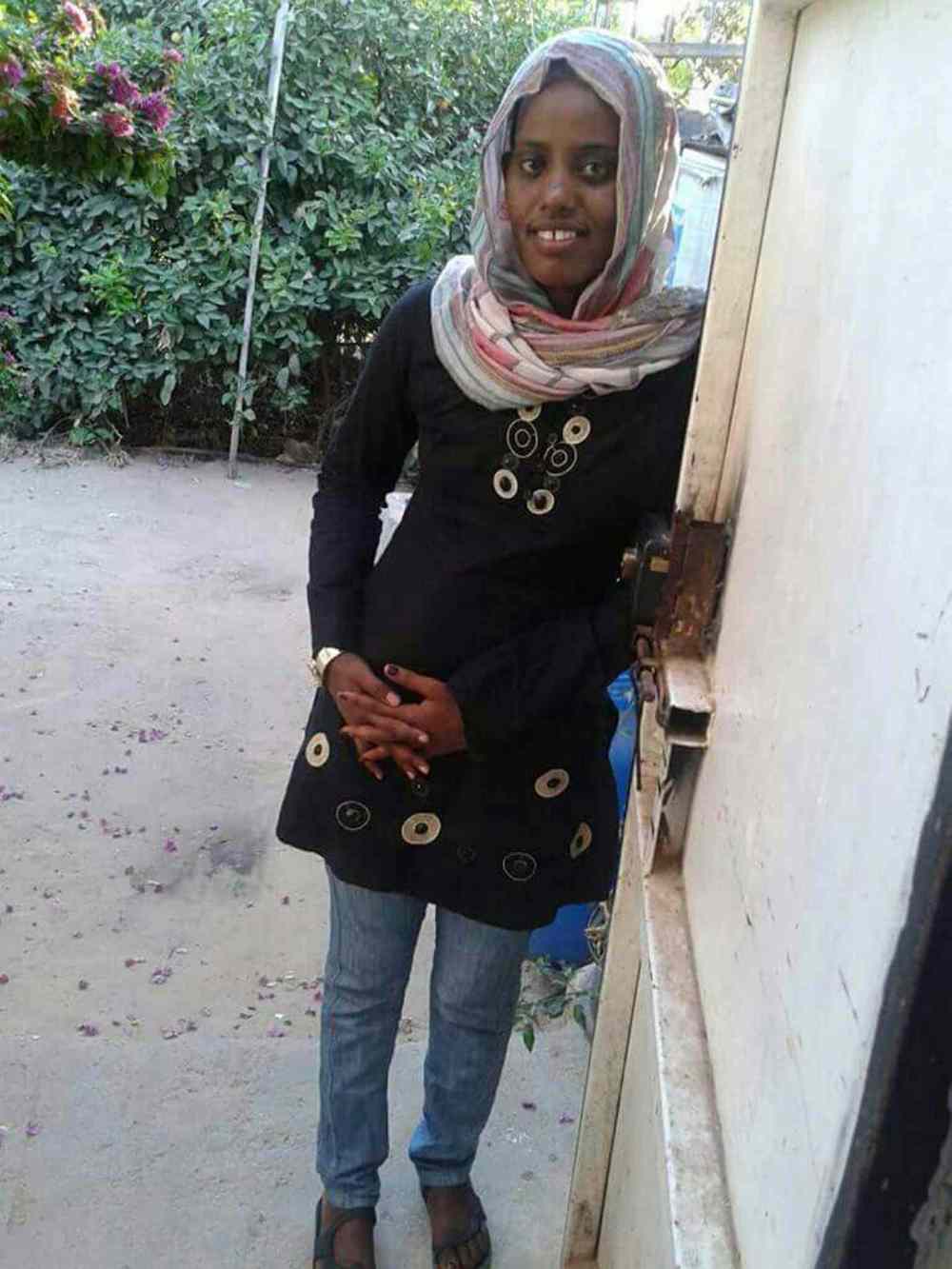
Senait Gabir, 28, drowned this winter in the Mediterranean, along with hundreds of other asylum-seekers trying to get someplace safe.
The refugee fled Eritrea — “the North Korea of Africa” — and took a chance with human smugglers on a perilous journey, said her cousin in Winnipeg, Teklzghi (Tek) Yohannes.
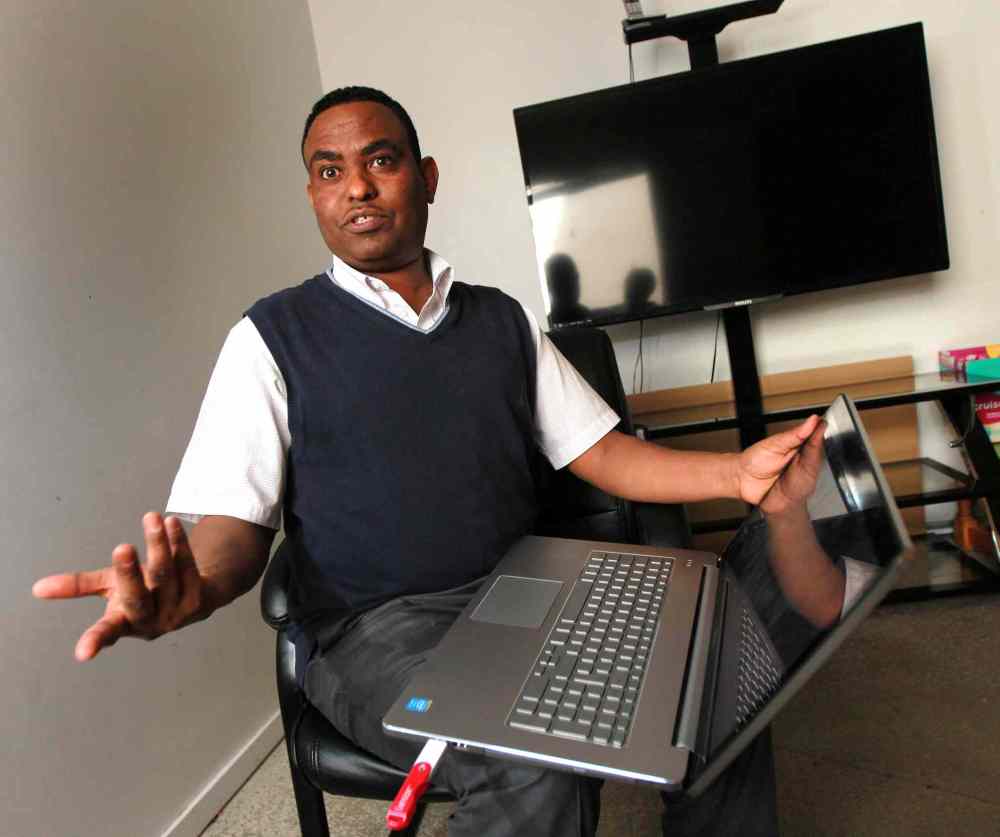
“You have to live there to know it,” said Yohannes, 38. “That’s why people take a risk to die.”
Members of the Eritrean-Canadian Human Rights Group of Manitoba are holding a vigil outside the legislature at 6:30 p.m. this evening to pay respects to those who have died. They’re also calling for the federal government to allow more refugees into Canada so they don’t end up drowning like Gabir or beheaded by the Islamic State, like Ethiopian Christians earlier this year in Libya.
The young woman who dreamed of coming to Winnipeg never stood a chance, Yohannes learned. Before boarding an overcrowded, unsafe boat in Libya, she fell off the truck transporting her and other migrants from Sudan. Gabir injured her back and could no longer walk. Fellow migrants took Gabir under their wing when they got to Libya. She was helpless, he said.
They’d been warned if she didn’t pay and get on the ship, Gabir would be taken to the Sinai peninsula, her organs would be harvested, and she’d be left for dead, said Yohannes.
“All her friends didn’t want to leave her there,” said Yohannes. They helped her board the boat carrying nearly 400 migrants bound for Italy.
“She didn’t make it.”
Some of the 18 survivors had got to know the young woman while waiting for their voyage to Italy to begin. They contacted her relatives to let them know she was not among the survivors.
Yohannes last saw his cousin in Sudan in 2012, when she was able-bodied and hopeful for the future.
“She was happy on the one hand but worried about many problems in Sudan,” said Yohannes.
Many members of their extended family had fled the tyranny in Eritrea and were living in Sudan’s capital, Khartoum, he said. Gabir stayed with Yohannes and his family until his family was sponsored to come to Canada in April 2012. He remembers the last time they spoke in person in Sudan.
“She was talking about her sponsorship: ‘As soon as possible, apply for me,’ ” he said. “Two weeks after I came here, the program was capped, and I couldn’t do that.”
In 2012, the federal government capped the number of privately sponsored refugees to deal with a backlog of applications. There’s no sign of the cap being lifted any time soon, said Winnipeg refugee advocate Jim Mair.
“A lot of people are going to be denied an opportunity to come here,” said Mair, vice-president of the Canadian Council for Refugees. It is holding three days of national meetings in Winnipeg, starting Thursday.
“A lot of families are not going to be reunited, and Canada will keep slipping in the world’s view of how welcoming we used to be,” said Mair.
Meanwhile, refugees in Africa from countries such as Eritrea, Somalia and Syria continue risking their lives trying to get to Europe, and some will end up dead like Gabir. Last month, the UN reported an estimated 31,500 people have crossed the Mediterranean to Italy and Greece so far this year, and an estimated 1,600 people have died trying.
Yohannes is grateful to have made it into Canada. He and his wife have three children, ages two, three and five. He’s studying social work at the University of Manitoba and caring for their children while his wife works full time.

They have hope for their future, while others in Eritrea are living without any freedom or hope. One cousin is in effect a slave in the military who’s been unable to leave for 20 years, he said.
Another cousin who fled Eritrea was picked up by Bedouins, robbed of his organs and left to die — a horror story familiar to refugees and migrants in that part of Africa, he said.
Still, the fear of drowning at sea or slaughter in the desert isn’t enough to keep people in a hopeless situation, Yohannes said.
“You suffer something that never ends,” he said.
carol.sanders@freepress.mb.ca
Carol Sanders
Legislature reporter
Carol Sanders is a reporter at the Free Press legislature bureau. The former general assignment reporter and copy editor joined the paper in 1997. Read more about Carol.
Every piece of reporting Carol produces is reviewed by an editing team before it is posted online or published in print — part of the Free Press‘s tradition, since 1872, of producing reliable independent journalism. Read more about Free Press’s history and mandate, and learn how our newsroom operates.
Our newsroom depends on a growing audience of readers to power our journalism. If you are not a paid reader, please consider becoming a subscriber.
Our newsroom depends on its audience of readers to power our journalism. Thank you for your support.
Carol Sanders
Legislature reporter
Carol Sanders is a reporter at the Free Press legislature bureau. The former general assignment reporter and copy editor joined the paper in 1997. Read more about Carol.
Every piece of reporting Carol produces is reviewed by an editing team before it is posted online or published in print — part of the Free Press‘s tradition, since 1872, of producing reliable independent journalism. Read more about Free Press’s history and mandate, and learn how our newsroom operates.
Our newsroom depends on a growing audience of readers to power our journalism. If you are not a paid reader, please consider becoming a subscriber.
Our newsroom depends on its audience of readers to power our journalism. Thank you for your support.
Advertisement Advertise With Us
Advertisement Advertise With Us