Eliminating lice easy if you follow the instructions
Advertisement
Read this article for free:
or
Already have an account? Log in here »
To continue reading, please subscribe:

Digital Subscription
One year of digital access for only $205*
- Enjoy unlimited reading on winnipegfreepress.com
- Read the E-Edition, our digital replica newspaper
- Access News Break, our award-winning app
- Play interactive puzzles
*First annual payment billed as $205.00 + GST for one year. This annual subscription will automatically renew at $233.00 + GST every 52 weeks (10% off the regular annual price of $259.35). Offer available to new and qualified returning subscribers only. Cancel any time.
To continue reading, please subscribe:
Add Free Press access to your Brandon Sun subscription for only an additional
$1 for the first 4 weeks*
- Enjoy unlimited reading on winnipegfreepress.com
- Read the E-Edition, our digital replica newspaper
- Access News Break, our award-winning app
- Play interactive puzzles
*Your next Brandon Sun subscription payment will increase by $1.00 and you will be charged $17.95 plus GST for four weeks. After four weeks, your payment will increase to $24.95 plus GST every four weeks.
Read unlimited articles for free today:
or
Already have an account? Log in here »
Hey there, time traveller!
This article was published 27/11/2015 (3970 days ago), so information in it may no longer be current.
Lice.
The very thought of these little creatures makes us want to scratch our heads.
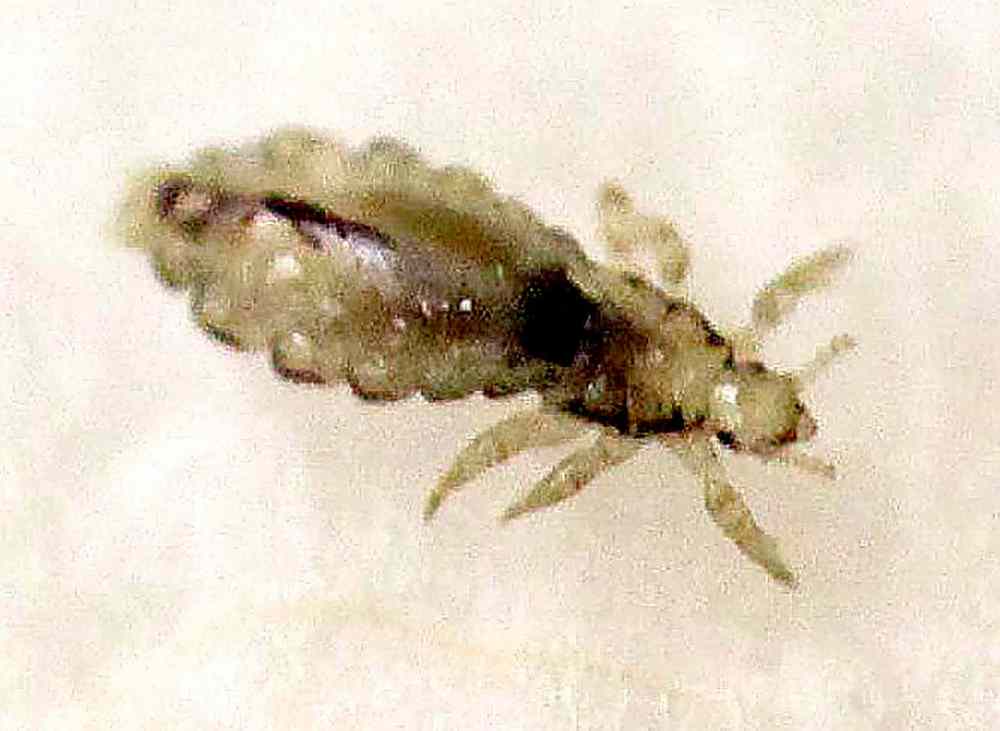
Little wonder. The typical louse, also known as pediculosis capitis, is a six-legged, wingless parasite about the size of a grain of rice (two to four millimetres). They tend to live on the human head by feeding on minute amounts of blood from the scalp.
Anyone can get lice — they tend to spread through head-to-head contact or by sharing combs, brushes or hats. As a result, lice have always been a bit of a problem among children in schools, daycares and community settings where people are in close proximity and head-to-head contact is common.
Historically, outbreaks of lice have been fairly easy to treat, usually with shampoos or products containing chemicals such as pyrethrin, permethrin, lindane or isopropyl myristate/cyclomethicone. That is beginning to change. Over the years, lice have started to develop a resistance to these chemicals, evolving into what some health experts refer to as “super lice.”
As a result, some experts are starting to recommend other products to treat lice, including benzyl alcohol, spinosad (an insecticide) and ivermectin lotion (anti-parasitic medicine). These chemicals are reported to be effective in killing the new breed of lice, but it is also important to note using them may have implications. Ivermectin, for example, is toxic to the nervous system at high doses and if used repeatedly. It is only used on children after the age of five. And spinosad is about 10 times the cost of permethrins/pyrethrins.
So what should you do if you suspect your child has lice?
First of all, don’t panic. People often associate lice with the spread of infectious diseases or lack of hygiene. Neither of these things is true. Yes, lice can cause severe itching and secondary infections from scratching, but otherwise they are harmless.
The next thing is to confirm your child has lice. This can be done by wetting their hair with cream rinse and carefully and thoroughly combing their hair over a towel looking for lice, their eggs or egg casings, also known as nits. Adult lice tend to be light brown and move quickly. Lice eggs are yellow or brown, and are often found at the back of the neck and low down on the hair shaft, although lice and their eggs can be found anywhere on the scalp.
Once you are satisfied your child has lice, the next step is treatment. It is currently recommended you do a thorough combing of their hair with a nit comb and soak the hair in cream rinse or oil that will suffocate the lice. Your pharmacist will help you select the right product for the job.
If the problem persists, talk to your health-care provider or pharmacist about other potential treatments. Many health-care providers will recommend starting with older treatments first and moving to the new ones if necessary. You won’t need a prescription for the older treatments, but you will need one for ivermectin lotion or other newer treatments.
It is important when treating your child to follow the instructions that come with the product. Usually, the instructions will recommend treating the child with the product and then monitoring his or her scalp daily for seven to 10 days before applying a second treatment, if necessary.
Certain items such as pillows, clothing and jackets should either be washed and dried with high heat or bagged for two weeks.
Only treat members of your family with an active case of head lice. If one child has lice, do not treat your entire family. It is important to note the major reason for resistance is a result of use of products when lice are not present. It is also worth noting another reason for resistance is poor compliance with instructions, such as not applying a second treatment seven to 10 days after the first treatment or applying the second treatment too soon.
Dealing with lice and treating them is a sensitive topic, but with careful consideration of the facts and avoiding over-treatment, head lice can be eliminated. Resistance is a real danger when treating head lice. Avoiding common errors can slow the process or even reverse it.
Donna Alden-Bugden, RN(MN), DNP is a family nurse practitioner at the McGregor Quick Care Clinic in Winnipeg.