

Brilliant Vladimir Putin bio traces Russian leader’s rise
Advertisement
Read this article for free:
or
Already have an account? Log in here »
To continue reading, please subscribe:
Monthly Digital Subscription
$1 per week for 24 weeks*
- Enjoy unlimited reading on winnipegfreepress.com
- Read the E-Edition, our digital replica newspaper
- Access News Break, our award-winning app
- Play interactive puzzles
*Billed as $4.00 plus GST every four weeks. After 24 weeks, price increases to the regular rate of $19.95 plus GST every four weeks. Offer available to new and qualified returning subscribers only. Cancel any time.
Monthly Digital Subscription
$4.99/week*
- Enjoy unlimited reading on winnipegfreepress.com
- Read the E-Edition, our digital replica newspaper
- Access News Break, our award-winning app
- Play interactive puzzles
*Billed as $19.95 plus GST every four weeks. Cancel any time.
To continue reading, please subscribe:
Add Free Press access to your Brandon Sun subscription for only an additional
$1 for the first 4 weeks*
*Your next subscription payment will increase by $1.00 and you will be charged $16.99 plus GST for four weeks. After four weeks, your payment will increase to $23.99 plus GST every four weeks.
Read unlimited articles for free today:
or
Already have an account? Log in here »
Hey there, time traveller!
This article was published 23/01/2016 (3746 days ago), so information in it may no longer be current.
Vladimir Putin was born in 1952 and raised as an only child after two older brothers died in the siege of Leningrad during the Great Patriotic War, as the Second World War is called in Russia. He was, according to interviews by author Steven Lee Myers, a “slight” boy, “socially inept,” “petulant,” “impulsive” and “pugnacious.”
Not surprisingly, he was a target of bullies, Myers, the former New York Times Moscow bureau chief, writes at the outset of this Pulitzer-worthy biography of Russia’s increasingly odious president.
Putin’s father, a maimed veteran of the siege, encouraged his bullied son to take up boxing, which he did, but abandoned after his nose was broken. Putin switched to sambo — a Soviet-era martial art. He excelled at sambo, the philosophy and discipline of which “transformed” him into a determined young man whose aspiration, fuelled by a patriotic movie, was to be a Cold War spy — an ambition he realized, serving 16 years in the KGB.
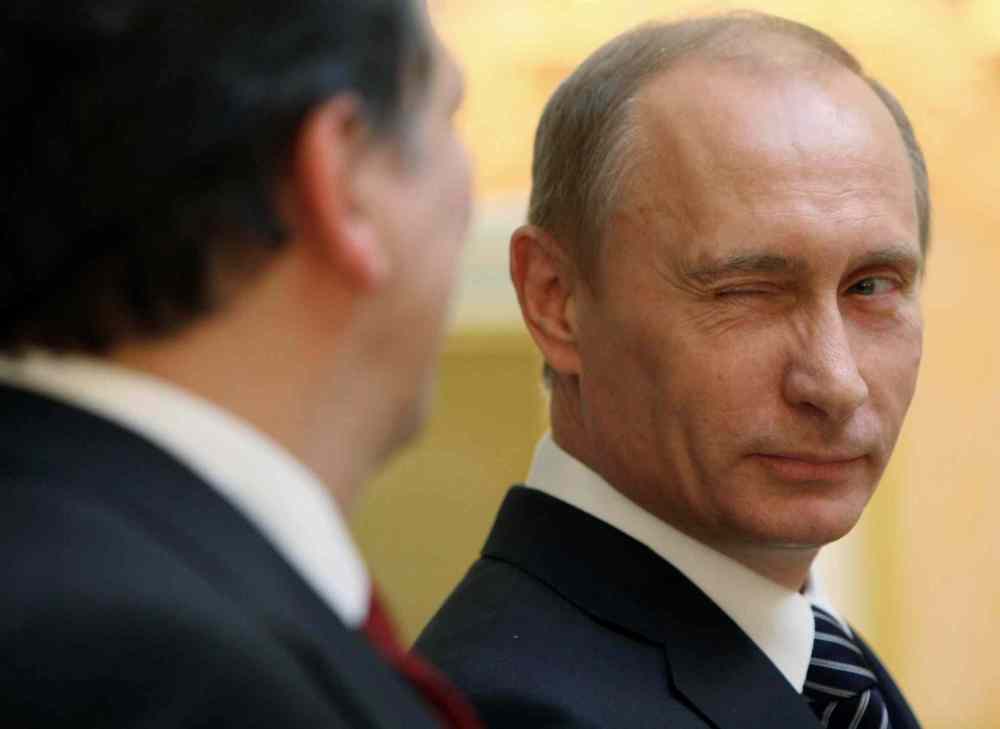
It wasn’t long before the bullied boy became a sambo champion and a bully himself, instigating street fights and humiliating opponents who underestimated him.
And so was set a pattern that continues — Putin remains small, socially-inept, impulsive and pugnacious. But as his Russian rivals and world leaders have learned, they underestimate him at their peril.
In 2013, for example, Myers tells us how U.S. President Barack Obama cancelled a summit meeting over a host of inflammatory actions by Putin, including giving asylum to American fugitive Edward Snowden, passing a law to prevent American adoptions of Russian orphans and another to outlaw “homosexual propaganda.”
The White House believed it was denying Putin the attention he “craved” from America. Obama went so far as to describe Putin, in familiar terms, as being sullen and insolent — “He’s got that kind of slouch,” he said.
Putin took the snub in stride. Two weeks later, the Assad regime used sarin gas on Syrian civilians, a crime Obama had warned would lead to U.S. intervention in the Syrian civil war. The threat was an ill-advised bluster, and a desperate Obama was forced to accept help from Putin, who defused the crisis by arranging for Syria to turn its chemical weapons over to Russia for destruction.
Then Putin delivered his revenge cold — an op-ed in the New York Times denouncing the U.S. as a warmonger and threat to international law and security.
Obama was made to look foolish — a sabre-rattling paper tiger. Putin, meanwhile, was hailed as potential Nobel Peace Prize candidate and was called the “leader of the free world” by American blogger Matt Drudge.
One year later, “the leader of the free world” was waging undeclared war in Ukraine, denying Russians had shot down an airliner killing hundreds and annexing Crimea.
Putin does these things, Myers writes, because he is obsessed with the idea of restoring “the glory and respect that Russia had when he was a boy.” Chillingly, Myers adds, he also has done it “because he could.”
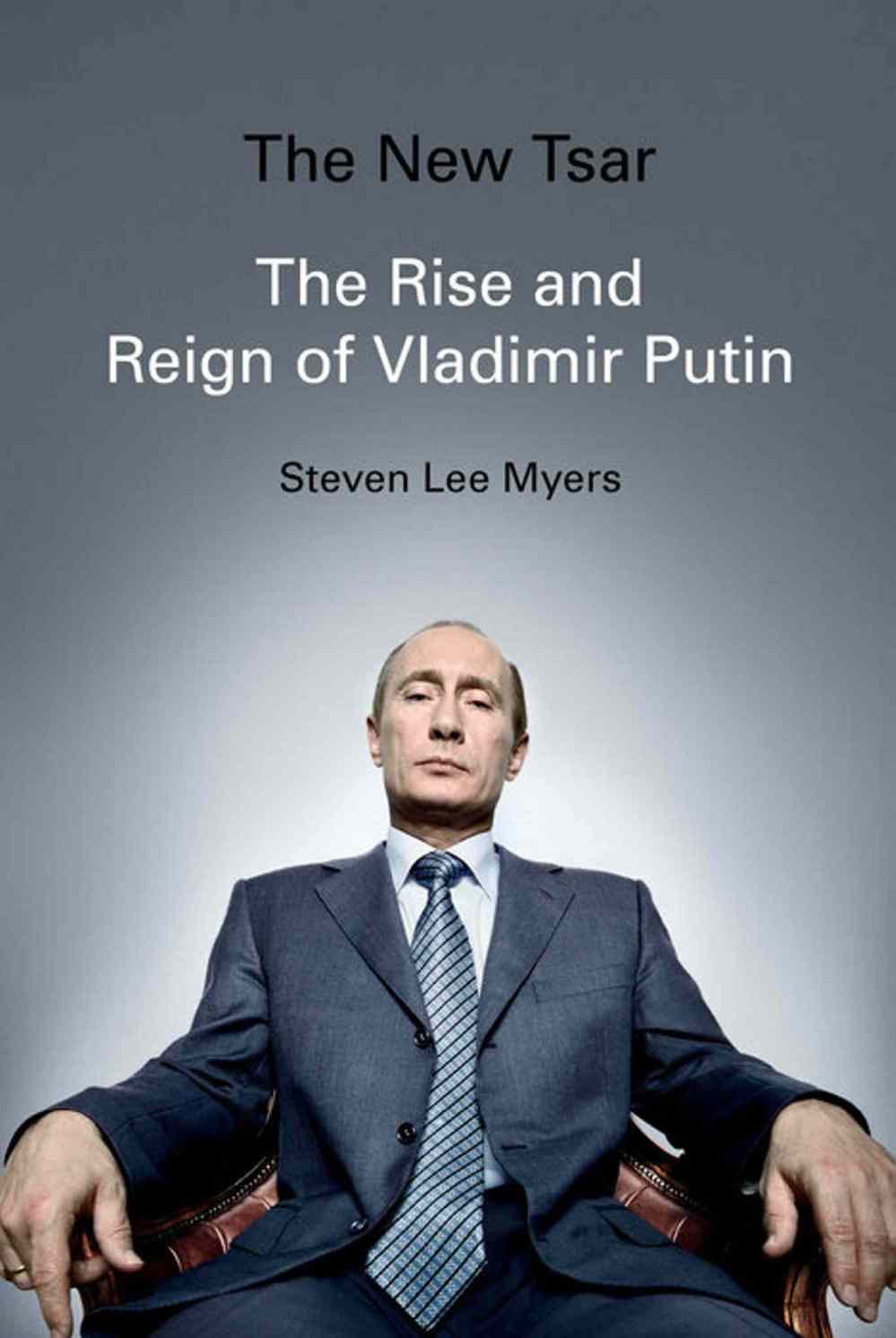
But these are only some recent steps in Putin’s climb from obscure poverty to undisputed “tsar of a simulated democracy.”

And as unlikely as his path might seem, Myers shows that it was not unlikely at all to those who know him best — a band of lifelong and increasingly rich cronies — or those who opposed him before they were co-opted, exiled, imprisoned, crushed or assassinated.
There is so much blood in Putin’s wake, so much corruption as a result of his machinations and so much justice denied in the name of law and order it’s a wonder he prevails with a Russian approval rating of 85 per cent and is likely to continue to dangerously lead until at least 2026, long after ineffectual finger-waggers in western democracies have left the field.
How he does it, and how he did it without leaving more than traces of incrimination, is what makes Myer’s exhaustive research and plain writing so wickedly revealing, especially to moralists who underestimate how cold, ruthless and calculating Putin really is.
Gerald Flood is a former Winnipeg Free Press comment editor.