

Harbouring habitat
Duck hunters support wetland conservation with variety of initiatives
Advertisement
Read this article for free:
or
Already have an account? Log in here »
To continue reading, please subscribe:
Monthly Digital Subscription
$1 per week for 24 weeks*
- Enjoy unlimited reading on winnipegfreepress.com
- Read the E-Edition, our digital replica newspaper
- Access News Break, our award-winning app
- Play interactive puzzles
*Billed as $4.00 plus GST every four weeks. After 24 weeks, price increases to the regular rate of $19.95 plus GST every four weeks. Offer available to new and qualified returning subscribers only. Cancel any time.
Monthly Digital Subscription
$4.99/week*
- Enjoy unlimited reading on winnipegfreepress.com
- Read the E-Edition, our digital replica newspaper
- Access News Break, our award-winning app
- Play interactive puzzles
*Billed as $19.95 plus GST every four weeks. Cancel any time.
To continue reading, please subscribe:
Add Free Press access to your Brandon Sun subscription for only an additional
$1 for the first 4 weeks*
*Your next subscription payment will increase by $1.00 and you will be charged $16.99 plus GST for four weeks. After four weeks, your payment will increase to $23.99 plus GST every four weeks.
Read unlimited articles for free today:
or
Already have an account? Log in here »
Hey there, time traveller!
This article was published 06/02/2016 (3738 days ago), so information in it may no longer be current.
Most folks have a pretty good idea hunters put extra time and money into supporting habitat conservation, whether it’s putting up a duck nesting box or supporting a fundraising dinner.
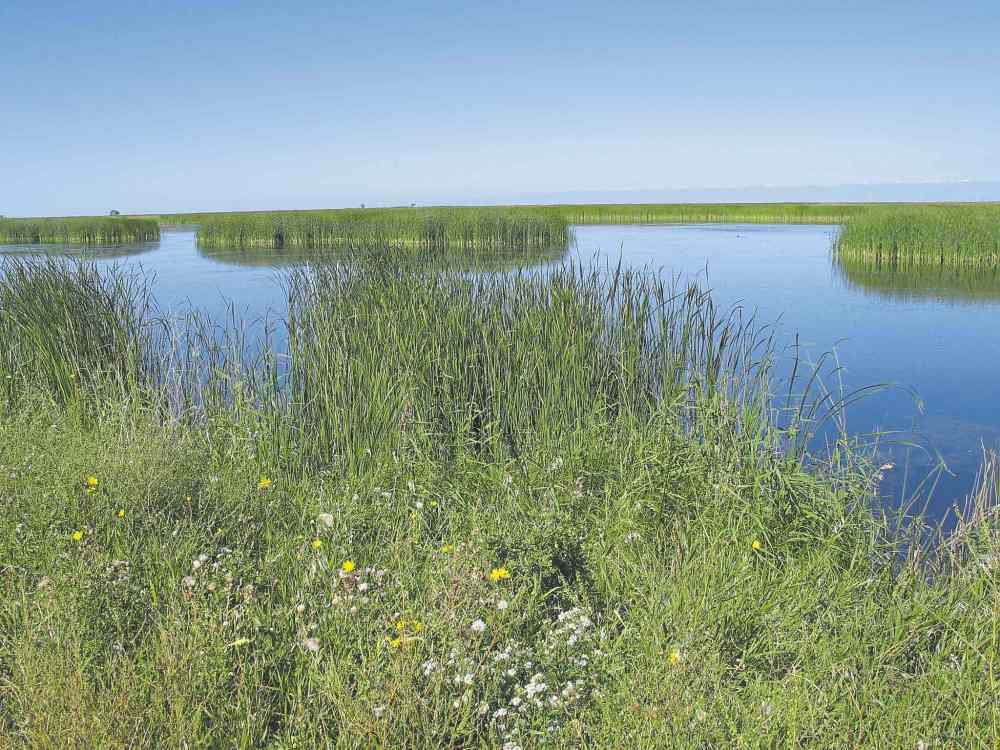
But if, as they say, you’re from Missouri and are thinking, “prove it!”, I have a home-grown example. A long-running partnership between the Delta Waterfowl Foundation and the Manitoba Habitat Heritage Corporation (MHHC) has brought more than $10 million into this province for prairie pothole wetland habitat conservation. That funding has gone to incentives for farmers and other landowners to permanently protect more than 60,000 acres of habitat (an area more than seven times the size of Birds Hill Park).
This good work begins with the Delta Waterfowl Foundation, a continent-wide charitable organization dedicated to furthering the cause of waterfowl conservation and waterfowl hunters.
Active for more than 75 years, its roots are anchored in the fertile ooze of Delta Marsh on the south end of Lake Manitoba. From those modest beginnings, the organization grew in size and importance to the point where, today, Delta is active across the U.S. and Canada, supporting research, policies and programs that conserve waterfowl and advance the tradition of waterfowling.
Delta’s presence in the United States and Canada allows it to be a broker of sorts for waterfowl conservation. While most waterfowl hunters are found in the U.S., most waterfowl are produced in the Canadian prairies. That relationship has produced a number of funding opportunities in the United States, from dedicated waterfowlers on up to the U.S. federal government, which Delta has been able to tap into and bring home to Manitoba.
Tim Sopuck, CEO of MHHC says: “Since 1999, Delta has raised U.S. funds specifically for waterfowl habitat conservation in our Keystone province. We call this joint program Potholes Plus.”
This is where Manitoba Habitat Heritage Corporation comes in. Established in 1986 by an act of the provincial legislature, MHHC conserves and restores habitat. It has a network of experienced staff and has made an impact on more than 325,000 acres of habitat since being formed, but funds are always an issue.
Jim Fisher, director of conservation policy says Delta and MHHC have teamed up in a simple, but effective way.
“Delta finds U.S. funds that MHHC could not otherwise access, and MHHC turns that opportunity into conservation projects on the ground here in Manitoba.”
Sopuck has been known to say, “When you do this stuff, you can’t just raise ducks!” While this conservation is driven by an interest in waterfowl, more than 125 species of birds, 16 species of mammals and 24 species of reptiles and amphibians have been shown to also benefit by the conserved wetlands and associated habitats.
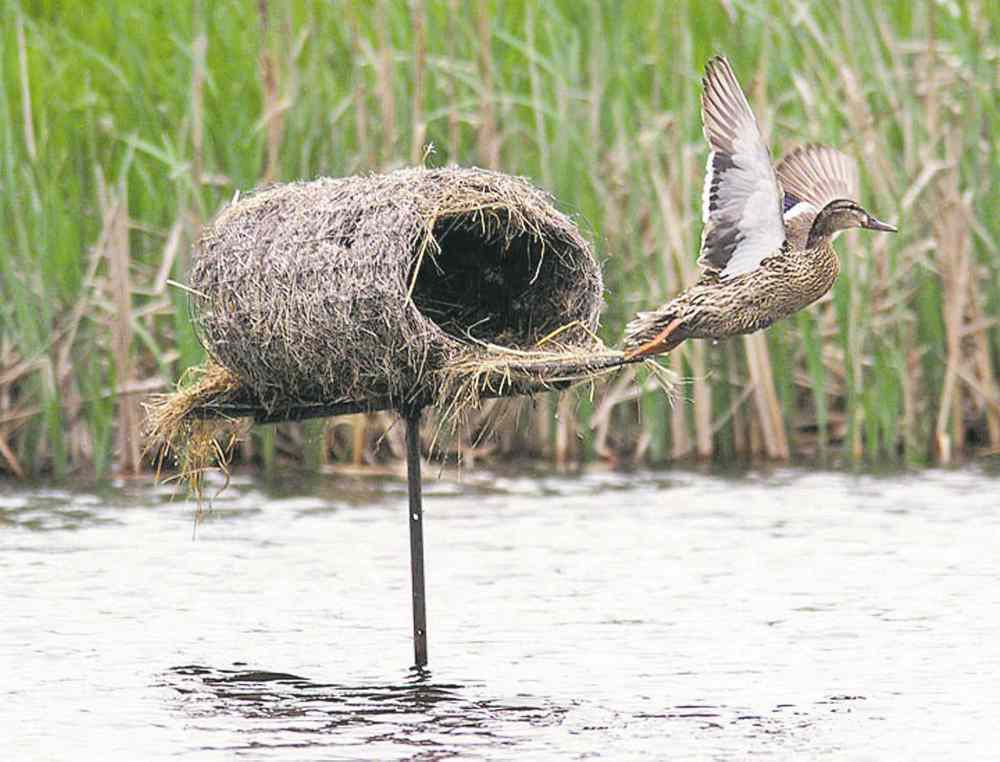
I am going to contradict my old friend, but just a bit. That’s because Delta Waterfowl goes the extra mile by sprucing up project areas with hen houses, structures that can raise hatch rates for a nesting duck tremendously.
All said and done, that’s quite a conservation package: prairie potholes that benefit all kinds of wildlife as well as hen houses that help to kick up duck production. Delta Waterfowl and MHHC manage close to 3,000 hen houses in Manitoba.
QUICK SHOTS:
Whether you love waterfowl or you just love to see the bounty of nature expressed in a wetland conservation project, think about attending Delta Waterfowl’s annual Winnipeg fundraising dinner Feb. 11 at the Caboto Centre (204-956-7766 for details). Untold numbers of mallards, marsh wrens, muskrats, frogs, salamanders and garter snakes will thank you.
Rob Olson is the managing director of the
Manitoba Wildlife Federation.