Rocker had change of tune
Found success as artist, then agent
Advertisement
Read this article for free:
or
Already have an account? Log in here »
To continue reading, please subscribe:

Digital Subscription
One year of digital access for only $205*
- Enjoy unlimited reading on winnipegfreepress.com
- Read the E-Edition, our digital replica newspaper
- Access News Break, our award-winning app
- Play interactive puzzles
*First annual payment billed as $205.00 + GST for one year. This annual subscription will automatically renew at $233.00 + GST every 52 weeks (10% off the regular annual price of $259.35). Offer available to new and qualified returning subscribers only. Cancel any time.
To continue reading, please subscribe:
Add Free Press access to your Brandon Sun subscription for only an additional
$1 for the first 4 weeks*
- Enjoy unlimited reading on winnipegfreepress.com
- Read the E-Edition, our digital replica newspaper
- Access News Break, our award-winning app
- Play interactive puzzles
*Your next Brandon Sun subscription payment will increase by $1.00 and you will be charged $17.95 plus GST for four weeks. After four weeks, your payment will increase to $24.95 plus GST every four weeks.
Read unlimited articles for free today:
or
Already have an account? Log in here »
Hey there, time traveller!
This article was published 14/02/2016 (3857 days ago), so information in it may no longer be current.
I first met Ralph James in the locker-room of the River Heights Cardinals 12-man football program in fall 1965. I had been playing six-man football for several years at my local community club, Crescentwood, but decided to try my hand at the real deal.c
Ralph was in junior high at J.B. Mitchell School, and I was at Grant Park High School. Ralph was a rock-solid lineman, while I played in the defensive secondary. He was a very popular guy among his teammates. I can’t recall if we ever talked music, but I think I knew he played guitar, as did I. He also had the longest hair of anyone I knew at that time.
Ralph’s father, Doug, had been a mechanical engineer in the aircraft industry in Toronto. He had worked on the legendary Avro Arrow jet plane for A.V. Roe and Orenda Engines, but after the federal government shut down the project in 1959, he moved to Winnipeg and took a job at Dominion Bridge. Doug James later managed the Selkirk Rolling Mill. The family lived on Borebank Street south of Grant Avenue in River Heights. Ralph was the middle child between older brother, Carl, and Ian, the baby of the family.
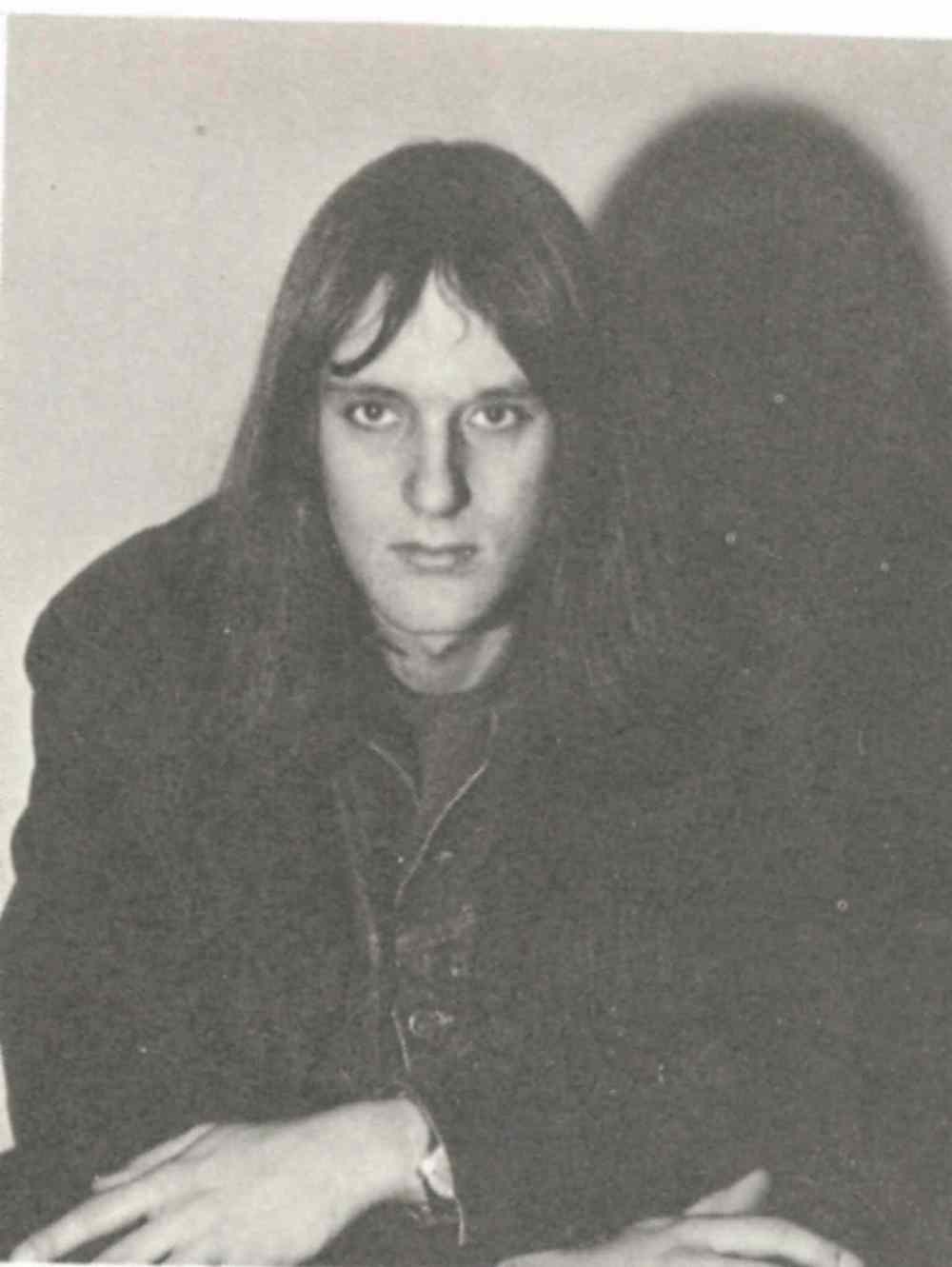
“I don’t remember Ralph having musical inclinations early on,” says brother Carl, “but the British Invasion sure got us excited about rock ‘n’ roll.”
Ralph started playing guitar. He and his school friends Garth Meacham and Rod McKenzie formed their first band, the Days and Nights, in 1966, rehearsing in Ralph’s basement or Rod’s garage.
“Ralph’s mom didn’t like Rod, but she liked me,” chuckles Meacham. “So if I was there it was OK because I was a good boy.”
Ralph and I met up again in fall 1967 when he came over to Grant Park for Grade 10. By then he knew I played guitar, as I had been fooling around with a few neighbourhood bands. He approached me in the halls one day and asked if I would like to try out for his band, Offtimes As Such. Their lead guitarist wasn’t cutting it. The following week, bass player Craig Sinkwich pulled up to our house in an old two-tone Oldsmobile with Ralph and singer Meacham. We managed to load my Garnet amplifier and Fender Telecaster guitar into the back seat, and off we went to Christ Church on Corydon Avenue at Lanark Street in River Heights.
I remember being impressed by the setup the band had. No basement rehearsals for these guys; they had a proper stage with curtains and were able to store their gear in locked compartments below the stage. When it came time for rehearsals, they just rolled their gear out on wheelies from under the stage, and off they went. The band pretty much had the run of the church hall, which also included a fully equipped kitchen. And if you got bored, you could shoot baskets on the gym floor.
I plugged in my amp and proceeded to play something by Jimi Hendrix or Cream. Apparently, I was more in tune with the current sounds than they were.
“You were the loudest guitar player I had ever heard,” laughs Ralph. “Even by today’s standards you would be loud. I loved it.”
I passed the audition, and for the next year the Christ Church hall became my second home and our exclusive clubhouse. When not in school, we spent all our time there working on songs or just hanging out.
“It was such a wonderful time,” says Meacham.
‘I’ve never been a greed-motivated person. People who are like that are miserable.
I still get excited about a new, young band’
— Ralph James
“We were like brothers and did everything together. For us, it wasn’t about girls and partying yet, it was all about the music. We lived for the music. That was the common bond we had. And what is amazing is that we’re all still friends 50 years later.”
In an ironic twist not lost on Ralph, he was married in that same church by the minister, Rev. Canon Jack Ayers, who had given us the run of the place so many years before.
I took on the lead guitar role, with Ralph playing what Meacham used to call “silent rhythm” guitar. By his own admission not a great guitar player, Ralph nonetheless was diligent in improving. I recall him spending hours trying to perfect the guitar chording to Moby Grape’s Omaha as well as intricate rhythm parts in Ugly Ducklings songs.
“Ralph had a special charisma and a magnetism,” says Meacham. “He looked like a rock ‘n’ roll guy back then, with his long hair.” Ralph and I ran afoul of Grant Park’s principal, Mr. McFarlane, over our hair length. I’m not sure how Ralph’s father responded, but mine told McFarlane as long as my marks were good, what difference did my hair make? No haircuts were required.
“We were one of the first psychedelic bands playing Hendrix and stuff like that, plus we had our own light show,” says Meacham.
“Not many bands had a good lead guitarist who could play that stuff. We were a decent band and always went over well.”
Our big step up came when Dennis (the Gear) Lind introduced himself to us and offered to build us a light show with strobe lights. He also created what we called our electric walls, two 8×10 wood frames with bedsheets nailed to them that were spray-painted with psychedelic designs. We transported these to gigs on the top of our vehicles, holding onto them with our hands out the windows. Lind would set them up on either side of the band and put coloured lights behind them. We played community clubs and high schools throughout the city, lugging our walls wherever we went.
When Sinkwich left the band, Ralph decided to fill the bass role. One Saturday morning in summer 1968, Ralph and I walked from his house across the St. James railway bridge to the Yamaha music store on Portage Avenue near Omand’s Creek. Ralph had $90, enough to purchase a Japanese Pan bass guitar but not enough for a case. We carried it back to Ralph’s basement in a cardboard box. I showed him the standard Guitar Boogie bass line, and the rest was up to him. Like everything else in his life, Ralph worked hard on mastering the bass guitar.
I moved on to play in the Pawnbrokers, who then became the SRO, but still kept in touch with Ralph at school. We played together a couple of times, including a pep rally onstage at Grant Park. To the surprise of many of us, and likely the school administration as well, Ralph was voted school president for the 1969-70 school year. He took the role very seriously.
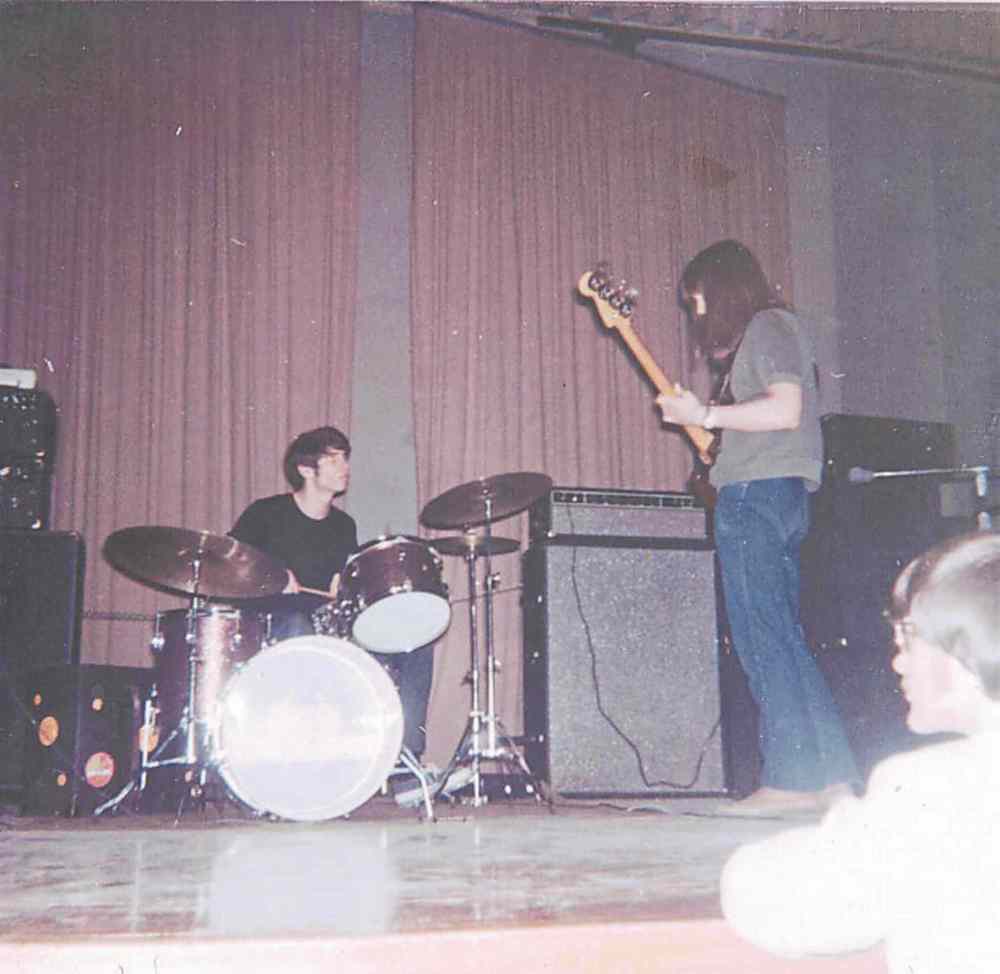
That fall, Ralph had hooked up with Grant Park student Jon Hannah, who had recently emigrated from the United Kingdom, and the two invited me to jam with them at drummer Rod McFayden’s basement on Campbell Street just off Corydon. With Greg Baert on harmonica, they were now deep into John Mayall/Savoy Brown/Fleetwood Mac-style electric blues, and I promptly joined up. Hannah came up with the name Pig Iron, and we were soon booked every weekend, playing dances as well as coffeehouses with our loud, exciting blues set. Hannah and I shared lead guitar duties, while Ralph and McFadyen nailed down the beat. By then, Ralph had become a pretty decent bass player.
“Ralph always represented to me the image of the cool, reserved bass player who kept a strong, steady bottom end going at all times,” says McFadyen, “but was able to notch it up and visibly get into it when the whole band was just cooking. We really locked in together. But we could not have really looked much different from each other, me a student at a Catholic boys school required to maintain a near military-length haircut, and Ralph with his straight, shoulder-length hair, the image of the ’60s rock star.”
When not gigging, we would spend countless hours in Ralph’s parents’ basement listening to records and sharing our musical dreams. After these basement all-nighters, we would pile into someone else’s car (none of us could drive yet) and head all the way to Nairn Avenue, where the only McDonald’s restaurant was located, to chow down on a breakfast of cheeseburgers and fries. (Ralph is severely allergic to mustard, so it was imperative his burgers be mustard-free).
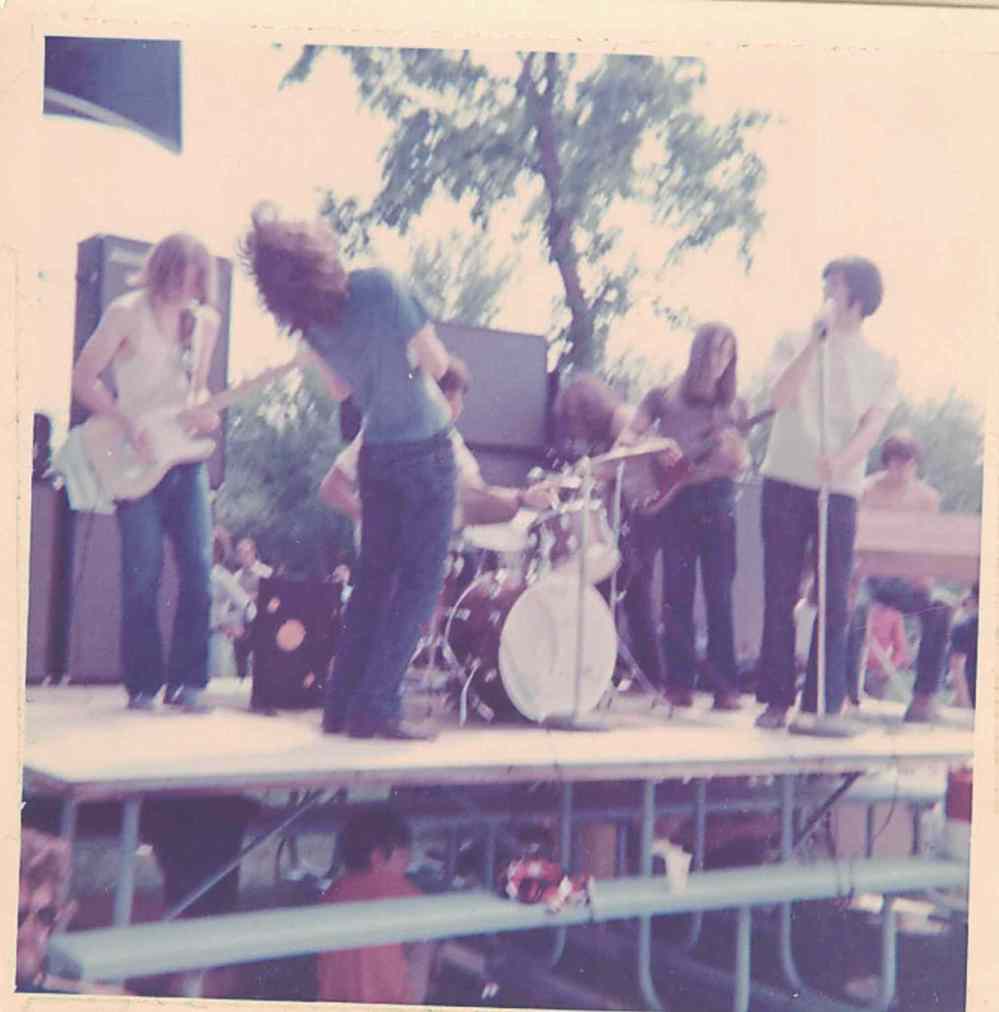
In early 1970, Hannah left Pig Iron to play bass in Chopping Block. We recruited Peter Valentine on piano and vocalist Fred Dugdale and continued gigging every weekend. On the May long weekend in 1970, we were booked to play the Niverville Pop Festival, but torrential rain shut down the outdoor event just before we were set to go on. Our last gig together was at the Love-In festival at Assiniboine Park in June.
After that, I went on to play in Euphoria, followed by Fabulous George & the Zodiacs and Red Ryder, all the while attending the University of Manitoba. Ralph was determined to make music his career. After a short stint with Moon, Ralph joined Hannah, now back on guitar, in Chopping Block before moving on to Blakewood Castle and playing on that band’s final recording, Farmer’s Daughter. I joined Blakewood Castle after the two had left.
Hannah took off for Toronto, where he played in a band called Harlequin. Ralph soon joined him, but when that band broke up, the two came back to Winnipeg to assemble a new Harlequin with drummer Dave Budzak and school friend Gary Golden on keyboards and guitar. Hannah did not last long, ultimately joining Streetheart. Leroy Hawk (a.k.a. Laurie Koyle, younger brother of another school chum, Marty Koyle) joined on guitar. He was later replaced by Glen Willows.
“With Harlequin, it was ‘Go big or go home,'” says Ralph. “We had a vision of what we wanted to do and what we needed to do. Being from Winnipeg, the Guess Who was our role model. We felt we had a shot. We became like the little engine that could.”
With manager Eric Green handling the bookings and Ralph and Budzak taking care of things on the road, Harlequin played every one-horse town in Western Canada.
“Our sets often depended on the harvest,” says Ralph. “Sometimes we wouldn’t start until the guys came in from the fields at 2 a.m.”
When the band realized they needed a frontman, Ralph suggested ex-Fifth and Next singer George Belanger.
“We felt so confident about what we were doing that we had the nerve to approach George,” says Ralph.
“The first time I saw Ralph was with Pig Iron at the Pink Panther in Transcona,” says Belanger, who continues to perform with Harlequin today.
“I knew he was going to be somebody. Ralph’s the reason I joined Harlequin. I had confidence in him. He had a work ethic and a route he wanted to go. I wanted to write songs, and that’s what the band wanted.”
Ralph was the guy in charge in Harlequin, Belanger says.
“His business savvy was second to none. He was focused, smart and always told the truth. Ralph has a gruff exterior, but underneath is a heart of gold.”
In the early 1980s, Harlequin played the Morden Recreation Centre. I was teaching high school in Morden, and Ralph called me a few days before the gig to ask if I’d like to join them onstage. I declined (a decision I regret) but visited with him and the band members backstage before and after the show.
Signed to Epic records, Harlequin released a string of platinum albums and hit singles, all the while becoming one of the hardest-working bands in Canada, touring relentlessly both here and in the United States.
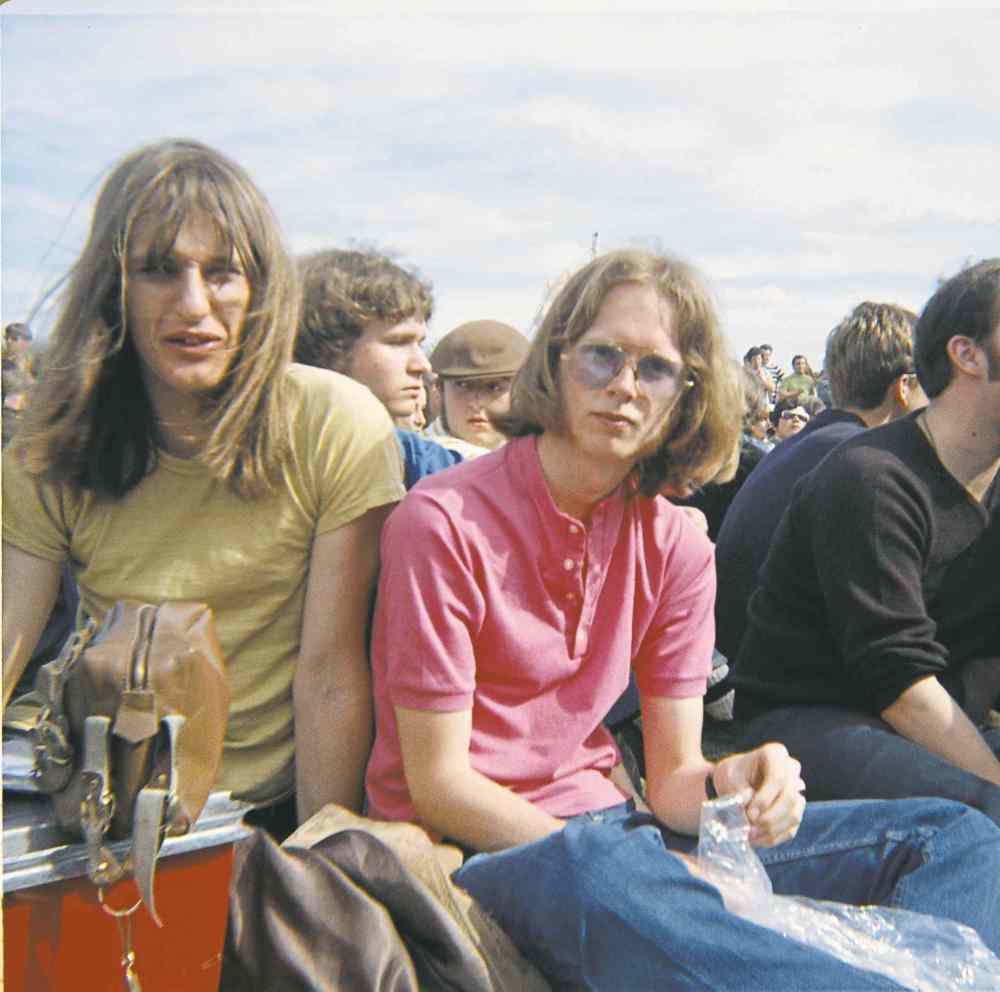
“We were playing arenas in the States, opening for Triumph and April Wine,” says Ralph.
“We were young and living the rock-star life.”
The band headlined a huge rock festival in Puerto Rico, where their records were No. 1, followed by a headlining gig in Venezuela.
“It was mind-boggling for a bunch of kids from Winnipeg.”
But the reality was more sobering. Expensive cover art and production costs meant the band saw little money from their records. Despite a solid effort, Harlequin failed to gain a toehold in the lucrative American market.
“We really worked hard to crack the States, but the music that was happening at the time wasn’t the music we were doing,” Ralph says.
For Ralph, the road was becoming an endless grind. He had been at it for 14 years.
“I loved the music, and I loved the guys, but I just didn’t love doing this anymore. I felt that I had accomplished what I wanted to accomplish. I didn’t see it getting past that. It was time to get into the business side. I learned a lot of lessons from Harlequin that served me well when I moved to the other side of the desk as an agent. In fact, many of the promoters I was now dealing with had booked Harlequin back in the day.”
He remains unequivocal in his appreciation for all those who helped the band along the way. “The guys at 92 CITI FM were phenomenally supportive of us, as well as a lot of Winnipeg businessmen and lawyers.”
“I am proud of what we did in Harlequin,” says Ralph.
“The best songs we wrote still sound good today because they were recorded properly.”
Ralph spent four years with the Hungry I Agency in Winnipeg, booking local bands including the Watchmen.
“What set Ralph apart from other agents,” says co-worker Shelley Dufault, “was that he always looked out for the musicians. He went to bat for them first and foremost because he had been there. He was also a stubborn perfectionist because it was his name on the contracts.”
Ralph then moved to Toronto to work with the Agency before helping to form the Agency Group Canada, turning it into one of the most successful booking agencies in the country. Ralph’s own successes include Billy Talent, Three Days Grace, Marianas Trench and Nickelback, whose career he built from scratch into one of the top-grossing bands in the world. When Nickelback was honoured at the Juno Awards a few years back, the first person they thanked was Ralph. He is the only agent inducted into the Canadian Music Industry Hall of Fame. In 2015, the Agency Group Canada was purchased by leading Hollywood talent and literary agency United Talent Agency (UTA), giving it worldwide prominence and access.
“Ralph James is regarded as not only one of the leading agents in Canada but in the world,” says veteran music journalist Larry LeBlanc, now senior editor at Celebrity Access.
“I’ve been as far as rural South Africa for the annual Oppikoppi festival only to be asked, ‘You’re from Canada? Do you know Ralph James?’ As much as Ralph is a global music-industry superstar, I still think of him being that kid from Winnipeg. He has Winnipeg values of having a strong work ethic, immense loyalty and low-key determination that have guided his career path.”
“I still love working,” says Ralph.
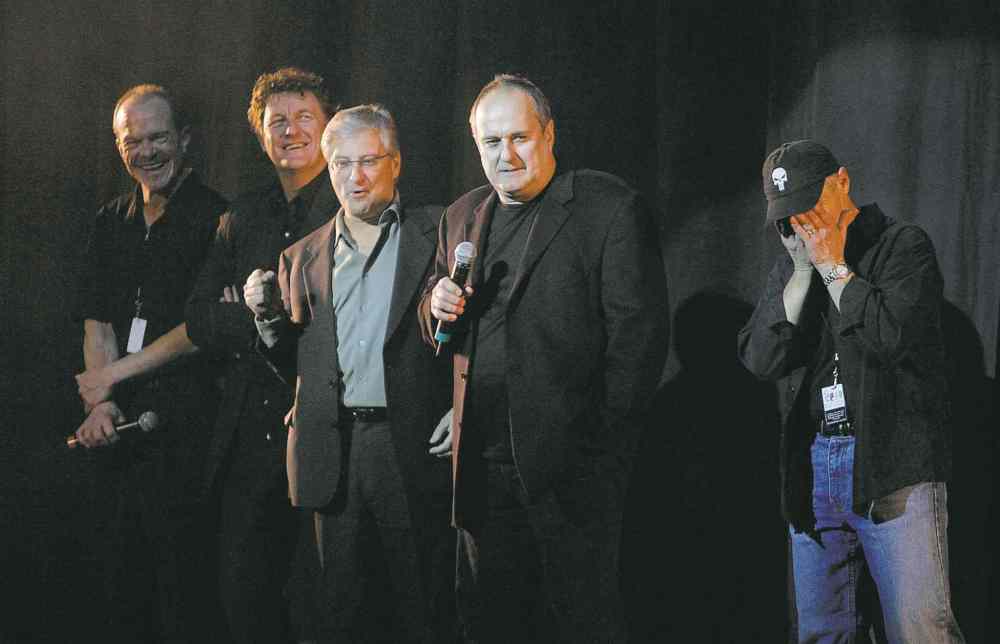

“I have about 40 clients that I look after. I’ve never been a greed-motivated person. People who are like that are miserable. I still get excited about a new, young band. Recently, I was on Deep Purple’s private jet with them, and I flashed back to when we were listening to their first album in my basement. A now, here I was on their jet with them.”
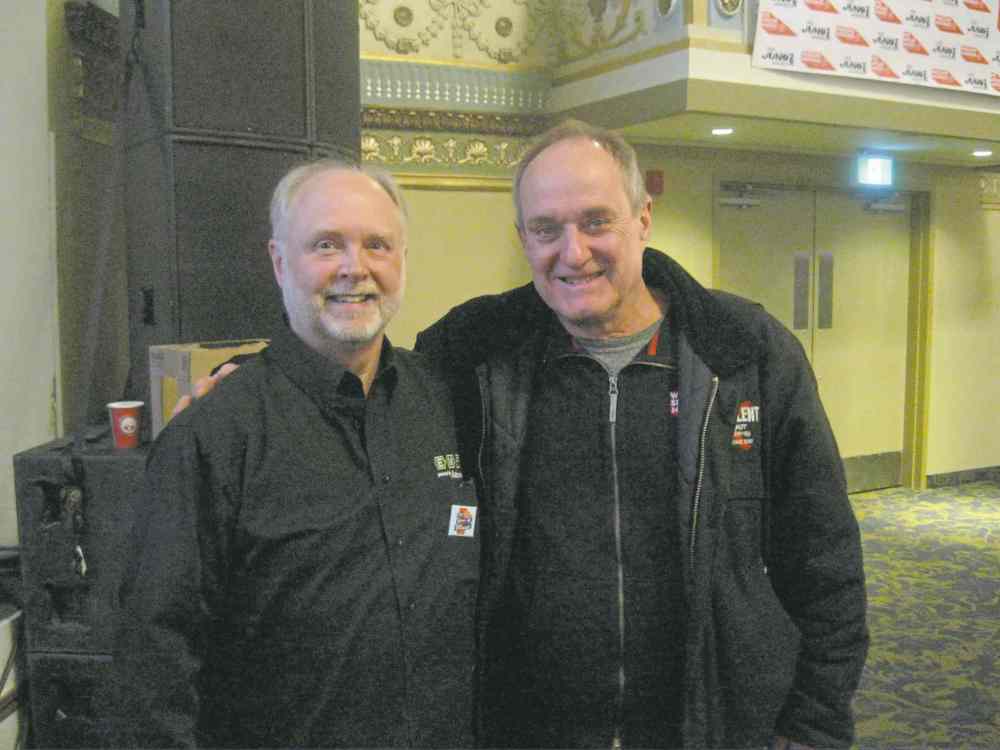
During the JunoFest prelude to the Juno Awards in Winnipeg in 2014, I did a presentation on the history of Manitoba music at the restored Metropolitan Theatre. Ralph dropped by and stayed for the entire two-hour session. It had been a couple of decades since we’d been together, but when we chatted afterwards, it was like no time had passed.
Although we shared the same dreams as teens, Ralph James dared to reach for the stars… and he made it.
Sign up for John Einarson’s Women of Rock course at info@mcma.ca.
History
Updated on Sunday, February 14, 2016 11:16 AM CST: Changes Canadian Music Week reference to JunoFest.