Remembering Vimy Ridge
Army cadets honour soldiers
Advertisement
Read this article for free:
or
Already have an account? Log in here »
To continue reading, please subscribe:
Monthly Digital Subscription
$1 per week for 24 weeks*
- Enjoy unlimited reading on winnipegfreepress.com
- Read the E-Edition, our digital replica newspaper
- Access News Break, our award-winning app
- Play interactive puzzles
*Billed as $4.00 plus GST every four weeks. After 24 weeks, price increases to the regular rate of $19.95 plus GST every four weeks. Offer available to new and qualified returning subscribers only. Cancel any time.
Monthly Digital Subscription
$4.99/week*
- Enjoy unlimited reading on winnipegfreepress.com
- Read the E-Edition, our digital replica newspaper
- Access News Break, our award-winning app
- Play interactive puzzles
*Billed as $19.95 plus GST every four weeks. Cancel any time.
To continue reading, please subscribe:
Add Free Press access to your Brandon Sun subscription for only an additional
$1 for the first 4 weeks*
- Enjoy unlimited reading on winnipegfreepress.com
- Read the E-Edition, our digital replica newspaper
- Access News Break, our award-winning app
- Play interactive puzzles
*Your next Brandon Sun subscription payment will increase by $1.00 and you will be charged $17.95 plus GST for four weeks. After four weeks, your payment will increase to $24.95 plus GST every four weeks.
Read unlimited articles for free today:
or
Already have an account? Log in here »
Hey there, time traveller!
This article was published 09/04/2016 (3683 days ago), so information in it may no longer be current.
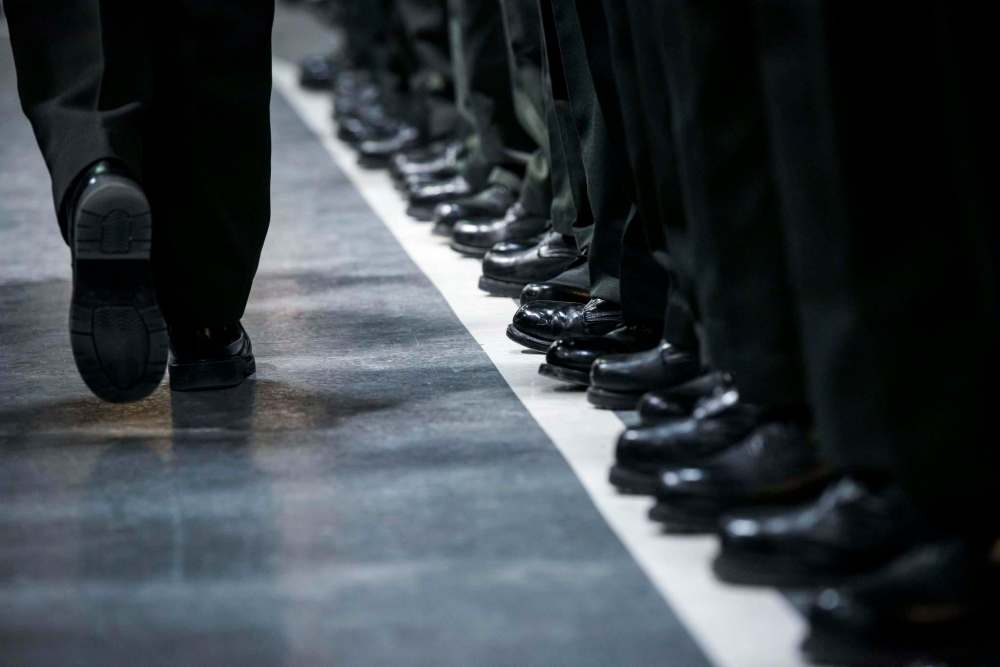
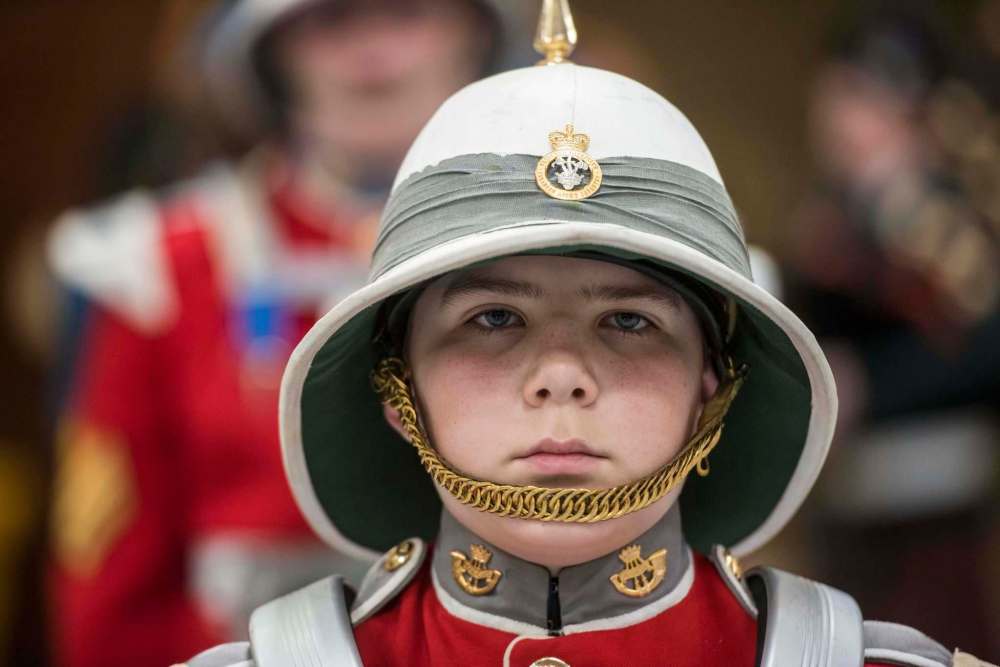
Army cadets from across Manitoba paid tribute Saturday to Canada’s sacrifices in the First World War on the 99th anniversary of the Battle of Vimy Ridge.
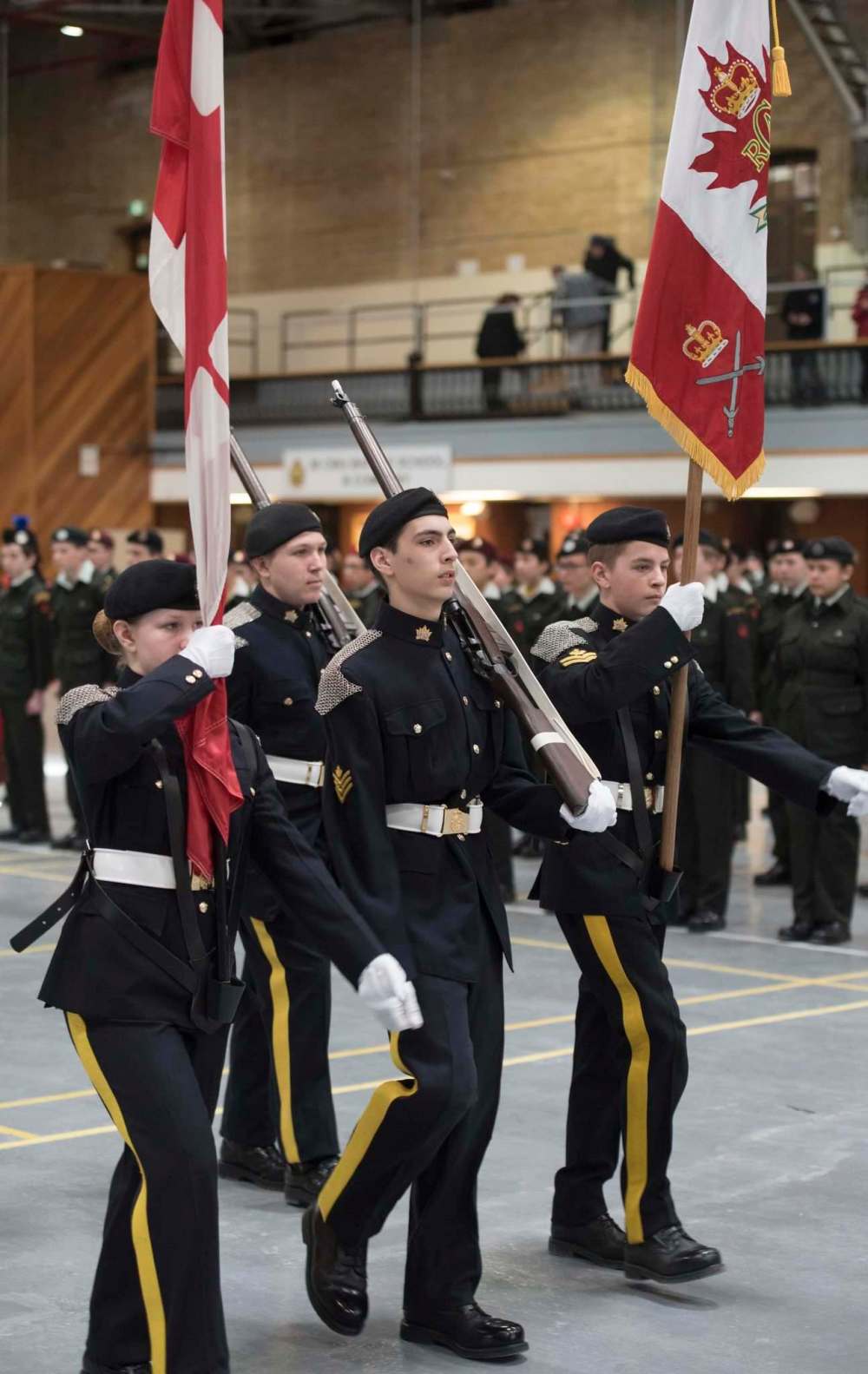
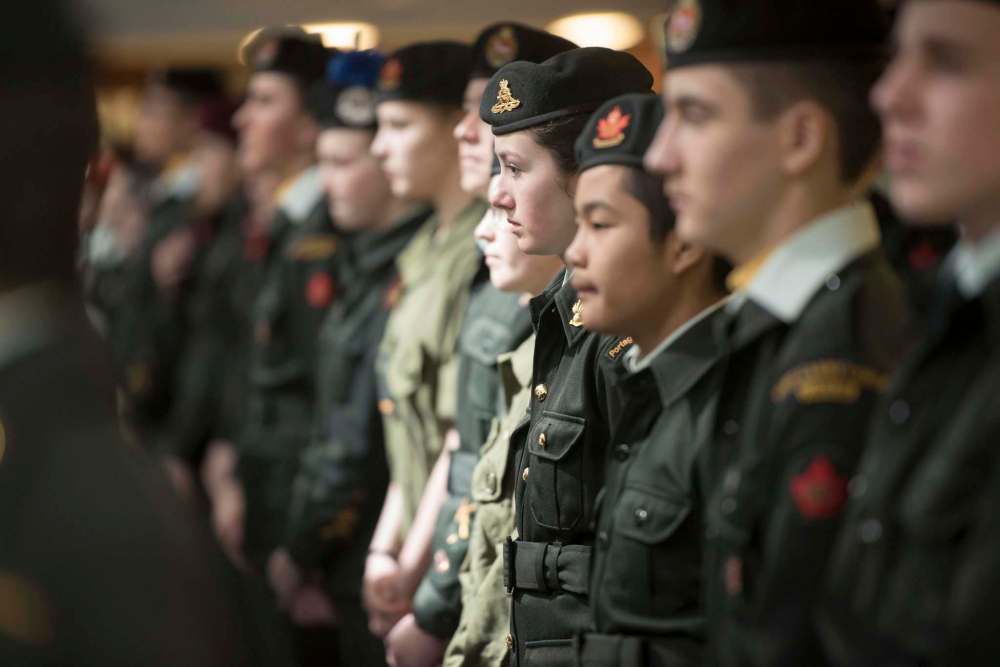
The 250 cadets — students in military training — came from Morris, Flin Flon, Pimicikamak First Nation and Winnipeg. They assembled at Winnipeg’s Minto Armoury to troop their colours and present themselves for a formal inspection.
Winnipeg Rifles honorary Col. Barry Burns hired a Beaver Bus Lines coach at his own expense as a donation to the cause and headed to Morris at 4:30 a.m. to pick up 40 of the cadets and ensure their participation.
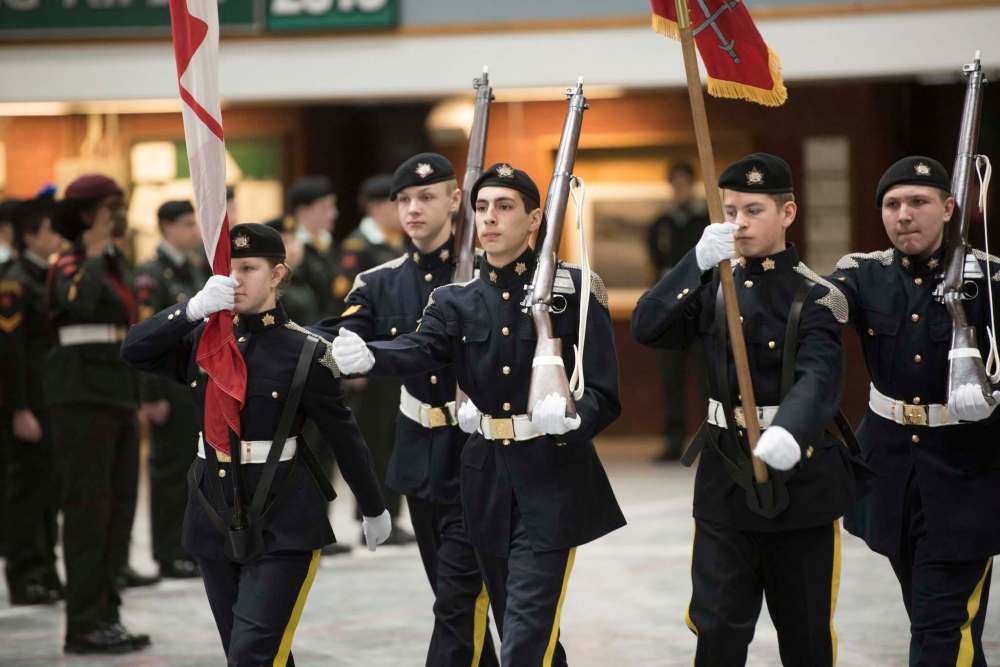
The event is a highlight of the army cadet year, and it marked the sixth anniversary of the event by the Manitoba branch of the Army Cadet League of Canada.
The military has a tradition of marking such occasions. The country’s sea cadets observe the Battle of the Atlantic and air cadets the Battle of Britain, both from the Second World War. The army cadets adopted the Battle of Vimy Ridge after the last Canadian First World War veteran died in 2009.
“It gives the cadets a historic event to commemorate and to appreciate the values of the cadet corps and to emulate them,” said retired Maj. Paddy Douglass, the president of the army cadet league in this province.
Among the dignitaries present was the son of a man who fought at Vimy Ridge and Passchendaele, another key battle that exacted horrendously high costs in casualties for First World War Canadian soldiers in the mud trenches of Belgium.
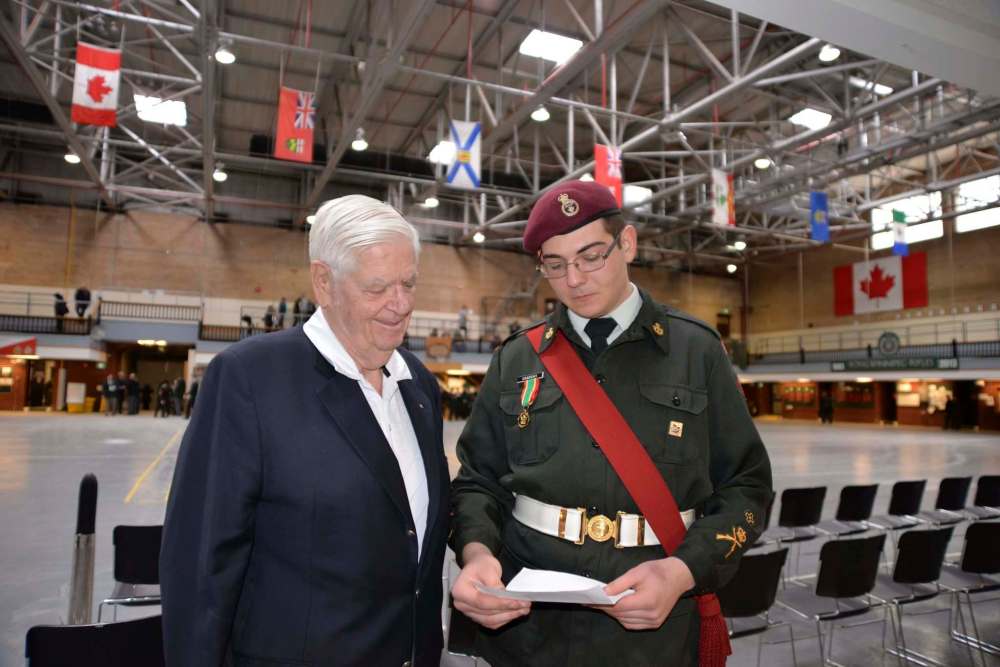
Ron Anderson had a copy of his father’s battle orders tucked into his blazer pocket. The four-bullet order instructed troops to “kill Germans, capture prisoners, destroy enemy mine shafts and dugouts and collect information.”
“These are the battle orders for the 78th battalion of the Winnipeg Grenadiers. My father was a private, Gordon Anderson, 21, when he got these orders,” Anderson said.
Showing them to one cadet mustering for the parade, the two shared a moment. The original orders are in the armoury’s museum.
“Not a lot of people get to see this stuff,” said the cadet, warrant officer Michael Osadchy with the Sgt. Tommy Prince cadet corp, part of the Princess Patricia’s Canadian Light Infantry. “It reminds you that you’re here today for a reason.”
The rest of the exchange over the century-old orders — Anderson didn’t know if they were from Vimy Ridge or Passchendaele — highlighted vast differences between war then and now and the atrocities of modern terrorism attacks.
“Can you imagine a 21-year-old getting those orders?” the cadet was asked.
“Can you imagine getting those orders as a five-year-old?” the cadet countered, in reference to the ages of some child soldiers compelled to bear arms in modern insurgencies.
The commemoration itself followed the familiar military pattern played out at Remembrance Day services everywhere.
It began with cadets marching in formation onto the wide cement parade hall at the armoury, a drum unit tapping out a battle rhythm as their regimental colours were trooped in.
That was followed by the inspection.
Cameron Highlander’s honorary Lt.-Col. Nick Logan led a review party that walked up and down the lines of cadet troops to the sound of bagpipes.

In his address to the cadets, Logan focused on the civilian advantages of cadet training in later adult careers.
“I’m here not only as a civilian volunteer,” Logan said, “but also as a parent. As we look out at you, we are beaming with pride, all of us… We adults know each of you are capable of more than you can imagine.”
Dignitaries sat on either side of a giant image of the monument at Vimy, France. It marked the site of the three-day battle from April 9 to 12, 1916, that helped define Canada as a nation.
The battle of Vimy Ridge saw horrendous casualties, and it is known as one of the key battles where the sacrifice of Canadian soldiers elevated the country from the status of a mere British colony to a nation with its own merit.
alexandra.paul@freepress.mb.ca