The BEAR facts
Harvesting important for wildlife management
Advertisement
Read this article for free:
or
Already have an account? Log in here »
To continue reading, please subscribe:
Monthly Digital Subscription
$0 for the first 4 weeks*
- Enjoy unlimited reading on winnipegfreepress.com
- Read the E-Edition, our digital replica newspaper
- Access News Break, our award-winning app
- Play interactive puzzles
*No charge for 4 weeks then price increases to the regular rate of $19.95 plus GST every four weeks. Offer available to new and qualified returning subscribers only. Cancel any time.
Monthly Digital Subscription
$4.99/week*
- Enjoy unlimited reading on winnipegfreepress.com
- Read the E-Edition, our digital replica newspaper
- Access News Break, our award-winning app
- Play interactive puzzles
*Billed as $19.95 plus GST every four weeks. Cancel any time.
To continue reading, please subscribe:
Add Free Press access to your Brandon Sun subscription for only an additional
$1 for the first 4 weeks*
*Your next subscription payment will increase by $1.00 and you will be charged $16.99 plus GST for four weeks. After four weeks, your payment will increase to $23.99 plus GST every four weeks.
Read unlimited articles for free today:
or
Already have an account? Log in here »
Hey there, time traveller!
This article was published 18/06/2016 (3484 days ago), so information in it may no longer be current.
This may not seem like a big deal, but it’s actually quite a remarkable story that tells us a lot about modern Canadian society, our changing relationship with nature and the outdoors, and the unbreakable ties humans still maintain with wildlife.
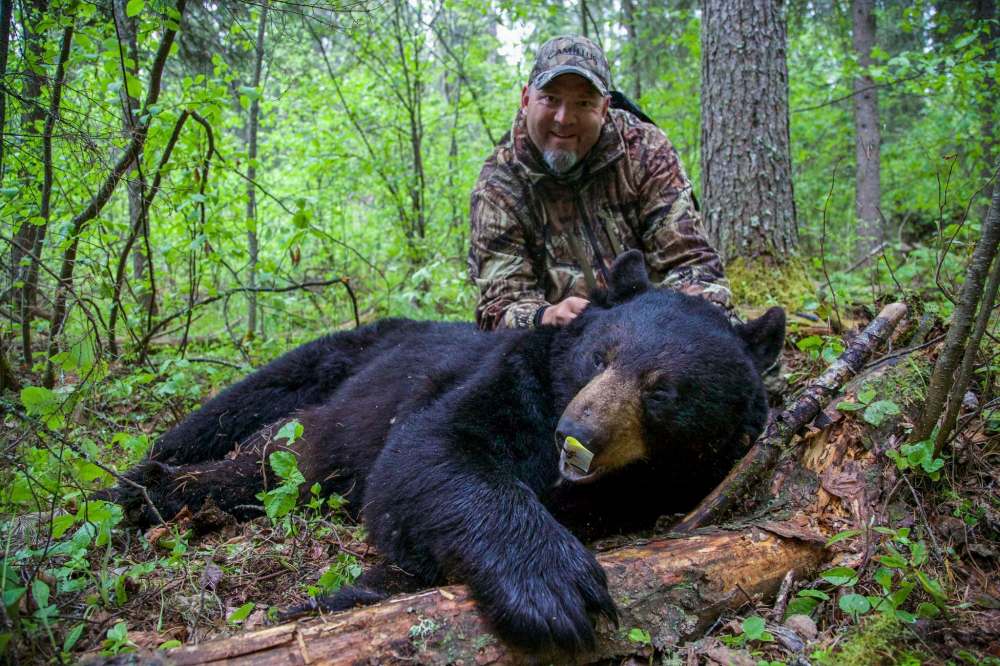
Black bears are hunted (and eaten, by the way) in nearly every corner of Canada, by residents and visitors alike. Manitoba is well-known as one of the best places to hunt black bear on the planet, owing to our widespread, steady population of large, healthy bears. Ontario can certainly hold its own, considering its vast stretches of boreal forest and stable bear population.
But in 1999, Ontario halted its spring bear season amid intense pressure led by animal activists. Much like today, the most vocal and visceral leaders of that opposition were animal-rights groups whose members largely feel it’s wrong to kill animals for any reason. But the larger public got swept up in the argument this time, and was moved to support an end to the spring hunt amid fears too many cubs were being orphaned when sow bears were harvested in the spring, instead of the more frequently targeted boars. Ontario maintained its fall bear season, but cancelled its spring one beginning in 2000.
Similar debates were occurring in Manitoba at the same time, led largely by the Winnipeg Humane Society, and we nearly lost our spring hunt back then as well. But the Manitoba government’s own cutting-edge research on bear aging and reproduction found that cubs were being orphaned much less frequently than had been feared, and that sub-adult male bears were those being taken most often by hunters in the spring. It is those same sub-adults who are most troublesome later in the season, breaking into cottages, browsing municipal dumps and getting hit by cars. Wildlife managers here have always maintained that the spring hunt offers an opportunity to reduce that sub-adult population prior to the summer season. There is also an undeniable economic benefit, with the hunt raising revenue outfitting and licensing hunters, instead of spending tax dollars paying Natural Resource Officers to deal with problem bears.
Ontario’s government was eventually convinced of this same logic, and the spring bear hunt made a limited return there in 2014. That’s when the province allowed resident hunters to target black bears in a handful of wildlife management units, all located near larger urban areas in Northern Ontario, in an effort to reduce human-bear encounters. That pilot continued in spring 2015, and later that year the government announced its intentions to run spring hunts across the whole province, except for the southwestern Toronto-Windsor corridor where bear populations are much smaller. The province stated it was re-opening the hunt “to gather further information to assess concerns voiced by northern communities about human-bear conflicts, and to support economic growth and tourism in the north.” The spring hunt would be open to residents and non-residents alike, from 2016 until 2020, and came with a prohibition on shooting at cubs or females with cubs, as well as restrictions on where baits can be placed.
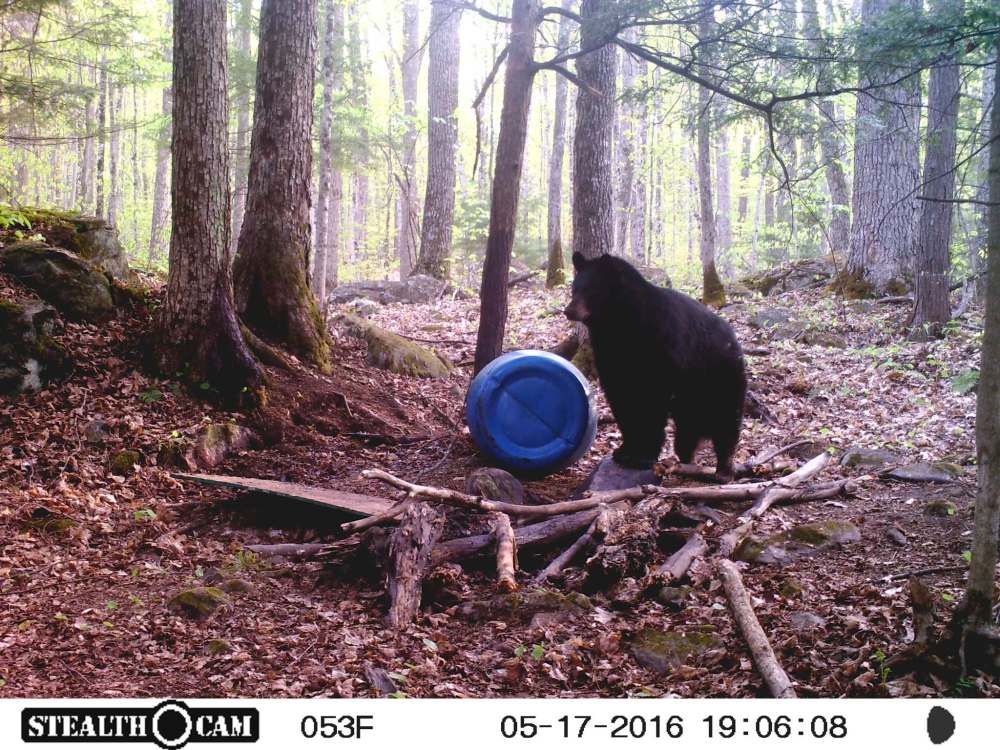
Mark Ryckman, senior wildlife biologist with the Ontario Federation of Anglers and Hunters, said the province’s resident hunters are thrilled with the move and were eager to get out there this spring. “There’s a lot of excitement out there,” he said. “You look at social media and people are sharing stories from the hunt, sharing trail cam photos, sharing photos of bears they’ve harvested.” Ryckman said the province won’t have licence-sale numbers for a while, since the season just ended. But they should have lots to go on when they analyze the sustainability of the season, because all hunters are mandated to report their harvests. Ryckman believes the province-wide harvest will prove to be about 5,000 to 6,000 bears, out of a population of 100,000. “The sustainable harvest limit is about 10 per cent, so there’s still room for more participation,” he said.
Outfitters and resort owners in Northern Ontario are also excited about the spring hunt, although few of them were able to accommodate hunters this spring owing to the timing of the official announcement — the season was only confirmed in February, and hunts are typically booked up to a year or two in advance — as well as uncertainty about the rules. For example, outfitters who already offered fall hunting were told they had to spread their same number of clients across the spring and fall seasons, instead of accommodating spring hunters over and above their fall clients. (Twice the labour for the same payoff — yay!)
Laurie Marcil, executive director of Nature and Outdoor Tourism Ontario, said although this season was a bit of a disappointment, the kinks are being worked out and outfitters anticipate being ready to go full steam ahead next spring. “It is a very positive move forward,” she said, noting the economic boost should be huge for the province. “We did a study and the province was losing $41 million annually because of the cancellation of the spring hunt,” she said. “It became a really dead time of year in the north. There’s nothing else that goes on at that time that would generate that much money.”
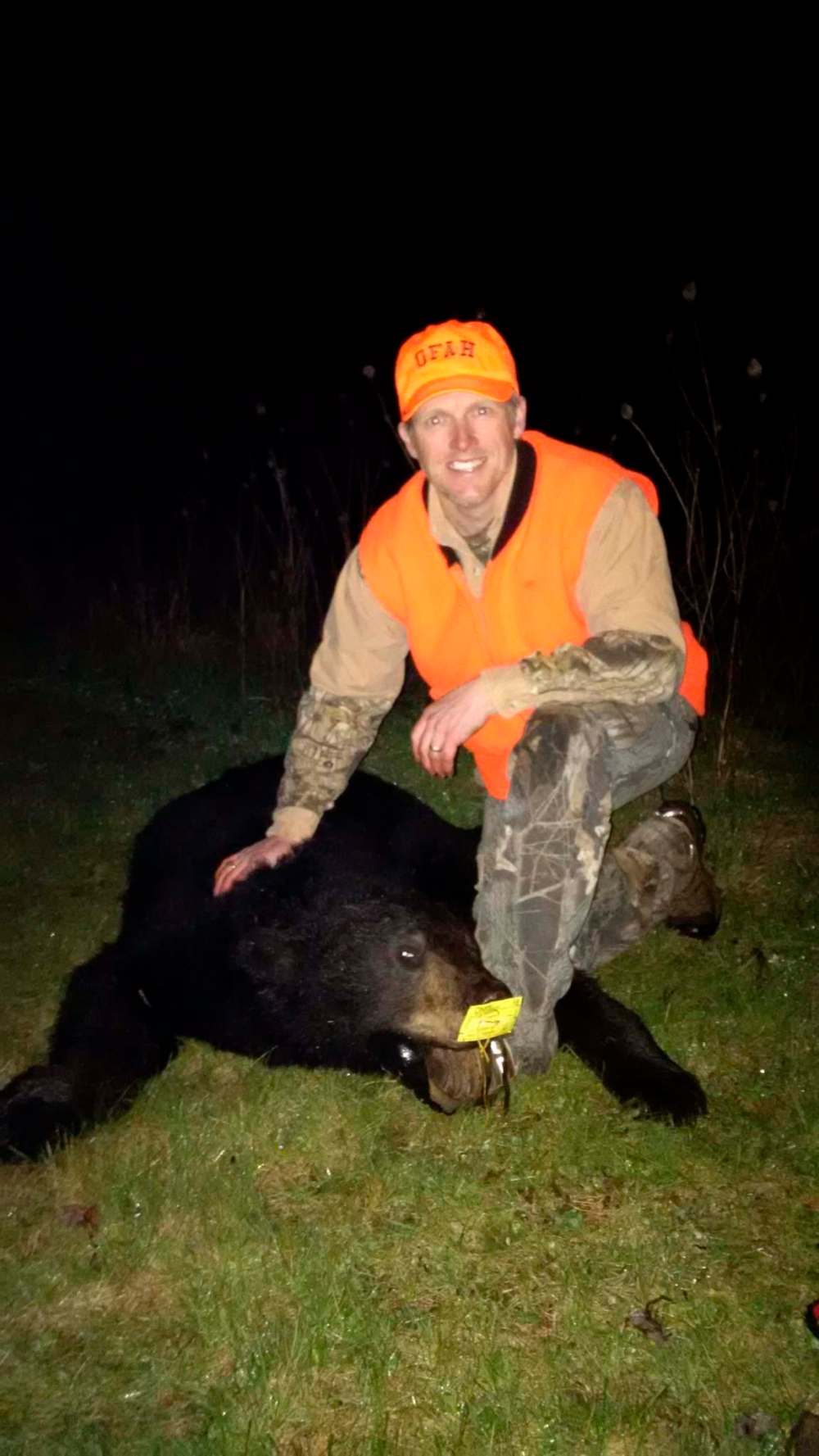
Ryckman is reluctant to say the spring hunt will definitely continue after 2020, given how vocal anti-hunting activists can be, but hopes science and common sense prevail. “The general public, for the most part, recognizes the sustainability of hunting, how it’s highly regulated, and that it’s a useful tool for wildlife management,” he said.
Paul Turenne is the executive director of the Manitoba Lodges and Outfitters Association.