

Treatment of victim’s family, police probed
Inquest into 2008 fatal shooting looks at racism

Advertisement
Read this article for free:
or
Already have an account? Log in here »
To continue reading, please subscribe:

Digital Subscription
One year of digital access for only $205*
- Enjoy unlimited reading on winnipegfreepress.com
- Read the E-Edition, our digital replica newspaper
- Access News Break, our award-winning app
- Play interactive puzzles
*First annual payment billed as $205.00 + GST for one year. This annual subscription will automatically renew at $233.00 + GST every 52 weeks (10% off the regular annual price of $259.35). Offer available to new and qualified returning subscribers only. Cancel any time.
To continue reading, please subscribe:
Add Free Press access to your Brandon Sun subscription for only an additional
$1 for the first 4 weeks*
- Enjoy unlimited reading on winnipegfreepress.com
- Read the E-Edition, our digital replica newspaper
- Access News Break, our award-winning app
- Play interactive puzzles
*Your next Brandon Sun subscription payment will increase by $1.00 and you will be charged $17.95 plus GST for four weeks. After four weeks, your payment will increase to $24.95 plus GST every four weeks.
Read unlimited articles for free today:
or
Already have an account? Log in here »
Hey there, time traveller!
This article was published 08/11/2016 (3622 days ago), so information in it may no longer be current.
An inquest into the fatal shooting of a Winnipeg indigenous man by police in 2008 delved into how the man’s family was treated compared with officers who were involved in the shooting.
The inquest is the first in Manitoba to consider what role, if any, systemic racism played in a police shooting.
After 26-year-old Craig McDougall was ordered to drop a knife, he was Tasered and shot by police in the front yard of his family home on Simcoe Street after 5 a.m. on Aug. 2, 2008.
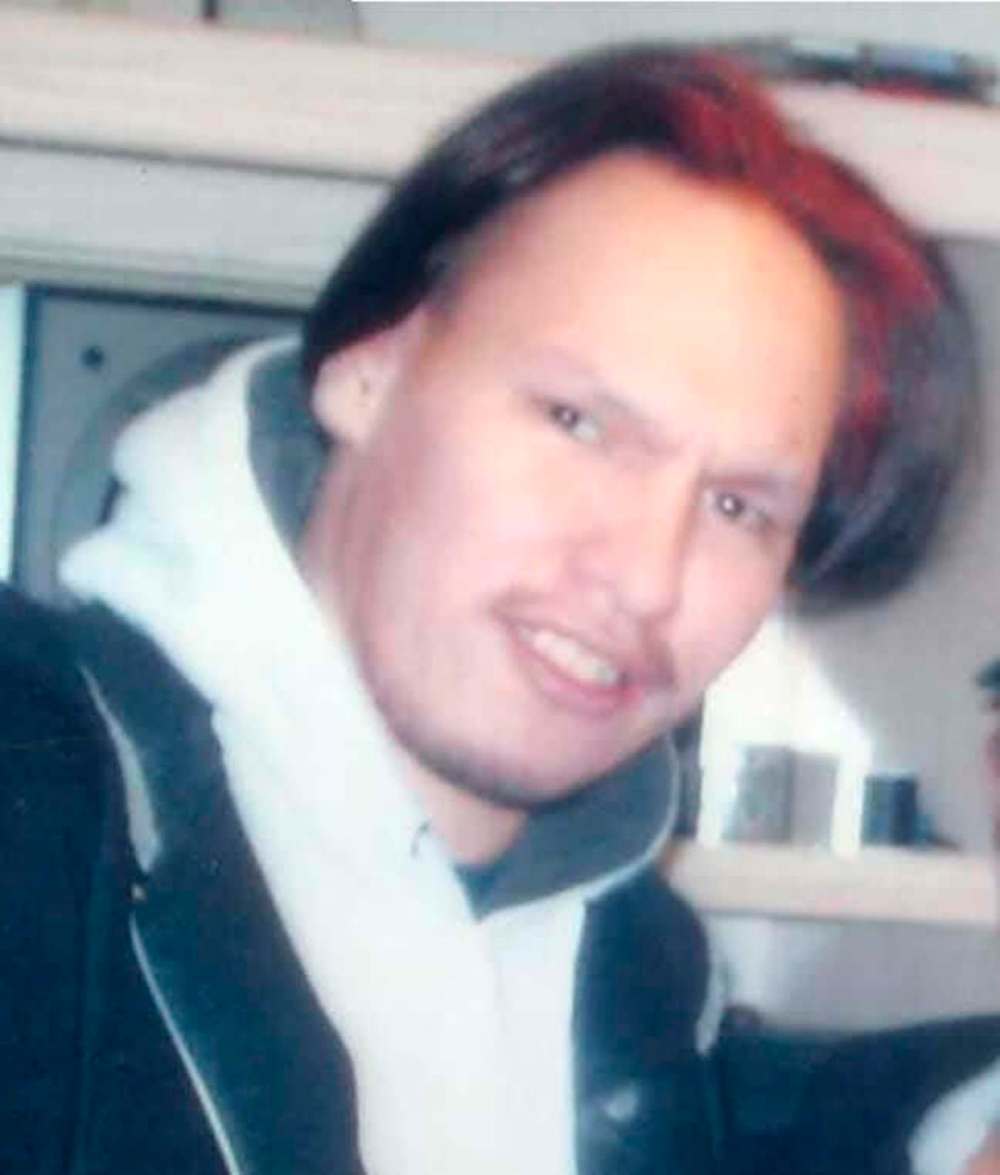
His father, Brian McDougall, was tackled to the ground.
He told the inquest that while an officer’s knee was on his neck, he asked whether his son was still breathing.
The father and other relatives were handcuffed, taken to locked rooms in the Public Safety Building and held there for questioning. They weren’t told Craig had died until hours later.
Testimony from Winnipeg Police Service officers during the inquest Tuesday brought to light concerns about how Craig’s family was treated in the aftermath of the shooting. Police may never have told Brian McDougall that he was being detained as a witness or that he was allowed to leave the police station at any time, court heard. He was kept there for about six hours.
Former police chief Keith McCaskill testified via video link Tuesday. He said ideally, next of kin would have been notified promptly of Craig’s death. Court heard McCaskill called the chief of Wasagamack First Nation about Craig’s death before Craig’s father was informed.
“There may have been a reason that the investigators felt it was appropriate (to keep Brian McDougall at the Public Safety Building),” McCaskill said. “I’m not sure what that reason would be.”
Patrol Sgt. Sami Hadad, the officer who handcuffed Brian McDougall within seconds of arriving at the “chaotic” scene, testified he appeared intoxicated “so that’s maybe why I didn’t remove the handcuffs.” He said he remembered Brian yelling “that’s my son” as he saw Craig bleeding on the ground.
Three officers involved in Craig McDougall’s death — he was Tasered twice and shot at four times, with three of the bullets striking him — were also considered witnesses in the investigation.
Now-retired sergeant Robert Scott Bell testified the officers were taken to offices and advised of their rights, including the right to provide a statement.
All three said they would fully co-operate with the investigation but first wanted “the opportunity to speak to all resources available” to them before giving their statements, Bell said.
All three provided unsworn written statements three days after the shooting and were never questioned about their statements, Bell testified.
Sgt. Bell testified he believed police had no other option but to shoot Craig McDougall. The fact that they tried to Taser him first was risky, in Sgt. Bell’s opinion, because there were only a few feet between McDougall and the officers and McDougall wasn’t heeding their warnings to drop his knife. A large kitchen knife was found on scene.
Crown attorney David Gray, serving as counsel for the inquest, emphasized the disparity in treatment of witnesses as he questioned Bell, who was in charge of the homicide unit’s investigation of the shooting.
His initial review, completed in 2010, deemed the shooting justified.
Gray asked when the officers interviewing Brian McDougall were instructed to tell him his son had died. Bell said he didn’t recall.
Craig was pronounced dead when he was taken to hospital around 6:30 a.m., but his father wasn’t informed until just before noon.
Brian McDougall gave a video statement around 12:40 p.m. Gray asked whether he and the other witnesses would have known they were free to leave the police station.
“Had they asked to leave, certainly, they would be (allowed). They’re not under arrest,” Bell said.
But there was no policy for police to inform witnesses that they were free to leave if they wished, Bell testified.
Gray asked whether such a policy would be a good idea.
“I don’t think it’s a bad idea. Do I think it has to be told? No,” Bell said.
The officer who shot Craig McDougall, acting Patrol Sgt. Curtis Beyak, was taken to an office with another police officer not involved in the shooting and was advised of his options before giving a statement to homicide investigators.
Although it was not a formal policy, Bell testified it was common practice to wait until officers involved in a shooting had seen a psychologist before taking their statement.
He said all three officers were asked shortly after the shooting if they wanted to give statements, and they opted to first speak to wellness officers, the Winnipeg Police Association and legal counsel.
Beyak is expected to testify at the inquest.
“Was he treated differently? Yes,” Bell said, responding to Gray’s questions.

Bell said Beyak was treated differently than other witnesses because he shot someone while working as a police officer.
As the inquest continues, provincial court Associate Chief Judge Anne Krahn is expected to hear more about how police shootings are investigated and how policies have changed since the Manitoba Independent Investigation Unit came into force in June 2015.
The scope of the inquest to consider potential systemic racism in the shooting was granted after on a motion by Brian McDougall’s lawyer.
Corey Shefman is representing the McDougall family at the inquest. Health concerns halted Brian’s testimony when the inquest began Monday. He’s expected to finish testifying today.
katie.may@freepress.mb.caTwitter: @thatkatiemay
Katie May is a multimedia producer for the Free Press.
Our newsroom depends on a growing audience of readers to power our journalism. If you are not a paid reader, please consider becoming a subscriber.
Our newsroom depends on its audience of readers to power our journalism. Thank you for your support.
Katie May is a multimedia producer for the Free Press.
Our newsroom depends on a growing audience of readers to power our journalism. If you are not a paid reader, please consider becoming a subscriber.
Our newsroom depends on its audience of readers to power our journalism. Thank you for your support.
Related Articles
Question of 'suicide by cop' raised
Advertisement Advertise With Us
Advertisement Advertise With Us
History
Updated on Tuesday, November 8, 2016 9:27 PM CST: Update
Updated on Wednesday, November 9, 2016 4:42 PM CST: Removes duplicate paragraph.