

Kodak revives Ektachrome film five years after shuttering it
Advertisement
Read this article for free:
or
Already have an account? Log in here »
To continue reading, please subscribe:

Digital Subscription
One year of digital access for only $205*
- Enjoy unlimited reading on winnipegfreepress.com
- Read the E-Edition, our digital replica newspaper
- Access News Break, our award-winning app
- Play interactive puzzles
*First annual payment billed as $205.00 + GST for one year. This annual subscription will automatically renew at $233.00 + GST every 52 weeks (10% off the regular annual price of $259.35). Offer available to new and qualified returning subscribers only. Cancel any time.
To continue reading, please subscribe:
Add Free Press access to your Brandon Sun subscription for only an additional
$1 for the first 4 weeks*
- Enjoy unlimited reading on winnipegfreepress.com
- Read the E-Edition, our digital replica newspaper
- Access News Break, our award-winning app
- Play interactive puzzles
*Your next Brandon Sun subscription payment will increase by $1.00 and you will be charged $17.95 plus GST for four weeks. After four weeks, your payment will increase to $24.95 plus GST every four weeks.
Read unlimited articles for free today:
or
Already have an account? Log in here »
Hey there, time traveller!
This article was published 09/01/2017 (3528 days ago), so information in it may no longer be current.
Film photography faded so swiftly that some days it can be tough to recall a time before digital photos.
Just two decades ago, Eastman Kodak was selling a billion rolls of film a year. Another giant of film was Polaroid — a name that still had enough cultural cache in 2003 that most people knew what hip-hop duo OutKast meant when they sang, “Shake it like a Polaroid picture.”
But Polaroid stopped making its instant cameras in 2007 and soon stopped making Polaroid film. In 2012, Eastman Kodak — down to selling millions of film rolls — filed for bankruptcy. The demise of the Rochester, N.Y.-based company has become a popular business school case study.
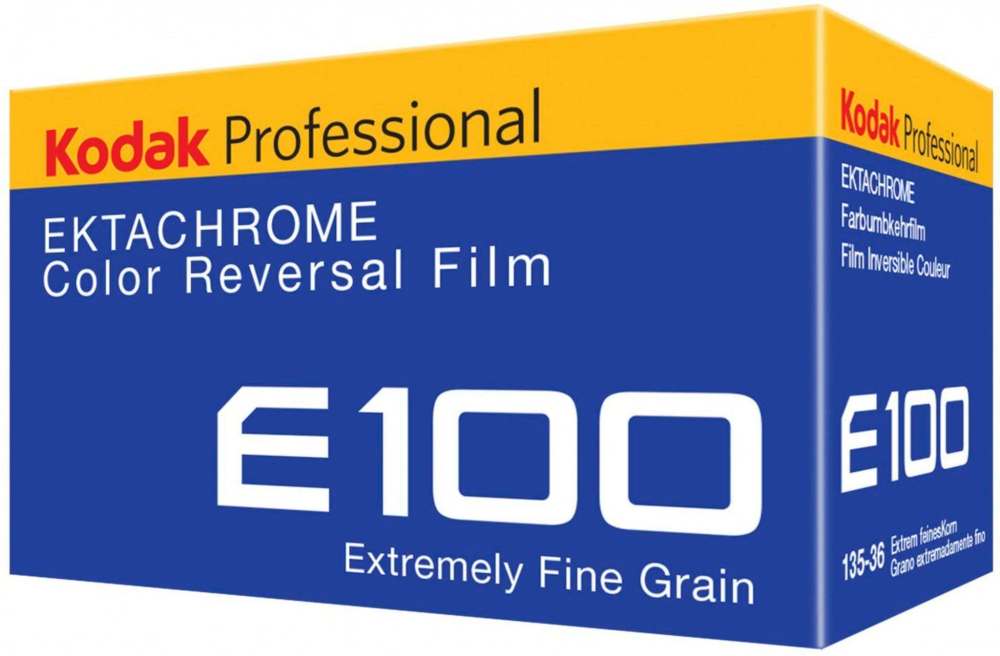
Kodak was forced to stop production of many of its film brands — including in 2009 the iconic Kodachrome, the world’s first successful colour film. The sister brand of Ektachrome had become a cultural touchstone, responsible for capturing many family moments in the postwar boom.
But technology caught up with film. In 2010, photographers with their last rolls of Kodachrome film made rushed pilgrimages to Parsons, Kan., home to the world’s last processor of a once-ubiquitous film brand.
Ektachrome, which first hit store shelves in 1946, is known first as a slide film. It was celebrated for its rich, distinctive look — and for being particular about how it was exposed. Professional shooters, such as those at National Geographic, swore by it.
“It really was the gold standard,” said T.J. Mooney, product business manager for “film capture” at Kodak Alaris, one of the companies that emerged from Eastman Kodak’s bankruptcy.
Then Ektachrome was killed off in 2012 — the last of Kodak’s chrome films, just another digital photography casualty.
On Wednesday, Kodak Alaris announced it will revive Ektachrome. The 35mm film will be available later this year.
The company made the announcement at CES — the annual tech fest that in many ways celebrates the very tools that killed off Ektachrome, and Kodachrome and so many other films in the first place.
Ektachrome will join a handful of other Kodak films that still exist — Kodak Gold 200, Kodak Ultra Max 400 and a series of professional films, Mooney said.
Kodak Alaris has enjoyed moderate growth in sales of its professional films, Mooney said. There is a market there.
But what about the fate of Kodachrome — the most famous and revered of the bunch?

The company thought about it.
“Kodachrome will not be coming back,” Mooney said. “We took a look at it and decided Ektachrome was the better choice.”
Part of the reasoning was technical. Kodachrome is notoriously difficult to process.
“You almost needed a PhD in chemistry,” Mooney said. That skill was lost when Kodachrome disappeared seven years ago. And some things just can’t be replaced.
— Washington Post