Loss of innocence
Advertisement
Read this article for free:
or
Already have an account? Log in here »
To continue reading, please subscribe:

Digital Subscription
One year of digital access for only $205*
- Enjoy unlimited reading on winnipegfreepress.com
- Read the E-Edition, our digital replica newspaper
- Access News Break, our award-winning app
- Play interactive puzzles
*First annual payment billed as $205.00 + GST for one year. This annual subscription will automatically renew at $233.00 + GST every 52 weeks (10% off the regular annual price of $259.35). Offer available to new and qualified returning subscribers only. Cancel any time.
To continue reading, please subscribe:
Add Free Press access to your Brandon Sun subscription for only an additional
$1 for the first 4 weeks*
- Enjoy unlimited reading on winnipegfreepress.com
- Read the E-Edition, our digital replica newspaper
- Access News Break, our award-winning app
- Play interactive puzzles
*Your next Brandon Sun subscription payment will increase by $1.00 and you will be charged $17.95 plus GST for four weeks. After four weeks, your payment will increase to $24.95 plus GST every four weeks.
Read unlimited articles for free today:
or
Already have an account? Log in here »
Hey there, time traveller!
This article was published 18/02/2017 (3475 days ago), so information in it may no longer be current.
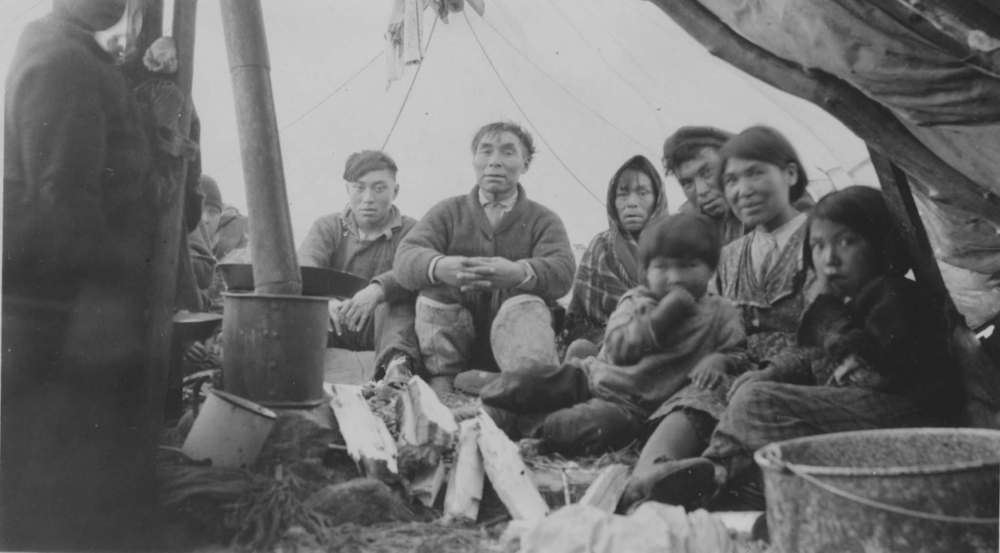
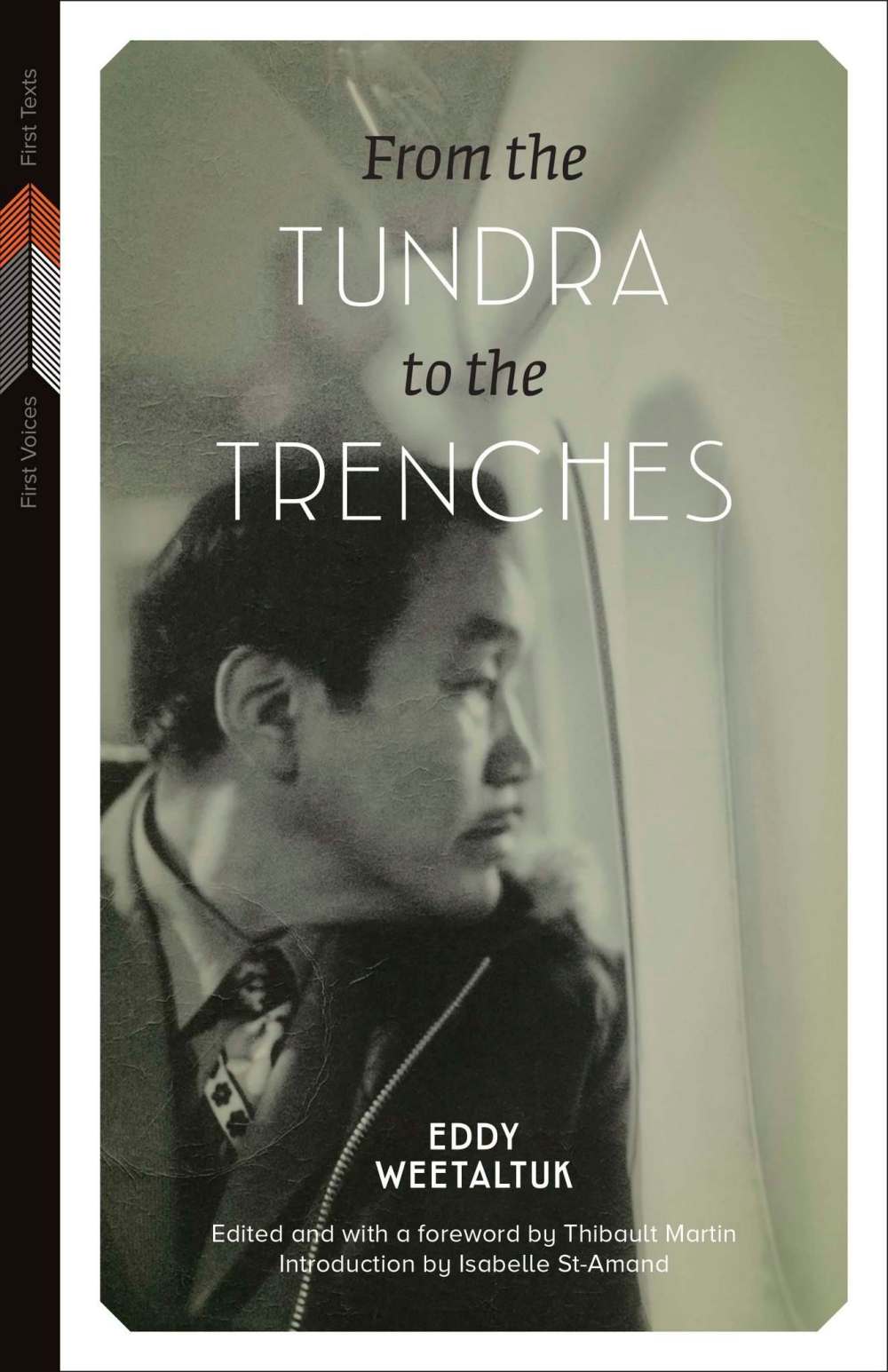
An excerpt from From the Tundra to the Trenches by Eddy Weetaltuk (University of Manitoba Press)
In the 1950s, Inuit weren’t allowed to leave the North. But in 1951, Eddy Weetaltuk decided to leave James Bay. He changed his name and used this new identity to enlist in the Canadian Forces: Edward Weetaltuk, E9-422, became Eddy Vital, SC-17515, and headed off to fight in the Korean War. In 1967, after 15 years in the Canadian Forces, Eddy returned home. He worked with Inuit youth struggling with drug and alcohol addiction, and, in 1974, started writing his life’s story. This compelling memoir traces an Inuk’s experiences of world travel and military service. Looking back on his life, Weetaltuk wanted to show young Inuit that they can do and be what they choose.
● ● ●
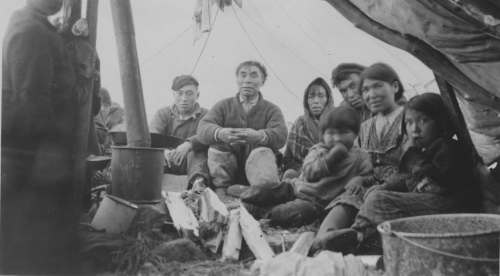
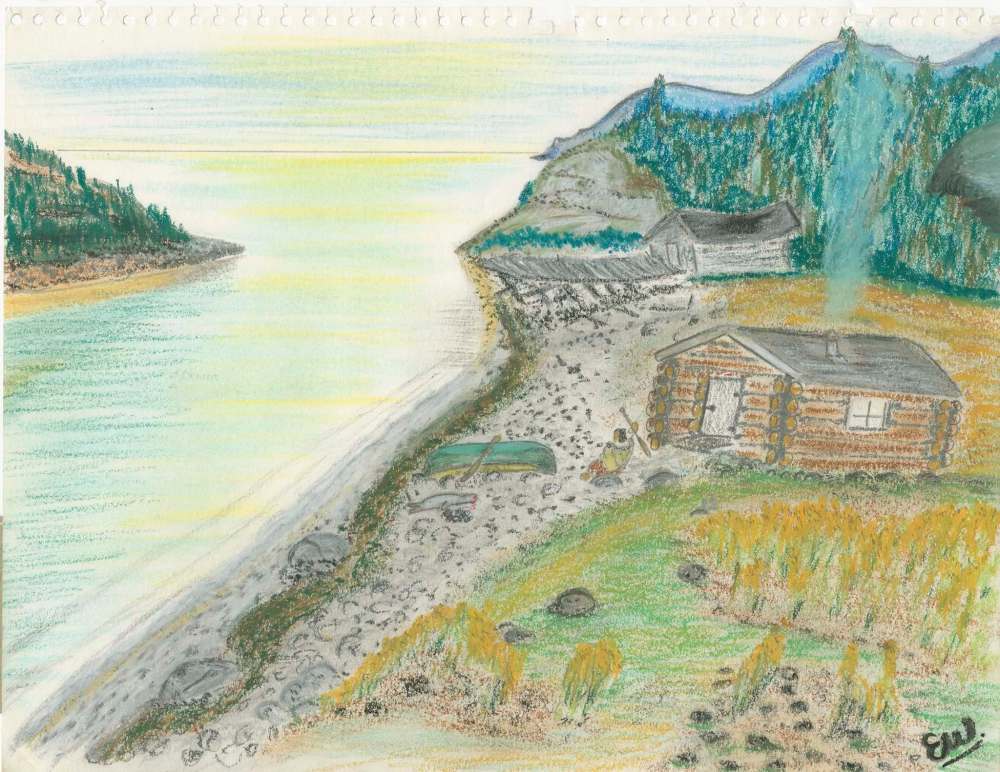
My name is Weetaltuk; Eddy Weetaltuk. My Eskimo tag name is E9-422. I was born in 1932 on a small island called Strutton Island, 30 miles off shore in the middle of the James Bay. At that time there was no permanent village on the island, only a few Inuit families would come there at specific times in the year. East Main, located on the mainland on the Quebec side of the James Bay, was the closest trading post. It is where my father, Rupert Weetaltuk, used to sell his furs. Weetaltuk, my last name, means “innocent eyes” in Inuktitut. Although it qualified pretty well my childhood, you will soon read how I came to lose that innocence. People used to call us Eskimos. I learned later that it is a derogatory name, but back then it was just our name.
My father had been attributed the disc number E9-406 and he wore it until his death. He passed away on May 14, 1965. At that time the government of Canada numbered every Eskimo to keep track of them and we had to keep our tag number always with us. That was the way things were then. If you were to visit the village of Great Whale today, you would be able to see for yourself proof of that old time, since a couple of houses still bear these letters.
Mother, Mary Weetaltuk, bore the disc number E9-407. She gave birth to 12 children. She spent most of her life travelling with my father from camp to camp. After he passed away, she lived in Great Whale, waiting to be reunited with him. Great Whale, 400 kilometres north of East Main trading post was the only permanent village where she had really lived. It was in Great Whale where she had a real house for the first time. Although it was a tiny and crowded house, it was still a house. We used to call those types of houses “matchboxes” because they were very basic, made of four walls and a roof and were so small that we were packed in them like matches in a matchbox. They were the first houses given to us by the government. They would come by boat, ready to build, and could be assembled easily in a few hours, like Meccano pieces. They were not really adapted to northern conditions, and we were more often cold than warm, but we didn’t refuse them because they were gifts.
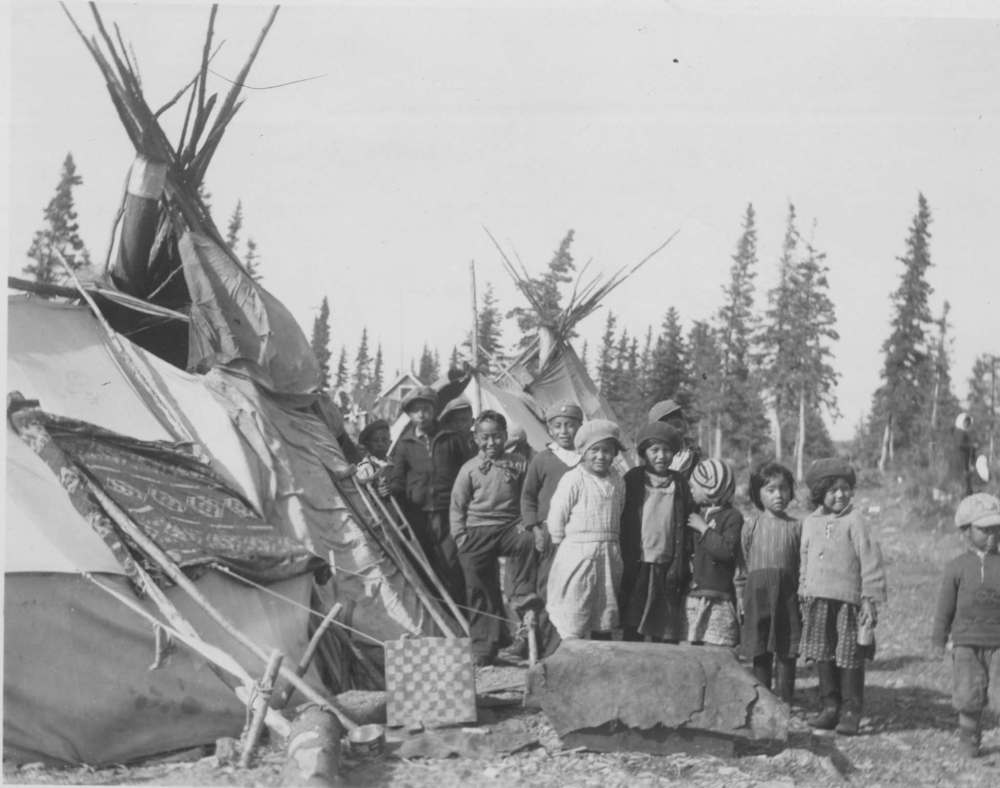
Great Whale was at that time — and still is — a two-community town. The communities were separated by the landing strip; on one side you had the Inuit and on the other side the Crees, whom we called the Indians. Things change and today new houses replace old ones and now native villages are called by their traditional names. I think it is a good thing that we are coming back to our old names. The only problem is that it makes reading maps difficult for an old man like me who used to know the villages by their trading post names. Today the Inuit community of Great Whale is called Kuujjuarapik. The Cree village is named Wapmagoostui. But many people still call it Great Whale and to make it even more complex the French Canadians have their own name: Poste-de-la-Baleine. That is a lot of names for a town with a population of just about 1,000 inhabitants. But there are worse things than having too many names. Living with a borrowed name, like I had to do, as you will soon discover, is certainly more difficult to bear.
My brother David, E9-408, lived for many years with his wife and four children in a tent connected to Mother’s crowded matchbox. My youngest sister, Jeannie, along with her husband, Lucassie Alaku, and her daughter Lilly, born in December 1967, also lived with Mother. Her little shack was packed to its maximum capacity. Any more people to accommodate and it would have burst. One good thing is that Inuit families visit each other like crazy. Thanks to that habit Mother was able to enjoy a few moments of silence and peace. The rest of the time they were piled up in the house like sardines, or should I say matches in their box.
My eldest sister, Ann Weetaltuk-Shields, E9-423, married a White man and moved to Quebec City, where she worked for a long time with the provincial government. She really enjoyed her job. Her husband, Bill Shields, also had a good paying job with the Tuna Fishing Ships Company. I also have a sister Minnie, who married a Cree fur trapper, Edward Gilpin from Eastmain. They have children and are happy, which counts for a lot. My other sister, Louise Dook, was a happy housewife to John Dook, a manager of the Great Whale River Hudson’s Bay Company (HBC) trading post. They had three daughters, Lisa, Maggie, and Jackie, and a boy named Rupert.
As for me, you are going to read about my long, agonizing struggle to find a better way of life. You should know that I wrote this book to try to understand why and how I have put myself in situations where I came to commit so many unchristian acts, as Brother Couture — whom you will soon read about — would often say. Most of these situations occurred while I was “enjoying” my adventures in the Canadian Armed Services. But I don’t want to kill the suspense and ruin your pleasure by getting to my story too fast. Rather, let’s start slowly from the beginning.
E9-422, Edward Weetaltuk, was a very small baby boy. Just a little bigger than a large wooden matchbox. I was born on cold snow while Mother was cutting wood to keep our family warm. My family used to travel to Strutton Island every spring for our annual Arctic whale hunt. That’s how I came into this world. According to Mother I was born on March 19, but Father always said it was on April 19. Like I used to say to my comrades from the south, a husband’s memory is quite unfaithful no matter where you live in the world. However, Father had a good excuse for not remembering my birthday, we had no calendar at that time. Like wives say in many places, husbands always have good excuses. Maybe this is why I did not stay married for long.
Mother passed away in 1969, but I still remember her beautiful wrinkled face and how she would show affection with a little smile to all who were listening to her. I thank God she lived as long as she did. Though, I am so sorry that during her life she had to endure so much sorrow. Now that I am an old man, I realize that I contributed greatly to that sorrow and I know I broke her heart the day I left our James Bay. It is unbelievable how hard on a mother’s heart a son can be. Since I have begun to recall past memories, the puzzle of past events becomes clearer and my responsibility in her suffering is apparent to me. At one point she was sent to a sanatorium in Hamilton, Ont. They told me, back then, that she had tuberculosis, but what really sent her to the hospital — and almost killed her— was the pain she felt when someone wrongly told her that I had been killed in the Korean War.