

In the dark about death
Family learns man died months earlier; only after city sends letter about home
Advertisement
Read this article for free:
or
Already have an account? Log in here »
To continue reading, please subscribe:
Digital Subscription
One year of digital access for only $1.44 a week*
- Enjoy unlimited reading on winnipegfreepress.com
- Read the E-Edition, our digital replica newspaper
- Access News Break, our award-winning app
- Play interactive puzzles
*Billed as $5.77 plus GST every four weeks. After 52 weeks, price increases to the regular rate of $19.95 plus GST every four weeks. Offer available to new and qualified returning subscribers only. Cancel any time.
To continue reading, please subscribe:
Add Free Press access to your Brandon Sun subscription for only an additional
$1 for the first 4 weeks*
- Enjoy unlimited reading on winnipegfreepress.com
- Read the E-Edition, our digital replica newspaper
- Access News Break, our award-winning app
- Play interactive puzzles
*Your next Brandon Sun subscription payment will increase by $1.00 and you will be charged $17.95 plus GST for four weeks. After four weeks, your payment will increase to $24.95 plus GST every four weeks.
Read unlimited articles for free today:
or
Already have an account? Log in here »
Hey there, time traveller!
This article was published 29/07/2017 (3235 days ago), so information in it may no longer be current.
It’s been said we all die alone,
no matter how many of our loved ones are there when we go.
But rarely do we die alone the way reclusive Clare Wakshinski did last year at the age of 80.
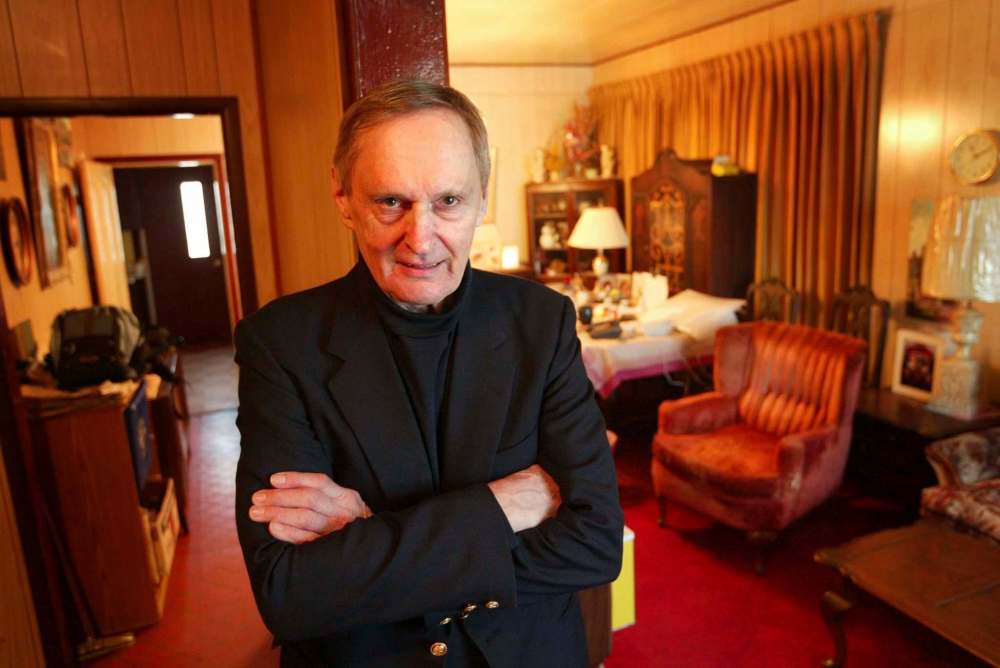
Police had been alerted something was amiss at the address near Health Sciences Centre and discovered his body in the house where he had grown up with his eight siblings.
That was last November, on Remembrance Day, according to one family member. It was sadly ironic, given how the story unfolded.
Investigation determined Clarence Walter Wakshinski probably died of a stroke three months earlier, in August 2016. But it was only late last month that the family learned Clare had died and been buried as an “unclaimed” person.
That was more than seven months after his remains were found and 10 months after he’d had the stroke that killed him. None of his family, among them Clare’s long-separated wife Nina, and their two daughters, Wendy, who lives in Vancouver, and Sandy, who lives here, would be notified of his death.
Not by police seeking next of kin.
Not even by the chief medical examiner’s office.
They would only find out after the city sent letters dated June 26, 2017, to Clare’s siblings, all of whom shared ownership of the house, because by-law enforcement wanted to inspect the vacant and derelict home. Even after that, it would take inquiries with police before they learned Clare was dead.
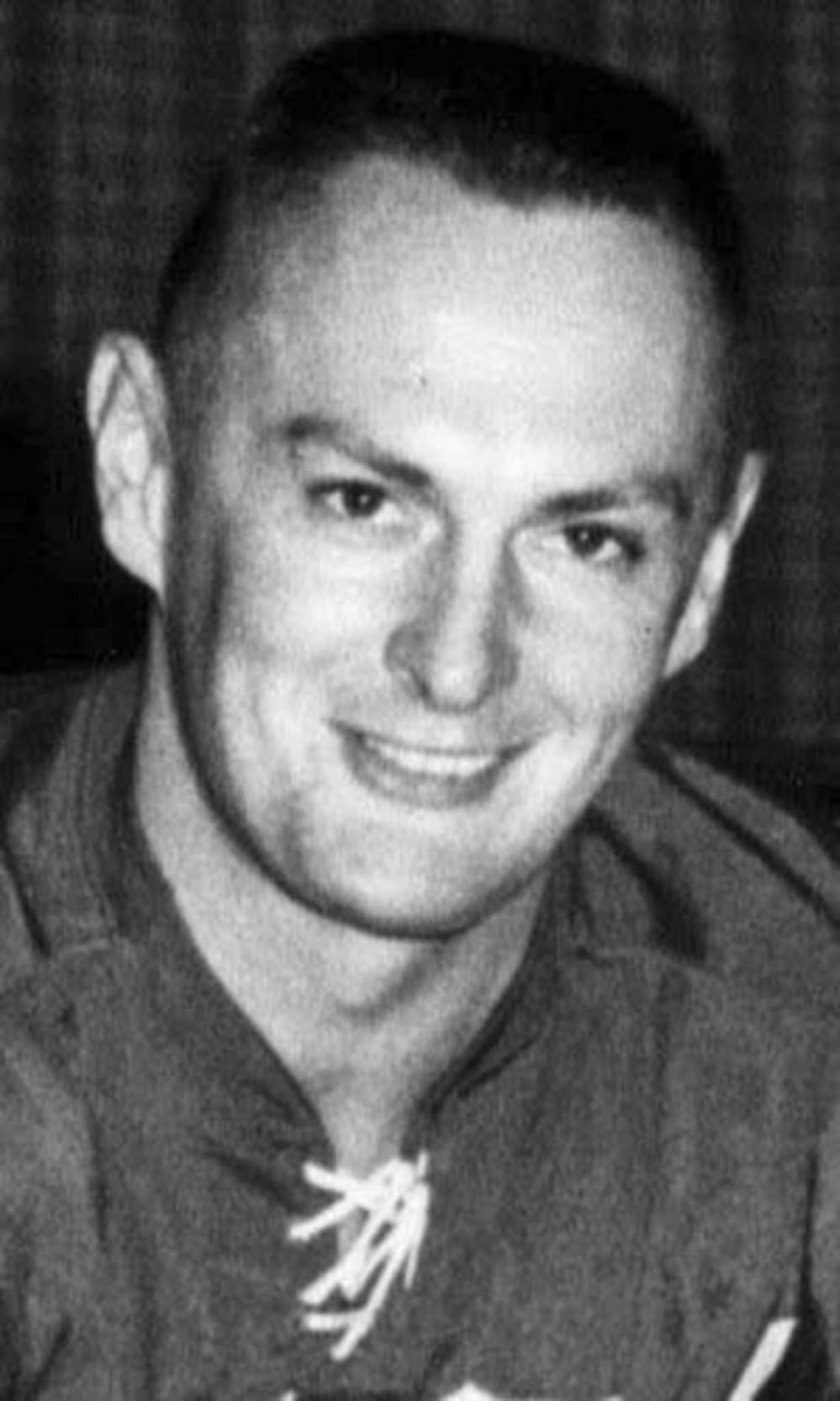
I initially heard about what happened from Jerry Wakshinski, the long estranged younger brother who had once played professional hockey with Clare in the late 1960s. Jerry wasn’t the only one in the family who had been alienated, and as a result, largely lost contact because of the behaviour of a man who, as he aged, showed signs of mental illness. In one way, and for one reason or another, the family had either been distanced, or distanced themselves.
Jerry had contacted me out of anger, frustration and bewilderment.
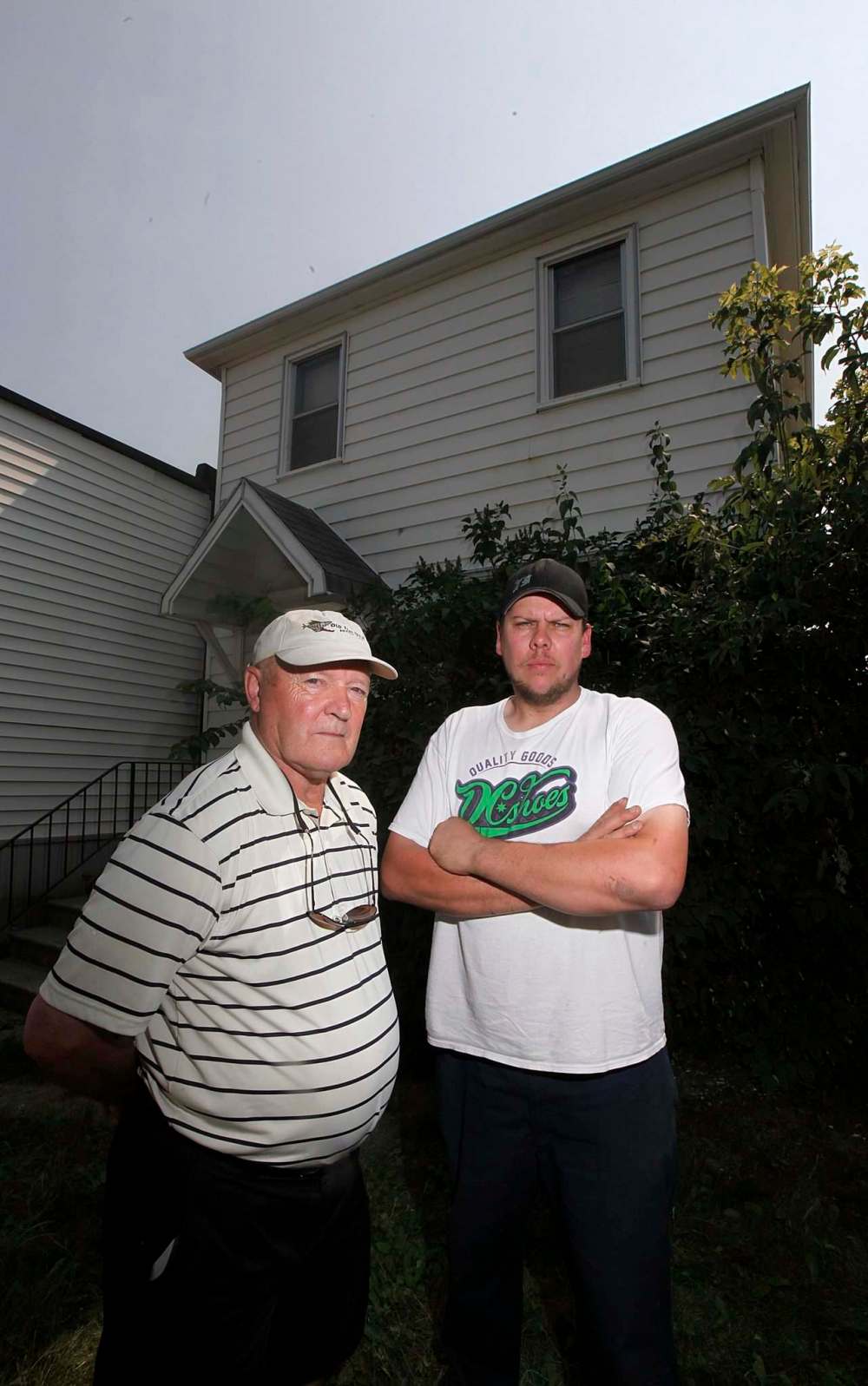
Starting with why police, or even the office of the chief medical officer, had neglected to contact the family. That’s why Jerry was bewildered. But his bewilderment would spill into anger and frustration after the city letter dated June 26, 2017, arrived and his nephew Todd Webster opened up the house on June 30 to take a look.
The first thing Todd recalled, even before the lingering smell of death, was the sound of water “gushing.”
“Water was leaking all over the kitchen floor and pouring into the basement,” Todd wrote in a text message.
Todd had to ask the city to shut off the water to prevent further damage. All Todd would take from the house that day was what he found stuffed in the mailbox, months of unpaid bills including water bills with increasing estimates of money owing and threats of service being discontinued.
This week, I asked the city questions that flowed from the leak in the kitchen, which the family suspected was the result of a window being left open and the pipe freezing and rupturing — what kind of payment arrears it takes before the water is turned off and, most vitally, whether the city makes an adjustment on a water bill that was estimated at $500 last August.
“Customers receive a minimum of two warnings before water is shut off for non-payment,” a spokesperson replied via email. “The date a property gets disconnected depends on resource availability and the amount of debt owing. The city does have programs to assist customers who receive a high utility bill as a result of a leak, and customers should contact the city to determine if they are eligible for assistance.”
On Friday, Jerry said another letter had arrived from the city.
It was an order to clean up the house and property by Aug. 2 , he said, or the city would go in there.
Meanwhile, Jerry continued, the basement wall cracked where the water had been flowing from the kitchen. Jerry has hired a lawyer.
“Who knows what’s going to happen. Maybe they can sell it as is…maybe we’ll give the house to the city and they can take care of it.”
“Someone’s got to be responsible,” Jerry added.
Which brings us back to why the family wasn’t notified last November.
When Clare’s nephew Todd, and his daughter Wendy spoke with police they both received the same answer. Police tried but couldn’t find the family. Todd wondered how hard police tried. But late Friday afternoon a police spokesperson said that the two officers involved “went to unusual depths” trying to locate family; even visiting hospitals and clinics hoping for a lead.
What they didn’t do, though, police acknowledged, was the simplest means and where most offices first search. A Google search of Canada 411, and plugging in “Winnipeg, Wakshinski” would have brought up four phone numbers and four people. All of them related. When it came to bylaw enforcement, Todd angrily pointed out, the city had no problem finding all of the siblings once the grass in front of the home had grown too high for too long.
As for the medical examiner’s office, director Mark O’Rourke apologized to Clare’s wife on Friday and took responsibility. Earlier, he acknowledged his office had contact names but didn’t “act on” that information.
In other words, they didn’t try.
He called it “human error.”

But considering that there is no policy saying the office must try to contact next of kin, and as they’ve acknowledged in the past, many families of unclaimed persons don’t want to be found, my sense of it is someone in the medical examiner’s office made an assumption. Clarence Wakshinski’s family hadn’t been there for him in the three months he lay dead, why should we bother?
That’s dead wrong, though.
As his daughter Wendy, who became a nurse specializing in mental health and still struggled with how to relate to her father, suggested in an email she sent from her home in Vancouver.
“At the heart of this story,” she wrote, “is the impact of mental illness on the individual and its family and friends. It caused tremendous loss and separation despite good intentions. I do hope that your article will raise an awareness and highlight the need for more thorough, sensitive and timely policies by the various agencies involved.”
gordon.sinclair@freepress.mb.ca