Going to the zoo?
Photographer's images challenge desire to see animals in captivity
Advertisement
Read this article for free:
or
Already have an account? Log in here »
To continue reading, please subscribe:

Digital Subscription
One year of digital access for only $205*
- Enjoy unlimited reading on winnipegfreepress.com
- Read the E-Edition, our digital replica newspaper
- Access News Break, our award-winning app
- Play interactive puzzles
*First annual payment billed as $205.00 + GST for one year. This annual subscription will automatically renew at $233.00 + GST every 52 weeks (10% off the regular annual price of $259.35). Offer available to new and qualified returning subscribers only. Cancel any time.
To continue reading, please subscribe:
Add Free Press access to your Brandon Sun subscription for only an additional
$1 for the first 4 weeks*
- Enjoy unlimited reading on winnipegfreepress.com
- Read the E-Edition, our digital replica newspaper
- Access News Break, our award-winning app
- Play interactive puzzles
*Your next Brandon Sun subscription payment will increase by $1.00 and you will be charged $17.95 plus GST for four weeks. After four weeks, your payment will increase to $24.95 plus GST every four weeks.
Read unlimited articles for free today:
or
Already have an account? Log in here »
Hey there, time traveller!
This article was published 05/08/2017 (3273 days ago), so information in it may no longer be current.
Jo-Anne McArthur, a Canadian photographer and animal-rights activist, does not deny that her new book could be called “one-sided.” That is sort of the point.
The images in Captive were taken at zoos across five continents, but they don’t include depictions of handlers bottle-feeding baby hippos, giving pandas ultrasounds or even cleaning cages.
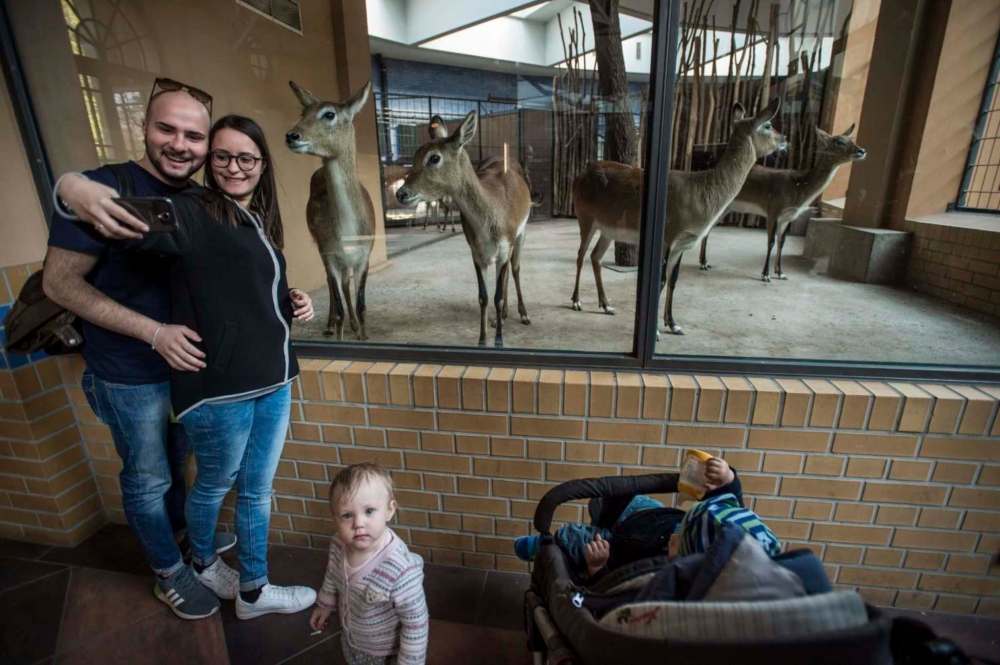
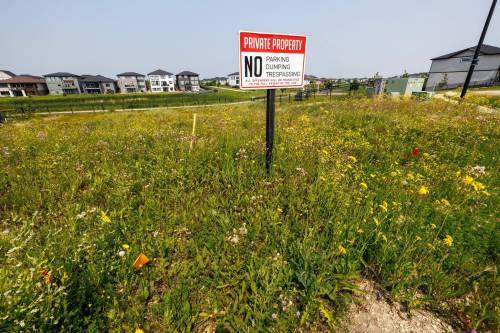
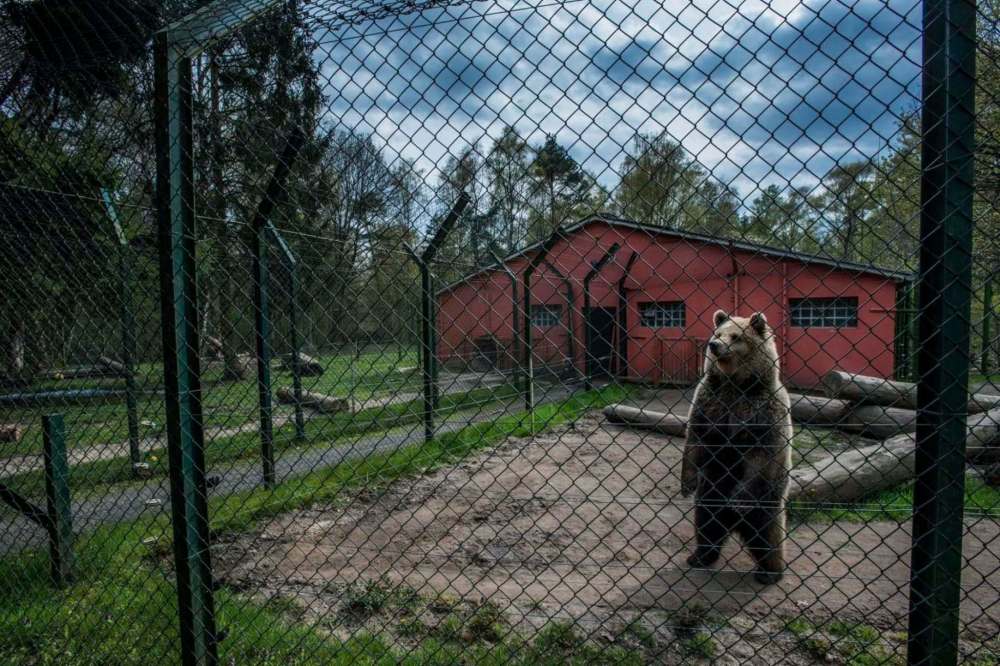
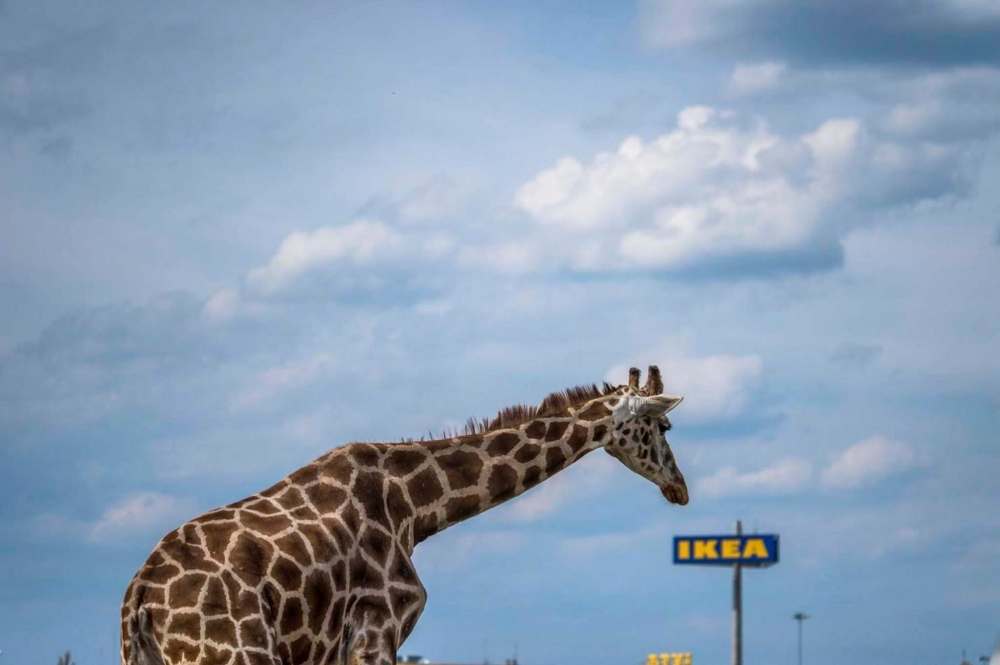
They’re taken from the perspective of the public, McArthur said, and aim to show the animals as “individuals” as opposed to representatives of their species. The photos are unusual and at times arresting, featuring solitary animals juxtaposed against gawking crowds, suburbia and the barriers that keep them enclosed.
The book is unabashedly anti-zoo, but McArthur says she hopes it will count as a contribution to an escalating public conversation about animals in captivity — one that has been highlighted by the uproar over SeaWorld orcas and the killing of Harambe the gorilla, but that is also churning quietly among zoo managers.
What follows is a Q-and-A with McArthur, accompanied by a selection of photos from the book, paired with her captions. All images were taken in 2016. McArthur was in town last October speaking at an event sponsored by the Winnipeg Humane Society.
This interview has been edited for length and clarity.
Q: What was your experience with zoos before this project?
A: I have an early childhood memory of a zoo in Hawaii. An orangutan was defecating in its hand, smearing it on a tree and eating it. All the tourists were laughing and screaming about it and taking photos. Our family also took photographs. I’d only visited one or two other zoos as a child. People often refer to the “love” I have for animals. That’s correct, but only partly so. I’ve also always had a concern for animals. I’ve often felt sad for them. Seeing them on display seemed so awkward to me. Staring, being stared at. I know I’m not alone in this sentiment.
Q: It’s clear you’re not a fan of zoos now. Was there a turning point?
A: I don’t remember a turning point, I just remember always being on the side of the animals when it came to seeing them, living with them and the rest. I remember always feeling that it wasn’t fair to the individuals that they were kept in zoos, that there were dogs locked up in backyards, birds kept in cages.
Q: Did you go behind the scenes at the zoos you photographed or stay on the visitors’ side?
A: I’ve been behind the scenes, and I have a lot of zoo friends, and over the years I have heard their private complaints and worries. In the early 2000s, when I was still doing work as a photographer’s assistant, a fashion photographer knew I loved animals, and so invited me to do a three-day shoot with him. The zoo was making money renting out the animals. The animal that afternoon was a bald eagle. Behind the scenes were rows and rows of large, caged birds. The eagle was tethered by the ankle and made to sit under the hot lights of the shoot on a white backdrop, perched on a cow skull, next to a leather boot, which was the item being advertised. The bird was panting and kept trying to fly away. The bird would fly the length of the tether and then get yanked back and upside down, hanging by the tether, then righted by the handler, then put back on the cow skull to be photographed. My zoo friends quietly express their woes to me about things the visitors don’t know or see, like new animal introductions that go wrong and end in death; animals caught in wiring and fencing, found dead in the morning; families separated again and again for breeding programs.
Q: How do you think that affected the portrayal of zoos in your book?
A: The book will get some criticism for being one-sided. But it’s important to remember that zoos are one-sided, and we need to see more of the darker corners so that we can continue to discuss the problems with captivity. The images in Captive will help to further enliven the discussion about the individuals caught in these systems. The zoo conversation often loops back to conservation efforts and species preservation, at the expense of the individuals. From the outside, we see zoo marketing. From the inside, as visitors, the zoo also shapes how we see, and fail to see, the animals — from the groomed pathways, the music, to all the supplementary entertainment. I want us to remember that we might pass through a zoo in two or three hours and return home to our families, friends and a life of relative autonomy. Zoo animals, however, remain there long after we’ve gone. I try to show what that might be like for them.
Q: You’re pretty dismissive of zoos’ wildlife conservation efforts. Why? Isn’t there a range of commitment to these programs?
A: What I’m trying to do is get the conversation away from the conservation crutch. “But, conservation!” is the go-to response to anyone challenging the many ethical issues confronting zoos today. Zoos have done a great job marketing conservation efforts, when in fact most of their money is spent on other projects.
Captive animals are bored, lonely, separated from their families and friends? But, conservation.
Marius, the giraffe killed and publicly dissected by a Danish zoo, was “culled” because he was genetic surplus? But, conservation.
Yes, please tell me about all the successful conservation happening. Show me the successful reintroduction of gorillas into the wild. The giraffes, too. Tell me about elephant conservation. Zoos use the conservation angle to this day to justify the catching of wild animals, including African elephants as recently as 2016, and bringing them to American zoos.
Q: You single out the Detroit Zoo as worthy of praise. What makes it so different? It still holds captive animals.
A: It does, yes, and they are the first to say that they have a long way to go before they reach their goals. I encourage people to look at the zoo reform happening there. For example, they moved their elephants to a sanctuary in a warmer climate because they felt that keeping them in Detroit was ethically untenable. Most zoos won’t make a move like that because of the perceived lost revenue. Detroit Zoo, however, used it as an opportunity to talk about the ethics of captivity and to show that they wanted to be leaders in zoo reform. Their polar bears are rescued and have enough space to hide from the public. There’s a huge focus on humane education programs. They have a 4D theatre, where visitors can see animals in their natural habitat. This year, they hosted a global symposium on zoo and aquarium animal welfare.
Zoos know they are in the spotlight, and not in a good way. Many zoos are interested in meaningful reform, where others are looking at how they can spin things to look like they are. Zoos are neither immutable nor inevitable and, in their current form, most are archaic. Zoos need to evolve to suit the more compassionate ethics of our time.
Q: What do you want people to take away from your book?
A: Captive is my contribution to the ongoing mainstream discussion about the ethics of captivity. We lack critical thinking when it comes to facing other species. We face them without seeing them — interactions depicted frequently throughout the book. I’d like the people who see this book to become part of the growing numbers who are taking zoos to task. I’d like the book’s audience to reconsider visiting zoos, and put their support behind efforts that help animals, such as wildlife centres, sanctuaries and in-situ conservation projects. We can also learn so much more seeing animals filmed in high definition in their natural habitats than by looking at an isolated animal behind a grubby sheet of Plexiglas.
— Washington Post