

Disney to take on Netflix
Advertisement
Read this article for free:
or
Already have an account? Log in here »
To continue reading, please subscribe:
Monthly Digital Subscription
$1 per week for 24 weeks*
- Enjoy unlimited reading on winnipegfreepress.com
- Read the E-Edition, our digital replica newspaper
- Access News Break, our award-winning app
- Play interactive puzzles
*Billed as $4.00 plus GST every four weeks. After 24 weeks, price increases to the regular rate of $19.95 plus GST every four weeks. Offer available to new and qualified returning subscribers only. Cancel any time.
Monthly Digital Subscription
$4.99/week*
- Enjoy unlimited reading on winnipegfreepress.com
- Read the E-Edition, our digital replica newspaper
- Access News Break, our award-winning app
- Play interactive puzzles
*Billed as $19.95 plus GST every four weeks. Cancel any time.
To continue reading, please subscribe:
Add Free Press access to your Brandon Sun subscription for only an additional
$1 for the first 4 weeks*
- Enjoy unlimited reading on winnipegfreepress.com
- Read the E-Edition, our digital replica newspaper
- Access News Break, our award-winning app
- Play interactive puzzles
*Your next Brandon Sun subscription payment will increase by $1.00 and you will be charged $17.95 plus GST for four weeks. After four weeks, your payment will increase to $24.95 plus GST every four weeks.
Read unlimited articles for free today:
or
Already have an account? Log in here »
Hey there, time traveller!
This article was published 10/08/2017 (3190 days ago), so information in it may no longer be current.
Walt Disney made a big digital move Tuesday, announcing a new direct-to-consumer streaming service to compete with Netflix — that will cut Netflix out of much of its content mix.
The new Disney-branded subscription service, expected to launch in 2019, will be the exclusive home for new animated and live-action theatrical Disney and Pixar films.
Whether films in the Star Wars and Marvel franchises will appear on this new service is undetermined, said Disney chairman and CEO Robert Iger in a conference call about the company’s third-quarter financials with analysts Tuesday.
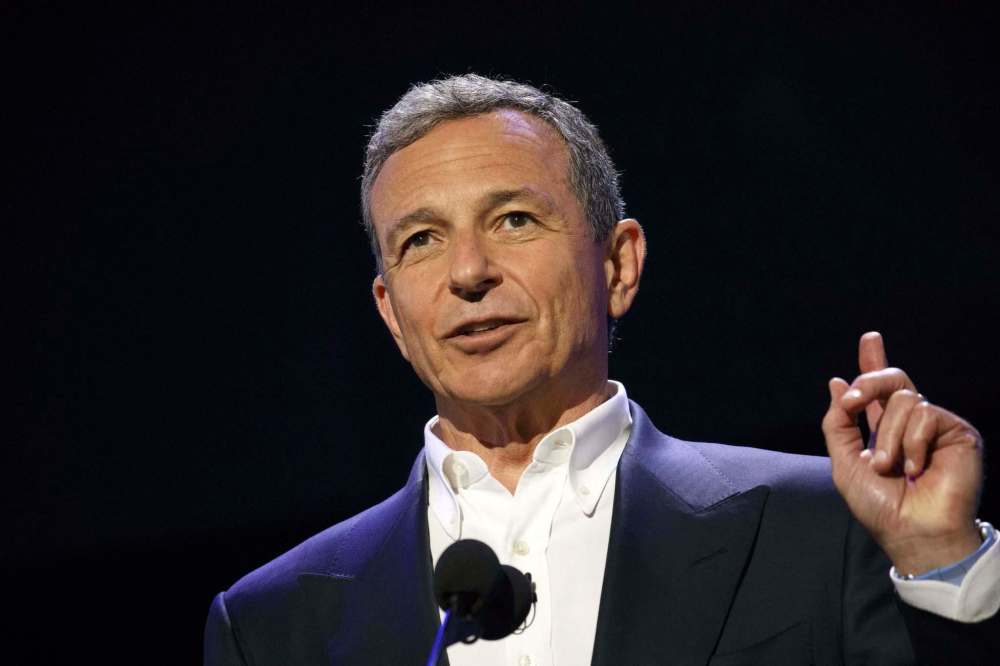
“The disposition (of those films), we have not determined yet,” and they could be licensed to “a pay service such as Netflix,” Iger said. Disney could also start separate direct-to-consumer streaming services devoted solely to either the Star Wars or Marvel franchises, he said.
Shares of Netflix, which in 2016 began a multi-year deal for Disney’s films, took an immediate hit after the Disney broke the news, declining about four per cent to US$171.80 on Tuesday. It rebounded to close at US$175.78 on Wednesday. Netflix will continue to have all access to Disney films, including new theatrical releases in 2018, through the end of 2019, the streaming provider said in a statement Tuesday.
“We continue to do business with the Walt Disney Company globally on many fronts, including our ongoing relationship with Marvel TV,” it said.
Kicking off with Disney’s scheduled 2019 releases, currently including Frozen 2, Toy Story 4 and a live-action version of The Lion King, the new as-yet-unnamed and unpriced service will be “unlike anything else in the market,” Iger said.
“These announcements mark the beginning of an entirely new growth strategy for the company.”
Disney shares also fell four per cent to US$102.70 on Tuesday. Shares closed at US$102.83 on Wednesday.
The studio also announced that its multi-sport ESPN subscription streaming service would launch in early 2018. That service, in its first year, would have about 10,000 live sports events, including Major League Baseball, National Hockey League, Major League Soccer, tennis and college sports.
Disney also said it would spend US$1.58 billion for a 42 per cent stake in streaming tech company BAMTech, a division of Major League Baseball Advanced Media.
Originally launched in 2000, the MLB’s interactive media and internet company was created to run the league’s team websites. It has grown to run streaming services for HBO, WWE, NHL and PGA Tour.
Last year, Disney paid US$1 billion for its initial 33 per cent stake in BAMTech and now owns 75 per cent of the company.
These moves into digital distribution and online technology will give Disney more flexibility and increased control over its own future, Iger said. And they allow the company to learn more about what its consumers want — and how to cater to them, he said.
“We have got this unbelievably passionate base of Disney consumers worldwide, and (in) virtually all of our businesses, except theme parks, we have never had the opportunity even to connect with them directly or know who they are,” Iger said. “It is high time we got in the business, particularly with the technology available to us, to accomplish that.”
Standing pat was not an option, he said.
“The profitability (and) the revenue-generating capability of this initiative is substantially greater than the business models that we are currently being served by.”

During the third quarter, revenue at Disney’s theme parks and resorts rose 12 per cent over the previous year to US$4.9 billion, the company said. But media networks’ revenue fell one per cent to US$5.9 billion. Cable network revenue, driven by higher programming costs at ESPN — and lower ad revenue and lower average viewing for the sports giant — resulted in lower operating income of US$1.5 billion, down 23 per cent.
Disney reported total third-quarter revenue of US$14.2 billion, compared to US$14.3 billion a year ago. That missed expectations of US$14.4 billion from analysts polled by S&P Global Market Intelligence.
Earnings per share of US$1.51 fell short of the US$1.55 expected.
Net income of US$2.37 billion fell nearly nine per cent compared to US$2.6 billion a year ago. Analysts had expected US$2.45 billion.
— USA Today