History to chew on
Local author remembers Old Dutch chips, Pic-a-Pop and other beloved snacks
Advertisement
Read this article for free:
or
Already have an account? Log in here »
To continue reading, please subscribe:

Digital Subscription
One year of digital access for only $205*
- Enjoy unlimited reading on winnipegfreepress.com
- Read the E-Edition, our digital replica newspaper
- Access News Break, our award-winning app
- Play interactive puzzles
*First annual payment billed as $205.00 + GST for one year. This annual subscription will automatically renew at $233.00 + GST every 52 weeks (10% off the regular annual price of $259.35). Offer available to new and qualified returning subscribers only. Cancel any time.
To continue reading, please subscribe:
Add Free Press access to your Brandon Sun subscription for only an additional
$1 for the first 4 weeks*
- Enjoy unlimited reading on winnipegfreepress.com
- Read the E-Edition, our digital replica newspaper
- Access News Break, our award-winning app
- Play interactive puzzles
*Your next Brandon Sun subscription payment will increase by $1.00 and you will be charged $17.95 plus GST for four weeks. After four weeks, your payment will increase to $24.95 plus GST every four weeks.
Read unlimited articles for free today:
or
Already have an account? Log in here »
Hey there, time traveller!
This article was published 16/09/2017 (3294 days ago), so information in it may no longer be current.
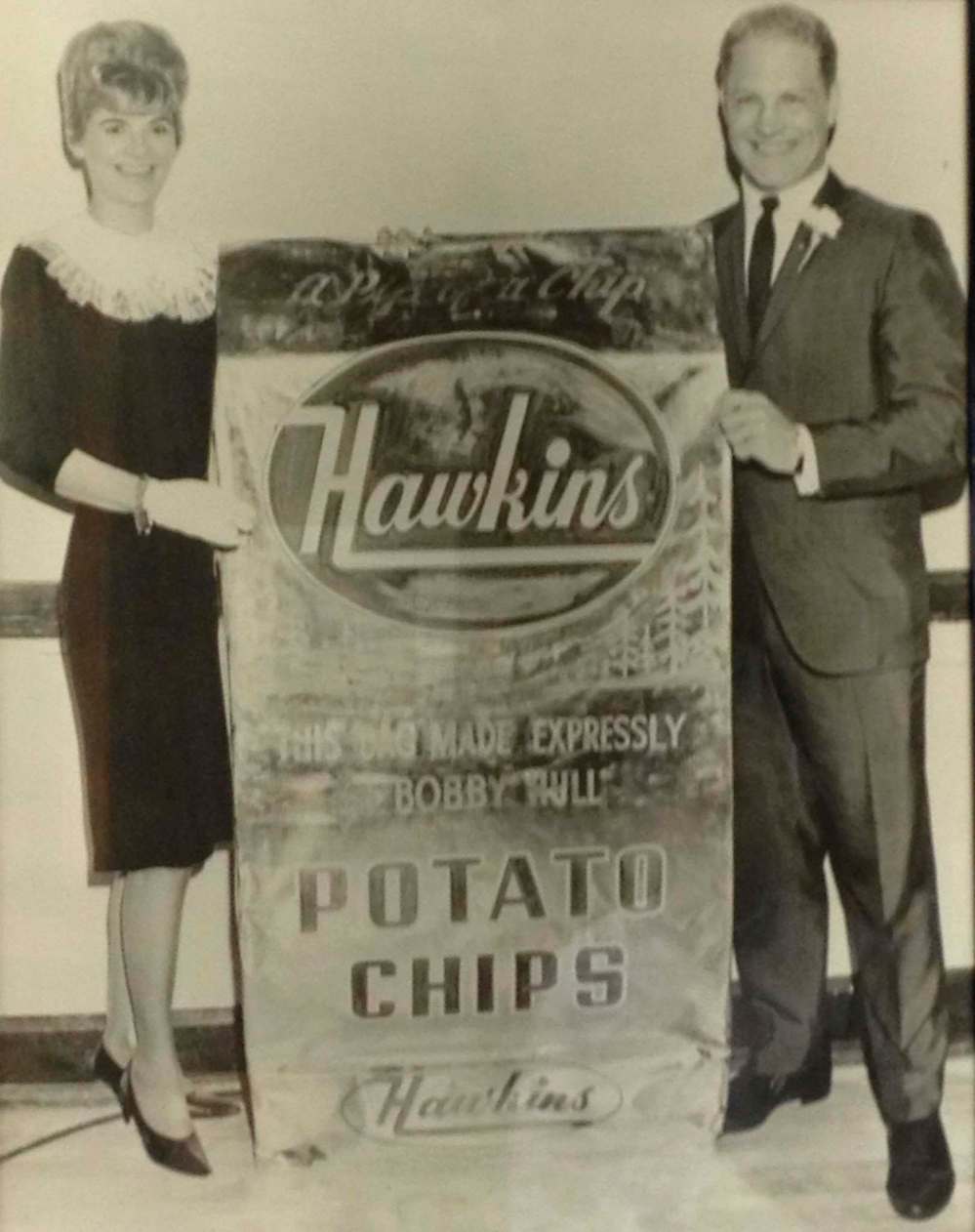
Excerpt from Janis Thiessen’s Snacks: A Canadian Food History. Thiessen will launch Snacks at McNally Robinson Booksellers on Tuesday, Oct. 10, with special guest Sarah Elvins and snacks provided by Old Dutch Foods and W.T. Hawkins.
Snack foods are simultaneously loved and reviled. Many of us eat them — and in great quantity. But we are told they are not healthy, either physically or morally. Snacks are filled with sugar or fat or salt, each of which — rightly or wrongly — has been linked in popular discourse with a host of diseases: hypertension, diabetes, bad cholesterol and (the most recent, and seemingly most pressing, concern) obesity. Our moral health is threatened by snacks as well. We are warned that we have replaced the cooking of raw ingredients in our homes — and the consumption of the resulting meals at a table surrounded by family and friends — with the hasty and lonely consumption, in cars and on the go, of processed food substitutes filled with chemicals and produced by faceless, industrial entities.
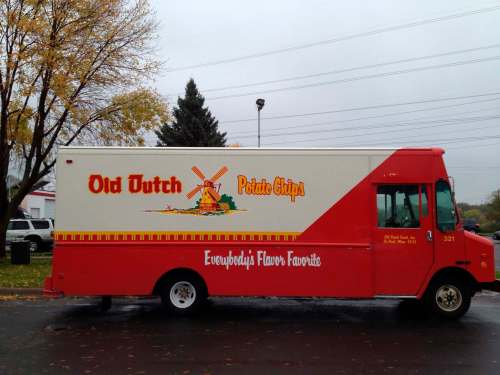
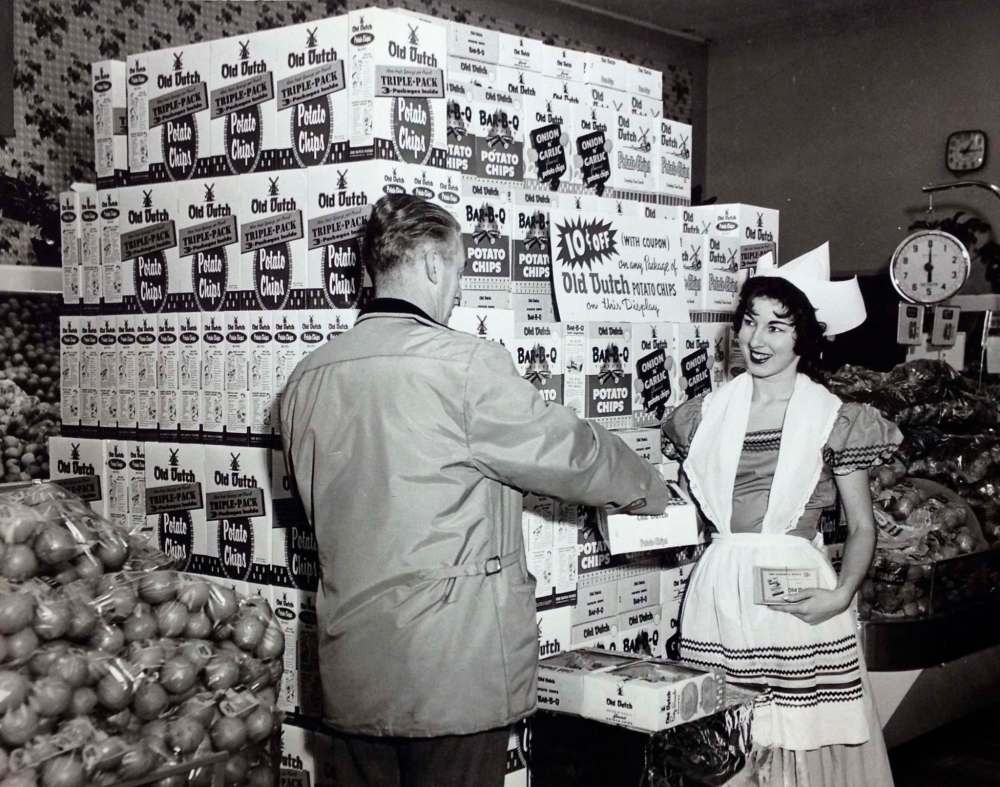
(imageTAg)When I was growing up, snacks were always available in my parents’ home. There were cases of Pic-a-Pop stacked beside the furnace in the basement: bottles of orange, root beer and (my father’s favourite) black cherry soda. The glass bottles fit neatly into the bright orange plastic cases provided by the Winnipeg bottling company, which would pay a deposit for their return. Beside these basement Pic-a-Pop cases were accompanying stacks of boxes of Old Dutch potato chips, primarily salt and vinegar flavour. In the pantry and kitchen, my parents stocked boxes of Cracker Jack, the occasional box of Lucky Elephant popcorn (which was coated in neon pink candy), Eat-More and Kit Kat chocolate bars, and Nutty Club pearled peanuts (with their bumpy coating of red candy). The freezer contained boxes of Mackintosh’s Toffee; my father preferred his toffee rock-hard and would smash it into eatable bits with his fist. The refrigerator held bags of Paulins Puffs, the chocolate-covered marshmallow cookie with a graham wafer base topped with jam: my parents liked the crack of the cold chocolate as they bit into the cookie. We got Wagon Wheels in our school lunch boxes and ate a cookie or two after our breakfast in the morning (our mother said it was important to start the day with something sweet). And buried in the bottom of my mother’s sewing machine cabinet was a secret stash of candy, accessible only to her.
“There is a certain amount of comfort in a bag of chips or a chocolate bar.”– Anonymous Old Dutch employee
Snacks were much less available to my father during his own childhood. Born in 1925, he had vivid memories of the traditional brown-paper lunch bag his church distributed to children at Christmas, filled with roasted peanuts in the shell, a few pieces of hard candy, and one precious Christmas orange. During prairie summers, he would catch gophers for the government bounty of five cents per tail, spending the money on Pepsi. Decades later, he could still sing the old jingle, “Pepsi-Cola hits the spot! Twelve full ounces, that’s a lot. Twice as much for a nickel, too. Pepsi-Cola is the drink for you.” But, despite this comparative paucity of snacks, his childhood diet was not necessarily healthier than mine. Typical meals included strips of deep-fried dough (known among Russian Mennonites as rollkuchen), salted and served with watermelon; bread spread with rendered pork fat (also known as crackles or jreewe); or plauten pie — a shallow apple pie baked on a cookie sheet (eaten as an entrée, not as a dessert).

Public discourse on snack food shows similarities to that on alcohol, tobacco and drugs. Nancy Reagan’s dictum “just say no” to drugs, for example, is echoed in Michael Pollan’s and New York Times columnist Mark Bittman’s pleas to individuals to make food choices that do not include processed foods. By contrast, New York Times reporter Michael Moss, in his discussions of junk food, uses the language of addiction, which in some ways displaces responsibility from the individual consumer to the broader political-economic system (while still ignoring the role of the worker in this process). Food historian Sara Davis, for example, argues that the language of addiction is a frame similar to the “demon drink” metaphor used by the earlier temperance movement: “Teetotallers had legitimate concerns about the effect of alcohol on physical and behavioural health, but their frame for this substance and its effects was one of possession: demon drink… When an appealing, catchy frame gets louder than the actual exchange of information, it drowns out reality-based problem-solving.” Morality is often tied to what one chooses to manufacture or consume, but Davis cautions that food of all kinds is “morally neutral.” The temperance movement was often about the social control and moral judgment of the lower classes by their “betters.”
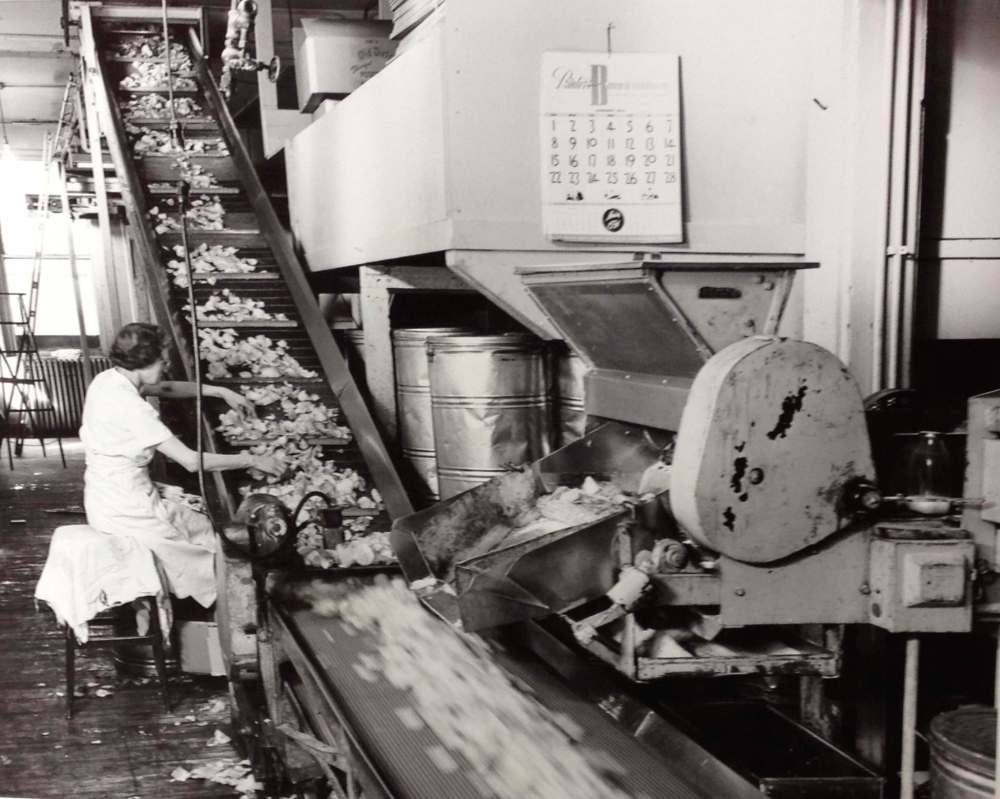
In the same way, popular discussion of snack foods is too often about control and judgment of others. Davis says, “When we talk about the junk food habits of Other People in a way that depicts these Other People as thoughtless, addicted eating machines, that’s dehumanizing. And elitist. Because let’s be honest, when we worry about the junk food habits of Other People, we usually mean Fat People or Poor People or High School Kids, right? And it suits us to think of these groups of people as being unable to make decisions for themselves, just as it suits us to jokingly cast our own entirely human desires as uncontrollable urges.” We need to look past this binary of “choice” and “addiction” to the lived experiences of eaters. This lived sensory experience reveals that people have chosen to eat snack foods for a variety of reasons, including taste, which is shaped not just by the physiological experience of eating but also by collective memory. The labour process that results in these products, however, is acknowledged by consumers (and, too often, also by scholars) only in a superficial manner.
Industrial capitalism after the Second World War transformed Canadian society, as the manufacturing of non-essential products escalated, and postwar prosperity and increasing working hours transformed snack foods from “treats” to replacement or supplementary “meals.” In an article for Food, Culture & Society, Katherine Turner explains that the transformation was assisted by the fact that “a worker’s time could be better spent earning wages than producing cooked food at home.” This process was hastened in the 1970s and 1980s as real wages stagnated and food access in poorer neighbourhoods became more limited. As a consequence, according to food scholar Marion Chan, in Canada, “the snack meal is now second only to dinner.” The average Canadian ate more than 300 between-meal snacks (including snacks of fruit and vegetables) in 2010. The Canadian snack food industry is a small part of the nation’s food industry, constituting only 3.1 per cent of employment and 1.1 per cent of manufacturing plants in the sector in 2009. It is nonetheless an important player, employing more than 7,500 workers in approximately 100 factories with combined annual revenue of $2.5 billion. The majority of these factories is located in Ontario, with Quebec and Western Canada as residence to most of the remainder. Many of these manufacturers underwent consolidation in the 1980s and 1990s, so that the largest four companies now produce 82 per cent of snack foods in Canada. The industry is often blamed for obesity, though Canadian caloric intake has been decreasing in recent years.
Janis Thiessen is an associate professor in history and the associate director of the Oral History Centre at the University of Winnipeg. Her favourite snack food is dill pickle potato chips.
Related Articles
Sour economics ends Nutty Club’s sweet Winnipeg history
Advertisement Advertise With Us
Advertisement Advertise With Us