

Only two of 17 snowy owls rescued have survived: rehab centre
Advertisement
Read this article for free:
or
Already have an account? Log in here »
To continue reading, please subscribe:

Digital Subscription
One year of digital access for only $205*
- Enjoy unlimited reading on winnipegfreepress.com
- Read the E-Edition, our digital replica newspaper
- Access News Break, our award-winning app
- Play interactive puzzles
*First annual payment billed as $205.00 + GST for one year. This annual subscription will automatically renew at $233.00 + GST every 52 weeks (10% off the regular annual price of $259.35). Offer available to new and qualified returning subscribers only. Cancel any time.
To continue reading, please subscribe:
Add Free Press access to your Brandon Sun subscription for only an additional
$1 for the first 4 weeks*
- Enjoy unlimited reading on winnipegfreepress.com
- Read the E-Edition, our digital replica newspaper
- Access News Break, our award-winning app
- Play interactive puzzles
*Your next Brandon Sun subscription payment will increase by $1.00 and you will be charged $17.95 plus GST for four weeks. After four weeks, your payment will increase to $24.95 plus GST every four weeks.
Read unlimited articles for free today:
or
Already have an account? Log in here »
Hey there, time traveller!
This article was published 31/12/2017 (3184 days ago), so information in it may no longer be current.
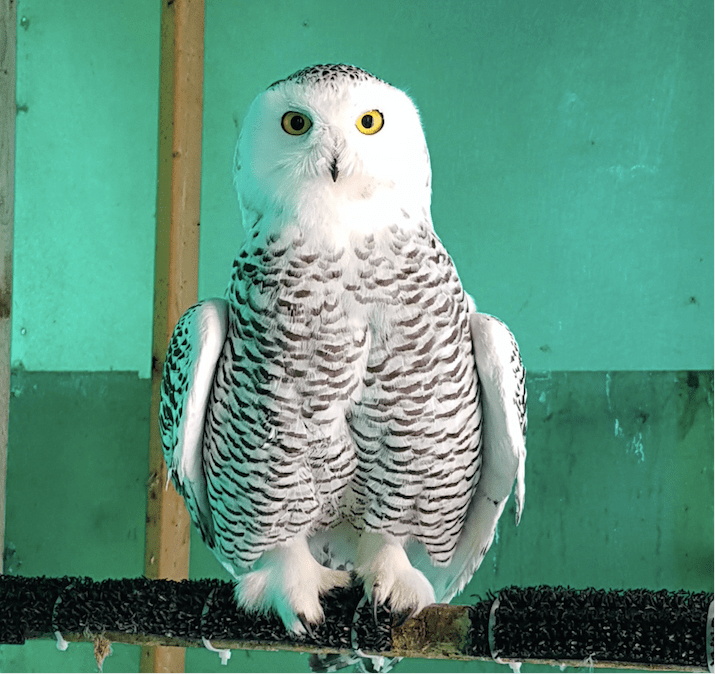
Of the 17 snowy owls that have been taken to a Manitoba rehab centre since the end of October, there are only two survivors.
One owl was released recently at Oak Hammock Marsh, and another remains at the Wildlife Haven Rehabilitation Centre in Île-des-Chênes, director Dan Diawol said.
“The rest of them have either died or had to be euthanized due to their injuries.”
The owls’ conditions upon admission “are just so poor that their likelihood of survival is just very, very low,” said Diawol.
Some years, the natural boom-and-bust cycle of the population of Arctic lemmings — a key food source for snowy owls — leads large numbers of younger owls to venture south, he said.
“This year, we’re not sure if that’s a contributing factor or not, other than there is a high population of snowys heading this direction,” Diawol said.
Most of the owls taken in by the rehab centre this year have been young birds, he added, “and they’re probably in search of territory because of the population excess up north right now.”
This year, Diawol is seeing birds that have suffered injuries such as fractured wings.
“A lot of them are due to vehicle strikes,” he said.
Unlike most other owls, snowy owls hunt during the day.
“They will be flying along ditches or such looking for field mice or other rodents that might be around, and when they’re in pursuit of these animals they get so focused on them that they’re very oblivious to any other harms that might be coming, such as a vehicle.”
The lone snowy owl remaining at the centre arrived with head trauma, Diawol said. He hopes to release it in the coming weeks.

“It had a squinty eye, so it probably got knocked by a vehicle or something like that, and it’s since recovering.”
Diawol said drivers should “be aware of the wildlife out there.”
“A lot of the animals we do get in are vehicle collisions such as these owls, and just always be cautious of that while driving down the highways.”
solomon.israel@freepress.mb.ca
@sol_israel
Related Articles
Wildlife haven straining to care for high number of hurt animals
Advertisement Advertise With Us
Advertisement Advertise With Us