

Winding waterways
State of Canada's rivers explored in journalist's latest collection of essays
Advertisement
Read this article for free:
or
Already have an account? Log in here »
To continue reading, please subscribe:
Digital Subscription
One year of digital access for only $1.44 a week*
- Enjoy unlimited reading on winnipegfreepress.com
- Read the E-Edition, our digital replica newspaper
- Access News Break, our award-winning app
- Play interactive puzzles
*Billed as $5.77 plus GST every four weeks. After 52 weeks, price increases to the regular rate of $19.95 plus GST every four weeks. Offer available to new and qualified returning subscribers only. Cancel any time.
To continue reading, please subscribe:
Add Free Press access to your Brandon Sun subscription for only an additional
$1 for the first 4 weeks*
- Enjoy unlimited reading on winnipegfreepress.com
- Read the E-Edition, our digital replica newspaper
- Access News Break, our award-winning app
- Play interactive puzzles
*Your next Brandon Sun subscription payment will increase by $1.00 and you will be charged $17.95 plus GST for four weeks. After four weeks, your payment will increase to $24.95 plus GST every four weeks.
Read unlimited articles for free today:
or
Already have an account? Log in here »
Hey there, time traveller!
This article was published 06/01/2018 (3071 days ago), so information in it may no longer be current.
With countries threatening war, political correctness running rampant and social media distracting nearly everybody, it is a good time to focus on the natural world — to celebrate it and try to preserve it.
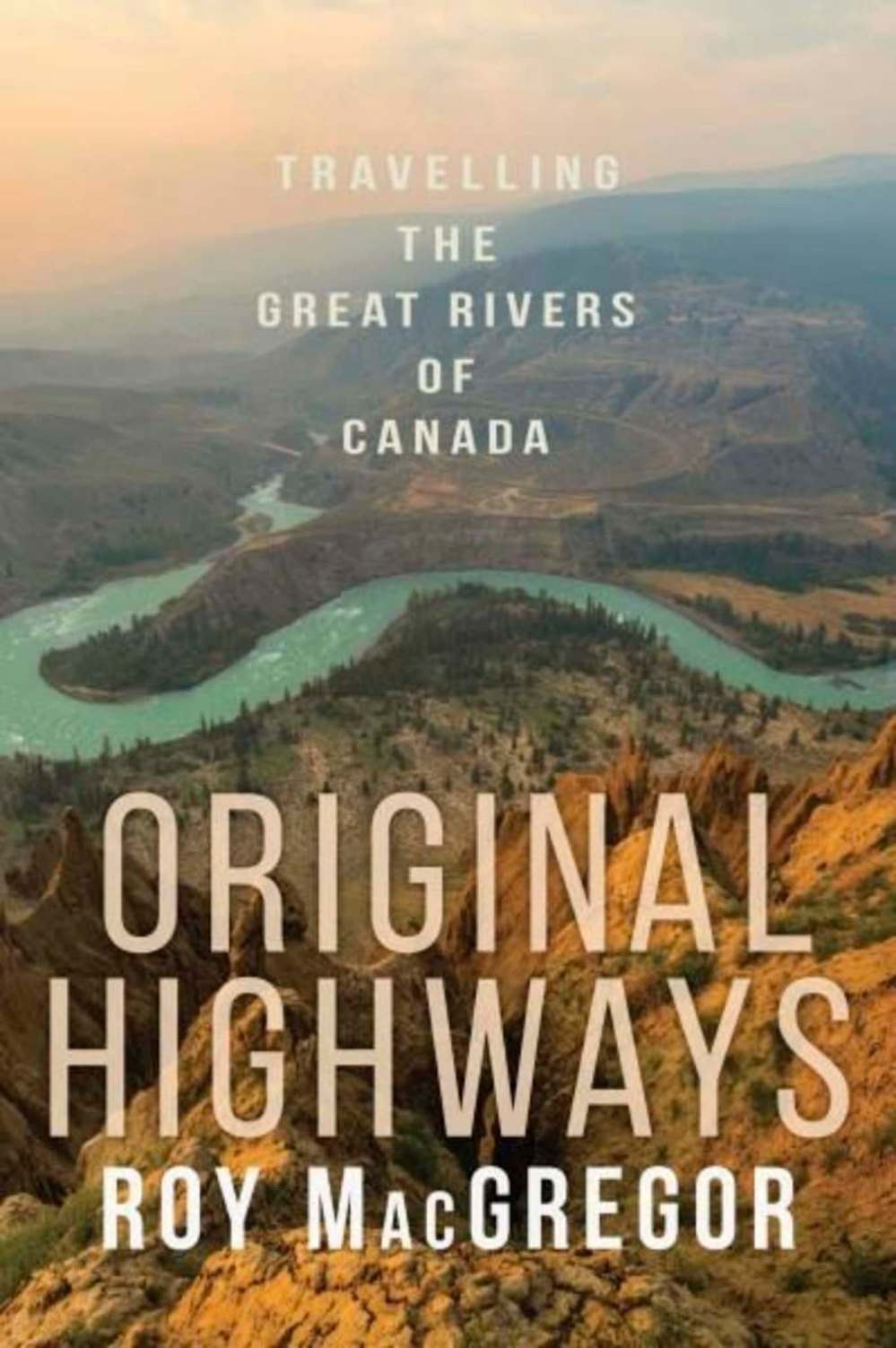
In his new book, Ontario author and veteran journalist Roy MacGregor turns his attention to Canada’s most enviable resource: its rivers. He visits 16 of the best-known ones, offering snippets of history, quotations from nearby residents and some of his own observations, pointing out in convincing fashion what treasures these rivers are.
MacGregor’s title might suggest that his book deals primarily with sightseeing, but what emerges most vividly is a disturbing assessment of the current state of the rivers.
Hydroelectric dams and raw sewage have, over the years, dramatically interfered with the fish and the freshness of the water. MacGregor finds that, in almost every case, private citizens and public figures are becoming more and more serious about reversing alarming trends.
Even though some people living along the Ottawa River won’t allow their kids to swim in it, its deep waters “are home to 96 fish species and its wetlands visited by a remarkable 300 species of birds.”
Besides the Ottawa, the rivers MacGregor highlights are:
The St. Lawrence (“the inarguable passage to Canada”)
Toronto’s Don (“Canada’s most urban river”)
British Columbia’s mighty Fraser (15 million litres pounding through Hell’s Gate every second)
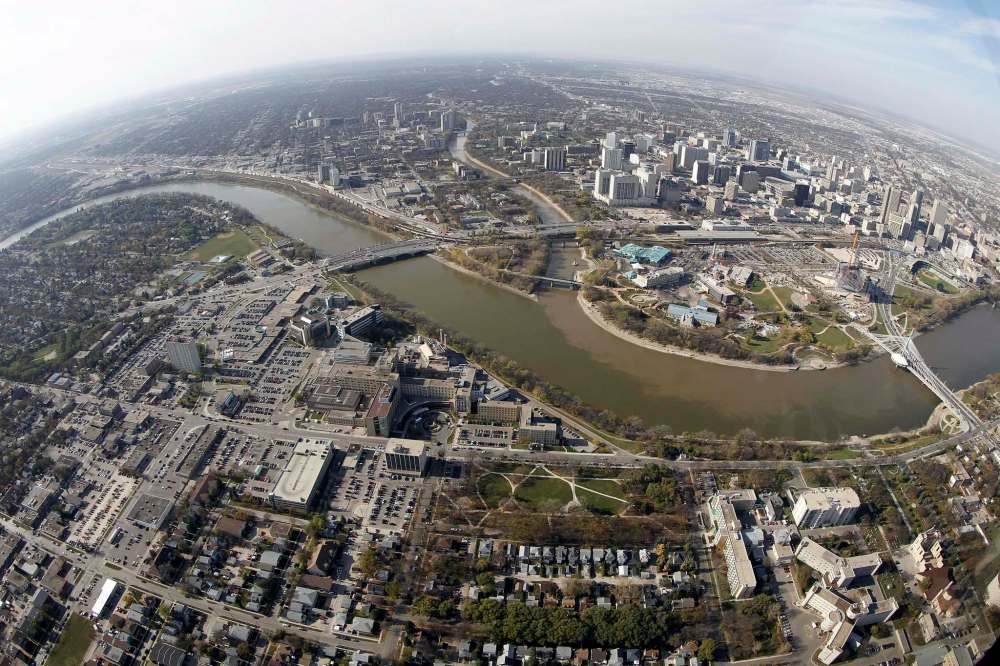
Manitoba’s frequently flooding Red (“Duff’s Ditch a saviour”)
The Niagara (“the main attraction remains the falls, of course, though there was a two-week period in June of 1952 when Marilyn Monroe gave the water a run for its money”)
New Brunswick’s Saint John (“The pulp mill killed the river” but it’s getting better)
The Mackenzie (in North America, only the Mississippi is longer)
The Grand in Southern Ontario (threatened now, not by pollution, but by the water-bottling industry)
Alberta’s Bow (Calgarians love to fish, paddleboard, canoe and kayak on it)
The Gatineau (gets Grade A marks for swimming)
Ottawa’s Rideau River and Canal (Colonel By’s remarkable engineering feat)
The Columbia (starts in B.C. but is mostly in the United States.)
The North Saskatchewan (being affected by an increasing number of extreme weather events)
The Muskoka (featuring private islands with multimillion-dollar cottages)
Quebec’s Dumoine
This latter river, a mere 130 kilometres in length from Lac Dumoine to the Ottawa River, “tumbles through 39 falls and rapids, seven of which are mandatory portages, too dangerous to risk,” writes MacGregor.
“There are no dams along the Dumoine, there are canoes and kayaks but no cabin cruisers or high-powered fishing boats. There is no cellphone reception… no internet access.” What a paradise.
MacGregor includes many humourous anecdotes, one of the best involving former prime minister Pierre Elliott Trudeau who, though ill and frail at age 77, wanted to check off an item on his bucket list — canoeing on the Petawawa River, with its dangerous rapids. Well-known paddler Wally Schaber obliged Trudeau and their jaunt almost ended in disaster.
Much of the history of these rivers involves First Nations — in many cases, abuse of the river has been synonymous with abuse of Indigenous people.

MacGregor suggests that any improvement in river systems goes hand in hand with reconciliation.
Original Highways includes a map of where all these rivers are, and photos of key people MacGregor met on his travels around Canada.
Well-known for his books and articles on sports, Roy MacGregor has done Canadians a tremendous favour by showing not only how our rivers can provide tranquility and diversion but also how important it is that we protect and nourish our river system, an asset we must cherish.
As Canoe Lake Cree First Nation elder Emil Bell said, “Water is life. No water, no life — it’s that simple.”
Dave Williamson is the Winnipeg author of 10 books; his most recent is a novel called Visiting Fellow.