

Swine flu surge hits reserve
Extra doctors, drugs sent to help H1N1 patients in St. Theresa Point
Advertisement
Read this article for free:
or
Already have an account? Log in here »
To continue reading, please subscribe:

Digital Subscription
One year of digital access for only $205*
- Enjoy unlimited reading on winnipegfreepress.com
- Read the E-Edition, our digital replica newspaper
- Access News Break, our award-winning app
- Play interactive puzzles
*First annual payment billed as $205.00 + GST for one year. This annual subscription will automatically renew at $233.00 + GST every 52 weeks (10% off the regular annual price of $259.35). Offer available to new and qualified returning subscribers only. Cancel any time.
To continue reading, please subscribe:
Add Free Press access to your Brandon Sun subscription for only an additional
$1 for the first 4 weeks*
- Enjoy unlimited reading on winnipegfreepress.com
- Read the E-Edition, our digital replica newspaper
- Access News Break, our award-winning app
- Play interactive puzzles
*Your next Brandon Sun subscription payment will increase by $1.00 and you will be charged $17.95 plus GST for four weeks. After four weeks, your payment will increase to $24.95 plus GST every four weeks.
Read unlimited articles for free today:
or
Already have an account? Log in here »
Hey there, time traveller!
This article was published 04/06/2009 (6291 days ago), so information in it may no longer be current.
WINNIPEG — A spike in the number of Manitobans sick with H1N1 influenza has left Winnipeg hospitals facing a rush for intensive-care beds while extra doctors and drugs are being rushed to an isolated First Nation that seems particularly hard hit.
Dr. Elise Weiss, Manitoba’s acting chief medical officer, confirmed Wednesday 27 new cases of H1N1 influenza have been reported across the province — including three in the northern health region that includes St. Theresa Point First Nation.
Another 19 new cases were reported in Winnipeg, including at least one person hospitalized for severe flu symptoms.
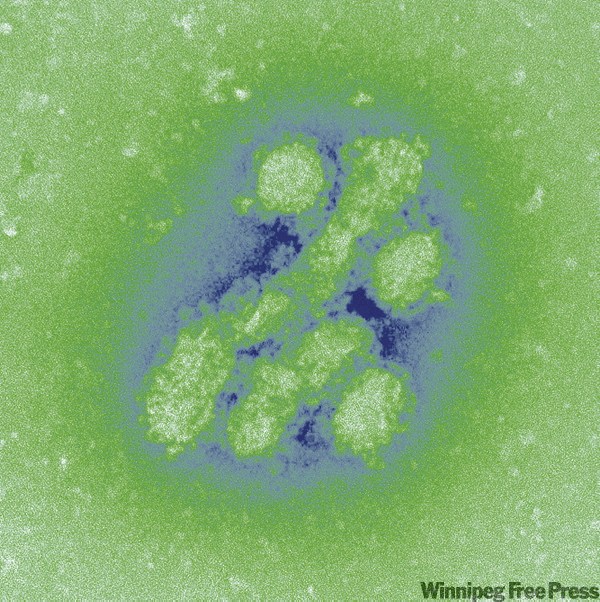
To date, a total of 38 cases of H1N1, also known as swine flu, have been reported in Manitoba.
St. Theresa Point Chief David McDougall said 20 residents have recently been flown to Winnipeg hospitals suffering with flu symptoms, including 12 people who were medevaced in the last week.
Ten children have been hospitalized, along with two pregnant women in critical condition at St. Boniface General Hospital. One woman lost her baby as a result of the illness.
It’s still unknown whether everyone who has fallen ill with a respiratory virus in the remote fly-in community is infected with swine flu, and health officials say there are still many tests that must be completed at Manitoba laboratories.
Meanwhile, McDougall said residents continue to wear masks and avoid public gatherings to prevent the spread of the disease. The province has sent three additional physicians and antiviral drugs from their pandemic stockpile to St. Theresa Point, located about 500 kilometres north of Winnipeg. At least six federal health officials arrived in the community on Wednesday to address the situation, which McDougall said included a presentation about influenza on the reserve’s local TV station.
"We are taking these precautions," McDougall said. "We’re doing the best we can."
The surge in new cases has put a strain on Winnipeg emergency rooms and intensive-care units, which have seen a big influx of patients reporting respiratory problems in the last week.
Winnipeg Regional Health Authority chief nursing officer Jan Currie said visits to city emergency rooms jumped to 1,000 visits a day this week — up from the usual 800. She said hundreds of Winnipeggers are reporting flu-like symptoms at a time of year when influenza has usually fizzled out.
Staff have been asked to work overtime to handle the extra cases and every hospital is trying to move patients to personal-care homes to free up beds. Currie said the WRHA has purchased more ventilators and plans to put suspected H1N1 patients in emergency-room beds if they run out of intensive-care beds.
"Some of the staff are working overtime to staff the beds," Currie said. "We’re very full and we want to be able to predict if we need more (beds) to manage it."
While public health officials have been bracing for additional cases since swine flu incited a worldwide pandemic scare in April, the latest cases have some communities worried they aren’t ready for an outbreak.

Red Sucker Lake Chief Larry Knott is watching the outbreak of respiratory illness in St. Theresa Point closely, and said he worries his community won’t be able to heed much of the preventative advice from public health practitioners. Handwashing is key to preventing the spread of influenza, but Knott said many residents don’t have running water and must get fresh water in a pail from the lake.
First Nations leaders have warned crowded homes and impoverished conditions leave reserves inadequately equipped to deal with a widespread disease outbreak.
Red Sucker Lake is about 100 kilometres north of St. Theresa Point.
"If it hits us, I’m pretty sure it’ll hit us pretty hard," Knott said.
jen.skerritt@freepress.mb.ca

Advertisement Advertise With Us
Advertisement Advertise With Us