Send the right message this Valentine’s Day
Learn to speak the hidden language of flowers
Advertisement
Read this article for free:
or
Already have an account? Log in here »
To continue reading, please subscribe:

Digital Subscription
One year of digital access for only $205*
- Enjoy unlimited reading on winnipegfreepress.com
- Read the E-Edition, our digital replica newspaper
- Access News Break, our award-winning app
- Play interactive puzzles
*First annual payment billed as $205.00 + GST for one year. This annual subscription will automatically renew at $233.00 + GST every 52 weeks (10% off the regular annual price of $259.35). Offer available to new and qualified returning subscribers only. Cancel any time.
To continue reading, please subscribe:
Add Free Press access to your Brandon Sun subscription for only an additional
$1 for the first 4 weeks*
- Enjoy unlimited reading on winnipegfreepress.com
- Read the E-Edition, our digital replica newspaper
- Access News Break, our award-winning app
- Play interactive puzzles
*Your next Brandon Sun subscription payment will increase by $1.00 and you will be charged $17.95 plus GST for four weeks. After four weeks, your payment will increase to $24.95 plus GST every four weeks.
Read unlimited articles for free today:
or
Already have an account? Log in here »
Hey there, time traveller!
This article was published 13/02/2018 (3071 days ago), so information in it may no longer be current.
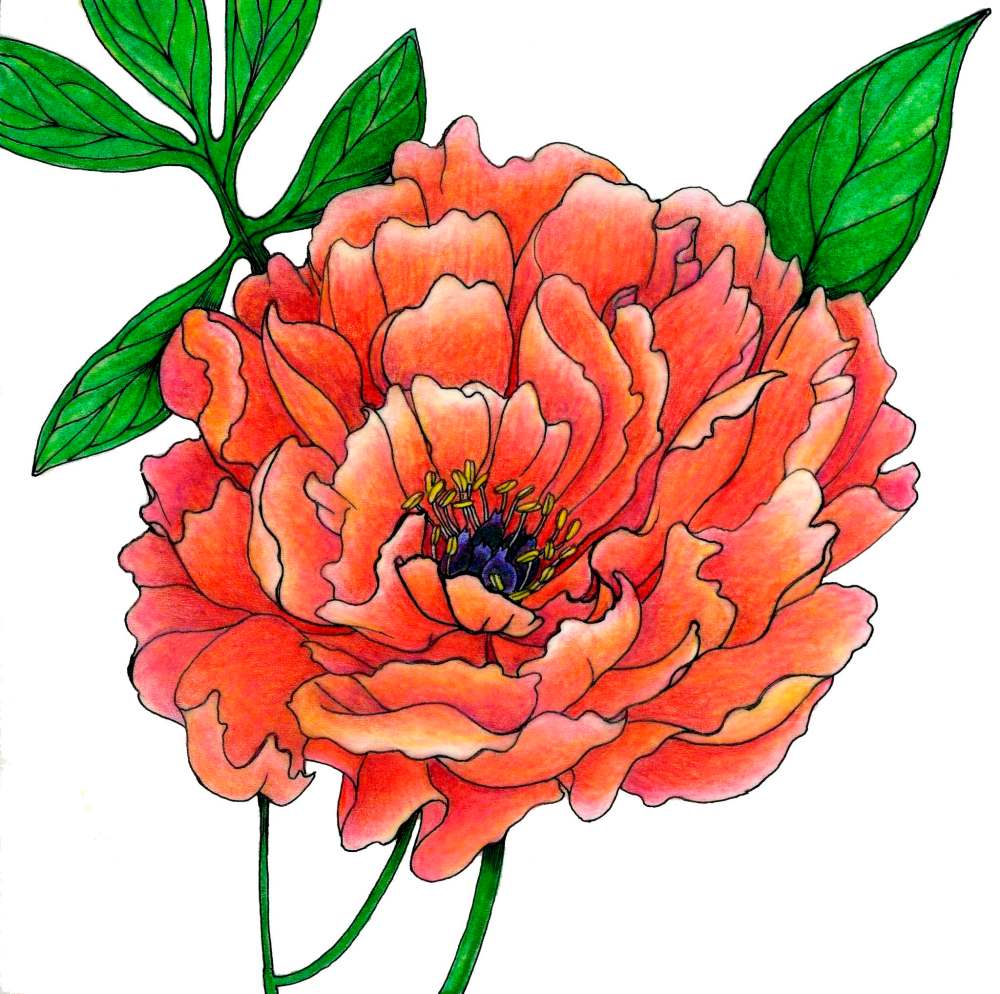
It’s T-minus one and counting. Tomorrow is Valentine’s Day, the day to deliver a bountiful bouquet to the one who makes your heart go pitter-pat.
Forget to do this at your peril.
You don’t just want to deliver flowers, though. You want to deliver the right message. You might think “flowers are flowers are flowers” and that showing up clutching a handful of pretty posies is all that it takes to “say it with flowers.”
But flowers can be, and have historically been, used to convey very specific meanings. A dozen red roses are a pretty universal message of romantic love, but while they’re a popular enough fall-back, a more nuanced, personal message might be in order, perhaps from a different genus — such as tulips (perfect lover), or if you’re very serious, include ivy (wedded love).
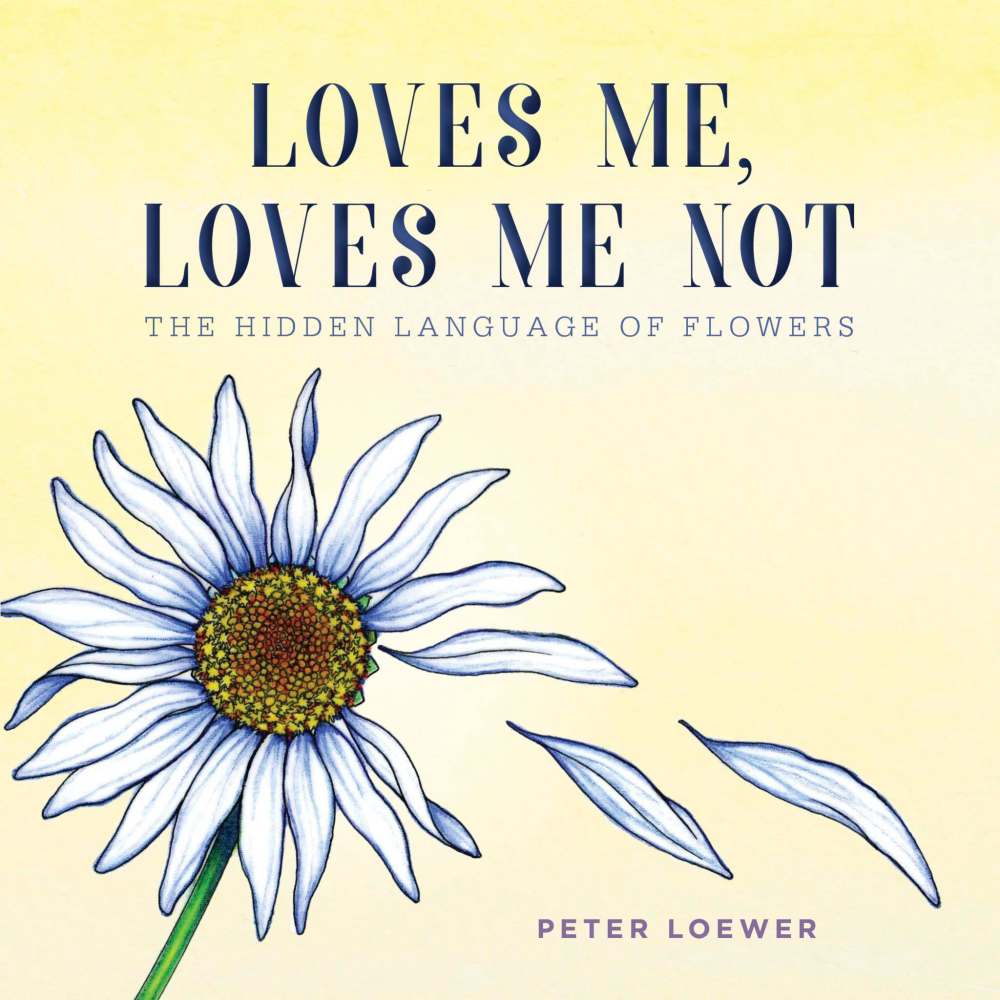
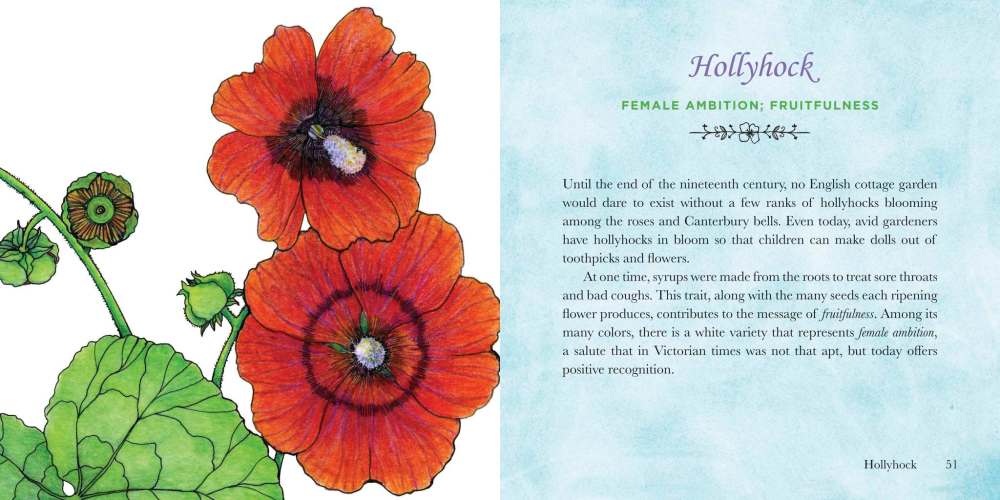
Peter Loewer (thewildgardener.com), a botanical illustrator and author of books on natural history and gardening from Asheville, N.C., has researched, written and illustrated Loves Me, Loves Me Not: The Hidden Language of Flowers (Skyhorse Publishing, $22.99).
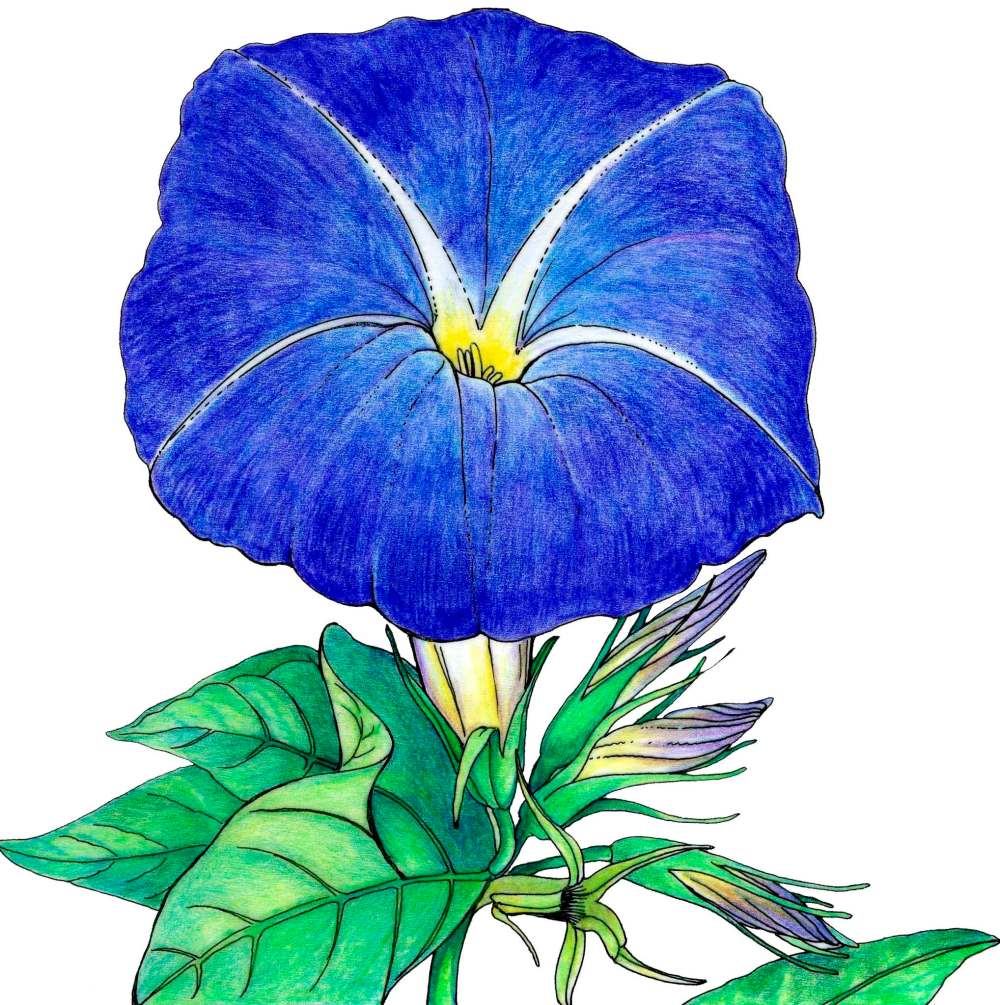
It’s a delightful book of floral lore, with exquisite, watercolour renderings of 50 flowers, each on a tinted page, a gift in itself. Loewer delves into the history of floral language and can help you, oh hapless suitor, send the message you mean to your beloved.
Loewer, whose work is included in the permanent collection of the Carnegie Mellon’s Hunt Institute of Botanical Documentation, got “into the garden” as a kid growing up during the Second World War.
“There was a concerted effort for Americans to take their backyards and grow basic food crops,” Loewer says.
“My mother pushed me out to the garden and I’ve been there on-and-off for most of my career, first as subject matter for being a writer about nature and gardens, and second because, in today’s world, it often offers a wonderful chance to relax.”
Loewer does miss the more personal approach to messaging of times gone by.
“We now seem to be in a world that is quickly turning to things artificial and, from music to books and on to politics, anything that takes time to establish, like a meaningful relationship, is just too much trouble,” he says.
“It’s on the quick and the gaudy and farewell to walks in a garden or going out a night to look at the moon.”
Some of that lament may be because of his love of the Victorian Age, which he says is partly what inspired this book.
“When I got to art school (Albright Art School of the University of Buffalo), I minored in art history and being a devotee of Sherlock Holmes, I fell in love with the history of English gardens and the Victorian Age, including the various explorations to explore the world, and the people involved at that time,” he says.
He discovered Lady Mary Wortley Montagu, who accompanied her husband, the British ambassador to Turkey in 1717. Loewer explains that her letters from the Turkish embassy were published in 1763 and one of her studied areas was the Ottoman Seraglios and the women who were confined to harems.
“She saw that the women who literally belonged to their rulers, although basically illiterate, had developed a language of flowers where blossoms represented thoughts and words that the Sultan knew nothing about,” he says.
It was like sending a floral text message, but so much lovelier than the digital “U-up?”
The language found it’s way to England where the popularity of exotic and common garden flowers available in flower stalls and in the greenhouses of the great estates assured it’s wild — somewhat underground — success.
“I was amazed to find out just how many people were involved in sending flowers to loved ones and how many knew one of the many floral codes, which meant there were a lot more affairs than most people think,” he says.
“The Victorians were great prudes — remember the great story about clothing piano legs?” he says. “There were not that many books available because many of them were thought to be decidedly erotic in content.”
All that public and private impropriety aside, everyone has a favourite flower, and so does Loewer.
He is fond of the red carnation, whose history goes back over 2,000 years.
“The recent lore of this flower was said to have started with King Louis IX when the plants and blossoms were found around the Mediterranean Sea and brought back to France where the sap was used to treat victims of the Black Death,” he says.
“French aristocrats wore carnations in their buttonholes on the way to the guillotine, hence ‘bravery’ becomes a floral message.
“And at one time, carnations were so rare and valuable that vanity and love both were implied by the red petals.”
Twitter: @WendyKinginWpg
Excerpted from Loves Me, Loves Me Not: The Hidden Language of Flowers by Peter Loewer. Copyright © 2017. Illustrations by Peter Loewer. Used with permission from Skyhorse Publishing.