A disturbing look back
Molly Ringwald is uncomfortable with The Breakfast Club's ho-hum attitude to sexual harassment
Advertisement
Read this article for free:
or
Already have an account? Log in here »
To continue reading, please subscribe:

Digital Subscription
One year of digital access for only $205*
- Enjoy unlimited reading on winnipegfreepress.com
- Read the E-Edition, our digital replica newspaper
- Access News Break, our award-winning app
- Play interactive puzzles
*First annual payment billed as $205.00 + GST for one year. This annual subscription will automatically renew at $233.00 + GST every 52 weeks (10% off the regular annual price of $259.35). Offer available to new and qualified returning subscribers only. Cancel any time.
To continue reading, please subscribe:
Add Free Press access to your Brandon Sun subscription for only an additional
$1 for the first 4 weeks*
- Enjoy unlimited reading on winnipegfreepress.com
- Read the E-Edition, our digital replica newspaper
- Access News Break, our award-winning app
- Play interactive puzzles
*Your next Brandon Sun subscription payment will increase by $1.00 and you will be charged $17.95 plus GST for four weeks. After four weeks, your payment will increase to $24.95 plus GST every four weeks.
Read unlimited articles for free today:
or
Already have an account? Log in here »
Hey there, time traveller!
This article was published 14/04/2018 (3048 days ago), so information in it may no longer be current.
During one scene of John Hughes’s 1985 film The Breakfast Club, the rebellious teenage character John Bender, played by Judd Nelson, hides from a teacher by crouching under a desk near Claire Standish, played by Molly Ringwald. He is seen peeking under Claire’s skirt, and the camera flashes to a shot of her underwear. It’s implied that Bender then touches her inappropriately. Claire squeals, squeezing Bender’s head between her knees.
As he emerges from under the desk, Claire slaps him and cusses at him, but keeps a straight face.
“It was accident,” Bender says. “So sue me.”
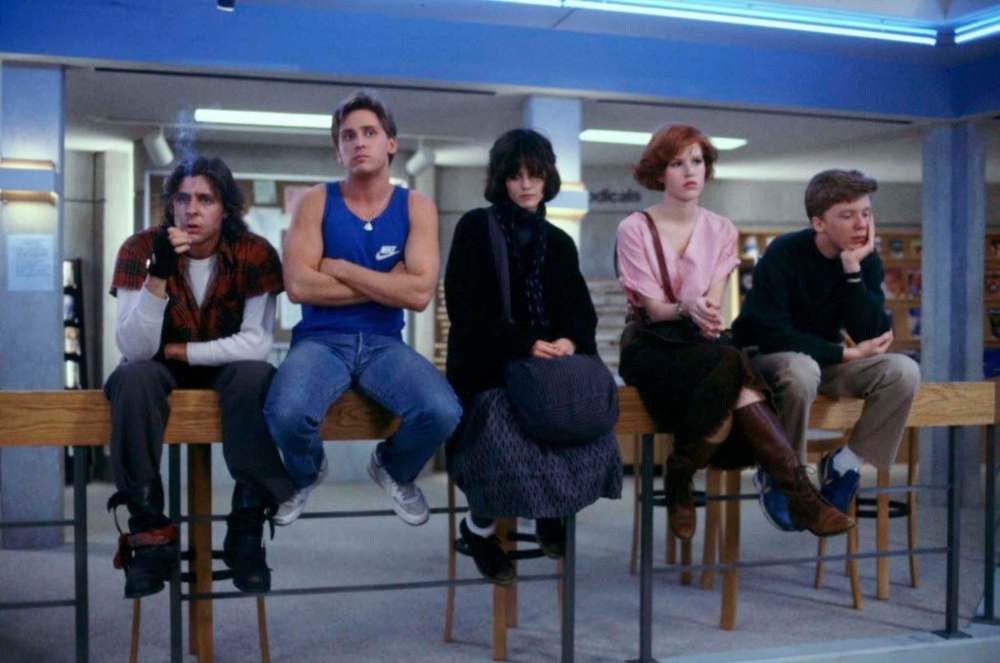
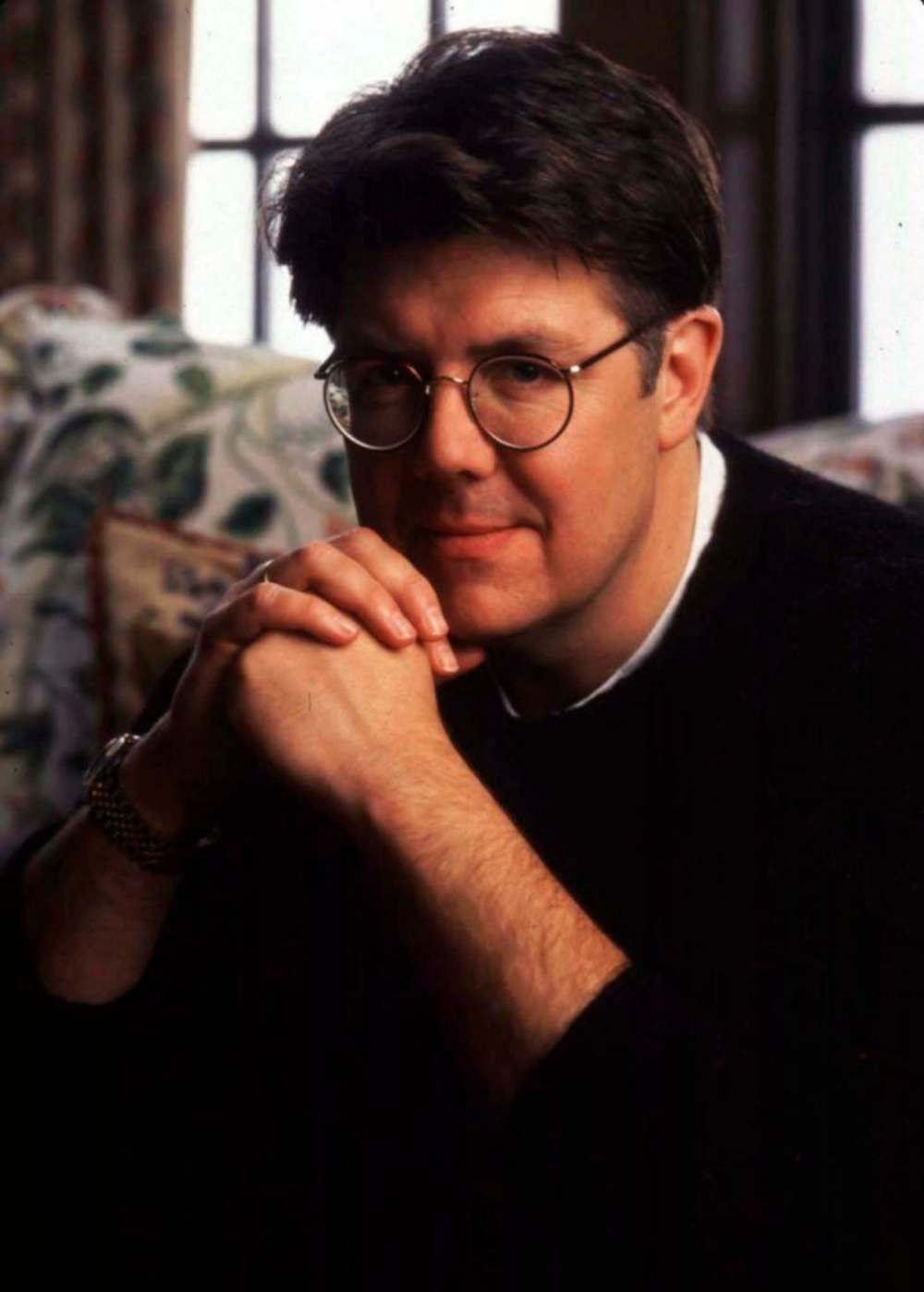
In the years since Hughes’ death, Ringwald has praised the work of the Hollywood director, producer and writer, famous for his influential 1980s films portraying teenage angst. Days after Hughes’ fatal heart attack in 2009, Ringwald wrote an essay in the New York Times mourning her former mentor and friend, who was responsible for helping catapult her career. At the Oscars the following year, she helped deliver a tribute to Hughes.
“John saw something in all of us,” said Ringwald, best known for her roles in Hughes’ Sixteen Candles, Pretty in Pink and The Breakfast Club, said in the tribute. “His genius was taking the pain of growing up and relating it to everyone.”
But this fall, as allegations of sexual harassment against Harvey Weinstein brought forth the #MeToo movement, Ringwald began to revisit Hughes’ films, including The Breakfast Club. “I felt the need to examine the role that these movies have played in our cultural life: where they came from, and what they might mean now,” she wrote in an essay in the New Yorker published last week.
In her essay, Ringwald provides a nuanced, candid reckoning of some of the most beloved movies of the 1980s, the movies that launched her fame. Through reflection, research and interviews with former co-stars, Ringwald sheds light on moments in the films she now finds disturbing. She recalls scenes and movie characters that she now feels sexualized teenage girls, objectified women and reinforced misogynistic views.
In doing so, she addresses an uncomfortable dilemma facing many movie viewers amid the #MeToo era: How to appreciate the movies they’ve always loved while revisiting them with a fresh, critical eye of the present. Ringwald herself wrestles with this complicated question, acknowledging that “even criticizing them makes me feel like I’m divesting a generation of some of its fondest memories, or being ungrateful since they helped to establish my career. And yet embracing them entirely feels hypocritical.”
“How are we meant to feel about art that we both love and oppose?” Ringwald writes. “What if we are in the unusual position of having helped create it? Erasing history is a dangerous road when it comes to art-change is essential, but so, too, is remembering the past, in all of its transgression and barbarism, so that we may properly gauge how far we have come, and also how far we still need to go.”
Taking a critical look at these movies matters, she says, because of the way they influenced real-life behaviour and views. “If attitudes toward female subjugation are systemic, and I believe that they are, it stands to reason that the art we consume and sanction plays some part in reinforcing those same attitudes,” she writes.
Ringwald writes about what made Hughes’ movies so unique — how they urged Hollywood to take young people seriously, how they helped teenagers realize that they weren’t alone in feeling angry or isolated or rejected.
“No one in Hollywood was writing about the minutiae of high school, and certainly not from a female point of view,” Ringwald writes. “That two of Hughes’ films had female protagonists in the lead roles and examined these young women’s feelings about the fairly ordinary things that were happening to them, while also managing to have instant cred that translated into success at the box office, was an anomaly that has never really been replicated.”
But she is troubled by parts of these movies, including some scenes in which she starred. She describes the time when she agreed to watch The Breakfast Club with her daughter, who was then 10 years old. “I worried that she would find aspects of it troubling, but I hadn’t anticipated that it would ultimately be most troubling to me,” she said.
In hindsight, Ringwald says she sees that Bender sexually harasses Claire throughout the film, and Claire responds “dismissively.”
“When he’s not sexualizing her, he takes out his rage on her with vicious contempt, calling her ‘pathetic,’ mocking her as ‘Queenie.’ It’s rejection that inspires his vitriol,” Ringwald writes. “He never apologizes for any of it, but, nevertheless, he gets the girl in the end.”
She also mentions a scene in Sixteen Candles in which the character Jake “essentially trades his drunk girlfriend, Caroline, to the Geek, to satisfy the latter’s sexual urges, in return for Samantha’s underwear.”
Ringwald interviewed her former co-star Haviland Morris, who played the character Caroline, and asked for her take on it. Morris responded that it “certainly doesn’t demonstrate responsible behaviour from either party, but also doesn’t really spell date rape. On the other hand, she was basically traded for a pair of underwear… Ah, John Hughes.”
Ringwald addresses the now-common issue of separating the artist from the art. “I’m not thinking about the man right now but of the films that he left behind,” she writes. “Films that I am proud of in so many ways.”
They were, at times, inclusive of teenagers from various walks of life, while, at other times, grossly racist and lacking in diversity, she writes. His films could be considered homophobic at times, she said, and yet she has been told by numerous people in the LGBT community that the films “saved” them.
O ne of those people was Emil Wilbekin, a gay, African American journalist who founded an organization called Native Son, which aims to empower gay black men. Wilbekin told Ringwald that despite the lack of diversity, the characters in Hughes’ films were also “finding themselves and being ‘other’ in a very traditional, white, heteronormative environment.” The characters and plot, he told her, “were so beautifully human, perfectly imperfect and flawed” that the lack of diversity didn’t bother him.
Others on social media appeared to disagree with this sentiment, at least partially.
Rebecca Carroll, a producer of special projects on race at WNYC and a longtime film and book critic, tweeted that while Ringwald’s essay is “certainly thoughtful and beautifully written,” the “whiteness” of Hughes’ films are “as striking as the sexism.”
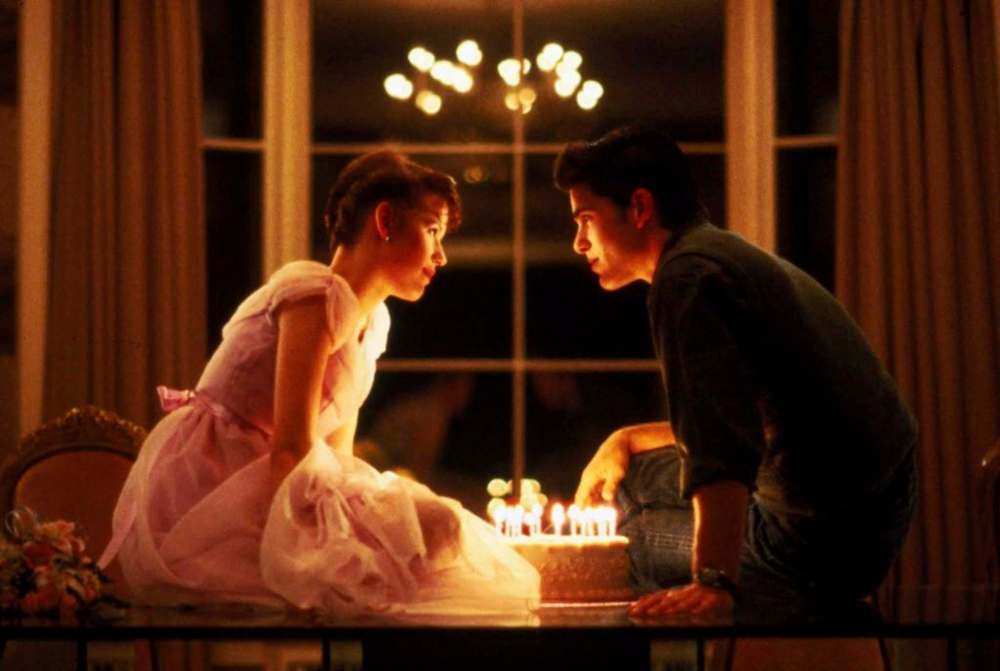
Ringwald did bring up the character of Long Duk Dong, in Sixteen Candles, which she called a “grotesque stereotype.” But Carroll argued that the “near complete erasure” of people of colour in the films “deserves more than a mention given the impact of these films on an entire generation.”

Others on Twitter lambasted Ringwald for criticizing the work of a man who is now deceased and cannot defend himself.
Yet many others on Twitter praised Ringwald’s commentary,
“This, from Molly Ringwald, is such a stellar example of what a personal reckoning looks like, and how nuanced you can make it,” Alanna Bennett, an entertainment writer for BuzzFeed News, tweeted.
“It’s a very fine contribution to the ongoing conversation about how we reconcile things we have affection for with context we know is important,” Linda Holmes, a pop-culture host for National Public Radio, tweeted.
— Washington Post