Location is key to fall fishing success
Casting your line in the weeds can pay off at this time of year
Advertisement
Read this article for free:
or
Already have an account? Log in here »
To continue reading, please subscribe:

Digital Subscription
One year of digital access for only $205*
- Enjoy unlimited reading on winnipegfreepress.com
- Read the E-Edition, our digital replica newspaper
- Access News Break, our award-winning app
- Play interactive puzzles
*First annual payment billed as $205.00 + GST for one year. This annual subscription will automatically renew at $233.00 + GST every 52 weeks (10% off the regular annual price of $259.35). Offer available to new and qualified returning subscribers only. Cancel any time.
To continue reading, please subscribe:
Add Free Press access to your Brandon Sun subscription for only an additional
$1 for the first 4 weeks*
- Enjoy unlimited reading on winnipegfreepress.com
- Read the E-Edition, our digital replica newspaper
- Access News Break, our award-winning app
- Play interactive puzzles
*Your next Brandon Sun subscription payment will increase by $1.00 and you will be charged $17.95 plus GST for four weeks. After four weeks, your payment will increase to $24.95 plus GST every four weeks.
Read unlimited articles for free today:
or
Already have an account? Log in here »
Hey there, time traveller!
This article was published 01/09/2018 (2870 days ago), so information in it may no longer be current.
Many anglers in early fall have problems locating large numbers of walleye and smallmouth bass. Might be because they are looking in the wrong place.
That was the case for me recently fishing the Winnipeg River close to Lac du Bonnet. I figured with the hot summer a lot of those fish would be loaded up in current areas. After about five hours of no fish, I knew it was time to figure something else out. Heading out the big stretch of open water near McArthur Falls, I started looking for scattered vegetation along shorelines.
Over the years, I have come to realize once water temperatures drop to 16 C, more and more fish are attracted to deep vegetation as they load up on available forage that can congregate here. One of the things to take into consideration is the thickness of the weeds and how they are laid out. If the weeds are not too thick and scattered, trolling can be the best option.
Different bodies of water will have weeds at various depths. A lake like Clear Lake will have sand grass all the way out to seven metres, while in shallow muddy lakes weed growth could be limited to two or three metres. I started by trolling a No. 7 Flicker Shad, which was diving to about three metres. This was also the depth of the primary change of depth out to the main lake basin. We immediately started to catch some walleye and sauger with this technique. A strong wind was cutting down on surface light penetration, making the fish active and spread out over a fairly large area.
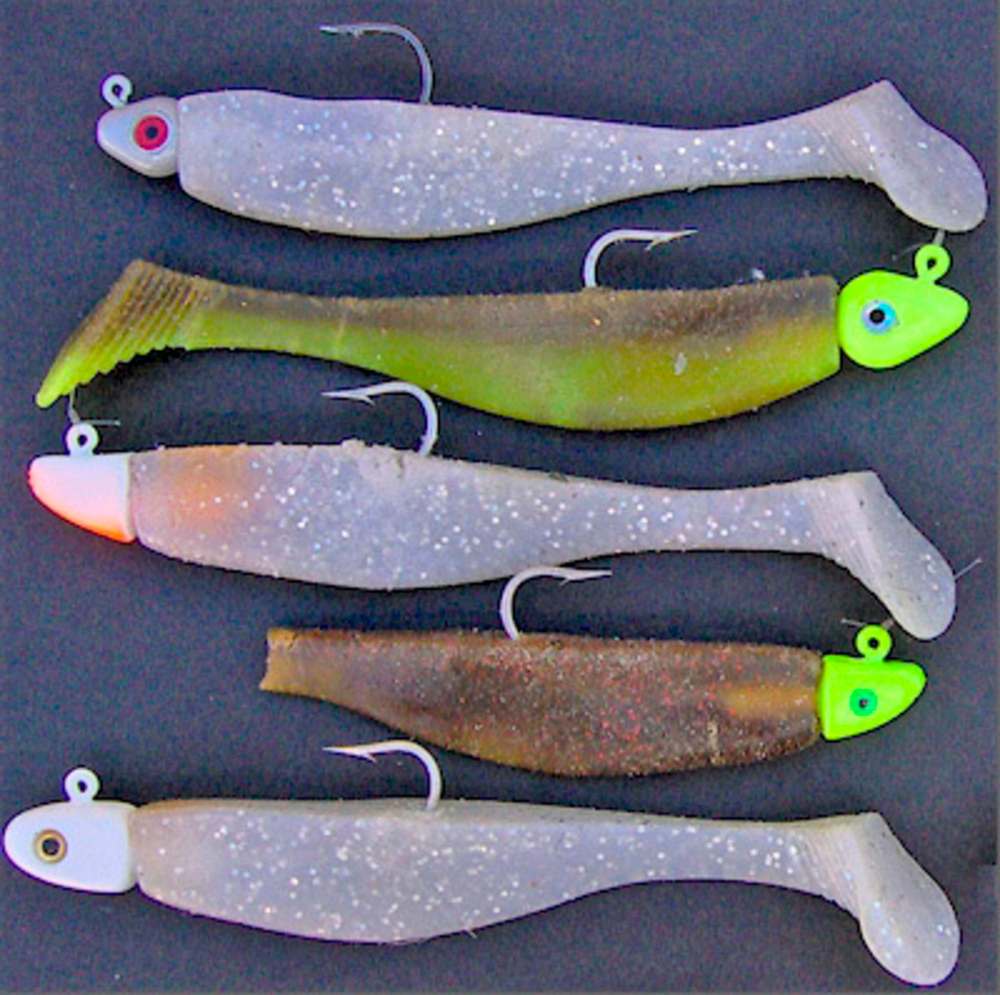
If the fish are buried in small pockets, the strike window for bites will be small. The best option for this kind of fishing is to throw big plastic baits and swim-style jig heads. This will increase your profile, making it easier for the fish to zero in on the bait. These lures also fish fairly weedless, allowing you to cover these big flats efficiently. Sometimes, I will use a paddle tail. Other times, just a split tail, depending on the activity level of the fish. As I mentioned, overcast skies and wind will allow these fish to get up and active, increasing the strike window and your catch rate. Don’t think you will catch small fish in areas like this. Big walleye, pike and bass all love these types of areas this time of year. While you will still find some fish out on deeper rock pikes near main lake basins, weed-line fishing can be spectacular. I like looking for deep cabbage areas and sand bottoms: nice clean areas for the fish to cruise.
When you find these areas and get some bites, it pays to work these spots over.
Changing your angle of attack can sometimes trigger way more fish to bite. Don’t be afraid to use big plastic. Five-inches is about right, and a half-ounce jig with an eye on the front top will ease these baits through the weeds. I like to use a level-wind reel with a medium-action, seven-foot baitcasting rod. For line, a three-kilogram test braid with a fluorocarbon leader works.
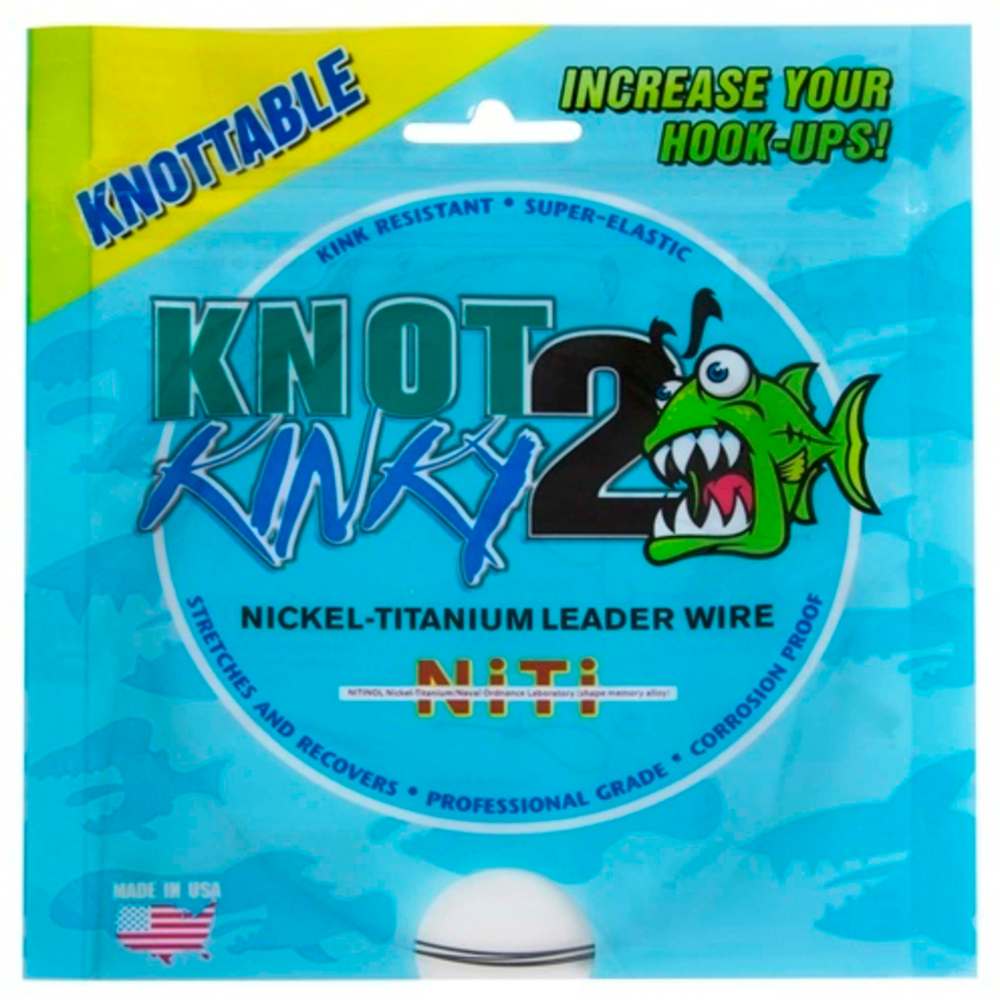
These spots are also dynamite for large, toothy creatures. When I get into the big pike, I pick up my rod that has a titanium leader on it tied with an Albright knot. I use Knot 2 Kinky, but there are other brands out there. If you are having trouble with your knots, just go to YouTube and pick the one that works best for you. To cover more area, make long casts and rip the bait aggressively to trigger bites.
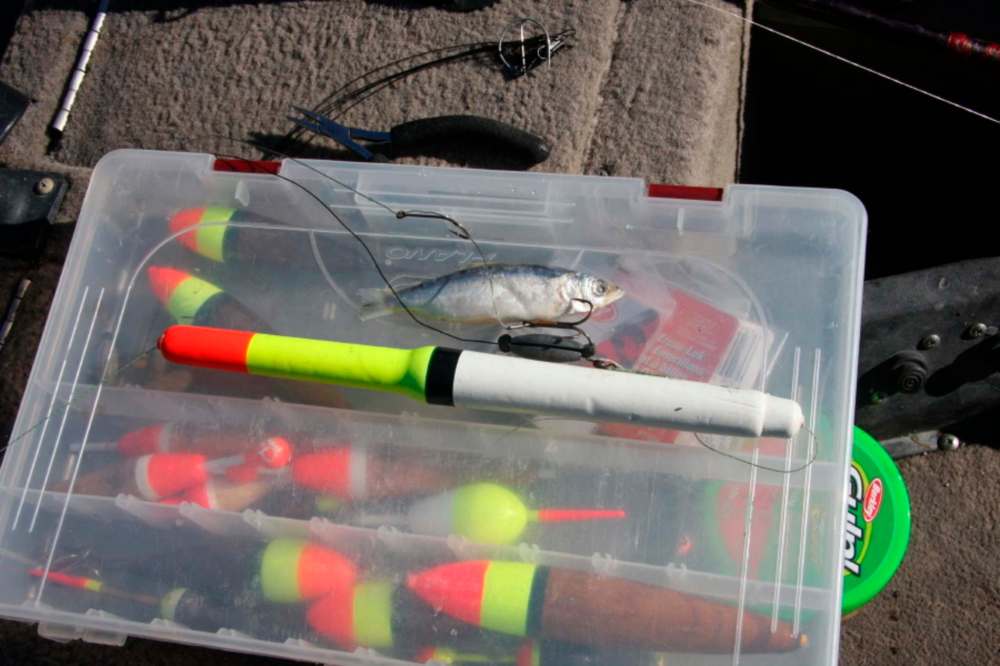
If the pike get wise to the rubber, it is time to anchor up and drift dead bait to them under large slip floats. This is one of my all-time favourite ways to fish.
Watching your big float go down, then setting the hook into a massive pike is just a thrill.