Wine that’s ‘anything but American’
For those inclined to make a political statement with their purchases
Advertisement
Read this article for free:
or
Already have an account? Log in here »
To continue reading, please subscribe:
Digital Subscription
One year of digital access for only $1.44 a week*
- Enjoy unlimited reading on winnipegfreepress.com
- Read the E-Edition, our digital replica newspaper
- Access News Break, our award-winning app
- Play interactive puzzles
*Billed as $5.77 plus GST every four weeks. After 52 weeks, price increases to the regular rate of $19.95 plus GST every four weeks. Offer available to new and qualified returning subscribers only. Cancel any time.
To continue reading, please subscribe:
Add Free Press access to your Brandon Sun subscription for only an additional
$1 for the first 4 weeks*
- Enjoy unlimited reading on winnipegfreepress.com
- Read the E-Edition, our digital replica newspaper
- Access News Break, our award-winning app
- Play interactive puzzles
*Your next Brandon Sun subscription payment will increase by $1.00 and you will be charged $17.95 plus GST for four weeks. After four weeks, your payment will increase to $24.95 plus GST every four weeks.
Read unlimited articles for free today:
or
Already have an account? Log in here »
Hey there, time traveller!
This article was published 15/09/2018 (2957 days ago), so information in it may no longer be current.
Napa Valley, Sonoma County, Mendocino, Paso Robles, Santa Lucia Highlands, Livermore: some of the best wine-producing regions of the world, and all located in one U.S. state — California.
These regions are home to some of the most beloved, innovative wineries in the world, with some of the most creative (and nicest) people working there.
But it’s understandable if wines from south of the border — which, on our shelves, mainly means vino from the Golden State, although to a lesser extent Washington, Oregon and New York — don’t appeal to as many wine drinkers in these parts as they used to. An recent chat with a couple folks on the local wine retail side of things seemed to indicate U.S. wine sales have become fairly flat, perhaps a reflection of the mixed feelings many Canadians harbour when it comes to the brazen, unpredictable U.S. President Donald Trump.
Those inclined to make a political statement by buying “anything but American,” as it were, can rest assured that there are plenty of wines similar to those coming from south of the border that are being produced in other countries.
Probably the trickiest wine to replace for those looking to avoid American wines is Zinfandel; the dark, muscular and fruity red wine grape is widely grown in California, but hasn’t caught on in many other regions of the wine-growing world.
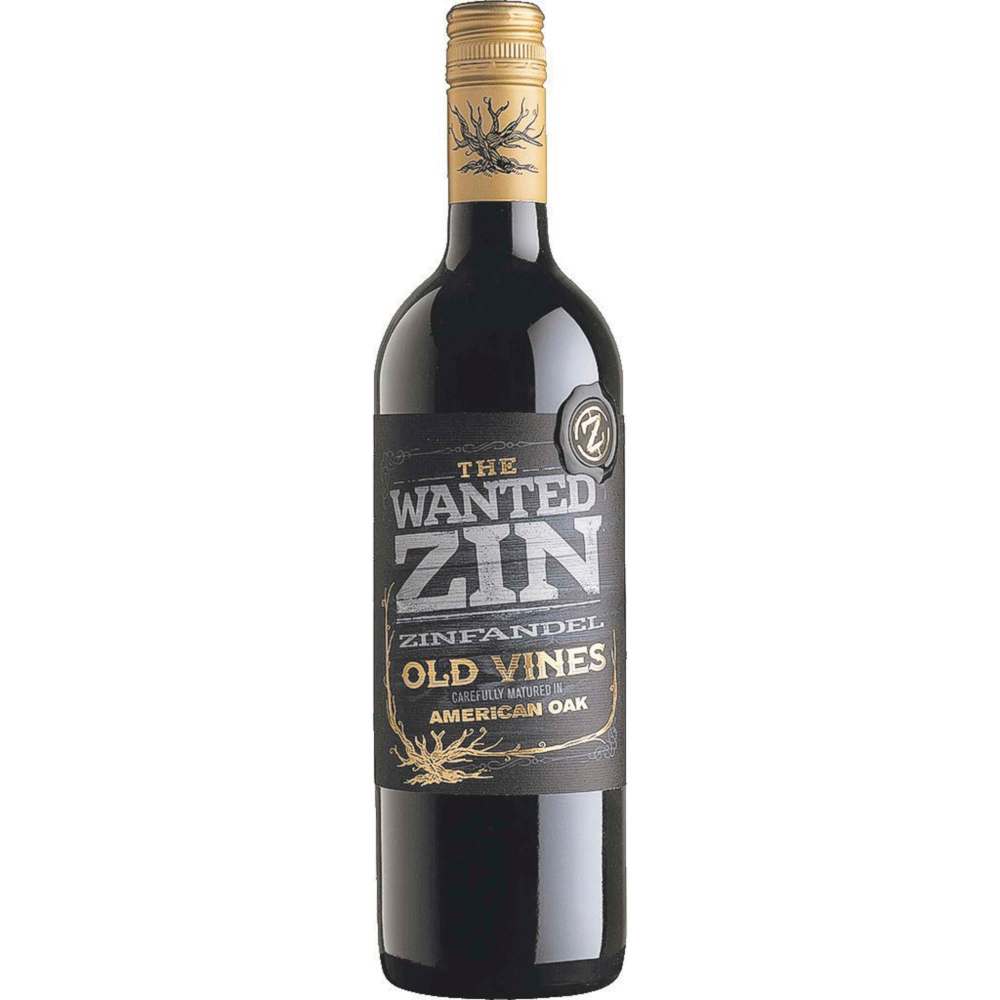
Unless you look to the Old World — and Italy, specifically — where Primitivo makes wines that often exhibit similar characteristics. That’s because DNA tests and numerous studies have concluded the two grapes to actually be one and the same. The Wanted Zin 2016 Zinfandel (Puglia, Italy — $17.43, Liquor Marts and beyond) doesn’t even bother billing itself as Primitivo, and is instead labelled and branded to look like a California wine, boasting that it’s “carefully matured in American oak,” no less.
Aromatically it certainly brings plum, raisin and blackberry notes like California Zin does, with a healthy dollop of vanilla and spice from the oak. On the full-bodied palate it’s juicy like an American Zinfandel, although the brambly, black-fruit flavours come up a bit short next to the toasty oak, and the 14.5 per cent alcohol feels pretty hot on the finish. ★★½
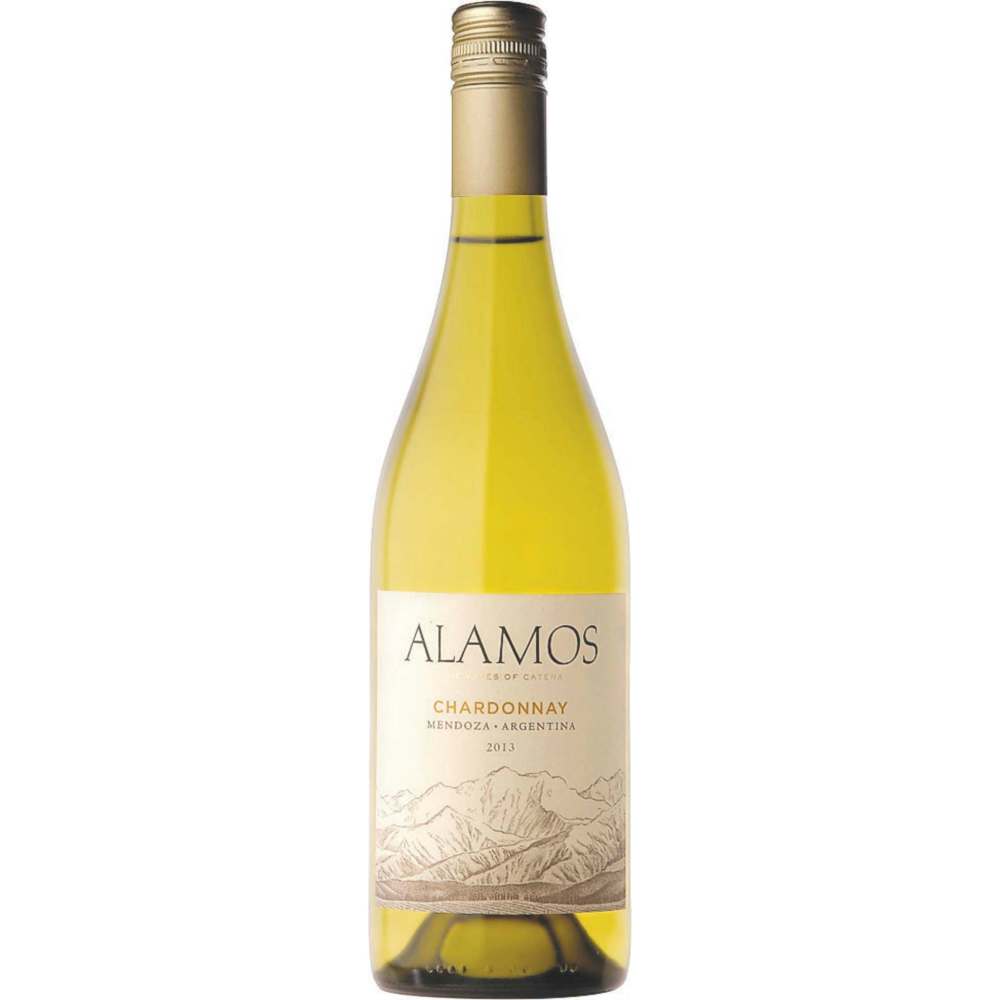
Among white wines, Chardonnay certainly is a California mainstay, with many examples that hit our shelves being ripe, rich, fruit-forward and with a touch of oak. Chile, Australia’s Adelaide Hills, South Africa, Argentina and Canada all do quite well with the grape, as does France’s Burgundy region, albeit in a different style. The Alamos 2016 Chardonnay (Mendoza, Argentina — $15.99, Liquor Marts and beyond) is made by the Argentine wine pioneers at Catena; it’s medium-gold in colour, and aromatically offers all the ripe red apple, mango, peach and lemon-curd notes of a California Chardonnay, albeit with less wood influence. On the fleshy, medium-bodied palate there’s a creaminess to this wine thanks to modest time in oak as well as malolactic fermentation, giving it a rich mouthfeel; the big ripe apple, peach and lemon notes reflect that Golden State vibe as well. It’s not wildly complex, but can certainly step in for California Chardonnay — especially for the price. ★★★
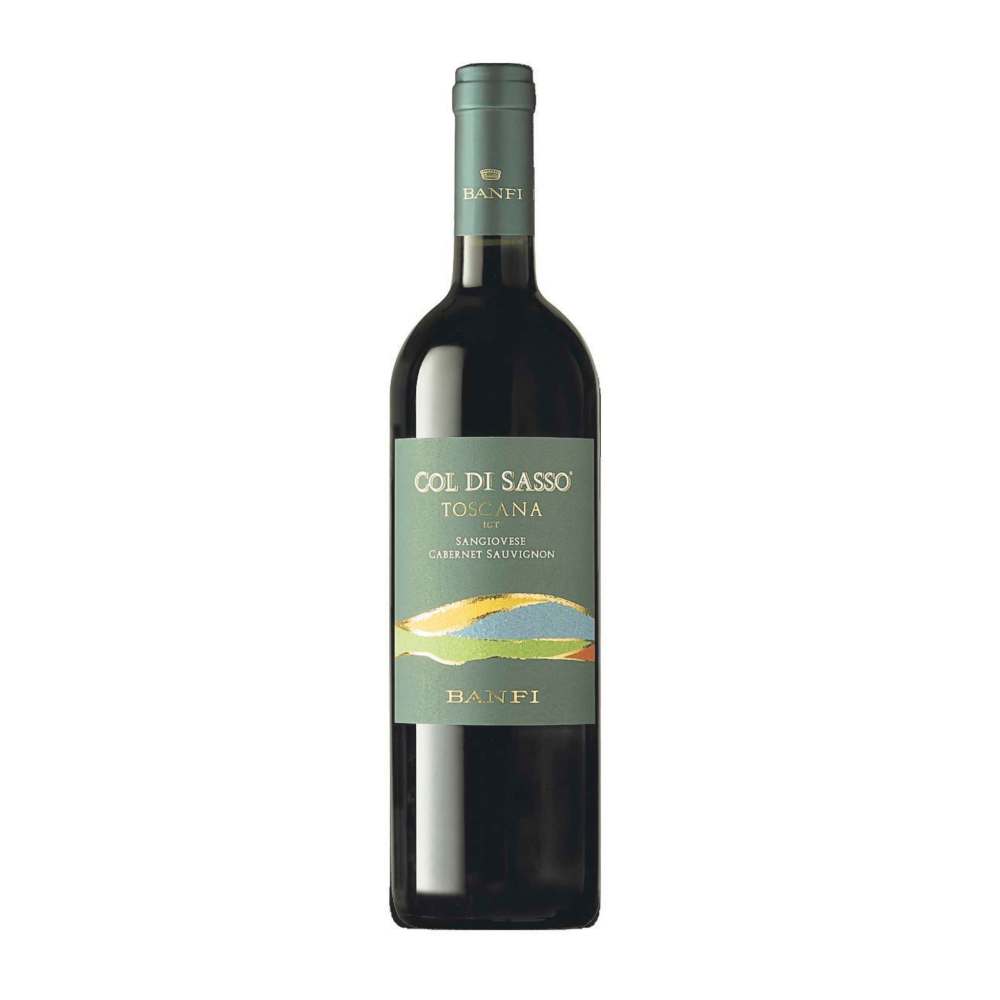
Big, complex California reds are certainly still popular in our market, with plenty of Cabernet Sauvignon, Merlot and blends retaining a decent amount of popularity. France’s Bordeaux region is a hotbed of solid options, as are Chilean and Australian (especially Down Under’s Barossa Valley, McLaren Vale and Coonawarra) iterations. The occasional Tuscan red blend is Cabernet-dominant, as is the case with the Banfi 2015 Col di Sasso (Toscana, Italy — around $16, private wine stores). This 70-30 Cabernet Sauvignon/Sangiovese blend brings bright cassis and black-cherry aromas, with secondary bell pepper and raspberry notes on the nose as well. On the full-bodied, fruit-forward palate the cassis, bell pepper, ripe cherry and raspberry show well, with light tannin and some acidity that provides focus. Tasty stuff — purchased at G.J. Andrews. ★★★½
On the Pinot Noir side of things, much depends on your preferred style. Those who like cooler-climate, more subtle Santa Lucia Highlands or Monterey Pinot Noir will enjoy most examples from Canada or New Zealand, which bring big fruit without too much weight or alcohol. Those who lean towards deeper, hotter, more aggressive Sonoma County versions can explore versions of the same grape from regions such as Australia’s Yarra Valley, the south end of B.C.’s Okanagan Valley and most of those coming from Chile.
Of course you can’t talk California wine without talking about those sweet, jammy red blends with the fun/dark/funky names and the modern/gothic labels.
Check the “bottled and blended in Canada” section of your favourite store; there are plenty of reasonably priced examples of these reds that should fit the bill.
uncorked@mts.netTwitter: @bensigurdson