Youth being drawn back to poetry
Advertisement
Read this article for free:
or
Already have an account? Log in here »
To continue reading, please subscribe:
Digital Subscription
One year of digital access for only $1.44 a week*
- Enjoy unlimited reading on winnipegfreepress.com
- Read the E-Edition, our digital replica newspaper
- Access News Break, our award-winning app
- Play interactive puzzles
*Billed as $5.77 plus GST every four weeks. After 52 weeks, price increases to the regular rate of $19.95 plus GST every four weeks. Offer available to new and qualified returning subscribers only. Cancel any time.
To continue reading, please subscribe:
Add Free Press access to your Brandon Sun subscription for only an additional
$1 for the first 4 weeks*
- Enjoy unlimited reading on winnipegfreepress.com
- Read the E-Edition, our digital replica newspaper
- Access News Break, our award-winning app
- Play interactive puzzles
*Your next Brandon Sun subscription payment will increase by $1.00 and you will be charged $17.95 plus GST for four weeks. After four weeks, your payment will increase to $24.95 plus GST every four weeks.
Read unlimited articles for free today:
or
Already have an account? Log in here »
Hey there, time traveller!
This article was published 22/09/2018 (2949 days ago), so information in it may no longer be current.
Poetry is hot — a lot hotter than you might think.
The share of adults reading poetry grew by an astounding 76 per cent between 2012 and 2017, according to a newly released study from the National Endowment for the Arts (NEA). Some 28 million American adults reported reading poetry in 2017.
The results are even more dramatic for young people. The percentage of poetry readers age 18-24 doubled during that period.
This news is contained in a study published Sept. 12 called “U.S. Trends in Arts Attendance and Literary Reading: 2002-2017,” based on a partnership between the NEA and the U.S. Census Bureau. It’s the country’s largest and longest-running survey of how millions of adults participate in the arts.
Ironically, despite all the complaints about Facebook and Twitter leading to the death of western civilization, social media may be encouraging Americans’ rising interest in poetry. Sunil Iyengar, the director of the Office of Research & Analysis at the NEA, cites the rise of social media and technology platforms as one potential explanation for the increased interest in poetry and spoken word. Amy Stolls, the NEA’s director of literature, mentions social media, too, along with the agency’s outreach activities to publishers, writers and schools.
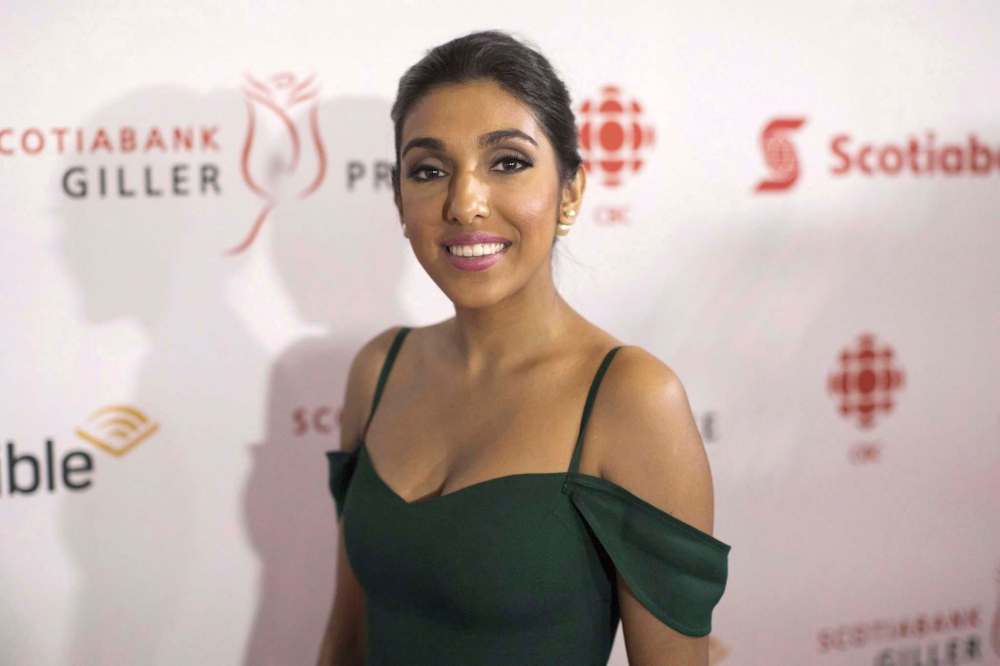
Some of the most popular poets alive are now “social media poets,” writers who distribute their work and connect with their vast, young audiences primarily online. Canadian poet Rupi Kaur has three million followers on Instagram, where she regularly posts images and short verses. Her first print collection, Milk and Honey (2015), sold about two million copies, an unheard-of blockbuster in a genre that usually considers a few thousand copies a success.
But poetry could be a countervailing influence to social media, too. U.S. poet laureate Tracy K. Smith, who teaches at Princeton University, wonders if the unsettled tenor of our times is drawing people, especially young people, back to verse. “In my teaching of undergraduates, I see them turning to the art form in their attempts to grapple with questions related to forced migration, shifting gender norms, the environment, mental illness and technology — along with old standbys of love, loss and the changing of the seasons.”
Far from celebrating the influence of technology, Smith suggests readers may be turning to poetry to get away from “likes” and cat-eared images. “Unlike any generation before them, these young people don’t know a life before smartphones and social media,” she says. “Poetry, which breaks from the shorthand vocabulary of tweets and sound bites, offers them a necessary recourse to depth, strangeness, vulnerability and imaginative possibility. Poetry also invites them to take their time, to move slowly, to process things gradually, which is an impulse counter to the breakneck pace at which so much else occurs.”
Robert Casper, head of the Poetry and Literature Center in the Library of Congress, suggests a supporting role for social media — not so much as a platform for verse but as a means of calling attention to its writers. “Poetry’s surge in popularity among young people has to do with the success of spoken word and performance poetry,” he says, “with a new generation of poets who are smartly promoting the art through social media.”
Sarah Browning, co-founder of Split This Rock, a national poetry and social justice organization based in Washington, D.C., suggests greater diversity is driving the new popularity of verse. “At long last,” she says, “establishment American poetry is finally looking and sounding like America: people of colour, queer people, people with disabilities and activist poets are telling about their own lives and struggles and joys. And because of the internet and changes in publishing, they’re also taking control of the means of distribution.”
Sadly, the good news about poetry in the NEA report is not part of a general increase in reading. The share of adults who read books not required for work or school remained about the same as in 2008. And, more alarming, the percentage of people who read novels or short stories “is now lower than in any prior survey period.”
— Washington Post