Low prices make for slow alligator season in Louisiana
Advertisement
Read this article for free:
or
Already have an account? Log in here »
To continue reading, please subscribe:

Digital Subscription
One year of digital access for only $205*
- Enjoy unlimited reading on winnipegfreepress.com
- Read the E-Edition, our digital replica newspaper
- Access News Break, our award-winning app
- Play interactive puzzles
*First annual payment billed as $205.00 + GST for one year. This annual subscription will automatically renew at $233.00 + GST every 52 weeks (10% off the regular annual price of $259.35). Offer available to new and qualified returning subscribers only. Cancel any time.
To continue reading, please subscribe:
Add Free Press access to your Brandon Sun subscription for only an additional
$1 for the first 4 weeks*
- Enjoy unlimited reading on winnipegfreepress.com
- Read the E-Edition, our digital replica newspaper
- Access News Break, our award-winning app
- Play interactive puzzles
*Your next Brandon Sun subscription payment will increase by $1.00 and you will be charged $17.95 plus GST for four weeks. After four weeks, your payment will increase to $24.95 plus GST every four weeks.
Read unlimited articles for free today:
or
Already have an account? Log in here »
Hey there, time traveller!
This article was published 03/12/2018 (2813 days ago), so information in it may no longer be current.
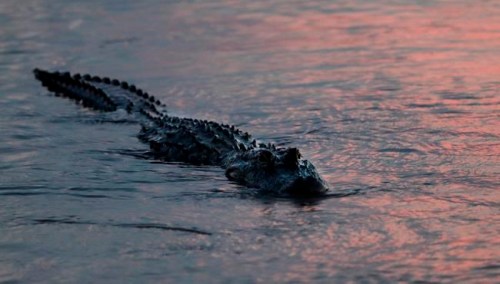
NEW ORLEANS – Here’s a fashion trend that’s good news, if you’re an alligator in Louisiana: Prices for skins are down to less than half what they were just five years ago, making for a slow wild harvest.
The director of the state’s alligator program estimates that about 18,000 were taken from the wild this year.
Jeb Linscombe of the Louisiana Department of Wildlife and Fisheries says low demand has cut prices to between $7 and $8 a foot for the past two years. That’s the lowest since the recession cut prices to $7.50 a foot in 2009.
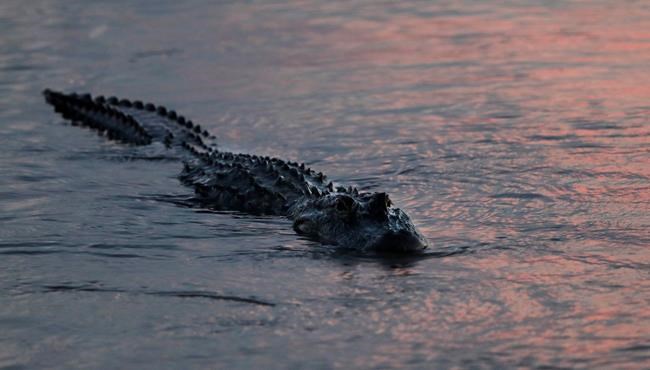
“Nobody really wanted to buy them,” said John Currier, a hunters’ representative on the Louisiana Alligator Advisory Council. “By the time you figured the gasoline and the other expenses, the price they were offering wasn’t worth it.”
Currier said he gets tags for 22 alligators, but only hunted one during the September season — and that was because a friend of his daughter’s wanted to bag one.
In general, Linscombe said, an average of $20 a foot is needed for hunters to make a profit.
Prices after the recession rose to an average $29 a foot in 2013 and 2014, then fell to $23.50 and, in 2016, $17.
Last year, Linscombe said, about 15,000 gators were taken from the wild.
The low demand is just fashion’s fickleness, said Clint Hebert, sales and marketing manager for the Mark Staton Co. of Lafayette, which deals largely in alligator leather goods.
“The market is typically driven by the overseas fashion houses,” he said, but he’s philosophical: “For the most part, the economy and the fashion industry will turn around and the fashion will spring back.”
Louisiana’s alligator farms typically harvest about 300,000 or more a year, Linscombe said. He didn’t expect that to change. Most farmed skins are on the smaller side, used for watch bands rather than for handbags or boots.
He said there’s no danger that slow hunting seasons will lead to alligator overpopulation in the swamps.
Unregulated hunting made the alligator one of the first species on the list when the Endangered Species Act was passed in 1973. Louisiana had ended all hunting 11 years before that, and allowed its first small, highly regulated hunts in 1972 and 1973. The season became statewide in 1981; two years later, the U.S. Fish and Wildlife Service ruled that the species had recovered over most of its range.
An average of 33,500 wild alligators a year were taken from 2010 to 2016. Even the highest modern wild harvest is only a tiny percentage of the total, now estimated at nearly 2 million just in Louisiana.
“Alligators are cannibalistic. The population will control itself,” Linscombe said.