Profit before people
Tech companies among worst offenders to workers' well-being, author argues
Advertisement
Read this article for free:
or
Already have an account? Log in here »
To continue reading, please subscribe:
Digital Subscription
One year of digital access for only $1.44 a week*
- Enjoy unlimited reading on winnipegfreepress.com
- Read the E-Edition, our digital replica newspaper
- Access News Break, our award-winning app
- Play interactive puzzles
*Billed as $5.77 plus GST every four weeks. After 52 weeks, price increases to the regular rate of $19.95 plus GST every four weeks. Offer available to new and qualified returning subscribers only. Cancel any time.
To continue reading, please subscribe:
Add Free Press access to your Brandon Sun subscription for only an additional
$1 for the first 4 weeks*
- Enjoy unlimited reading on winnipegfreepress.com
- Read the E-Edition, our digital replica newspaper
- Access News Break, our award-winning app
- Play interactive puzzles
*Your next Brandon Sun subscription payment will increase by $1.00 and you will be charged $17.95 plus GST for four weeks. After four weeks, your payment will increase to $24.95 plus GST every four weeks.
Read unlimited articles for free today:
or
Already have an account? Log in here »
Hey there, time traveller!
This article was published 12/01/2019 (2838 days ago), so information in it may no longer be current.
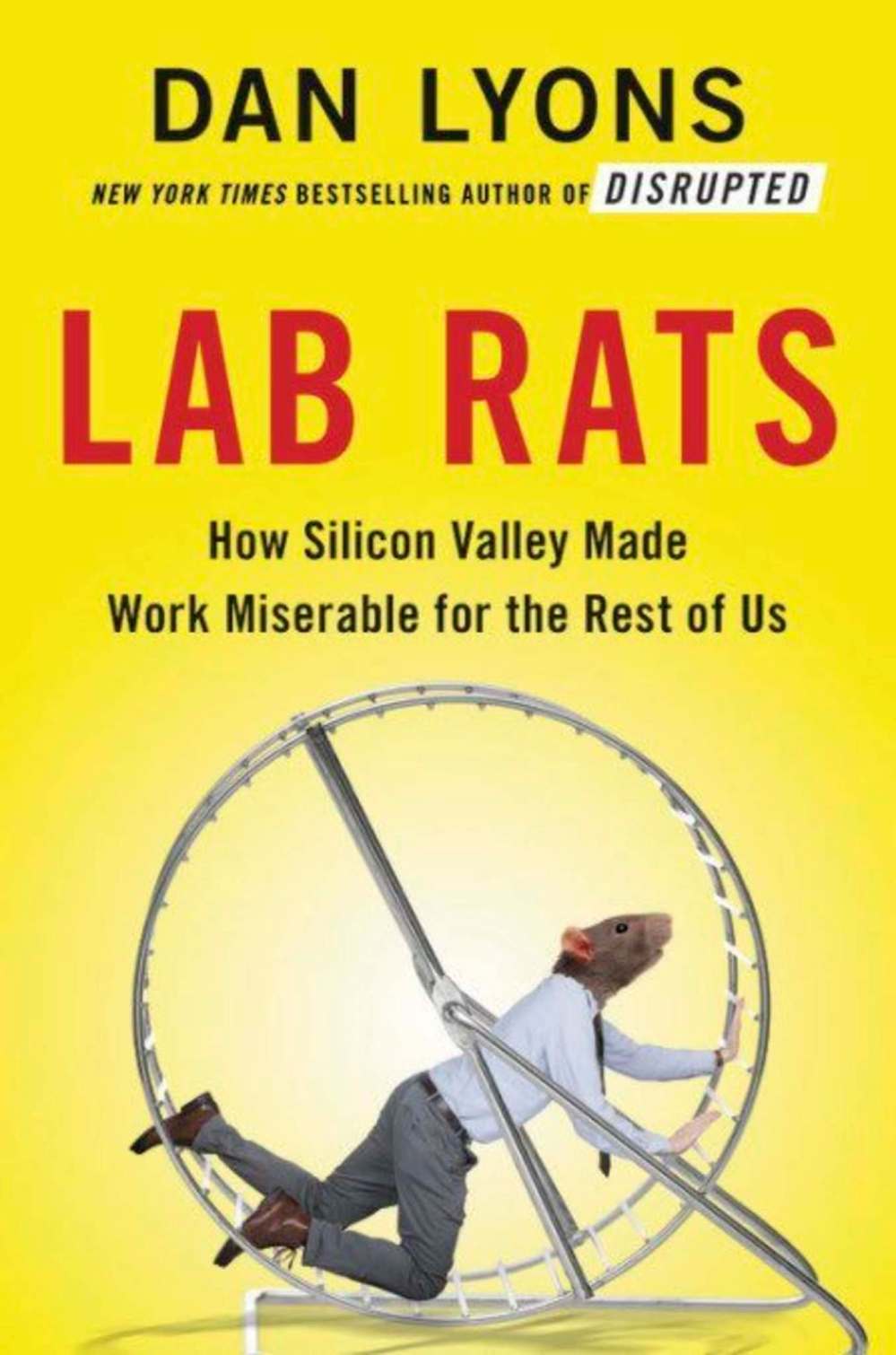
Dan Lyons has been a Newsweek editor, created the satirical blog The Secret Diary of Steve Jobs and described his experience working for the tech company Hubspot in the 2017 bestseller Disrupted.
In his latest book, he aims to show that capitalism need not be based on a culture of endless growth, worker overload, exhaustion and stress. He proposes a new kind of human-centric capitalism, where workers are fairly compensated and treated with dignity and respect.
The book is an easy read, sometimes sardonic, sometimes angry. He is disgusted that over the past 40 years, the national share of gross income changed until the top one per cent are taking 21 per cent and the bottom half are left with only 12 per cent.
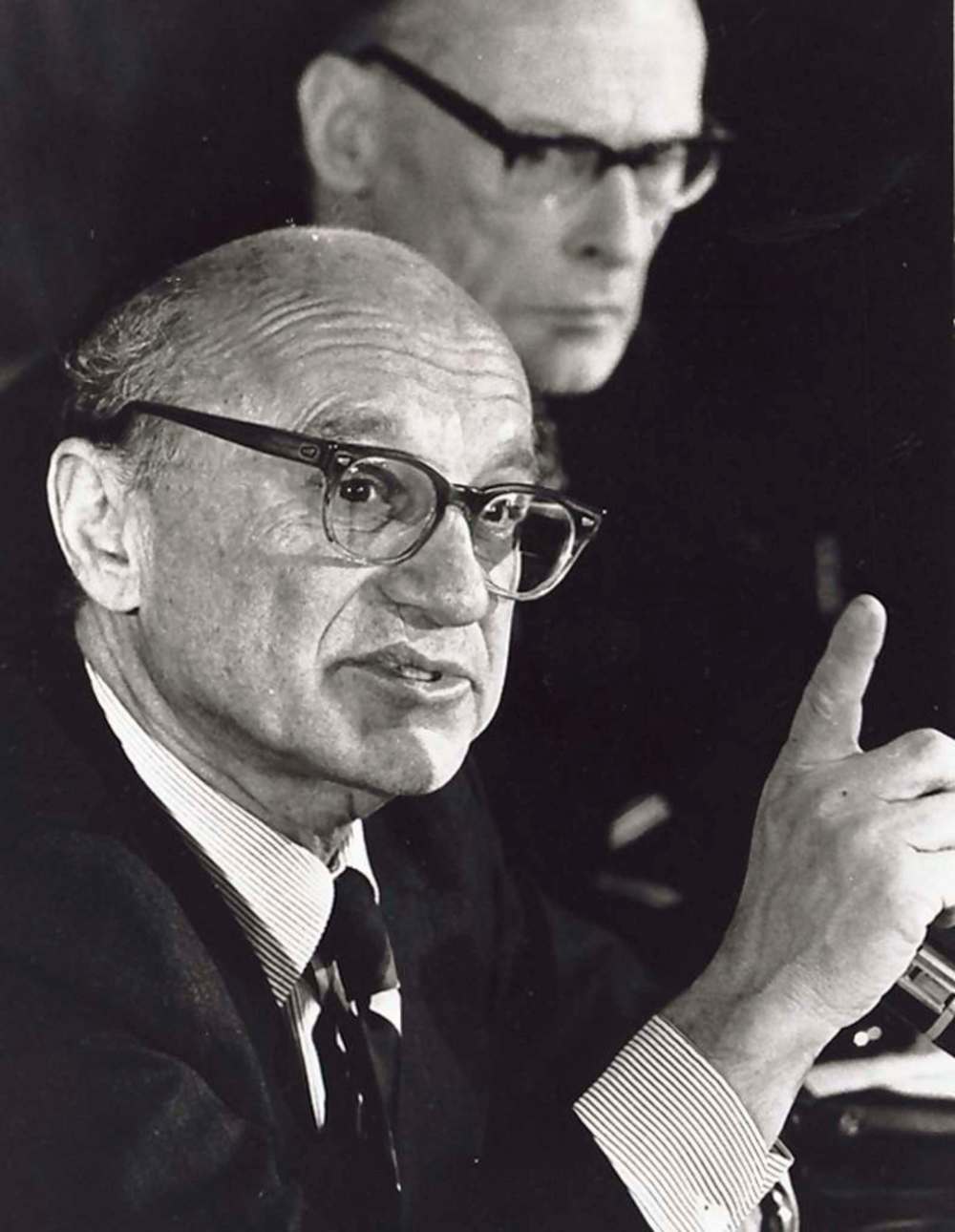
Lyons blames this on the influence of economist Milton Friedman. In the 1970s, Friedman preached that companies should not be concerned with providing employment, eliminating discrimination or avoiding pollution. The sole duty of a company was to generate the biggest profit for shareholders.
To nobody’s surprise, shareholders were happy to adopt the Friedman doctrine. To increase profits and stock prices, first they slashed wages and benefits, laid off workers and outsourced jobs to Asia.
Then they expanded the gig economy. Companies used the internet to assemble a workforce of contract workers. Capitalist alchemy had found a way to transform workers from employees into independent contractors who were not entitled to benefits and had to compete for wages.
Lyons sees this alteration of work being aggravated by the high-tech culture of Silicon Valley. He is no fan of the giants of the computer industry. He describes them as “a new caste of American oligarchs, a bunch of socially awkward, empathy-impaired Sun Kings” who have an anti-worker and anti-human world view.
They are nourished by a swarm of venture capitalists seeking rapidly growing startup operations. They fund them, hype them and flip them into the public markets for a quick buck. Although the vast majority operate at a loss, the venture capitalists themselves profit from the sale of shares.
As the founders and financiers of these startups are not really trying to build sustainable companies, they have no interest in providing employees with fair pay and long-term careers. Even successful companies such as Amazon and Facebook drive down labour costs by pushing workers beyond their limits.
Because companies like these, and their owners, are among the richest in the world, more traditional companies try to emulate their success by adopting their labour practices. The result is that toxic workplaces are becoming the norm. Lyons provides many disturbing examples and likens these workplaces to laboratories researching the effects of fear on rats.
Lyons’ solution is that employers will come to realize that companies that treat workers humanely and promote gender and ethnic diversity can be more successful than those driven by fear. He describes some admirable companies that advance the public good as well as being profitable. However, he concedes that these companies are, as yet, comparatively few and far between.
Here, Lyons is at his weakest. Workers are not passive agents depending on the paternalistic benevolence of their employers. He mentions unions only in passing, although he describes them as “the institution most responsible for working- and middle-class prosperity.”
His lab-rat metaphor is striking, but it seems to have blinded him to the fact that workers can think for themselves.
Then again, his idea of a benevolent employer is Henry Ford. Lyons praises Ford for building his company just to provide his workers with the chance to make a good living. After all, that’s what Ford said in his autobiography.
John K. Collins is a retired Manitoba Teachers’ Society collective bargainer.