

Report: Crew of doomed Ethiopian Airlines flight followed procedures
Advertisement
Read this article for free:
or
Already have an account? Log in here »
To continue reading, please subscribe:

Digital Subscription
One year of digital access for only $205*
- Enjoy unlimited reading on winnipegfreepress.com
- Read the E-Edition, our digital replica newspaper
- Access News Break, our award-winning app
- Play interactive puzzles
*First annual payment billed as $205.00 + GST for one year. This annual subscription will automatically renew at $233.00 + GST every 52 weeks (10% off the regular annual price of $259.35). Offer available to new and qualified returning subscribers only. Cancel any time.
To continue reading, please subscribe:
Add Free Press access to your Brandon Sun subscription for only an additional
$1 for the first 4 weeks*
- Enjoy unlimited reading on winnipegfreepress.com
- Read the E-Edition, our digital replica newspaper
- Access News Break, our award-winning app
- Play interactive puzzles
*Your next Brandon Sun subscription payment will increase by $1.00 and you will be charged $17.95 plus GST for four weeks. After four weeks, your payment will increase to $24.95 plus GST every four weeks.
Read unlimited articles for free today:
or
Already have an account? Log in here »
Hey there, time traveller!
This article was published 04/04/2019 (2698 days ago), so information in it may no longer be current.
ADDIS ABABA, Ethiopia – A preliminary report released Thursday by Ethiopia’s government has found the crew of the Ethiopian Airlines jet that crashed shortly after takeoff last month performed all of the procedures recommended by Boeing when the plane started to nose dive, but they could not control it.
The report was based on data from the recorders of the Boeing 737 Max 8. Boeing declined to comment pending its review of the report.
The Max 8 has been under scrutiny since a Lion Air flight crashed off the coast of Indonesia under similar circumstances in October.
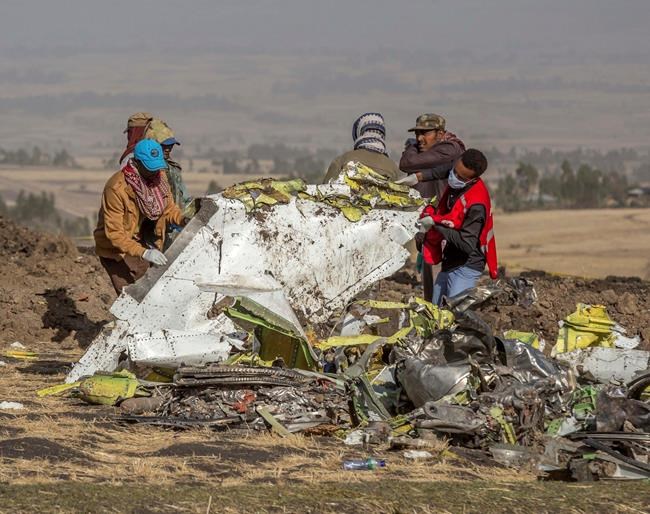
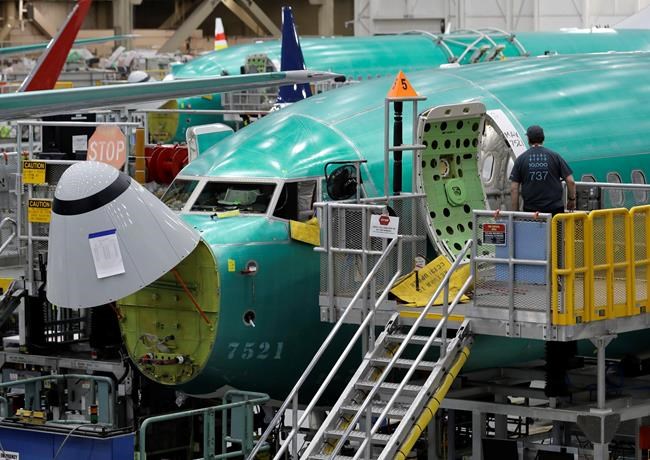
Investigators are looking into the role of a flight-control system known by its acronym, MCAS, which under some circumstances can automatically lower the plane’s nose to prevent an aerodynamic stall. The Max has been grounded worldwide pending a software fix that Boeing is rolling out, which still needs approval from the U.S. Federal Aviation Administration and other regulators.
The Ethiopian Airlines jet crashed shortly after takeoff from Addis Ababa on March 10, killing all 157 on board, including 18 Canadians.

Boeing is the focus of investigations by the U.S. Justice Department, the Transportation Department’s inspector general, and congressional committees. Investigations are also looking at the role of the Federal Aviation Administration, which certified the Max in 2017 and declined to ground it after the first deadly crash in October.
The FAA said in a statement that it is continuing to work toward a full understanding of what happened and will take appropriate action as findings become available.
Related Articles
Gone in 6 minutes: an Ethiopian Airlines jet's final journey
Advertisement Advertise With Us
Advertisement Advertise With Us