Actress Anjelica Huston supports banning fur sales in NYC
Advertisement
Read this article for free:
or
Already have an account? Log in here »
To continue reading, please subscribe:

Digital Subscription
One year of digital access for only $205*
- Enjoy unlimited reading on winnipegfreepress.com
- Read the E-Edition, our digital replica newspaper
- Access News Break, our award-winning app
- Play interactive puzzles
*First annual payment billed as $205.00 + GST for one year. This annual subscription will automatically renew at $233.00 + GST every 52 weeks (10% off the regular annual price of $259.35). Offer available to new and qualified returning subscribers only. Cancel any time.
To continue reading, please subscribe:
Add Free Press access to your Brandon Sun subscription for only an additional
$1 for the first 4 weeks*
- Enjoy unlimited reading on winnipegfreepress.com
- Read the E-Edition, our digital replica newspaper
- Access News Break, our award-winning app
- Play interactive puzzles
*Your next Brandon Sun subscription payment will increase by $1.00 and you will be charged $17.95 plus GST for four weeks. After four weeks, your payment will increase to $24.95 plus GST every four weeks.
Read unlimited articles for free today:
or
Already have an account? Log in here »
Hey there, time traveller!
This article was published 20/04/2019 (2700 days ago), so information in it may no longer be current.
NEW YORK – Actress Anjelica Huston is supporting efforts to outlaw fur sales in the fashion mecca of New York.
Huston says in an opinion piece in the Daily News that she used to think fur was a symbol of “glamour and affluence” but now she’s ashamed of having supported the fur trade years ago.
She is backing bills introduced in the New York City Council and in New York’s state Legislature to ban the sale of fur.
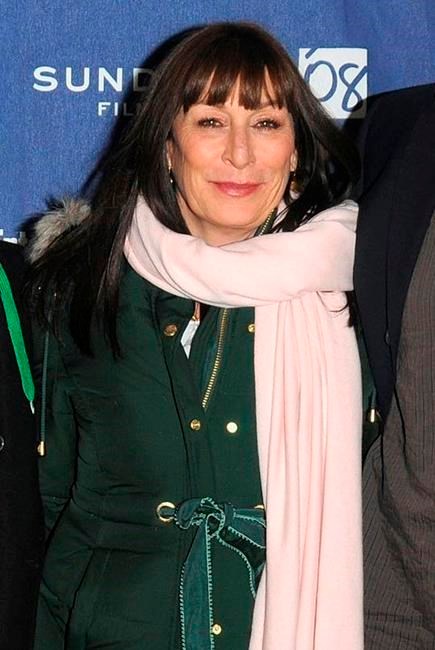

Huston says many consumers are unaware of fur’s “horrifying” supply chain. She says coyotes whose pelts adorn hoods and collars may suffer for days in steel traps before they are bludgeoned to death.
Coyote trappers say they are helping to control the population of an animal that’s often considered a nuisance.