

Day school settlement approval hearings begin in Winnipeg

Advertisement
Read this article for free:
or
Already have an account? Log in here »
To continue reading, please subscribe:
Monthly Digital Subscription
$1 per week for 24 weeks*
- Enjoy unlimited reading on winnipegfreepress.com
- Read the E-Edition, our digital replica newspaper
- Access News Break, our award-winning app
- Play interactive puzzles
*Billed as $4.00 plus GST every four weeks. After 24 weeks, price increases to the regular rate of $19.95 plus GST every four weeks. Offer available to new and qualified returning subscribers only. Cancel any time.
Monthly Digital Subscription
$4.99/week*
- Enjoy unlimited reading on winnipegfreepress.com
- Read the E-Edition, our digital replica newspaper
- Access News Break, our award-winning app
- Play interactive puzzles
*Billed as $19.95 plus GST every four weeks. Cancel any time.
To continue reading, please subscribe:
Add Free Press access to your Brandon Sun subscription for only an additional
$1 for the first 4 weeks*
*Your next subscription payment will increase by $1.00 and you will be charged $16.99 plus GST for four weeks. After four weeks, your payment will increase to $23.99 plus GST every four weeks.
Read unlimited articles for free today:
or
Already have an account? Log in here »
Hey there, time traveller!
This article was published 13/05/2019 (2494 days ago), so information in it may no longer be current.
Two days before he died of cancer, Garry McLean was on the phone, trying to secure a settlement he’d spent the past decade striving toward.
McLean’s dream was realized Monday, as dozens of survivors from across the country travelled to Winnipeg to be part of a three-day federal court hearing that aims to determine whether a proposed class-action settlement is fair to the thousands of former students who were physically and sexually abused at Indian day schools.
McLean, a member of Lake Manitoba First Nation, who died in February, was the lead plaintiff in a class-action lawsuit that is expected to involve 120,000 to 140,000 former students who could each be compensated at least $10,000 if the settlement is approved.
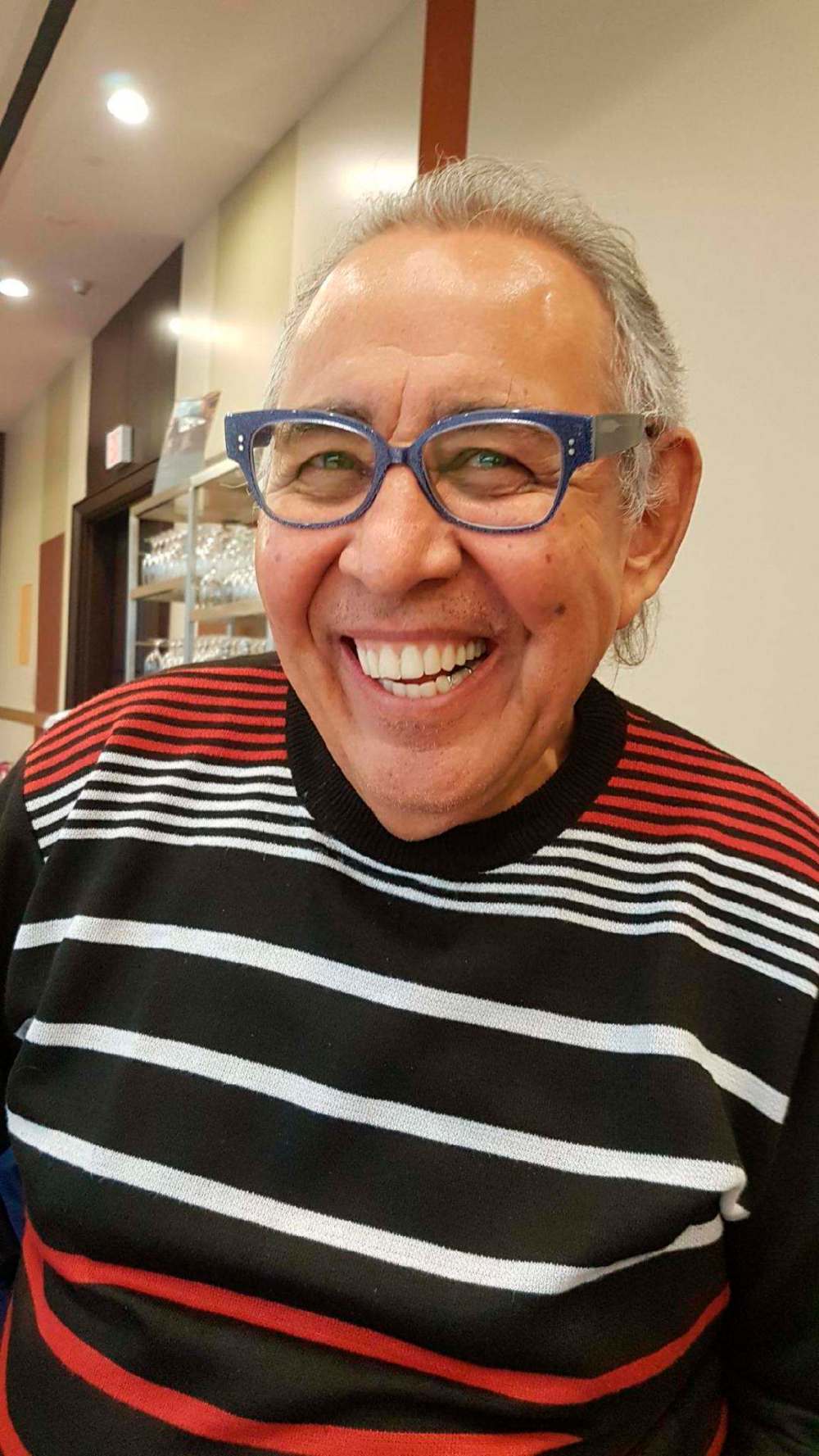
His legacy was invoked throughout the day, as Federal Court Justice Michael Phelan heard from those who support the terms of the federal government’s settlement — and from some of those who object to it.
“For Garry, his long-time dream is becoming reality. It is reality — it’s just technicalities, legalities, that have to be worked out,” Delma McLean, Garry’s sister, said after Monday’s hearing. “I was elated, but sad, because Garry wasn’t with us. He was with us in spirit.”
It’s up to Phelan to decide whether the settlement is fair to former day school students.
It’s been in the works since McLean launched his lawsuit in 2009. All students who attended one of more than 700 of the federally-run schools as far back as the 1920s are eligible for compensation under the proposed agreement. They would have 2 1/2 years to submit their claims, according to updated terms of the agreement announced Monday.
That’s an improvement from the year-long timeline previously proposed, but some objectors said it’s still not long enough to ensure the most vulnerable people affected by day school abuses get the compensation they deserve — including those who are currently hospitalized, incarcerated or disabled.
Observers filled the small federal courtroom on Broadway for the first day of the hearing, spilling over into additional rooms that hosted a live broadcast of the video feed.
Cultural support workers held eagle feathers and smudged a Delta Hotel conference room where some former students gathered to watch the court hearing. They clasped hands, passed boxes of tissues and shared stories about their day school experiences.
Brenda Beardy, who went to Lake St. Martin day school for eight years starting in 1956, drove in from Kenora, Ont., to witness the hearing. She was one of the people McLean phoned personally to let her know about the hearing dates.
“It means everything. We lost a lot of things as First Nations — our language, our self-esteem,” she said. “What I see is, they wait for a lot of us to die before they make a settlement, and I hope this is not going that way, because a lot of us are elders already. And how long do we still have to wait?
“Are we going to see this settlement fund come through or is it going to (go on) like this year after year until most of us are gone?”
In McLean’s honour, the proposed settlement would establish a $200-million “legacy fund” to offer cultural and wellness programs in Indigenous communities.
Mary Thomson is leading the class-action for the Gowling WLG law firm. It has been in contact with about 65,000 potential claimants and consulted with 60 Indigenous communities about the proposed settlement.
Some of those who object to the settlement say there hasn’t been enough consultation.
Thomson said it’s likely everyone who attended an Indian day school would be eligible for the baseline compensation of about $10,000 each, which they would be able to claim by filling out a form.

As part of the proposed settlement, $1.27 billion to $1.4 billion has been devoted to those claims, and there is no proposed limit to financial compensation for those who suffered the most serious physical and sexual abuse. Former students can choose to opt-out of the class-action settlement and pursue their own individual claims. The proposed settlement would forbid non-lawyers from being paid to help claimants fill out forms.
Thomson said she and her team heard “time and time again” about the “destructive” claims process that was created with Canada’s residential schools settlement — a process in which survivors were cross-examined on the abuses they suffered before they could receive compensation. This proposed settlement aims to avoid that, she said.
Former students of day schools were excluded from the 2007 settlement the federal government agreed to for those who attended residential schools. The physical and sexual abuse students encountered was similar, Phelan heard Monday, except day school students were able to sleep in their own beds at night.
katie.may@freepress.mb.ca
Twitter: @thatkatiemay
Katie May is a multimedia producer for the Free Press.
Our newsroom depends on a growing audience of readers to power our journalism. If you are not a paid reader, please consider becoming a subscriber.
Our newsroom depends on its audience of readers to power our journalism. Thank you for your support.
Katie May is a multimedia producer for the Free Press.
Our newsroom depends on a growing audience of readers to power our journalism. If you are not a paid reader, please consider becoming a subscriber.
Our newsroom depends on its audience of readers to power our journalism. Thank you for your support.
Advertisement Advertise With Us
Advertisement Advertise With Us
History
Updated on Monday, May 13, 2019 7:16 PM CDT: Adds photo