

In with the old
It doesn't always take much for a stale brand to become relevant again
Advertisement
Read this article for free:
or
Already have an account? Log in here »
To continue reading, please subscribe:
Monthly Digital Subscription
$1 per week for 24 weeks*
- Enjoy unlimited reading on winnipegfreepress.com
- Read the E-Edition, our digital replica newspaper
- Access News Break, our award-winning app
- Play interactive puzzles
*Billed as $4.00 plus GST every four weeks. After 24 weeks, price increases to the regular rate of $19.95 plus GST every four weeks. Offer available to new and qualified returning subscribers only. Cancel any time.
Monthly Digital Subscription
$4.99/week*
- Enjoy unlimited reading on winnipegfreepress.com
- Read the E-Edition, our digital replica newspaper
- Access News Break, our award-winning app
- Play interactive puzzles
*Billed as $19.95 plus GST every four weeks. Cancel any time.
To continue reading, please subscribe:
Add Free Press access to your Brandon Sun subscription for only an additional
$1 for the first 4 weeks*
*Your next subscription payment will increase by $1.00 and you will be charged $16.99 plus GST for four weeks. After four weeks, your payment will increase to $23.99 plus GST every four weeks.
Read unlimited articles for free today:
or
Already have an account? Log in here »
Hey there, time traveller!
This article was published 25/05/2019 (2534 days ago), so information in it may no longer be current.
If you want to buy the world a New Coke, you’re in luck.
One of the biggest marketing flops in history is making a temporary comeback as part of a promotional campaign tied to Stranger Things, Netflix’s wildly popular supernatural series set in the 1980s.
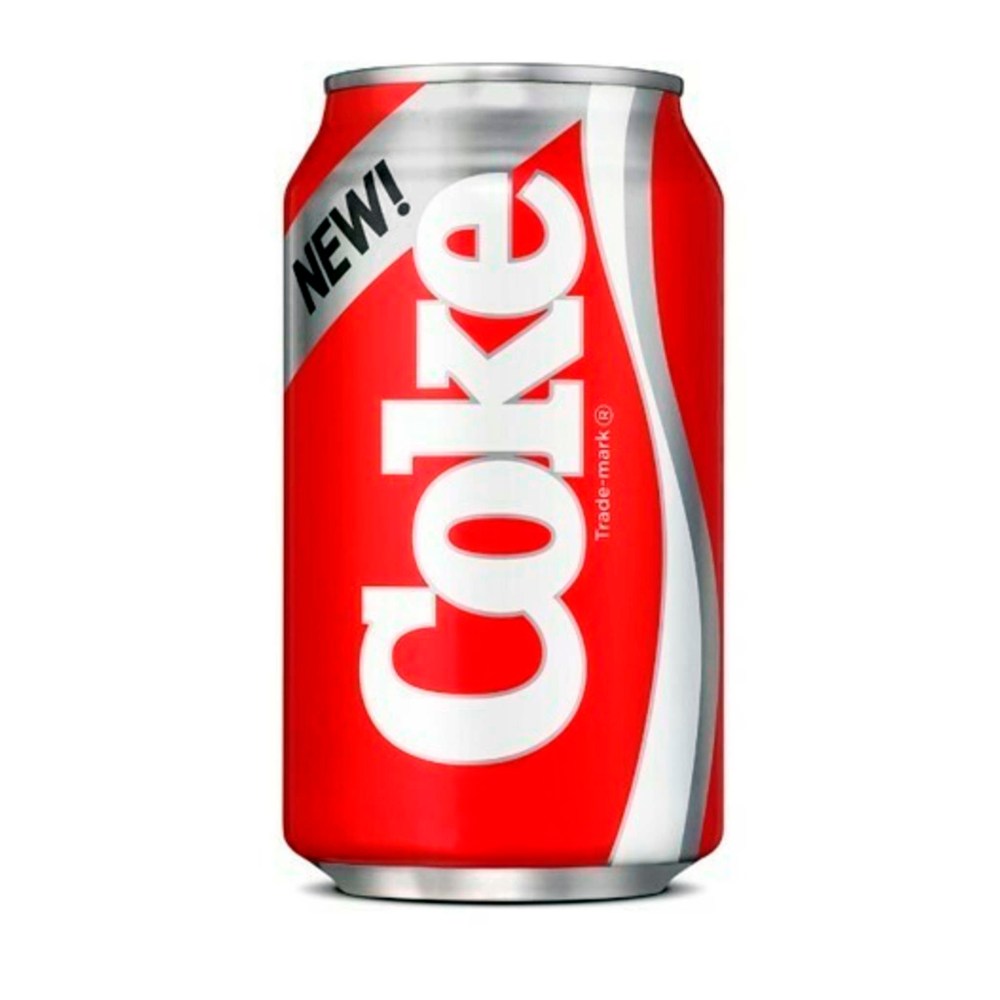
Season 3 of the eerie teenage drama takes place in the summer of 1985, which is when Coca-Cola, in a bid to boost flagging sales, changed its formula for the first time in 99 years, sparking an epic backlash that saw the new, sweeter version dropped after just 79 days. The company reintroduced its old formula, rebranded as Coca-Cola Classic.
Bringing New Coke back is a way for Coca-Cola to “not take ourselves too seriously,” Stuart Kronauge, senior vice-president of marketing for Coca-Cola North America, told CNN Business. And it wasn’t easy to recreate the product: Coke had to reach into its archives to find the logo, and dig through its vault to retrieve the recipe.
A limited supply of the failed soft drink is being made available as part of a Stranger Things package, including special “upside-down” vending machines inspired by the hit show that will pop up in select cities this summer to dispense free cans of the infamous drink.
Coca-Cola has produced roughly 500,000 of the New Coke 12-ounce cans, and expects to run out quickly.
It’s far from the first time a failed brand has essentially returned from the grave, as we see from today’s fizzy list of Five Famous Products That Made Miraculous Comebacks (From the Near Dead):
5) The comeback kid: Converse Chuck Taylors
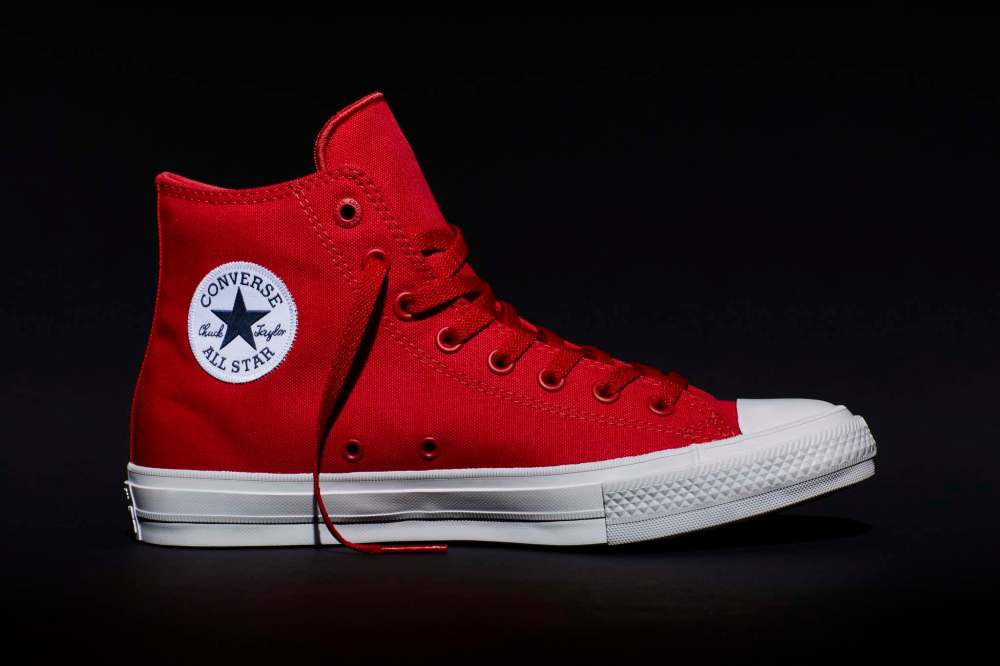
It’s alive! It’s alive!: It all began in 1917 when Converse Rubber Corp. began marketing the world’s first mass-produced basketball sneaker. To boost sales, the company enlisted Charles Hollis (Chuck) Taylor, who had played for the Columbus Commercials and was the closest thing to a basketball star at the time. “Converse put his name on the canvas in 1932 — probably the first celebrity co-branded endorsement on record — and, in 1947, began promoting a new version that Taylor himself had invented: the high-top,” according to adweek.com.
It was just a piece of canvas glued to a rubber sole, but Converse ruled the roost, pumping out about 750 million pairs of Chuck Taylor All-Stars. With the founding of the NBA in 1946, Chuck Taylors were the main footwear in the league.
“That was until the 1970s when the coming of brands like Adidas, Nike and Puma promised consumers better shoes, cooler styles and endorsements from NBA stars who, unlike poor old Chuck, really were household names by that time. Come 1998, Converse’s market share fell to 2.3 per cent; three years later, the only court that saw Converse sneakers in action was the bankruptcy kind,” adweek.com notes.
Converse was circling the drain when it was bought by Nike for US$305 million in 2003. Nike capitalized on the fact that, while athletes had abandoned “Chucks,” the iconic sneakers had become the fashion choice of punk musicians like Sid Vicious and the Ramones, as well as offbeat writers like Hunter S. Thompson. Even Stranger Things star Millie Bobby Brown has appeared in videos for the footwear brand.
“A year after the acquisition, more than two million pairs of All-Stars were sold. By 2011, around 70 million pairs of the sneaker were sold annually. In recent years, that number has ballooned to north of 100 million pairs per year — or more than 270,000 pairs per day,” according to ESPN.com. “Converse now boasts nearly US$2 billion in annual revenue.”
4) The comeback kid: Old Spice
It’s alive! It’s alive!: There was a time when pretty much the only thing anyone ever bought for their dad on Father’s Day was cologne, soap on a rope or something else from the Old Spice line of grooming products. But times and styles change, and Old Spice products, introduced in 1938 and revered by generations of manly men, began to fall out of style.
“In 1990, its producer of more than 50 years, the Shulton Co., sold it to Procter & Gamble. The new owner overhauled the brand, changing its scent, replacing its iconic clipper ship logo with a yacht, and targeting a younger demographic,” according to CNBC.com. Heading into the latter half of the 2000s, things were not looking great for the iconic brand. “There was fresh competition in the men’s deodorant/grooming products space — Axe — and they were soaking up Old Spice’s market share like an ergonomically designed loofah,” writer Erik Devaney notes on blog.hubspot.com. “Axe was a sleek, modern brand. Old Spice, in comparison, was stale and outdated. And sales were reflecting that more and more.”
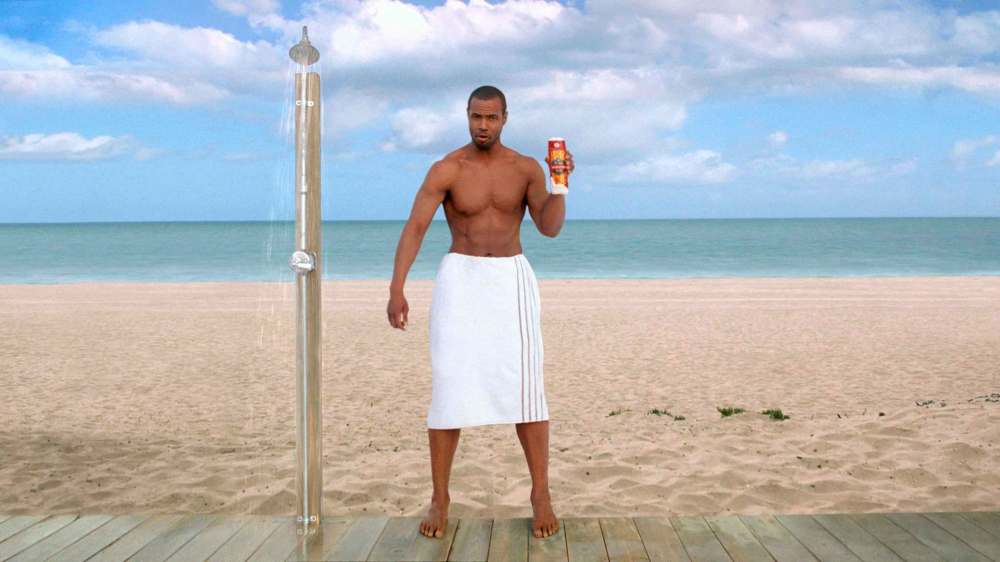
So Procter & Gamble turned to the Wieden and Kennedy agency to revamp the brand for an audience younger than its traditional grey-haired men’s after-shave consumer. Old Spice owes its comeback success to an off-the-wall campaign featuring a muscular former NFL player and a horse. “A quirky ‘Smell Like a Man’ ad campaign launched in 2010 and became a viral hit, sparking sales and brand recognition,” The Associated Press reported. “One ad featured buff, towel-clad, former football player Isaiah Mustafa who urged women to ‘Look at your man, now back at me.’ The ad generated tens of millions of online views and a new catchphrase: ‘I’m on a horse.’ Another campaign included 186 related videos in which Mustafa responded personally to online queries, including ones from talk show host Ellen DeGeneres and actress Alyssa Milano.”
Six months after the campaign launched, Old Spice body wash sales grew 27 per cent, making it the top seller in the category. “Thanks to this genius campaign, the red bottle that was once associated with a grandfather’s bathroom cabinet became appealing to younger men,” gushed askmen.com.
3) The comeback kid: Lego
It’s alive! It’s alive!: It’s hard to believe there was ever a time when kids didn’t play with Lego’s iconic brand of interlocking plastic bricks, but that’s what we’re here to tell you. Lego began selling its brightly coloured building components in 1949, and they quickly became popular throughout the world. Movies, games, competitions and amusement parks have been inspired by the Danish toy company.
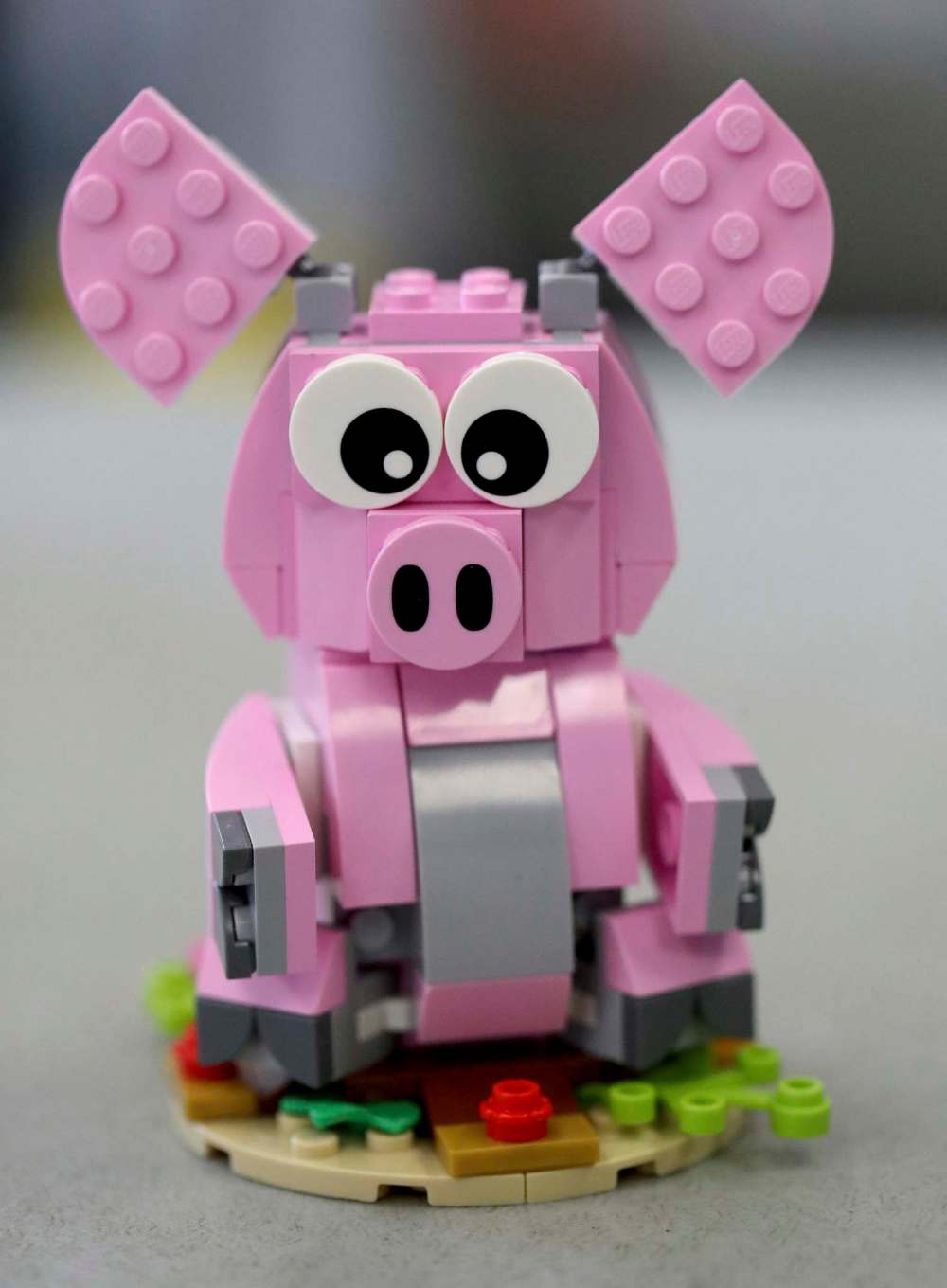
But near the turn of the century, things started to fall apart, so to speak. “In the late ‘90s, Lego became obsessed with expanding their brand via new, innovative product designs. And while that might have sounded good in theory, in practice it meant manufacturing thousands of new, unique pieces, and promoting action figure-esque toys that had little connection to the classic Lego brick systems,” according to Devaney on blog.hubspot.com. It got ugly in 2003 when the company lost US$300 million on the year and projected a loss of US$400 million for the following year. U.S. sales alone declined by 35 per cent.
In 2004, Jorgen Vig Knudstorp took over as CEO and he turned to Lego’s target audience, kids, to find out what they really wanted. And what the kids wanted wasn’t pre-built action figures; it was an opportunity to build anything they could imagine. “So Lego got rid of all those new, super-fancy pieces they had introduced in the late ‘90s, and had their marketing team (who had done extensive research) work with the product designers to make sure they were creating Lego lines that kids actually wanted,” Devaney noted. “In 2015, which Lego declared its best year ever, the company brought in US$5.2 billion in revenue, making Lego the second-biggest toy company in the world.”
In 2015, it replaced Ferrari as Brand Finance’s “world’s most powerful brand.” It’s been called one of the greatest turnarounds in corporate history. And, yes, it is coming out with a special Stranger Things set to tie in with the Netflix mega-hit.
2) The comeback kid: Pabst Blue Ribbon
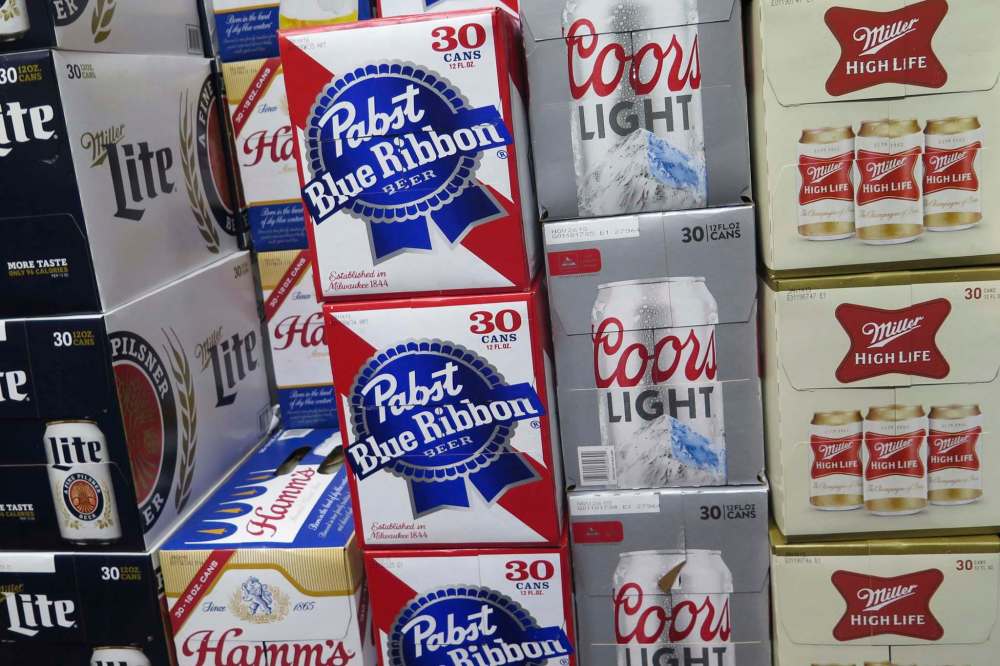
It’s alive! It’s alive!: What we’re talking about here is a beer that has been brewed for over 170 years and, at one time, was the bestselling suds in America. “The past decade has been an incredible one for the brewery, and especially for its namesake beer. The pale, fizzy lager was popular in the 1970s, but lost its way in the 1980s and 1990s, hitting a low in 2001, when PBR sales dipped beneath a million barrels.
But the 2000s have been all about highs for America’s favourite hipster beer, and PBR sales have grown in leaps and bounds,” according to quartz.com. In an article on blog.hubspot.com, Devaney writes the key to Pabst’s recovery was to forgo traditional advertising altogether. “No billboards. No radio spots. No TV commercials filled with sports jersey-clad bros cracking PBRs and high-fiving. Instead, when PBR sales hit rock bottom in 2001 — and they couldn’t have afforded traditional advertising even if they’d wanted to — the company turned to Fizz, an Atlanta-based word-of-mouth marketing agency,” he wrote.
Fizz founder Ted Wright has said: “PBR having no money for traditional advertising was a blessing in disguise. The fact that these young people had never seen a PBR ad was a huge selling point for them… Traditional advertising, particularly of the kind produced by big beer companies in those days, would have killed whatever tiny momentum the brand had built.”
The non-traditional ad strategy — relying on things like messenger bike races — helped rescue the brand and turn it into a billion-dollar company. It became the beer for cool underground “alternative people,” according to the Washington Post, and was listed in the 2003 Hipster Handbook as the “best-tasting domestic beer.” The fate of the beer hung in the balance at a court case last year in which Pabst sued MillerCoors, which has been brewing PBR since 1999. A last-minute settlement was welcome news for drinkers of one of America’s top budget beers.
1) The comeback kid: Twinkies
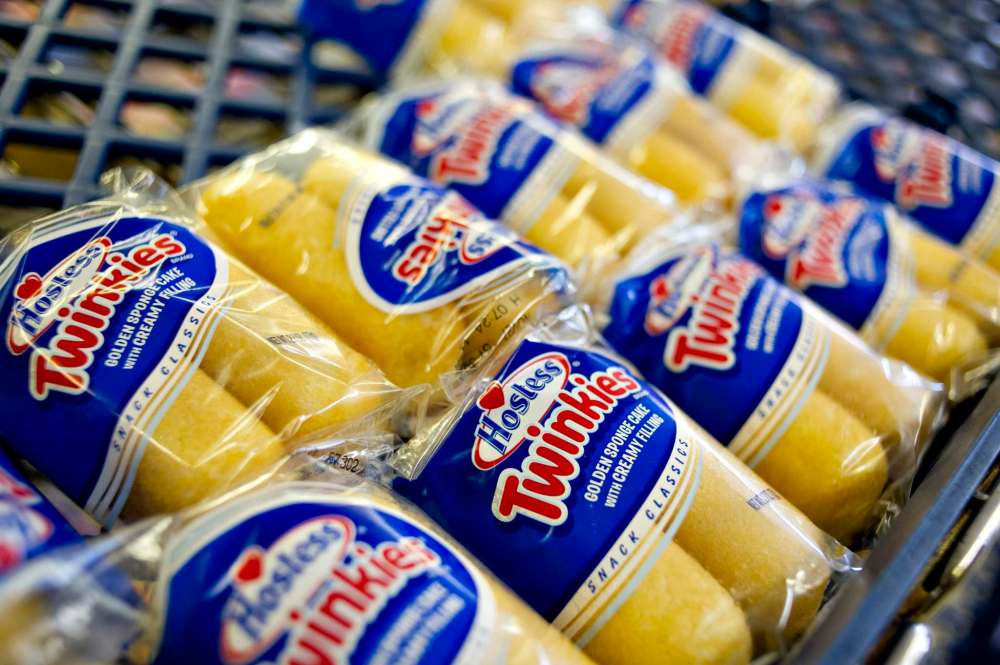
It’s alive! It’s alive!: It’s been called “the sweetest comeback in the history of ever.” We are referring to the legendary cream-filled golden snack cakes known as Twinkies. In 2012, it appeared the humble yet beloved snack had reached the end of the road after a trend toward healthy eating and a bitter union brawl forced its baker into bankruptcy. “Hostess was founded in 1919 with the introduction of its swirly-topped CupCake, but its first true hit was the Twinkie, first baked in 1930. Hearty and sweet, the two-for-a-nickel Twinkies proved immensely popular among the penny-pinching Americans of the Great Depression,” according to the Washington Post. “Their chemical sturdiness — a common myth says they won’t spoil for years — helped secure their place in lunchboxes and bomb shelters. In 1999, president Bill Clinton selected the iconic American treat as one of the keepsakes in the nation’s millennium time capsule.”
But Twinkies were headed for extinction in 2012, when the treats disappeared from store shelves for about 10 months. Fortunately, investors rode in, bought the company out of bankruptcy for US$410 million, restarted the bakery conveyor belts and used the failure as a marketing tool — boasting on social media, where the uproar over the demise of Twinkies was most vocal, that “An icon returns.”
Wrote the Post in 2016: “Now, Hostess Brands is back with a vengeance, with new plans to become a publicly listed company and return to a market that had once left it for dead. The deal… would give the maker of Twinkies, CupCakes and Ding Dongs a market value of roughly US$2.3 billion… The once-bankrupt company is again booming, pulling in US$650 million in revenue in the 12 months ending May 31, filings show. But along the way, management has carved deeply into its workforce.”
With a new lease on life, Twinkies are rebounding big time. This month, it was announced Hostess sales to Walmart and Sam’s Club in the U.S. hit all-time highs. And an Oklahoma woman who turned 105 this month revealed her secret to longevity — Kentucky Fried Chicken and Twinkies. We’d say it was the preservatives, but that would be mean.
doug.speirs@freepress.mb.ca