Little Penguin wines waddling on thin ice
Australian brand's move to California accompanied by disappointing decline
Advertisement
Read this article for free:
or
Already have an account? Log in here »
To continue reading, please subscribe:

Digital Subscription
One year of digital access for only $205*
- Enjoy unlimited reading on winnipegfreepress.com
- Read the E-Edition, our digital replica newspaper
- Access News Break, our award-winning app
- Play interactive puzzles
*First annual payment billed as $205.00 + GST for one year. This annual subscription will automatically renew at $233.00 + GST every 52 weeks (10% off the regular annual price of $259.35). Offer available to new and qualified returning subscribers only. Cancel any time.
To continue reading, please subscribe:
Add Free Press access to your Brandon Sun subscription for only an additional
$1 for the first 4 weeks*
- Enjoy unlimited reading on winnipegfreepress.com
- Read the E-Edition, our digital replica newspaper
- Access News Break, our award-winning app
- Play interactive puzzles
*Your next Brandon Sun subscription payment will increase by $1.00 and you will be charged $17.95 plus GST for four weeks. After four weeks, your payment will increase to $24.95 plus GST every four weeks.
Read unlimited articles for free today:
or
Already have an account? Log in here »
Hey there, time traveller!
This article was published 25/05/2019 (2643 days ago), so information in it may no longer be current.
Back in the late 1990s/early 2000s, a veritable zoo’s worth of wines with critters on the labels began landing on shelves at Liquor Marts and private wine stores, for the most part from Australia — kangaroos, koalas, all manner of tropical birds and more.
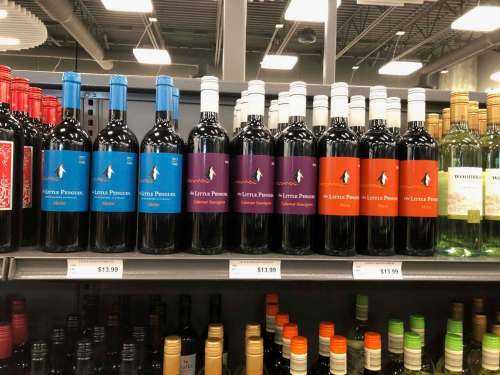
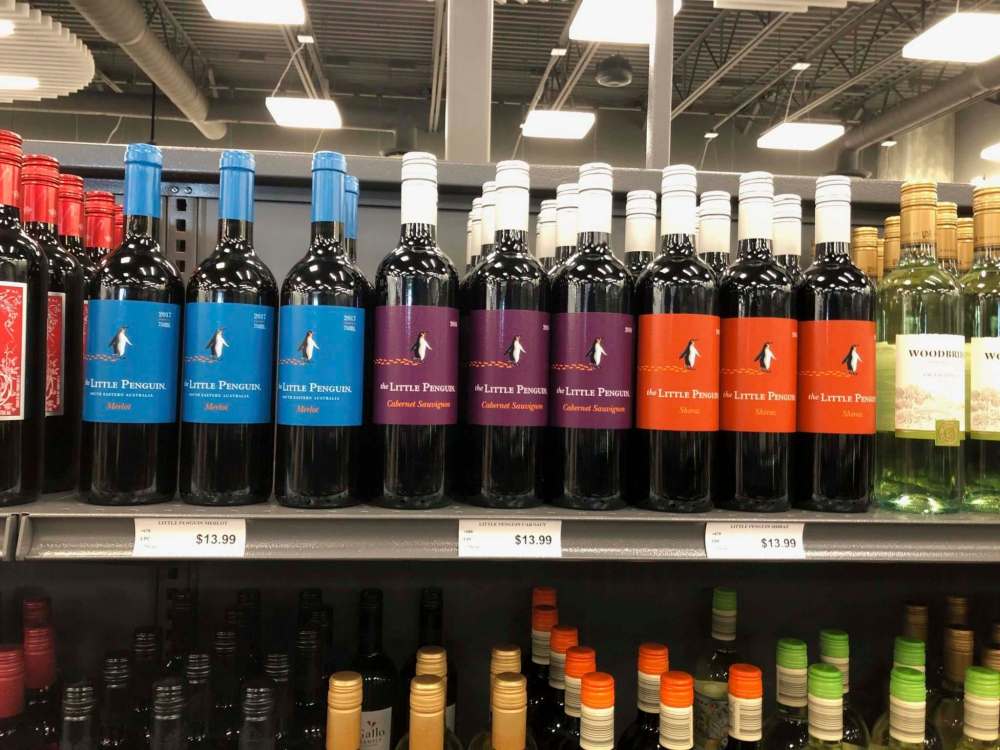
Among the newcomers were the Little Penguin wines, cheap and cheerful reds and whites that, for the price (under $15), brought decent bang for the buck.
Penguins are incredible creatures — in documentaries we often see them waddling across frozen landscapes in large groups. And while the little creatures themselves can’t fly, it appears the Little Penguin wines have flown the coop from their native Australia to a surprising locale — California.
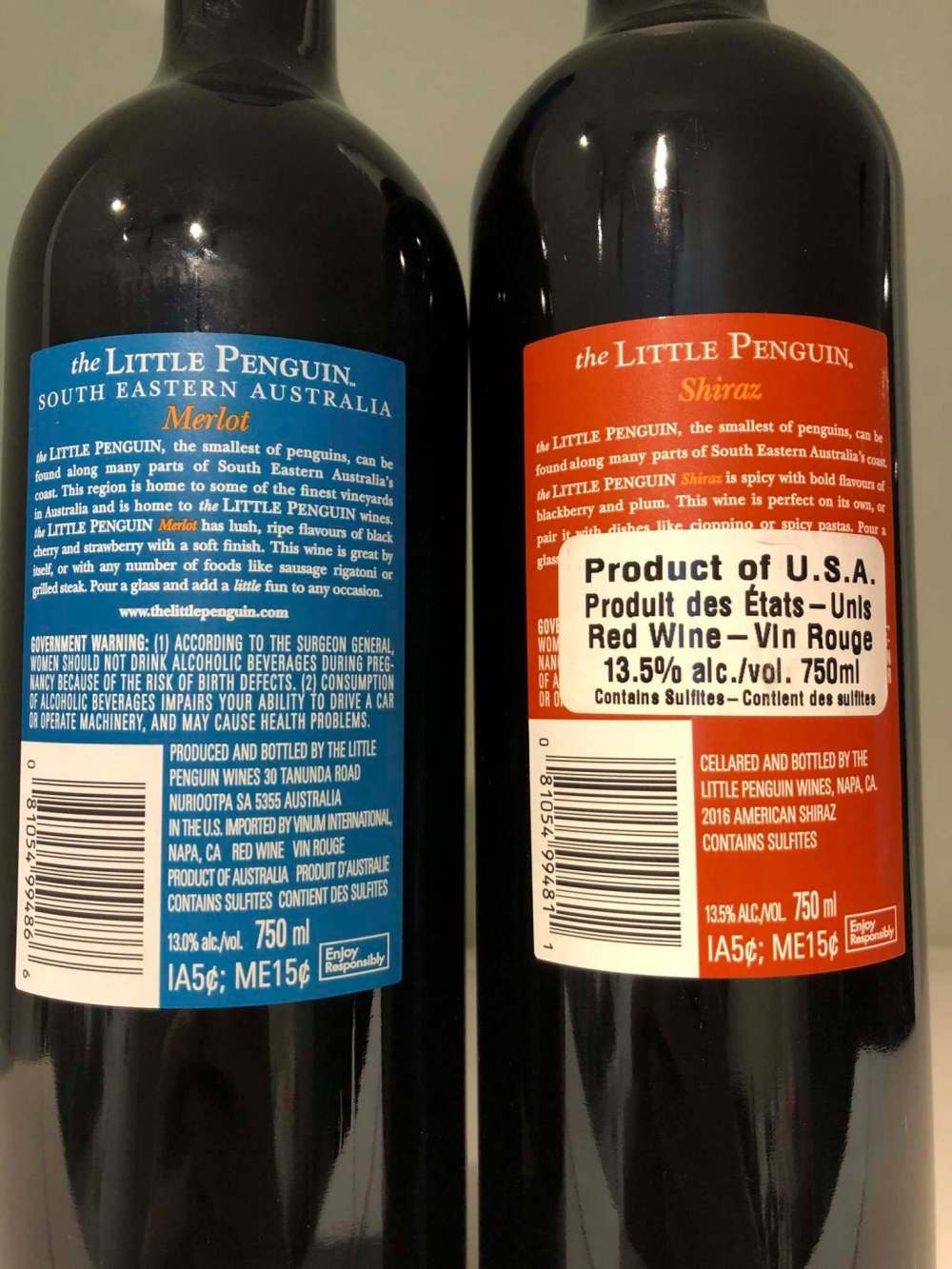
Recent stops at a few Winnipeg Liquor Marts found the Little Penguin wines hanging around in the U.S. wine section, which initially seemed strange. A closer examination of the back label, however, reveals three of the four wines are now being “cellared and bottled by the Little Penguin Wines, Napa, Ca.”
The Little Penguin Shiraz — a red once found on all manner of wine lists in the city — is one of these wines. While the description of the penguins themselves on the back of the bottle mentions the birds are found in “many parts of South Eastern Australia,” the wine itself is deemed a 2016 American Shiraz — an oddly vague appellation, in that it doesn’t even specify the Golden State, and which means grapes could be coming from fruit anywhere in the U.S. and simply assembled in California. Technical data about the wines found on the Bronco Wine Co. website — the company that owns the Little Penguin brand — indicates all the wines are now made in the U.S., with the appellation listed simply as “America.”
Getting into the grape breakdown in the wine provides even more intriguing information. The red-labelled Shiraz, for example, is only 87 per cent of the grape named on the front label. The next grape listed is Rubired, which makes up 10 per cent of the wine. It’s a lesser-known, high-yield grape hybrid variety created from Tinta Cão, a Portuguese variety, and Alicante Ganzin. Rubired tends to impart little flavour but, unlike Shiraz, brings loads of colour, as the juice in the grapes actually runs red (as opposed to most red wine grapes, whose juices are clear but whose colour comes from the skins).
The rest of the Shiraz is dubbed “proprietor’s blend,” a mysterious labelling found on the tech sheets of almost all the American-made Little Penguins. (The Cabernet, for example, is 75 per cent Cabernet Sauvignon, 11 per cent Rubired, three per cent Zinfandel and 11 per cent “proprietor’s blend.”) And while there’s nothing wrong with blends, it would seem here the secondary grapes are being used for consistency and colour rather than flavour.
Then there’s the sugar level, which in the Shiraz clocks in at just over 11 grams per litre. Most dry red table wines historically retain between zero to six grams of residual sugar — sweetness naturally found in the fruit that was fermented — per litre. Under four grams of sugar per litre is typically undetectable to most palates, while 11 grams per litre is on par with wines such as Australia’s Yellow Tail Shiraz (another critter wine) which brings around 12 grams per litre. (California’s Apothic Red, meanwhile, brings 15 grams per litre.) A little naturally occurring sugar isn’t necessarily a bad thing to accentuate fruit flavours, but 11 grams is high for a red; the Little Penguin wines are likely crafted this way specifically to lure those who find most red wines “too dry.”
So what is the Little Penguin 2016 Shiraz (America — $13.99, Liquor Marts and beyond) like? Visually it’s medium ruby in colour, while aromatically it brings raspberry-candy, sweet cherry, clove and vanilla notes. It’s medium-bodied and slightly sweet, is essentially devoid of mouth-drying tannins and offers raspberry and cherry notes that take on a confected, candy-like note. A dab of underlying vanilla struggles to make itself known as well. Overall, it’s a very simple wine that lacks character and brings little in terms of varietal identity — it doesn’t taste like Shiraz so much as it does a very basic, somewhat boring red wine that could come from anywhere and be made from any grapes. ★★
The lone Little Penguin wine on our shelves still coming from Australia is the Merlot.
Adding to the confusion is that local retailers appear to be stocking all the Little Penguin wines together in the U.S., despite the Merlot actually being made Down Under.
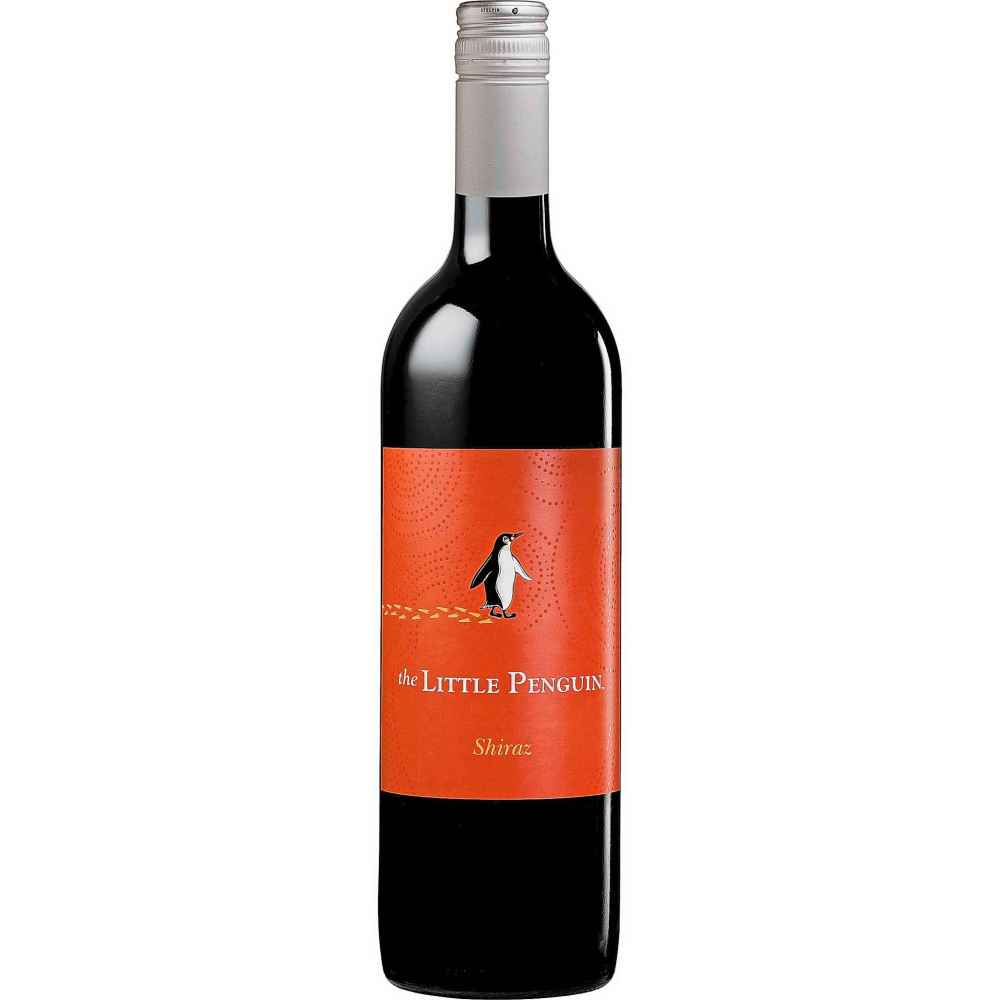
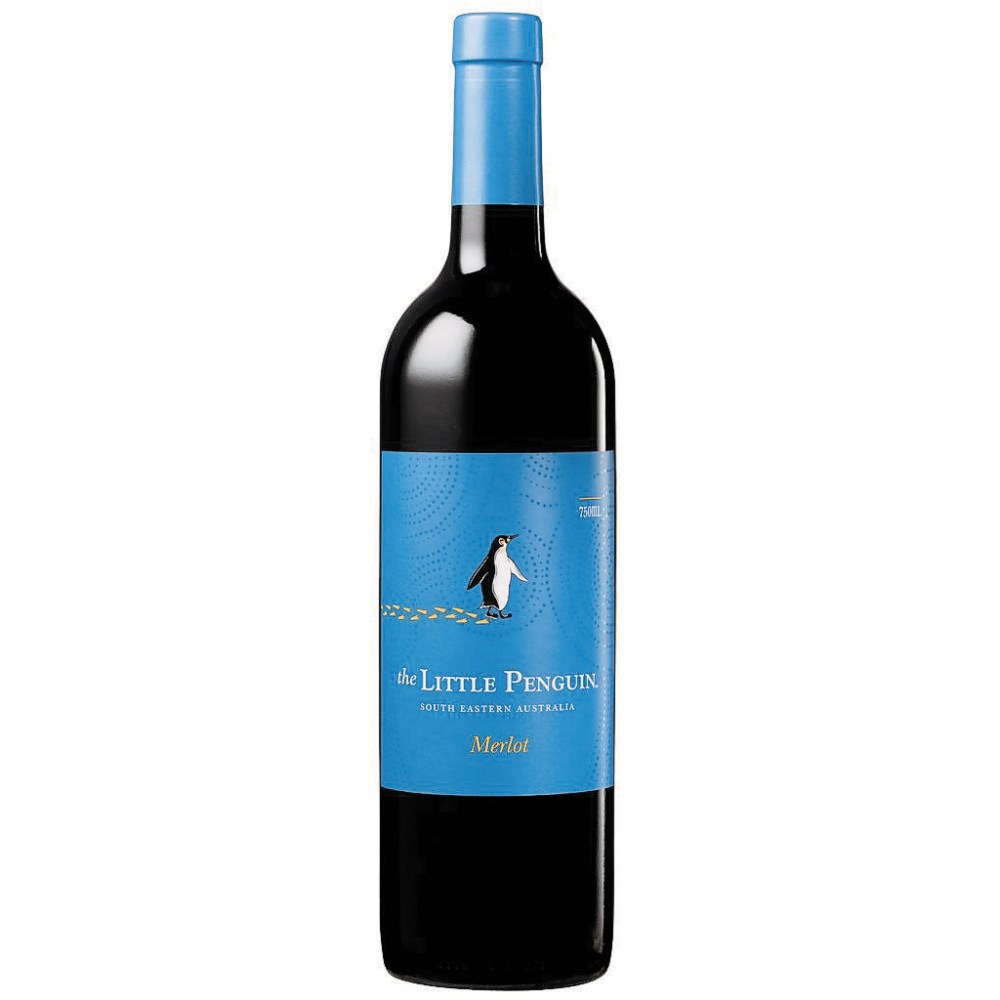
Sadly, the Little Penguin 2017 Merlot (southeastern Australia — $13.99, Liquor Marts and beyond) fares even worse than its American counterparts. It’s similar in appearance to the Shiraz, and aromatically things start off well, with blueberry, plum and sage notes that are pleasant enough. On the medium-plus-bodied palate, however, the sweet fruit is plush to the point of seeming flabby and overripe, with the blueberry and plum flavours taking on a decidedly confected note. The pronounced, almost-creamy vanilla and chocolate-cake note that emerges as the flavours linger makes things worse; in conjunction with the higher sugar levels, this Merlot ends up being more reminiscent of a big, decked-out chocolate fudge ice-cream bar than a wine. It’s hard to imagine pairing this with any sort of main course at all. ★1/2
Oh, how the mighty flightless bird has fallen.
The Little Penguin wines seem to be scattered across Manitoba Liquor Marts in dribs and drabs, insinuating that the wine may soon be going the way of the dodo in this province.
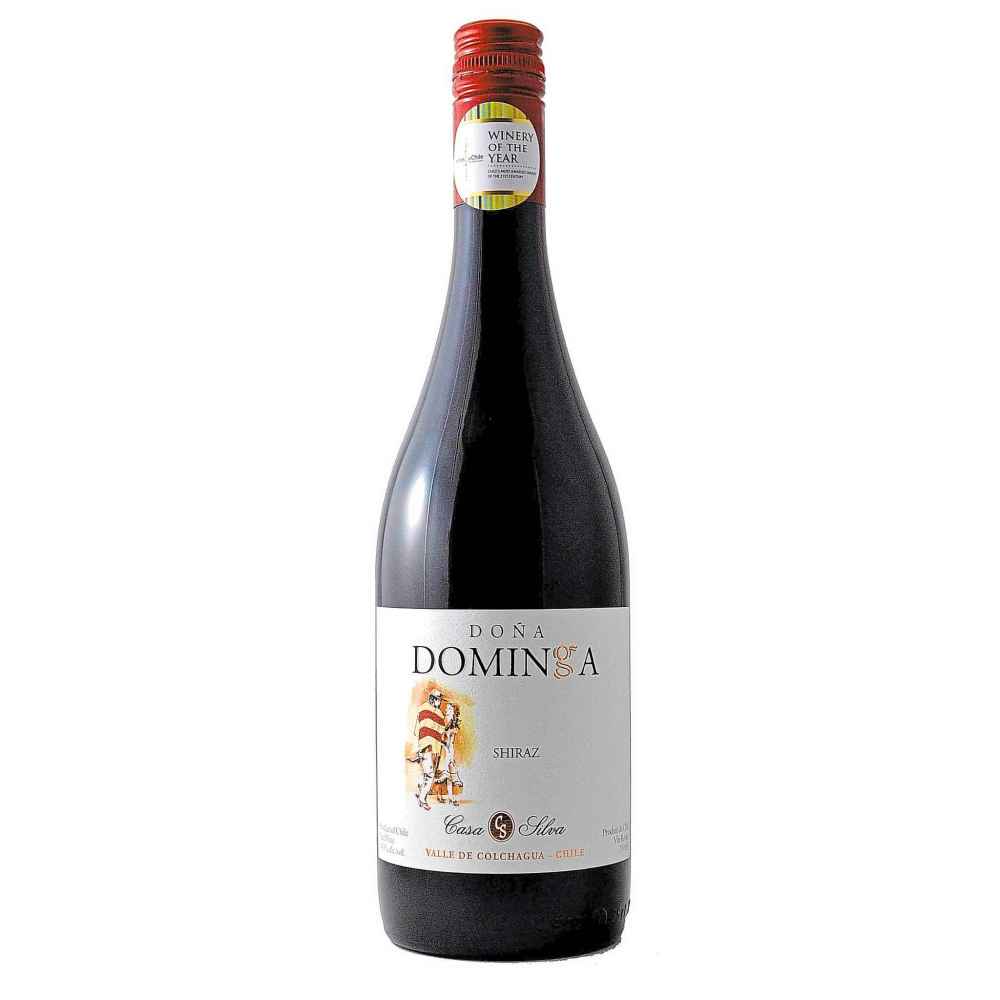
Now, not all wines in the entry-level price range are created equal — in fact, the Casa Silva 2018 Doña Dominga Syrah (Colchagua Valley, Chile — around $12, private wine stores) punches well above its class in terms of quality-to-price ratio. Deep purple in colour, it offers very good varietal characteristics on the nose — in other words, it smells like Syrah — with black cherry, earth, violet and meaty, almost-smoky aromas coming through. It’s medium-plus bodied and dry, with beautiful pure black cherry and brambly blackberry notes on the palate; some secondary smoky, earthy notes; a splash of acidity; and some modest tannins that are just right. It’s decidedly drinkable now, and is easily the best $12 tasted for this column in some time. ★★★★1/2
uncorked@mts.net
Twitter: @bensigurdson