

Justice denied
BBC reporter's book on Tina Fontaine case offers valuable outside perspective
Advertisement
Read this article for free:
or
Already have an account? Log in here »
To continue reading, please subscribe:
Digital Subscription
One year of digital access for only $1.44 a week*
- Enjoy unlimited reading on winnipegfreepress.com
- Read the E-Edition, our digital replica newspaper
- Access News Break, our award-winning app
- Play interactive puzzles
*Billed as $5.77 plus GST every four weeks. After 52 weeks, price increases to the regular rate of $19.95 plus GST every four weeks. Offer available to new and qualified returning subscribers only. Cancel any time.
To continue reading, please subscribe:
Add Free Press access to your Brandon Sun subscription for only an additional
$1 for the first 4 weeks*
- Enjoy unlimited reading on winnipegfreepress.com
- Read the E-Edition, our digital replica newspaper
- Access News Break, our award-winning app
- Play interactive puzzles
*Your next Brandon Sun subscription payment will increase by $1.00 and you will be charged $17.95 plus GST for four weeks. After four weeks, your payment will increase to $24.95 plus GST every four weeks.
Read unlimited articles for free today:
or
Already have an account? Log in here »
Hey there, time traveller!
This article was published 21/09/2019 (2440 days ago), so information in it may no longer be current.
It shouldn’t have taken a reporter from halfway around the world to translate Tina Fontaine’s important story into a book.
But a first attempt out this month, Red River Girl: The Life and Death of Tina Fontaine, by BBC journalist Joanna Jolly, is setting the bar pretty high.
Jolly pulls together the threads of a case that’s captured public attention for five years into a well-knit 276 pages. Her storytelling success is largely thanks to the access she got to members of the Winnipeg Police Service, who handed over their notes and agreed to in-depth interviews they rarely (if ever) granted to local media talking about Tina Fontaine.
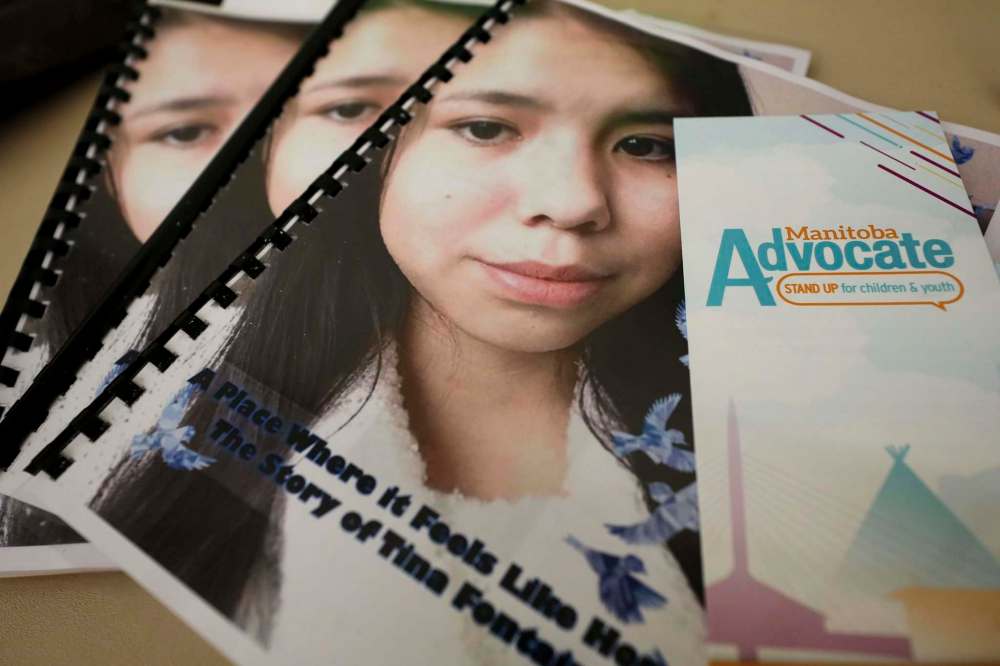
Though a short version of the police’s investigation was explained in court, local homicide detective Sgt. John O’Donovan walked Jolly through the precisions of each step they took, including their attempted undercover sting Project Styx.
While reading, it’s hard not to wonder how differently the book would have been written by a local reporter — by someone who has lived in Winnipeg and felt the resonance of Tina’s story, not to mention the change it spurred in the community. And by someone who may be more critical of the Winnipeg police, having dealt with them on a more regular basis.
Jolly travelled to Winnipeg several times while reporting on Tina’s case. The London-based journalist has spent much of her career telling stories about violence against women and girls, so having her global lens turned to the Prairies produced some valuable outside perspective. Winnipeggers often think of the city in terms of its own insular bubble, yet here was a story that demanded people the world over take notice.
Tina’s tiny body was pulled from the Red River on Aug. 17, 2014. Her corpse had been wrapped in a duvet cover and weighed down with rocks. She was only 15 years old.
Her death spurred international mourning and renewed calls for a national inquiry into why so many Indigenous women and girls have wound up missing or murdered in Canada. (According to Statistics Canada, Indigenous women and girls made up 16 per cent of female homicide victims between 1980 and 2012, despite only making up four per cent of the population.)
Jolly does a good job of contextualizing what was happening nationally around the time of Tina’s death. She draws from history, touching on the Aboriginal Justice Inquiry, the residential school system and other monumental events happening this decade, such as the trial of Gerald Stanley, who was acquitted of the murder of Colten Boushie in 2018.
For those who have been immersed in Tina’s case on the ground, that widened scope underscores the importance of her individual story.

Yet if there’s anything Jolly missed, it was having a singular focus on Tina. While the book is called Red River Girl, the bulk of it details the prolonged Winnipeg police investigation and the expensive Mr. Big sting members of the force undertook in their attempts to uncover whether suspect Raymond Cormier was guilty of Tina’s murder.
Jolly describes Project Styx as the “most elaborate and ambitious undercover operation the Winnipeg Police Service had ever attempted.”
O’Donovan led the project, which had a budget of $120,000, and ultimately failed in its goal of rousing a confession from Cormier.
Jolly doesn’t delve into why police have never attempted such an extravagant investigation before, despite no shortage of Indigenous women being murdered in Winnipeg.

The author does spend significant time on Cormier and O’Donovan’s personal stories, however. She introduces the suspect during a jailhouse interview in the first pages, and returns to the detective repeatedly, talking about his life’s path and his pursuit of justice for Tina at all costs.
Meanwhile Thelma Favel, Tina’s great-aunt who helped raise her, was also interviewed and featured in a a handful of chapters. She arguably knew Tina best of all, and could have shed more light on her life.
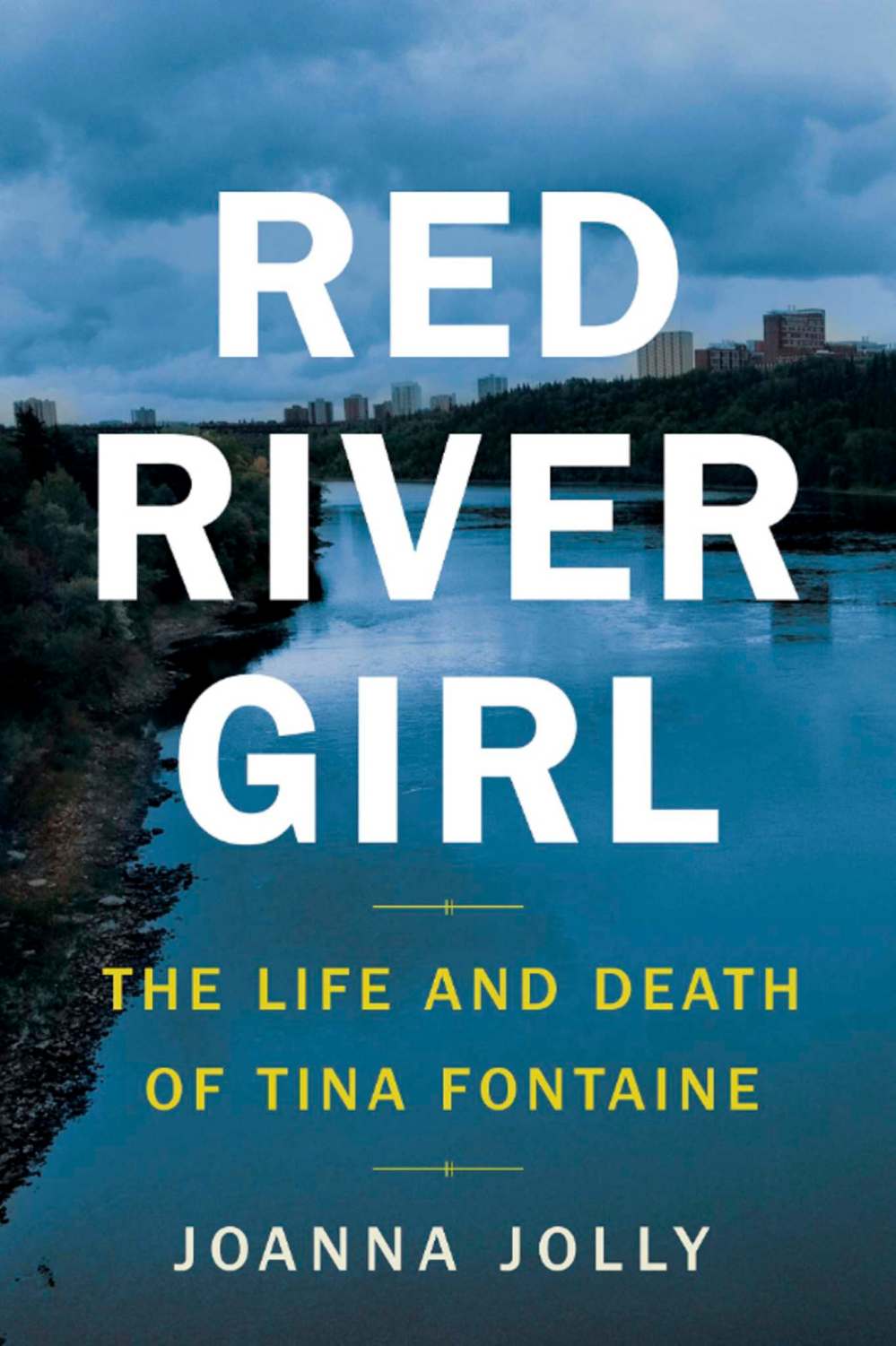
Ultimately, readers may learn more about the police investigation in Red River Girl than the young woman at the centre of it all, which is a bit of a shame.
Still, Tina’s story is one worth remembering and re-telling — over and over and over — in hopes it won’t happen again.
Jessica Botelho-Urbanski is a Free Press legislative reporter.