Following the leader
Pair of books on Justin Trudeau offer two insight into embattled Liberal Leader
Advertisement
Read this article for free:
or
Already have an account? Log in here »
To continue reading, please subscribe:

Digital Subscription
One year of digital access for only $205*
- Enjoy unlimited reading on winnipegfreepress.com
- Read the E-Edition, our digital replica newspaper
- Access News Break, our award-winning app
- Play interactive puzzles
*First annual payment billed as $205.00 + GST for one year. This annual subscription will automatically renew at $233.00 + GST every 52 weeks (10% off the regular annual price of $259.35). Offer available to new and qualified returning subscribers only. Cancel any time.
To continue reading, please subscribe:
Add Free Press access to your Brandon Sun subscription for only an additional
$1 for the first 4 weeks*
- Enjoy unlimited reading on winnipegfreepress.com
- Read the E-Edition, our digital replica newspaper
- Access News Break, our award-winning app
- Play interactive puzzles
*Your next Brandon Sun subscription payment will increase by $1.00 and you will be charged $17.95 plus GST for four weeks. After four weeks, your payment will increase to $24.95 plus GST every four weeks.
Read unlimited articles for free today:
or
Already have an account? Log in here »
Hey there, time traveller!
This article was published 19/10/2019 (2501 days ago), so information in it may no longer be current.
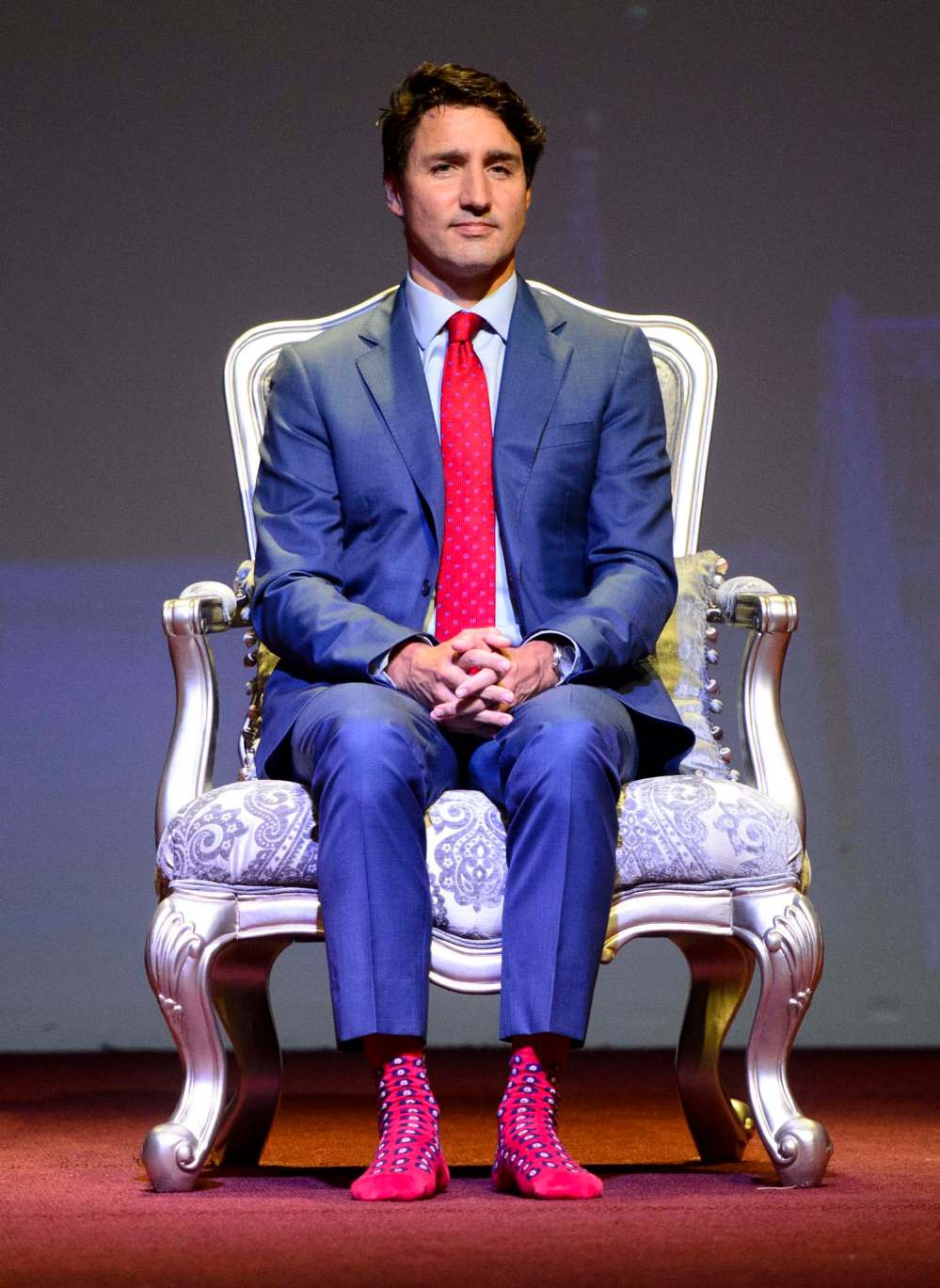
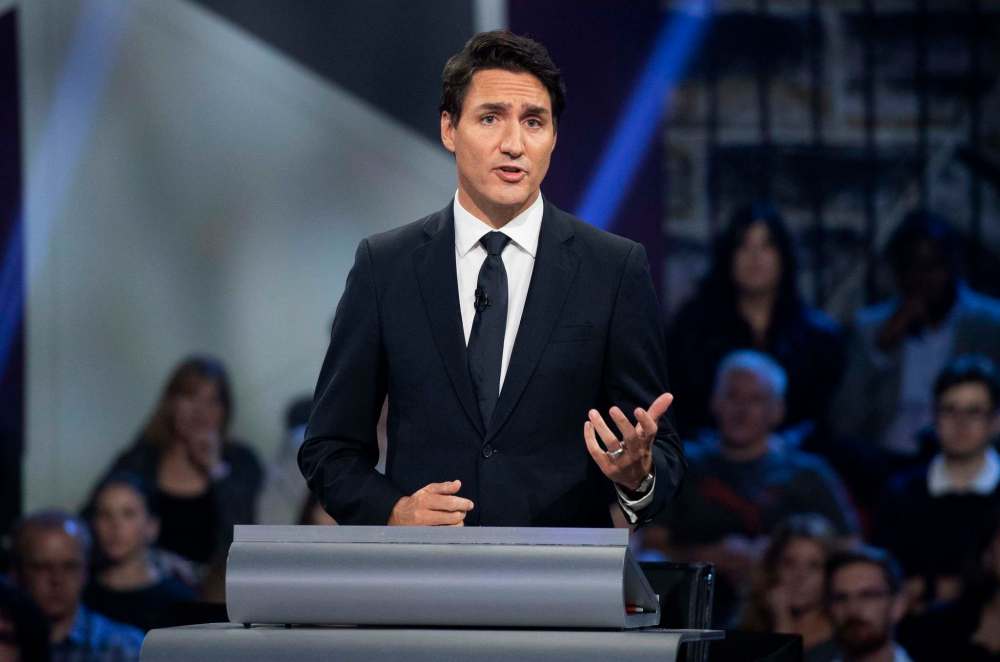
Just ahead of the federal election on Oct. 21, journalists Aaron Wherry and John Ivison provide different perspectives on Liberal Leader Justin Trudeau and his rise to power in Canadian politics. Both books provide excellent overviews of Trudeau’s time in office and excellent road maps for opposition war rooms to focus on what turned sunny days into a bleak 2019.
In Promise and Peril Wherry, a CBC Parliament Hill writer and former editor at Maclean’s, focuses on succinct events from Trudeau’s election in 2015 up until the fallout with former ministers Jodi Wilson-Raybould and Jane Philpott over the SNC-Lavalin affair. His narrative is much like one you’d find in a long-read magazine feature or newspaper story: it’s dense, filled with information and chronological.
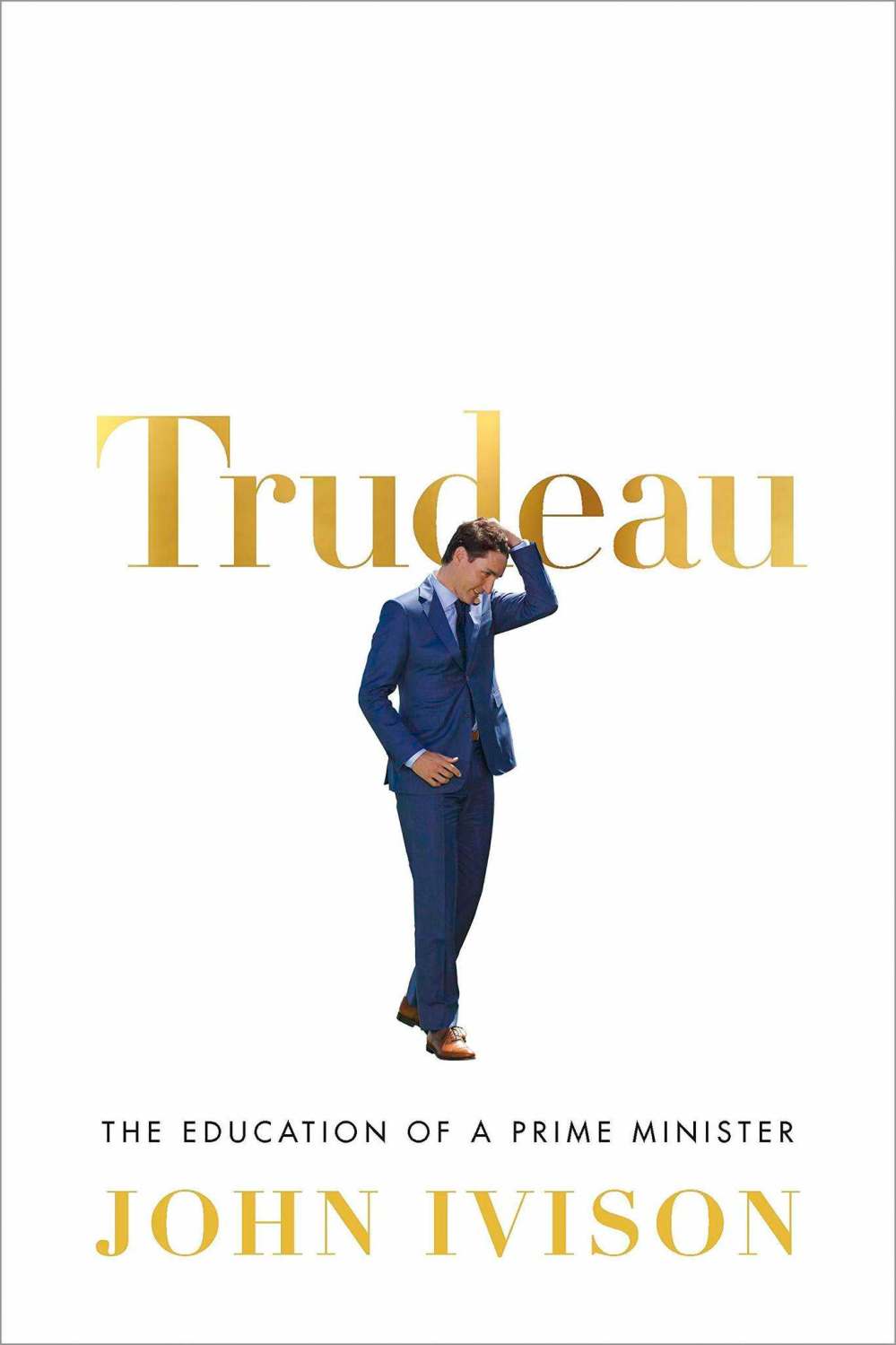
By contrast, Ivison’s Trudeau: The Education of a Prime Minister is more informal. As a political columnist for the National Post and the Ottawa bureau chief for Postmedia, Ivison’s ideological ilk is different than Wherry and, thus, his tone slightly sharper and more negative. There are few back pats for the Liberals in this book and a lot of criticisms. But his analysis garnered from interviews, both on and off record, and extensive research is exceptional. Ivison starts his profile much earlier than Wherry, beginning with Trudeau’s educational and career aspirations as a young man, providing insights into the prime minister he is today.
Both authors paint a picture of a prime minister who is at once too ambitious and at times too impetuous. Ivison interviewed a Liberal insider who said that following the election, Trudeau had the opportunity to ratchet down his election promises into manageable policy goals. Instead, the confidential source said, “they made the election platform promises into mandate letter commitments and published them. So rather than bring expectations down, they cranked them even higher.” Many of those promises were beyond Trudeau’s ability to deliver.
One major unkept promise was electoral reform. Wherry suggests that “electoral reform was a fatally flawed promise that, once made, was never properly corrected. The result was wasted energy and a self-inflicted wound to Trudeau’s credibility.”
But as Wherry points out, the failure of B.C. to pass a referendum supporting a form of proportional representation two years later — and, in April 2019, Prince Edward Island’s verdict to nix a PR option — suggests that perhaps Trudeau’s decision was not far off.
The Conservatives have made a great deal of Trudeau’s inability to deliver on his promises, with their attack ads on television which began in May of 2019 that suggest the Liberal Leader is “not as advertised.” Wherry quotes Trudeau as aware of his shortcomings: “One of the first things I said when I won my nomination (in 2008) is, look, there’s people out there who have incredibly high expectations there are people out there who have incredibly low expectations. I’m fairly certain I’m going to disappoint everybody by being somewhere in the middle between the stratosphere and the depths.”

Trudeau’s struggle to work with U.S. President Donald Trump takes up a fair amount of space in both books, and provides a lesson for anyone hoping to criticize the Canadian government for its actions in attempting to negotiate a free trade deal and just how difficult those negotiations were. As Ivison puts it, at the end of the 18-month drama, “many Canadians wouldn’t soon forget the disrespect shown to one of America’s most staunch allies. But at the same time, the sense of relief was palpable — there was a collective realization that being outside a trade deal with the United States could have been an existential threat to Canada’s future prosperity.”
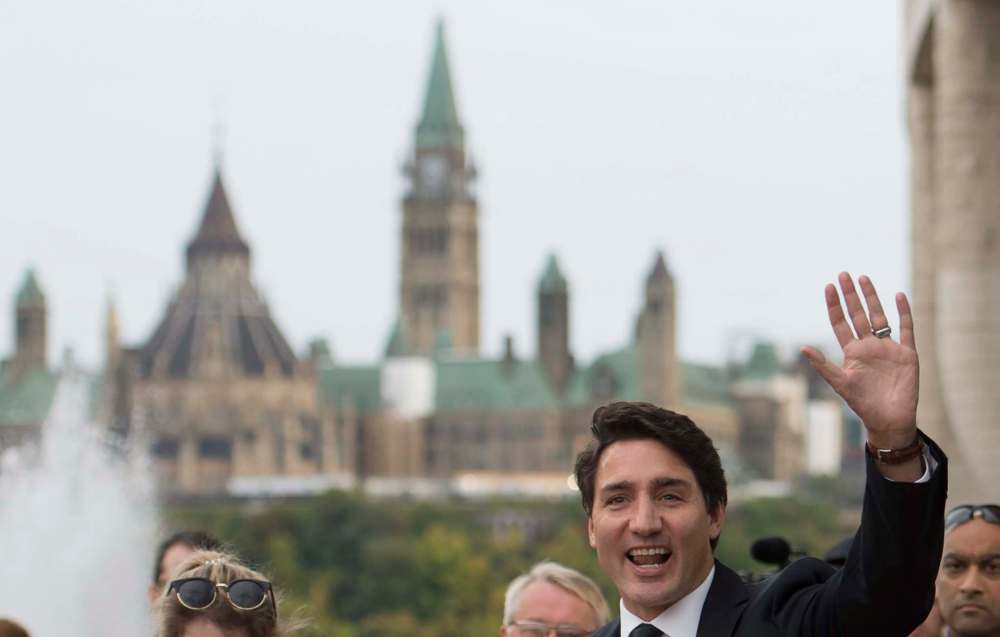
Trudeau’s commitment to gender equality in cabinet and his emotional responses are treated with great derision by Ivison, who considers Trudeau’s crying — “one columnist calculated that Trudeau had wept openly, or had his eyes well up at least seven times on camera” by the end of 2017 — as insincere and overly demonstrative. Wherry, however, sees Trudeau’s vulnerability as an example of how he does government differently.
Wherry details Trudeau’s openness with the public, his participation in open town hall forums across the country and his phone calls to individuals who are angry with government decisions. He writes “Trudeau is, by any measure, a much more public figure than his predecessor,” and has been remarkably open to the media. In contrast, Ivison views this as an aspect of Trudeau’s ego: “It’s been a curious aspect of Trudeau’s time in office that he inserts himself into every crisis — as if he can’t bear being out of the spotlight. A charitable interpretation is that he feels the needs to support embattled colleagues.”
Two books, two decidedly different takes on Canada’s 23rd prime minister. Both provide excellent background on the foibles and the flaws of Justin Trudeau and insight into the changing landscape of politics in this country. Both should be required reading before voting on Oct. 21, and every lesson inside should be on memorized by all political candidates knocking on doors right now.
Shannon Sampert is a retired political scientist and a consultant.
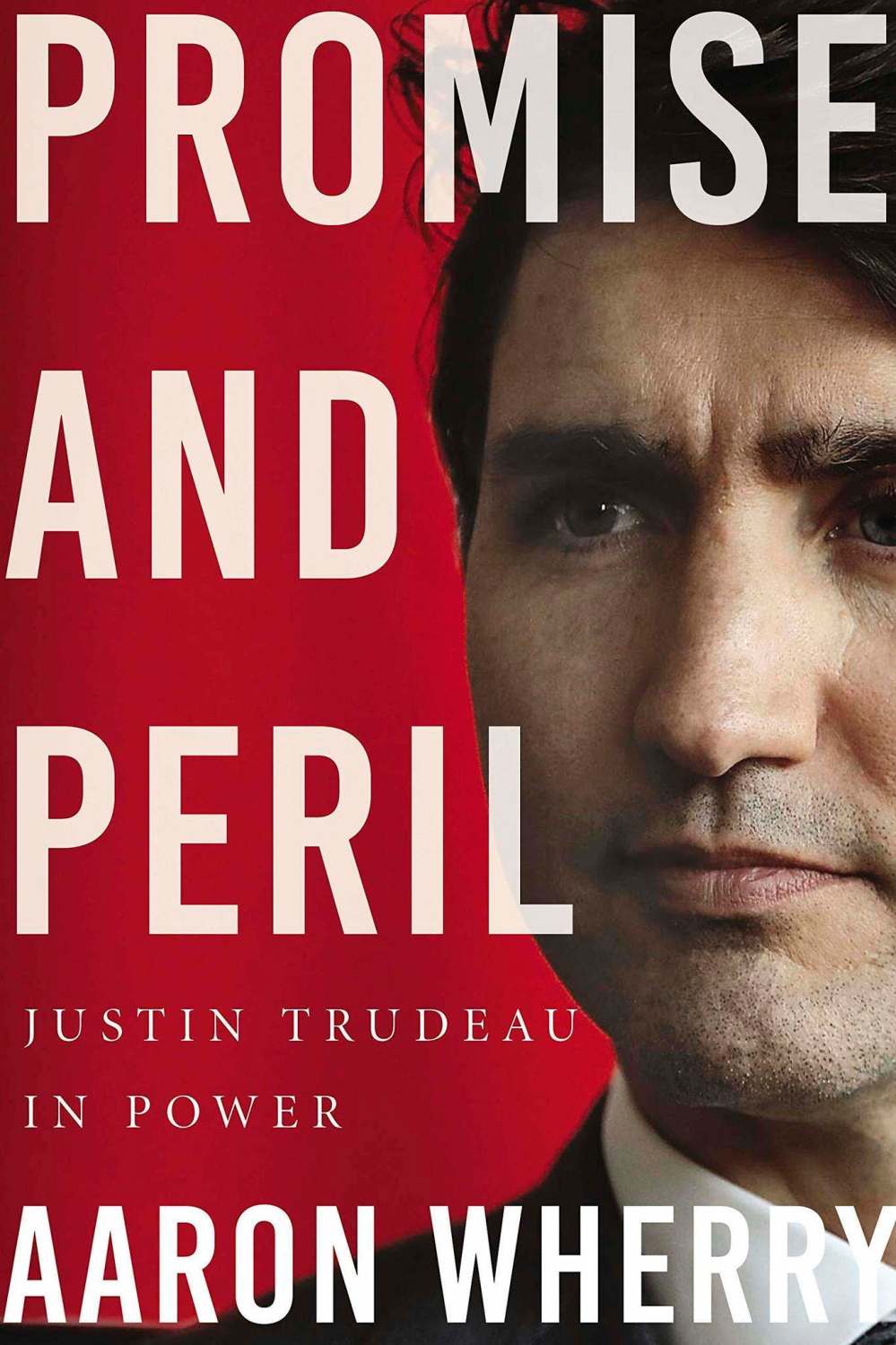
Promise and Peril:
Justin Trudeau in Power
By Aaron Wherry
HarperCollins Canada, 368 pages, $34
Trudeau:
The Education of a Prime Minister
By John Ivison
Signal, 368 pages, $33
Related Articles
An insider's insight
Advertisement Advertise With Us
Advertisement Advertise With Us