

Planetary pleasure
Exploration of Earth and our neighbours a cosmic delight
Advertisement
Read this article for free:
or
Already have an account? Log in here »
To continue reading, please subscribe:
Digital Subscription
One year of digital access for only $75*
- Enjoy unlimited reading on winnipegfreepress.com
- Read the E-Edition, our digital replica newspaper
- Access News Break, our award-winning app
- Play interactive puzzles
*Billed as $5.77 plus GST every four weeks. After 52 weeks, price increases to the regular rate of $19.95 plus GST every four weeks. Offer available to new and qualified returning subscribers only. Cancel any time.
Monthly Digital Subscription
$4.99/week*
- Enjoy unlimited reading on winnipegfreepress.com
- Read the E-Edition, our digital replica newspaper
- Access News Break, our award-winning app
- Play interactive puzzles
*Billed as $19.95 plus GST every four weeks. Cancel any time.
To continue reading, please subscribe:
Add Free Press access to your Brandon Sun subscription for only an additional
$1 for the first 4 weeks*
- Enjoy unlimited reading on winnipegfreepress.com
- Read the E-Edition, our digital replica newspaper
- Access News Break, our award-winning app
- Play interactive puzzles
*Your next Brandon Sun subscription payment will increase by $1.00 and you will be charged $17.95 plus GST for four weeks. After four weeks, your payment will increase to $24.95 plus GST every four weeks.
Read unlimited articles for free today:
or
Already have an account? Log in here »
Hey there, time traveller!
This article was published 28/12/2019 (2332 days ago), so information in it may no longer be current.
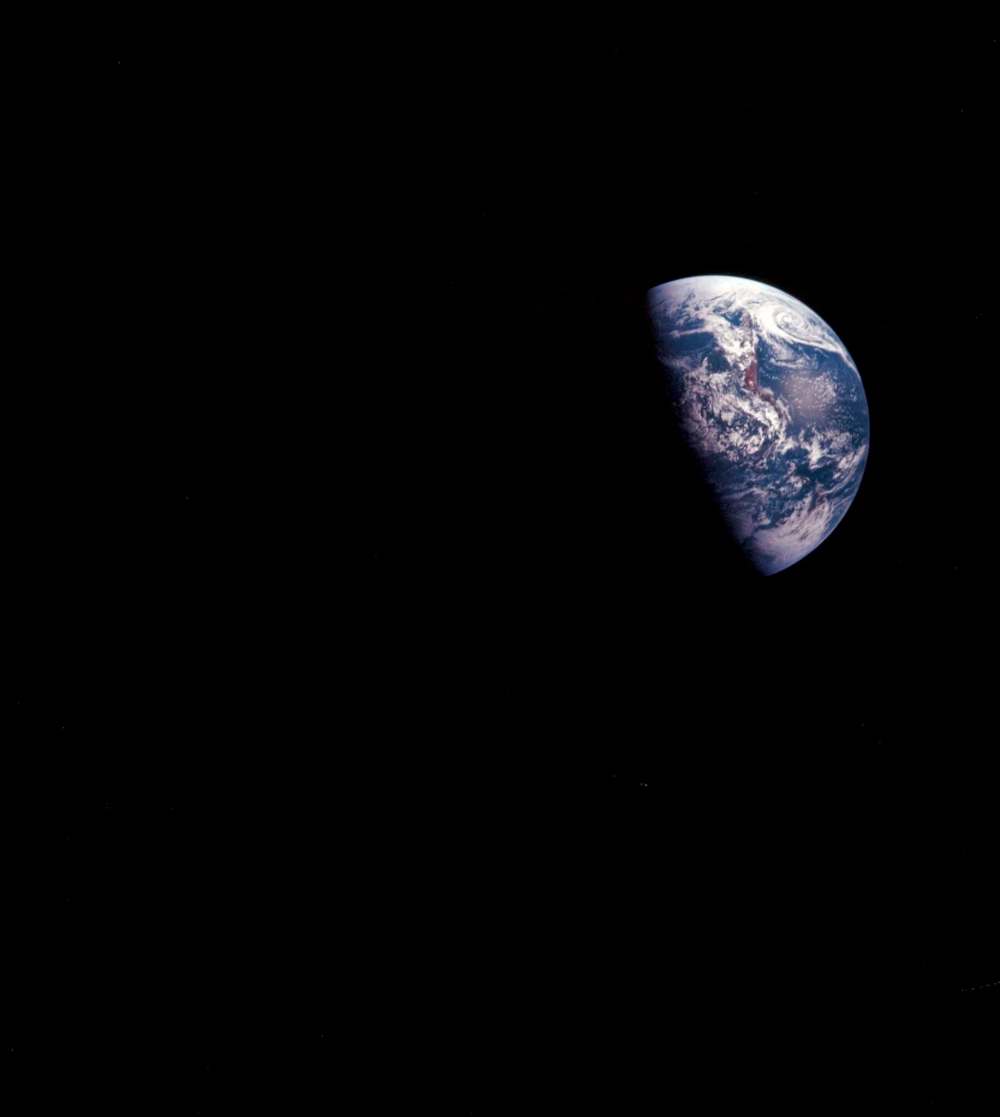
For most of us, thinking about other planets isn’t something we do every day. If we glance up from our phones while walking between cars and malls late at night, we might see a bright light in the night sky and wonder what it is, but beyond that, what’s up there doesn’t seem all that important.
But that bright point of light is likely a planet, probably Jupiter or Venus, and its history and importance to us on Earth may be much more significant than we realize.
British astronomer Paul Murdin’s The Secret Lives of Planets takes readers on a detailed tour of our solar system, along the way showing how each of his selected heavenly bodies has affected life on Earth. In fact, Murdin’s chapter on the Earth describes the complex nature of climate change — not just human-driven, but also the result of cosmic clockwork producing cycles of glaciers forming and retreating again, over and over.
Even the details regarding Mercury, the overwhelmingly hot planet nearest the sun, gives us insight into life on Earth. Its surface is marked by large craters created about 3.9 billion years ago during what is called the Late Heavy Bombardment, when large chunks of cosmic debris impacted all the planets. This allows paleobiologists to calculate the time when the fossil record on Earth must have begun, since any life that could have formed on Earth before this time would have been wiped out.
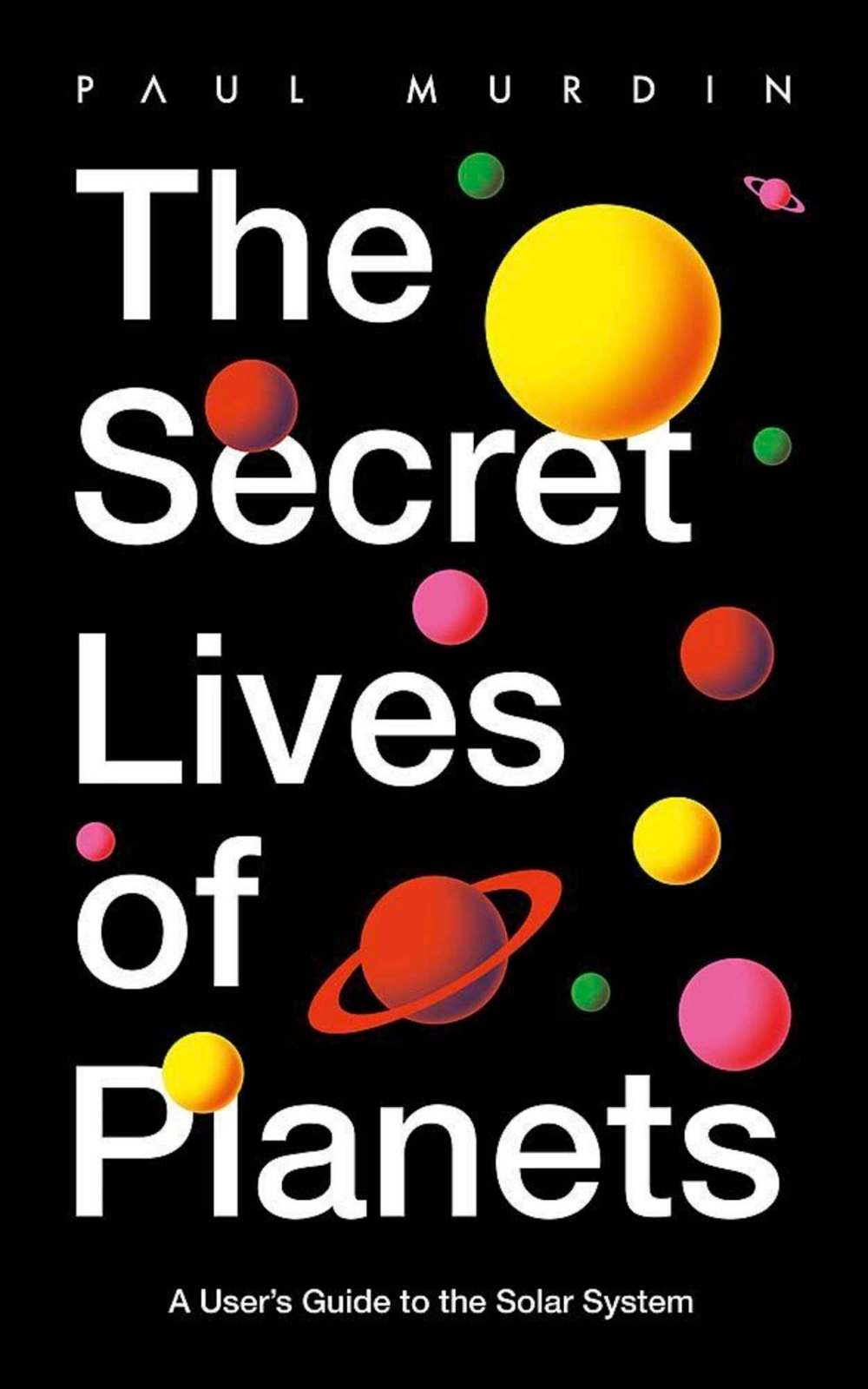
Murdin writes: “It turns out, then, that the secret life of Mercury, written on its crater-scarred face, is a clue to the secret life of our own Earth, and to the secret of life itself.”
Not content to simply focus on the eight planets (and Pluto), Murdin includes chapters on other members of our local system — large asteroids such as Ceres and Earth’s moon, and also moons of Mars, Jupiter and Saturn, the latter of which may house extraterrestrial life.
Murdin’s stories of planetary discovery are also fascinating. When Galileo announced his discovery that Venus was another planet like Earth, he did it via a coded message in Latin that only another astronomer could interpret. And how did William Herschel, a musician in the British army and later a church organist, end up as an astronomer?
The Secret Life of Planets is chock full of trivia, but also wonderful descriptions of the formation, discovery and exploration of planetary objects. Indeed, the number of space missions to study our local neighbourhood is staggering; since 2010, there have always been four to eight spacecraft on or orbiting Mars, something that attests to our fascination with the red planet.
As for other planets, there are many surprising facts to unpack. Uranus, for example, seems perfect for a Netflix TV series, since it orbits the sun “upside down.”
And why is it likely we can never get a really good look at the surface of Venus, even from spacecraft sent to land on it?
Murdin subtly notes: “The secret lives of planets are often well-hidden.”
Chris Rutkowski is a Winnipeg science writer and avowed nerd.