
Drought, flooding, freak snowstorm: weather hit Manitoba hard in 2019
Read this article for free:
or
Already have an account? Log in here »
To continue reading, please subscribe:
Monthly Digital Subscription
$1 per week for 24 weeks*
- Enjoy unlimited reading on winnipegfreepress.com
- Read the E-Edition, our digital replica newspaper
- Access News Break, our award-winning app
- Play interactive puzzles
*Billed as $4.00 plus GST every four weeks. After 24 weeks, price increases to the regular rate of $19.95 plus GST every four weeks. Offer available to new and qualified returning subscribers only. Cancel any time.
Monthly Digital Subscription
$4.99/week*
- Enjoy unlimited reading on winnipegfreepress.com
- Read the E-Edition, our digital replica newspaper
- Access News Break, our award-winning app
- Play interactive puzzles
*Billed as $19.95 plus GST every four weeks. Cancel any time.
To continue reading, please subscribe:
Add Free Press access to your Brandon Sun subscription for only an additional
$1 for the first 4 weeks*
*Your next subscription payment will increase by $1.00 and you will be charged $16.99 plus GST for four weeks. After four weeks, your payment will increase to $23.99 plus GST every four weeks.
Read unlimited articles for free today:
or
Already have an account? Log in here »
Hey there, time traveller!
This article was published 01/01/2020 (2295 days ago), so information in it may no longer be current.
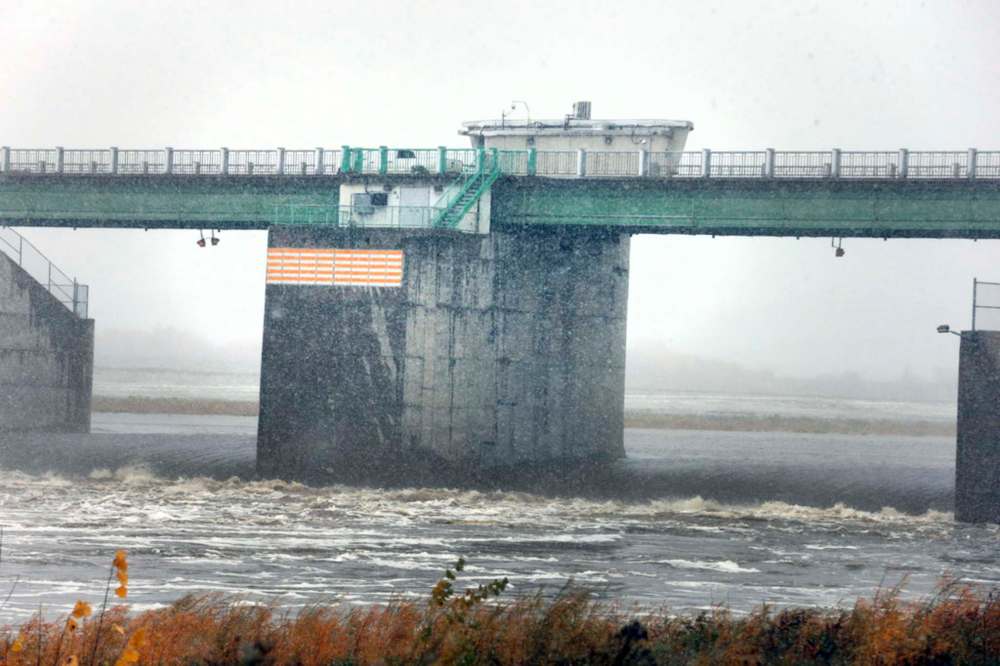
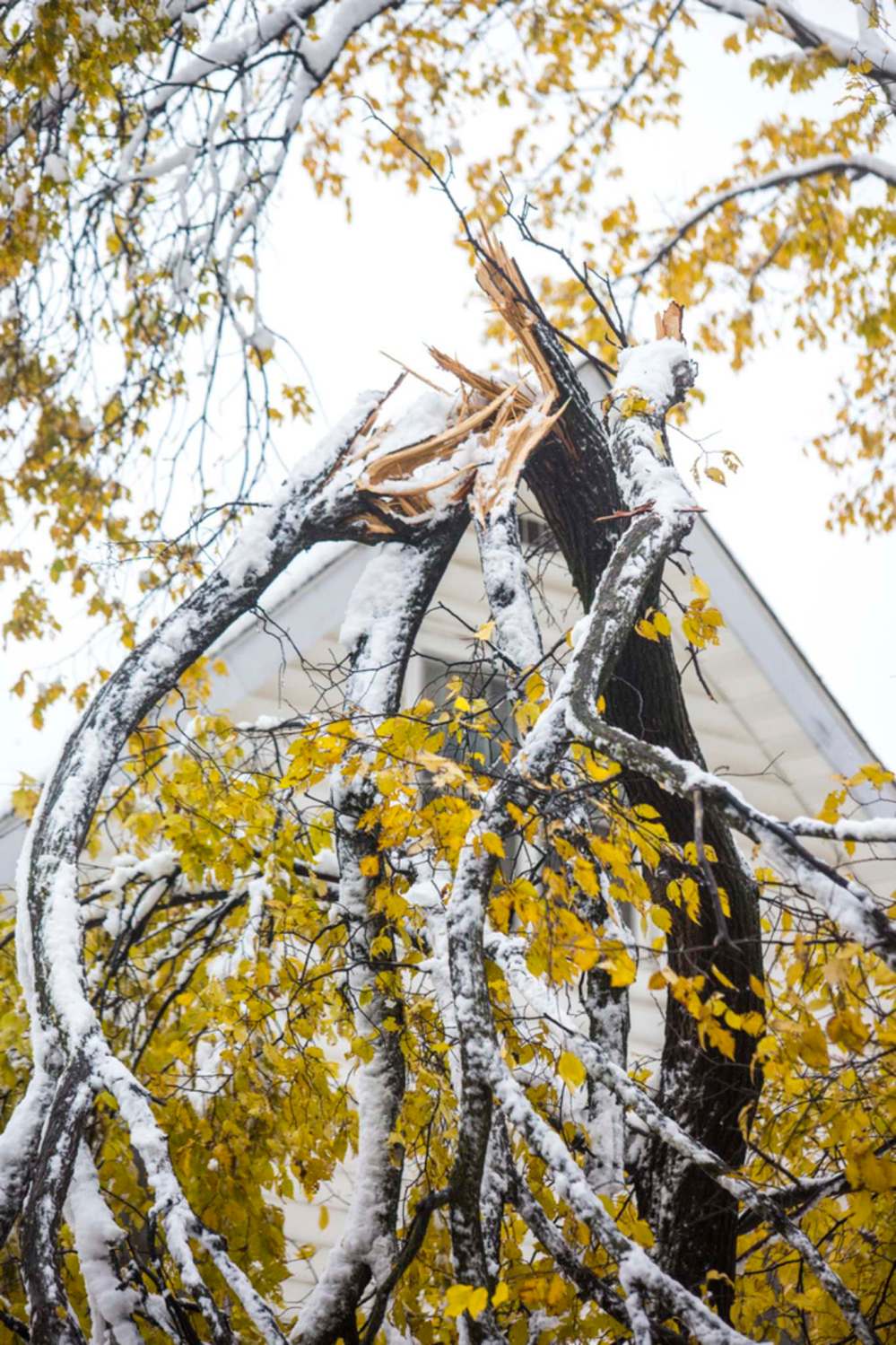
A deadly heatwave. A premature snowstorm that created “a tree apocalypse” and froze millions in crops. A rain-filled autumn that led to the activation of the floodway, put the river skating trails in question and prompted anxiety about spring flooding.
A year of records, 2019 saw erratic weather in all its forms. One after the other, the events affected Manitoba’s economy, recreational activities and the people who call the province home.
“This is what climate change looks like,” said Ian Mauro, executive director of the Prairie Climate Centre.
“For a very long time, we’ve talked about climate change in this abstract, kind of out-there, far-off-in-a-distant-future way and that’s all changing. People are starting to see it with their own eyes.”
It’s becoming harder and harder to look away as the world continues to warm at a rapid pace, with Canada’s temperatures climbing at twice the rate of the rest of the world.
While human-caused climate change is just one factor that affected weather in Manitoba this past year, scientists and models link it to changing seasons, precipitation patterns and more frequent storms.
A farmer of more than 50 years, Bill Campbell witnessed the impact — an unseasonably dry growing season, as well as a wet harvest — on his farm on the outskirts of Brandon. “To have a drought and a flood in the province in the same year, is rather unique,” said Campbell, president of the Keystone Agricultural Producers of Manitoba.
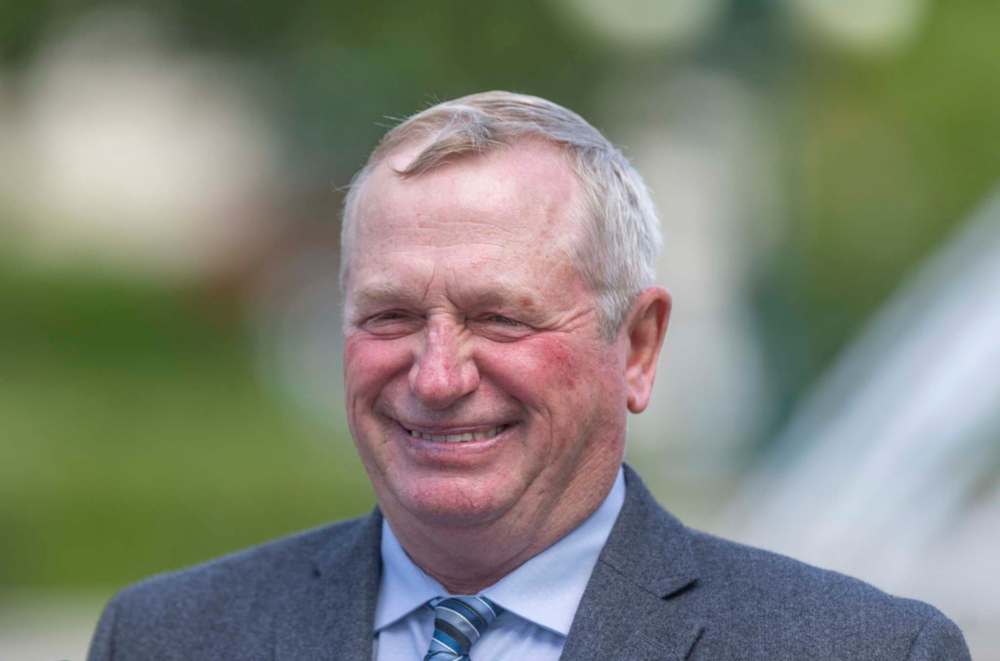
Approximately 450,000 acres of farmland in the province was unharvested at the end of the calendar year. Some farmers — including Campbell, who grows wheat and canola — will have to wait until spring to find out whether their remaining crop can survive.
“The last 10 per cent is what we have to reinvest in our farms, send our kids to university, upgrade some of our equipment, reestablish some of our funds so that we have succession plans,” he said. “Once you take away those, you are in survival mode and just paying your bills.”
The Prairies, where seasons already swing in dramatically different directions, are particularly vulnerable. As well as northern regions, where shorter winters pose threats to everything from mobility on the ice road system to recreational activities such as snowmobiling.
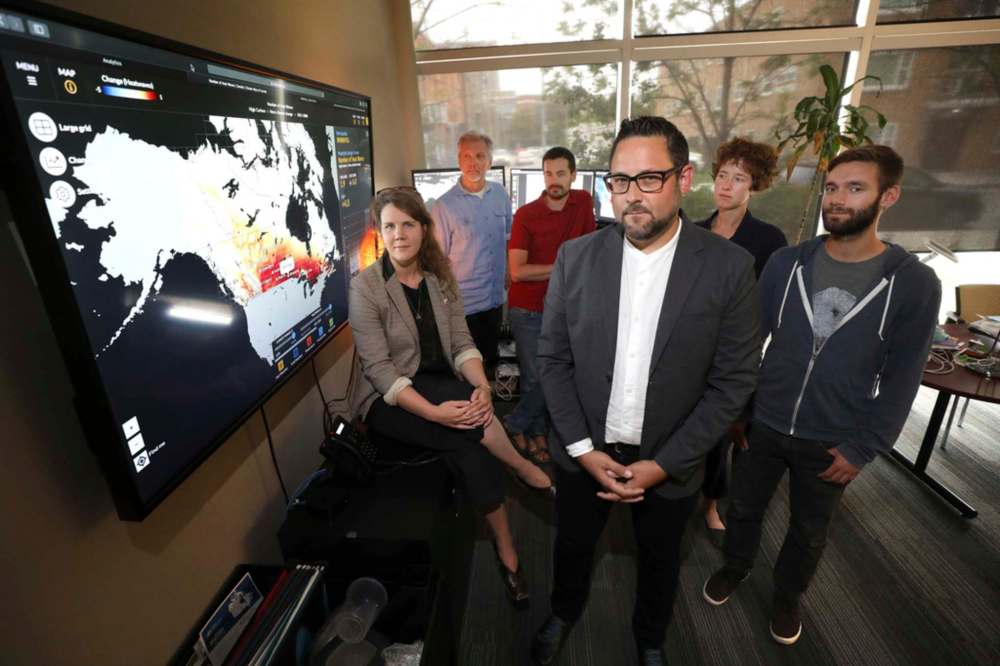
Inside their office in downtown Winnipeg, the Prairie Climate Centre’s co-directors, Mauro, Danny Blair and Nora Casson, have long been researching to understand what exactly the province can expect when it comes to climate change. Also, why Manitobans should care.
The centre’s recently-updated Climate Atlas of Canada allows citizens to find out how a high-carbon future will affect different cities. In Winnipeg, the model projects there will be upwards of 30 days that reach 30 C by mid-century, an increase from the early 2000s average of 14.
Last year, the centre also published an unsettling report that projects heat waves will become hotter, longer-lasting and more common in the near future. Meanwhile, Casson took part in a study that found Manitoba’s winters are nearly two weeks shorter than they were a century ago and overall, there is less snow.
“Climate variability is a normal part of our climate and we have one of the wackiest climates in the world, but [2019] was ridiculous — but it’s also expected,” Mauro said. “This is certainly what I expect to happen in climate change, is for events to get increasingly and more frequently weird and hopefully it opens people’s eyes to the fact that it’s real and we need to do something about it.”
In 2019, climate change opened eyes and closed down streets. Led by Manitoba Youth for Climate Action, more than 10,000 people took to Broadway to march and demand immediate government action to curb greenhouse gas emissions. The youth environmental justice movement has marked a major shift this year, the three directors agreed, as did Canadians overwhelmingly voting in favour of parties with ambitious climate policies in the federal election.
In the coming years, Blair noted Manitoba should expect a wetter climate overall, although there’s going to be a new seasonality to water availability that will have to be managed. Manitobans will also have to brace for a cultural shift, Casson and Mauro agreed.
“We can talk about ecosystems, we can talk about temperature, but ultimately, it affects our experience as people in Manitoba,” Mauro said.
“There’s a profound change in our sense of place and our cultural awareness of where we are and who we are — when you think about the potential that the river trail is not going to happen this season or you think about the crops not coming off the fields.”
maggie.macintosh@freepress.mb.ca
Twitter: @macintoshmaggie

Maggie Macintosh
Education reporter
Maggie Macintosh reports on education for the Free Press. Originally from Hamilton, Ont., she first reported for the Free Press in 2017. Read more about Maggie.
Funding for the Free Press education reporter comes from the Government of Canada through the Local Journalism Initiative.
Every piece of reporting Maggie produces is reviewed by an editing team before it is posted online or published in print — part of the Free Press‘s tradition, since 1872, of producing reliable independent journalism. Read more about Free Press’s history and mandate, and learn how our newsroom operates.
Our newsroom depends on a growing audience of readers to power our journalism. If you are not a paid reader, please consider becoming a subscriber.
Our newsroom depends on its audience of readers to power our journalism. Thank you for your support.