Shifting race
Claims of Indigenous ancestry by non-Indigenous Canadians on the rise
Advertisement
Read this article for free:
or
Already have an account? Log in here »
To continue reading, please subscribe:
Digital Subscription
One year of digital access for only $1.44 a week*
- Enjoy unlimited reading on winnipegfreepress.com
- Read the E-Edition, our digital replica newspaper
- Access News Break, our award-winning app
- Play interactive puzzles
*Billed as $5.77 plus GST every four weeks. After 52 weeks, price increases to the regular rate of $19.95 plus GST every four weeks. Offer available to new and qualified returning subscribers only. Cancel any time.
To continue reading, please subscribe:
Add Free Press access to your Brandon Sun subscription for only an additional
$1 for the first 4 weeks*
- Enjoy unlimited reading on winnipegfreepress.com
- Read the E-Edition, our digital replica newspaper
- Access News Break, our award-winning app
- Play interactive puzzles
*Your next Brandon Sun subscription payment will increase by $1.00 and you will be charged $17.95 plus GST for four weeks. After four weeks, your payment will increase to $24.95 plus GST every four weeks.
Read unlimited articles for free today:
or
Already have an account? Log in here »
Hey there, time traveller!
This article was published 08/02/2020 (2450 days ago), so information in it may no longer be current.
Writing about identity politics is fraught with political landmines. People tend to be highly sensitive to any challenge to how they identify themselves. It’s personal.
It is therefore intriguing that author Darryl Leroux has walked purposely right into the minefield. It’s political.
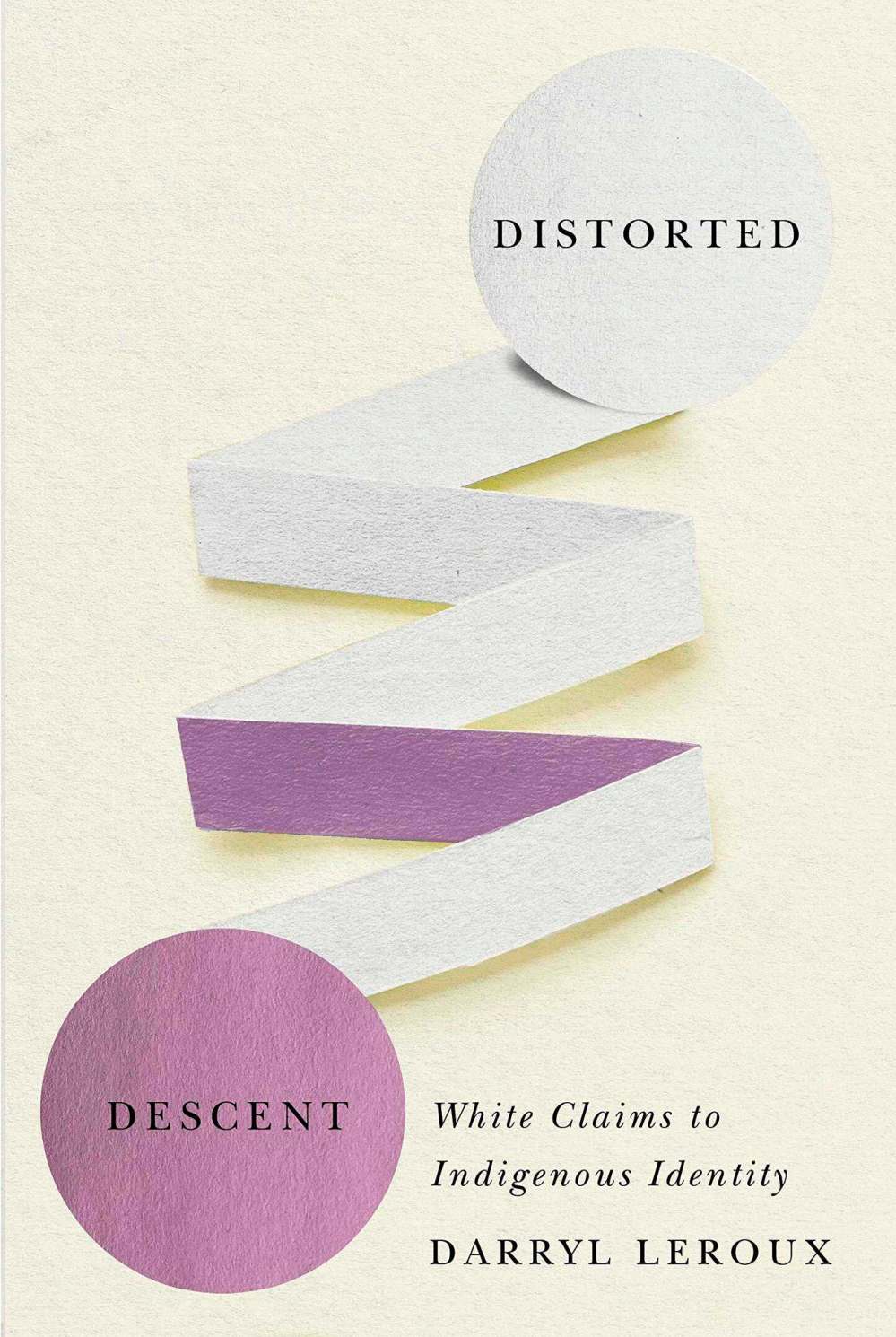
In Distorted Descent: White Claims to Indigenous Identity, Leroux describes the obsessive search by some heretofore non-Indigenous Canadians for long-ago Indigenous ancestors who can justify them identifying as Métis. According to Leroux, an associate professor of social justice and community studies at Saint Mary’s University in Halifax, the popularity of genealogical websites and online forums has created communities where race-shifters can organize. The motive, he warns, is not benign.
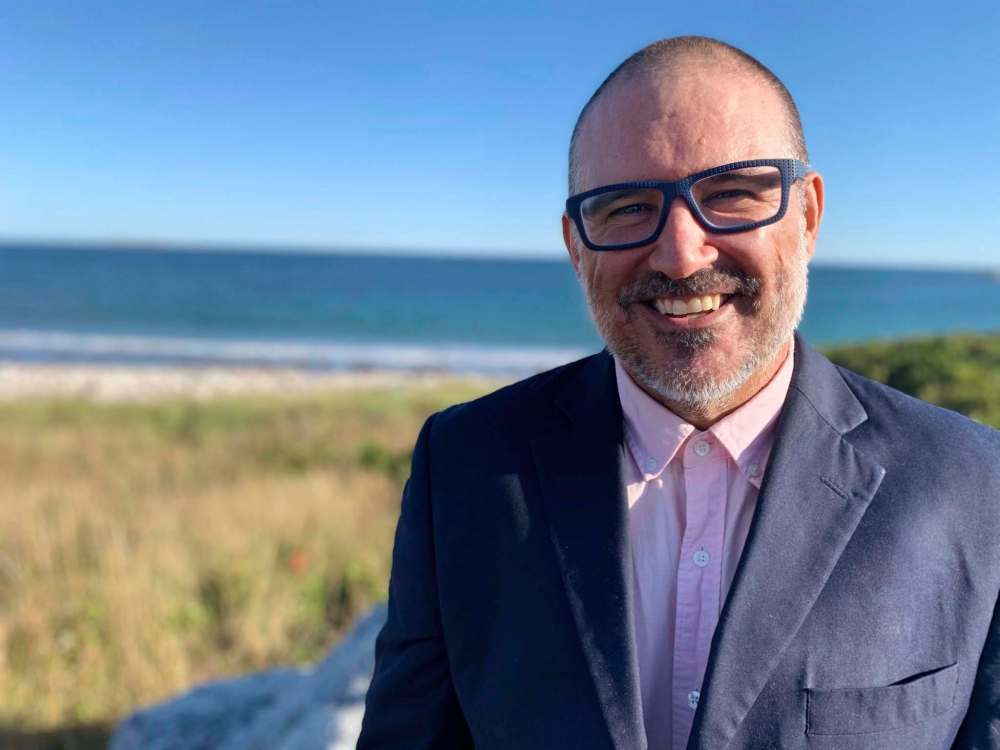
Leroux makes it clear that he is not talking about people who are seeking to reunite with their kin after being forcibly disconnected from their Indigenous identity through Indian residential schools, the Sixties Scoop or Indian Act policies.
This recent phenomenon is about people who, for some 300 to 350 years, have identified as white, with no apparent connection to any traditional Indigenous community. Because the Indigenous blood line, if there is one, is so diluted, anthropologists have taken to calling it “racial homeopathy.”
When Métis people were defined as Aboriginal in 1982, the federal government did not define who qualified to call themselves Métis. That definition is now hotly disputed by competing Métis organizations, with some claiming tight restrictions and others claiming that one drop of Indigenous blood, no matter how far in the past, is sufficient.
In Distorted Descent, Leroux describes how some 200,000 Canadian “white settlers” have redefined themselves as Métis over the past 15 years. This surge in race shifting rests primarily on tracing genealogical connections to a handful of French and First Nations women living in Acadia and New France in the early 1600s. The most common root ancestors are Catherine Pillard, Catherine Lejeune and Françoise Grenier, all born in France between 1604 and 1646, and Marguerite Pigarouiche, Marie Sylvestre, Marie Miteaouamegoukwe, and the un-named “Nipissing woman,” all born in New France (Quebec) from 1610-1646.
Where men are claimed as root ancestors, they are typically well-known figures such as Mi’kmaq Grand Chief Membertou and Huron-Wendat Grand Chief Atseña. And Louis Riel.
Leroux points out that, in the absence of a verifiable Indigenous ancestor, people have used gaps in ancient records, such as the unknown parentage of some early European women settlers, to “indigenize” them through creative storytelling. Others are claiming indigeneity by association, whereby a non-Indigenous ancestor whose brother or other relative married an Indigenous woman 350 years ago is sufficient grounds to claim Métis status today.
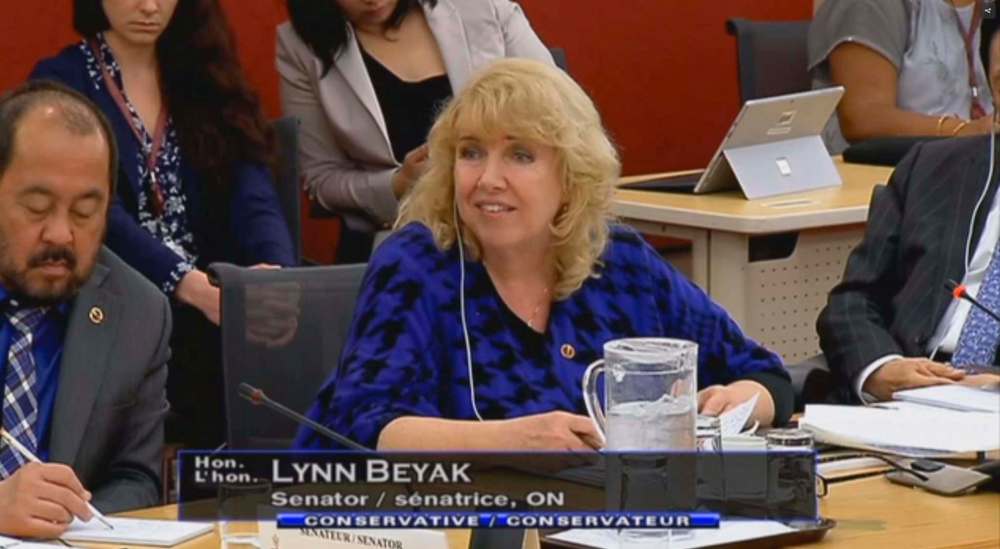
A current variation of “indigeneity by association” is the claim by Senator Lynn Beyak who, according to the trainer overseeing her mandatory cultural awareness training as required by the Senate Ethics Office, repeatedly claimed she was Métis based on her parents having adopted an Indigenous child. (Beyak has since denied making these claims.)
In these cases, says Leroux, “race-shifters can become ‘Indigenous’ without any actual Indigenous ancestry.”
For his troubles, Leroux has faced online attacks and threats of violence from Métis activists threatened by his work, at one point needing a security team for protection while giving a talk at a Montreal university.
Leroux wanted to understand why so many people, particularly men, are going to such lengths to create a Métis identity and are so fiercely defensive of it. He determined that financial gain was not a significant motivator. Sure, some people wanted identify as Métis so their kids could qualify for Indspire grants, or access to jobs designated for Indigenous people.
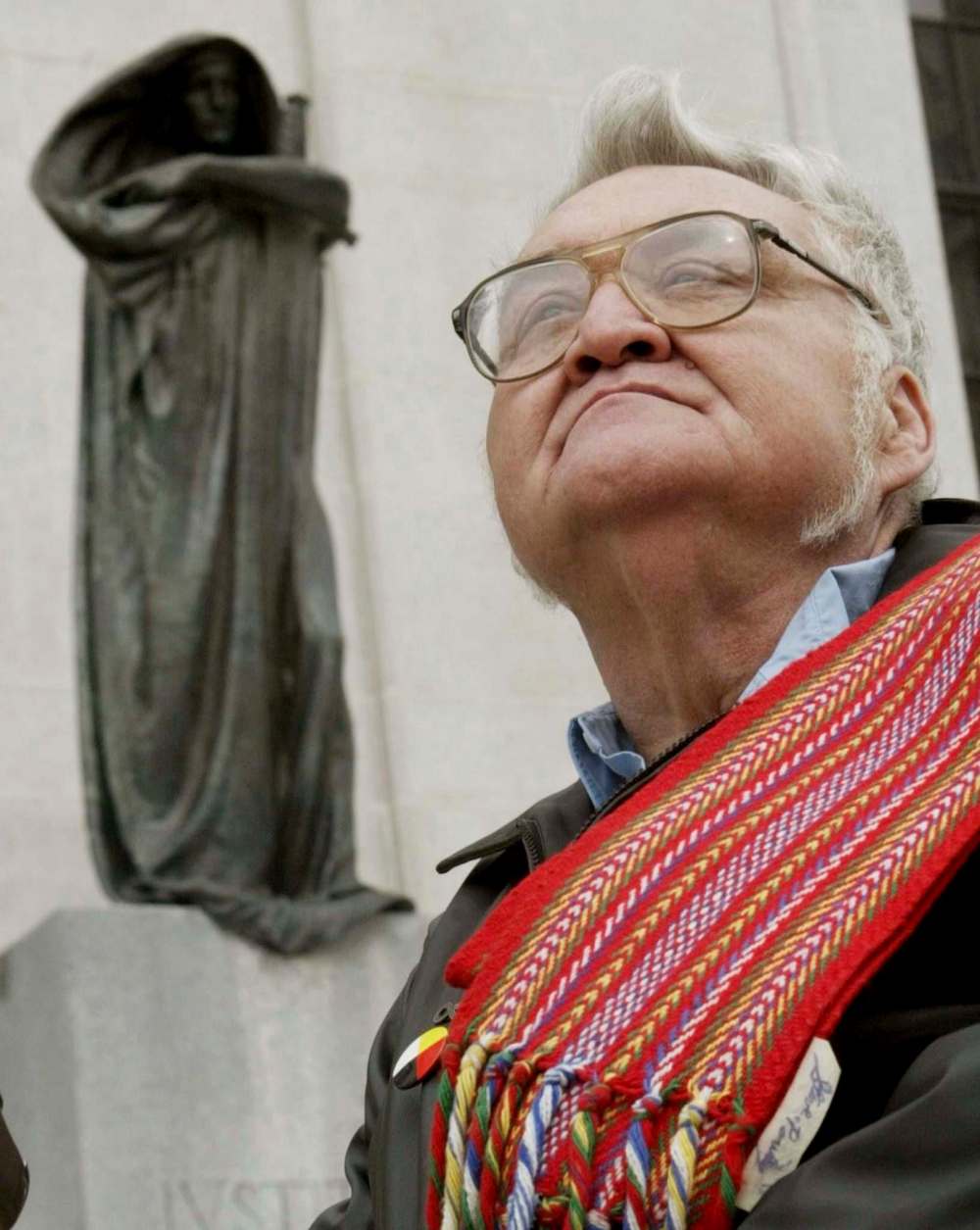
While shifting to a Métis identity offers a ready-made escape from “white guilt,” there is much more at stake. The real value of race-shifting is in how it opens the door for heretofore non-Indigenous people to obtain official standing to challenge First Nations land claims and hunting rights. And it is political.
The first half of Leroux’s story is a fascinating account of the lengths some people will go to in their quest to achieve a desired identity. The second half is likely of more interest to Easterners.
Leroux details several cases where newly identified Métis in Quebec, Nova Scotia and New Brunswick formed local organizations specifically to fight First Nations land claims. And they prevailed. However, the organizations have had a tougher time in the courts, losing some 60 court cases since 2014 attempting to claim Aboriginal rights under Section 35 of Canada’s Constitution.
“These efforts,” says Leroux, “are based in the long-standing belief that white society can claim, appropriate, manipulate, or outright own Indigenous lifeways without consequence.”
The author calls on the roughly 10 million of us in Canada who are descendants of Pillard, Lejeune and Grenier — as is the author — to “turn their attention to our collective failure to build lasting social and political bonds” with Indigenous people.
Would not finding a meeting ground to work together on land claims and hunting rights disputes have a better chance of leading to reconciliation than usurping those rights?
Sheilla Jones is the author of Let the People Speak: Oppression in a Time of Reconciliation, and co-chair of the Modernized Annuity Working Group. She is a direct descendent of Catherine Lejeune and Catherine Pillard.