Sudbury mayor wants highway checkpoints to curb COVID-19 spread in northern Ont.
Advertisement
Read this article for free:
or
Already have an account? Log in here »
To continue reading, please subscribe:

Digital Subscription
One year of digital access for only $205*
- Enjoy unlimited reading on winnipegfreepress.com
- Read the E-Edition, our digital replica newspaper
- Access News Break, our award-winning app
- Play interactive puzzles
*First annual payment billed as $205.00 + GST for one year. This annual subscription will automatically renew at $233.00 + GST every 52 weeks (10% off the regular annual price of $259.35). Offer available to new and qualified returning subscribers only. Cancel any time.
To continue reading, please subscribe:
Add Free Press access to your Brandon Sun subscription for only an additional
$1 for the first 4 weeks*
- Enjoy unlimited reading on winnipegfreepress.com
- Read the E-Edition, our digital replica newspaper
- Access News Break, our award-winning app
- Play interactive puzzles
*Your next Brandon Sun subscription payment will increase by $1.00 and you will be charged $17.95 plus GST for four weeks. After four weeks, your payment will increase to $24.95 plus GST every four weeks.
Read unlimited articles for free today:
or
Already have an account? Log in here »
Hey there, time traveller!
This article was published 02/02/2021 (2054 days ago), so information in it may no longer be current.
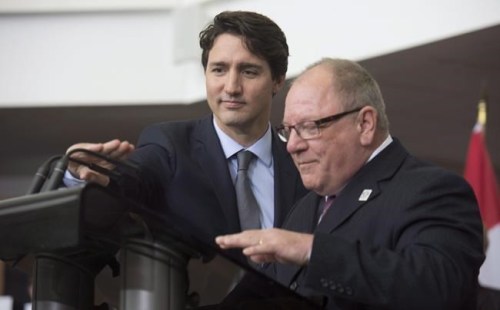
The mayor of Sudbury, Ont., is calling for highway checkpoints that would discourage non-essential travel to northern Ontario as more cases of highly infectious COVID-19 variants are detected in the province.
Brian Bigger said he plans to reach out to the provincial government and other local leaders about a proposed “northern bubble” to help curb the spread of the virus in the region where case rates are lower, but have been on the rise over the last month.
“We are in the middle of winter and at a crossroads in this pandemic,” Bigger said in a statement.
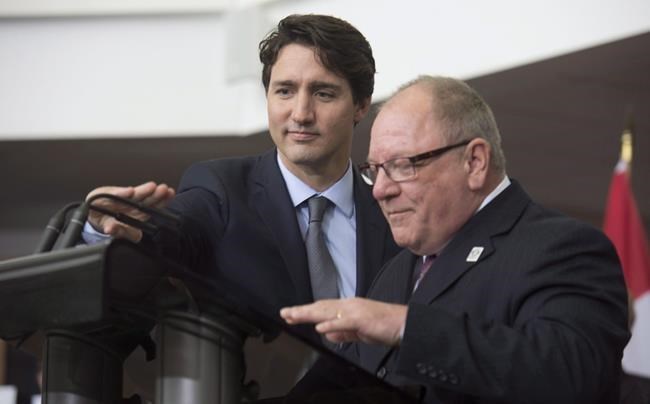
“To remain safe, we need to insulate our city for a short amount of time and by any means necessary stop the spread of the COVID-19 variant that is creeping north.”
Bigger said he wants to see a plan that will “stop or stymie traffic” up Highway 69, a major highway connecting northern and southern Ontario, noting that travel has been a major driver of cases in the region.
“Now is not the time for casual tourism,” he said in the statement issued Monday. “We have seen the tragic consequences of travel in our city and it must stop immediately.”
The province reported 97 active cases of COVID-19 in the health unit for Sudbury and the surrounding area as of Tuesday.
Last weekend, the local public health announced two deaths due to the virus, for a total of nine deaths in the region since the pandemic began.
Bigger said the spread of a variant that first emerged in the U.K. is particularly concerning given that it is “creeping north” and has been linked to a number of outbreaks in the Simcoe-Muskoka region.
He argued that the idea of travel checkpoints isn’t unreasonable, pointing to a similar initiative in Quebec last fall meant to discourage non-essential travel.
The provincial government said Tuesday, however, that it’s not considering highway checkpoints as a pandemic measure.
A spokesman for the solicitor general’s office said a stay-at-home order issued last month to control COVID-19 infections already discourages non-essential travel.
“Our government and Ontario’s medical experts have been clear, people should not be travelling to different parts of the province, and should stay home except for essential reasons,” Stephen Warner said in a statement.
Any future measures will be decided upon after consultation with the government’s team of expert public health officials, he said.
The idea of implementing travel rules within Ontario has been floated in different parts of the province over the last week as cases of the new variants have climbed.
Toronto’s medical officer of health said last week that idea is “worth considering,” though it would depend on the findings of ongoing studies.
Public Health Ontario is scaling up testing and tracing for three variants that have emerged in different parts of the world.
Ontario has so far reported 109 confirmed cases of the variant that originated in the U.K., though regional health officials have said they believe the number is higher.
The province on Monday also recorded its first case of a variant that originated in South Africa. The Peel Region resident infected in that case had no known link to travel.
This report by The Canadian Press was first published Feb. 2, 2021.