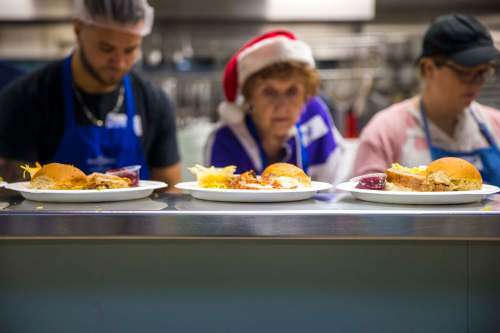
Siloam reaching out to Indigenous people

Advertisement
Read this article for free:
or
Already have an account? Log in here »
To continue reading, please subscribe:

Digital Subscription
One year of digital access for only $205*
- Enjoy unlimited reading on winnipegfreepress.com
- Read the E-Edition, our digital replica newspaper
- Access News Break, our award-winning app
- Play interactive puzzles
*First annual payment billed as $205.00 + GST for one year. This annual subscription will automatically renew at $233.00 + GST every 52 weeks (10% off the regular annual price of $259.35). Offer available to new and qualified returning subscribers only. Cancel any time.
To continue reading, please subscribe:
Add Free Press access to your Brandon Sun subscription for only an additional
$1 for the first 4 weeks*
- Enjoy unlimited reading on winnipegfreepress.com
- Read the E-Edition, our digital replica newspaper
- Access News Break, our award-winning app
- Play interactive puzzles
*Your next Brandon Sun subscription payment will increase by $1.00 and you will be charged $17.95 plus GST for four weeks. After four weeks, your payment will increase to $24.95 plus GST every four weeks.
Read unlimited articles for free today:
or
Already have an account? Log in here »
Hey there, time traveller!
This article was published 16/02/2021 (2035 days ago), so information in it may no longer be current.
As Siloam Mission prepares to make changes to the way it relates to Indigenous people, its new chairman sees no conflict between that and the organization’s Christian foundation.
“It’s an outgrowth of our faith,” said Garth Manness, a member of Grant Memorial Baptist Church, of its proposal to develop a comprehensive Indigenous relations strategy. “It will enhance our faith.”
The changes are the result of pressure from former staff, including a group called Not My Siloam, which criticized the organization for not living up to its commitments to pursue reconciliation with Indigenous people and meet their spiritual needs.
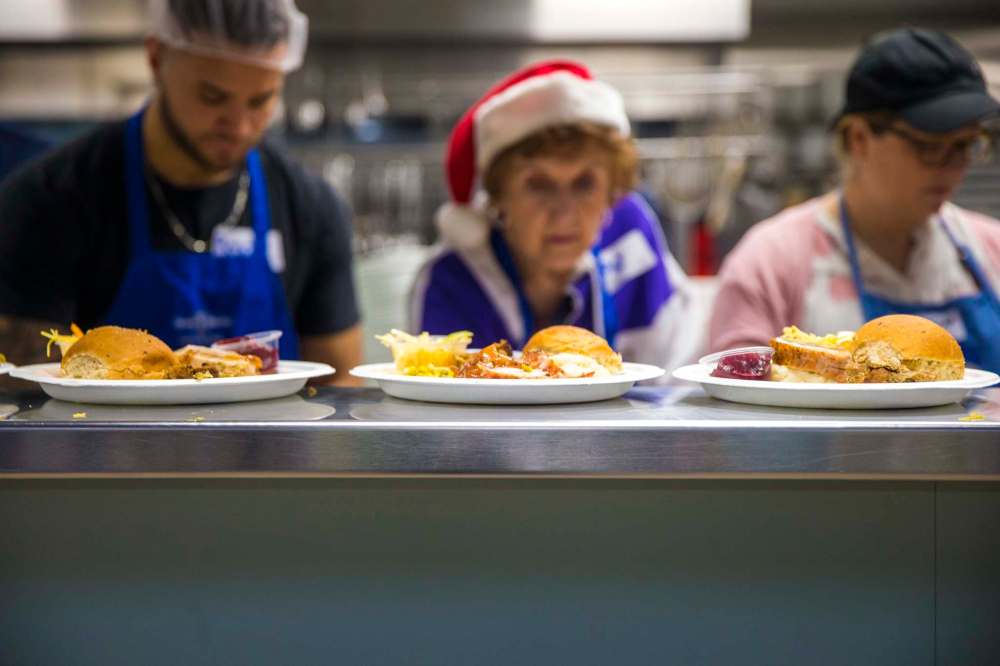
In response, Siloam — which is a mission of the Church of the Nazarene — held discussions with Indigenous knowledge keepers and Indigenous community leaders, and also with staff and church leaders.
This has led the organization to initiate a process to develop a formal statement of reconciliation, act to fulfil Siloam’s commitments to Winnipeg’s Indigenous Accord, establish a Knowledge Keeper’s Circle and explore ways to diversify the board.
Siloam will also undertake a reconciliation process with staff and others who have expressed concerns about the organization’s direction and establish an accountability process to monitor and ensure progress.
“We spoke to numerous leaders in the community, Indigenous and non-Indigenous,” Manness said. “We really listened to them. It was clear [from those discussions] we haven’t met our obligations towards reconciliation.”
Manness realizes not all of Siloam’s supporters — many of whom are part of evangelical churches in Manitoba — will agree with the changes. Already the organization is receiving calls and emails saying it has given in to the criticism and to cancel culture and is losing its faith perspective.
“We have heard from some who think we are compromising our Christian principles,” he said. “As a board we strongly disagree. As a board we spent a lot of time soul searching. We want to fulfill our obligations under the Winnipeg Indigenous Accord. We believe we can do that without compromising our Christian principles.”
Manness said the organization plans to reach out to churches and individual donors who have questions and concerns.
“We are quite prepared to explain to them” about the changes, he said, adding “people have the right to decide where they want to contribute.”
Siloam’s changes are supported by the Church of the Nazarene, he said, noting three seats on the board of directors are reserved for members of the evangelical denomination. The board currently has nine members, but it can be as large as 12.
“Christianity is core to who they are as people,” Manness said of the board. “They are strong Christians and deep thinkers.”
They are also committed to the process of reconciliation, he added, and to understanding the various issues related to serving Indigenous people — including the negative way many Indigenous people view Christianity due to residential schools and other forms of colonialism.
Although Siloam is a Christian organization, its goal is not to evangelize patrons, Manness said.
“Our goal is to serve homeless people in Winnipeg,” he said. “The Church of Nazarene wants it to be successful in that.”

Siloam offers its service in the spirit of Matthew chapter 25, Manness said, referring to Jesus’ instructions to his followers to help people who are hungry, sick, thirsty and in need of shelter.
“That’s where we are at, we are simply trying to help,” he said. “We are never going to meet them at the door and turn them into Christians. Our main goal is their well-being.”
Looking to the future, Manness realizes Siloam is now under a microscope.
“At the core we want to do what is right, make sure we are fully engaged in reconciliation,” he said. “And we want to be accountable and transparent about the actions we intend to take. Our main goal now is to listen, to understand the pain Indigenous people have experienced … They are people God loves.”
faith@freepress.mb.ca
The Free Press is committed to covering faith in Manitoba through our Religion in the News project. This reporting continues because readers like you step forward to fund it.
Donate now to support our reporting on religion.
Your donation is eligible for a charitable tax receipt.
BECOME A FAITH JOURNALISM SUPPORTER
Our newsroom depends on a growing audience of readers to power our journalism. If you are not a paid reader, please consider becoming a subscriber.
Our newsroom depends on its audience of readers to power our journalism. Thank you for your support.
The Free Press is committed to covering faith in Manitoba through our Religion in the News project. This reporting continues because readers like you step forward to fund it.
Donate now to support our reporting on religion.
Your donation is eligible for a charitable tax receipt.
BECOME A FAITH JOURNALISM SUPPORTER
Our newsroom depends on a growing audience of readers to power our journalism. If you are not a paid reader, please consider becoming a subscriber.
Our newsroom depends on its audience of readers to power our journalism. Thank you for your support.
Related Articles
Change at top gives Siloam chance at reconciliation
Advertisement Advertise With Us
Advertisement Advertise With Us
The Free Press acknowledges the financial support it receives from members of the city’s faith community, which makes our coverage of religion possible.