

Next on Dr. Jen Gunter’s “vagenda”? A revolution in the way we talk about menopause
Advertisement
Read this article for free:
or
Already have an account? Log in here »
To continue reading, please subscribe:
Digital Subscription
One year of digital access for only $1.44 a week*
- Enjoy unlimited reading on winnipegfreepress.com
- Read the E-Edition, our digital replica newspaper
- Access News Break, our award-winning app
- Play interactive puzzles
*Billed as $5.77 plus GST every four weeks. After 52 weeks, price increases to the regular rate of $19.95 plus GST every four weeks. Offer available to new and qualified returning subscribers only. Cancel any time.
To continue reading, please subscribe:
Add Free Press access to your Brandon Sun subscription for only an additional
$1 for the first 4 weeks*
- Enjoy unlimited reading on winnipegfreepress.com
- Read the E-Edition, our digital replica newspaper
- Access News Break, our award-winning app
- Play interactive puzzles
*Your next Brandon Sun subscription payment will increase by $1.00 and you will be charged $17.95 plus GST for four weeks. After four weeks, your payment will increase to $24.95 plus GST every four weeks.
Read unlimited articles for free today:
or
Already have an account? Log in here »
Hey there, time traveller!
This article was published 25/05/2021 (1862 days ago), so information in it may no longer be current.
When I was going through puberty, I would often turn to my friend Jenny, who was always eager to share her dubious expertise on the subject. Many of us had a friend like that, the neighbourhood know-it-all on sex, crushes and body changes. (If you didn’t have a Jenny, chances are that was you.)
Now that I’m well on the other side of that hormonal eruption, I’m relieved there is another Jen on the block. Dr. Jen Gunter — who earned the title as the most internet-famous OB/GYN for her no-nonsense, just-the-facts approach to vaginal health — is on a mission to inform people on menopause, which she refers to as “puberty in reverse.”
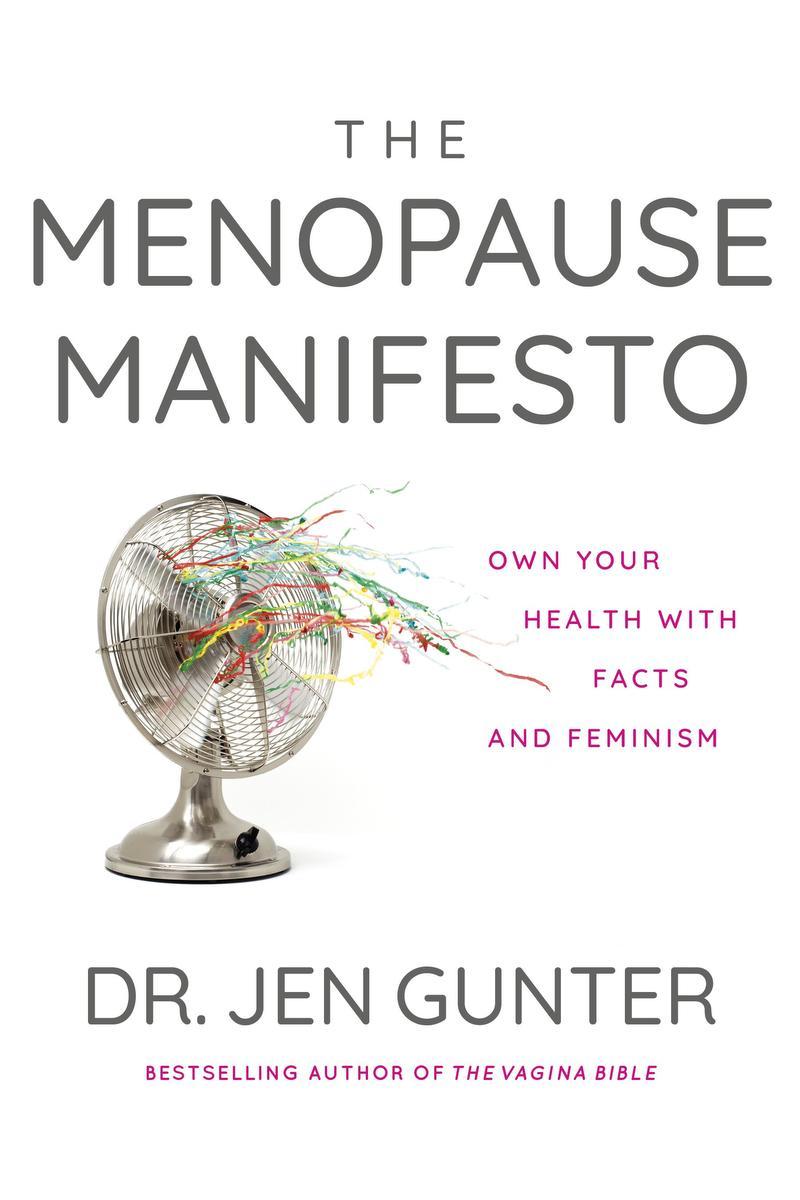
Gunter’s new book, “The Menopause Manifesto,” comes on the 200th anniversary of the introduction of the term by a French physician. It says a lot about how ill-informed we are and how desperately the book is needed that menopause is still treated like an embarrassing disease or a sitcom punchline rather than a natural transition in a person’s life.
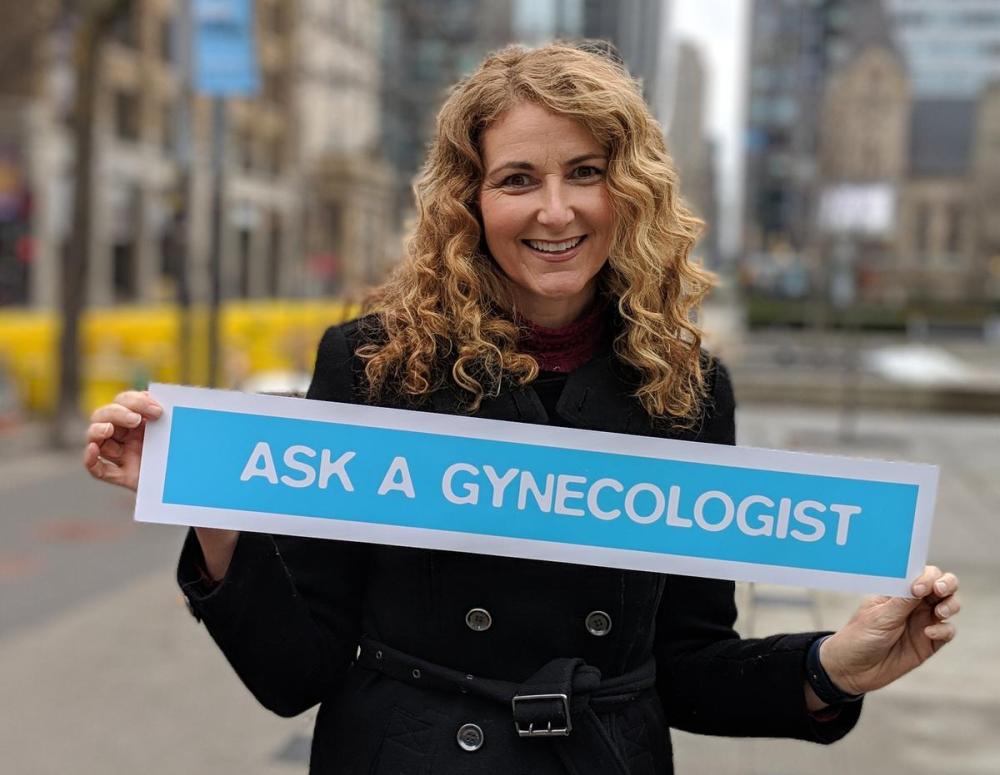
On the phone from her home in California, Winnipeg-raised Gunter is as refreshingly open and frank as she is in her books and on her new podcast, “Body Stuff,” the first episode of which debunks the myth that we need to drink six to eight glasses of water each day. With her followup to the bestselling “The Vagina Bible,” she hopes to continue her “vagenda,” empowering people with quality knowledge about their own bodies.
“We have a lot of public discussions about puberty. We talk about facial hair for boys. We acknowledge that some people may want to buy bras. The whole idea with puberty is that you’re moving to something positive and to being an adult,” she says. “Since we don’t frame the menopause transition as moving to something positive, it has a lot of other connotations that it shouldn’t have. There’s nothing negative about menopause.”
“The Menopause Manifesto” covers wide territory, from the history of medical theories to other health issues people face as they age, such as cardiovascular disease and osteoporosis. Her aim is to pull menopause out of a medical silo, and to “focus on the things that maybe you don’t feel but are equally as important.”
While a manifesto suggests a call to arms, Gunter’s revolution starts with words. Although I know a lot of women who have been playing a game called “is it premenopause or pandemic?” referring to the sleeplessness, irritability and hot flushes (which Gunter calls much more accurately “hot blooms”) that start before menstruation ceases for 12 months, she suggests referring to the entire transition as menopause, rather than in technical stages. It’s a way of simplifying communication with medical professionals and others.
“I think many women are afraid that they’re going to wake up menopausal and look like the witch in ‘Snow White,’ with the big mole and the hair on the chin,” says Gunter. “For so many women, the patriarchal society has people believing they should look or be a certain way and that all of a sudden menopause is going to be this flashing alarm that you’re no longer welcome.”
While Walt Disney and the Brothers Grimm certainly haven’t been kind to older women, neither has much of the media we consume. Although there has been a trickling of celebrity interviews from the likes of Michelle Obama, Kim Cattrall and Gillian Anderson, the subject remains taboo. (One of the most honest pieces I’ve read about the experience is an interview with musician Tori Amos, which was published in “Writing Menopause” by Toronto’s Inanna Press, and in which she talks about the invisibility of older women in the music industry.)
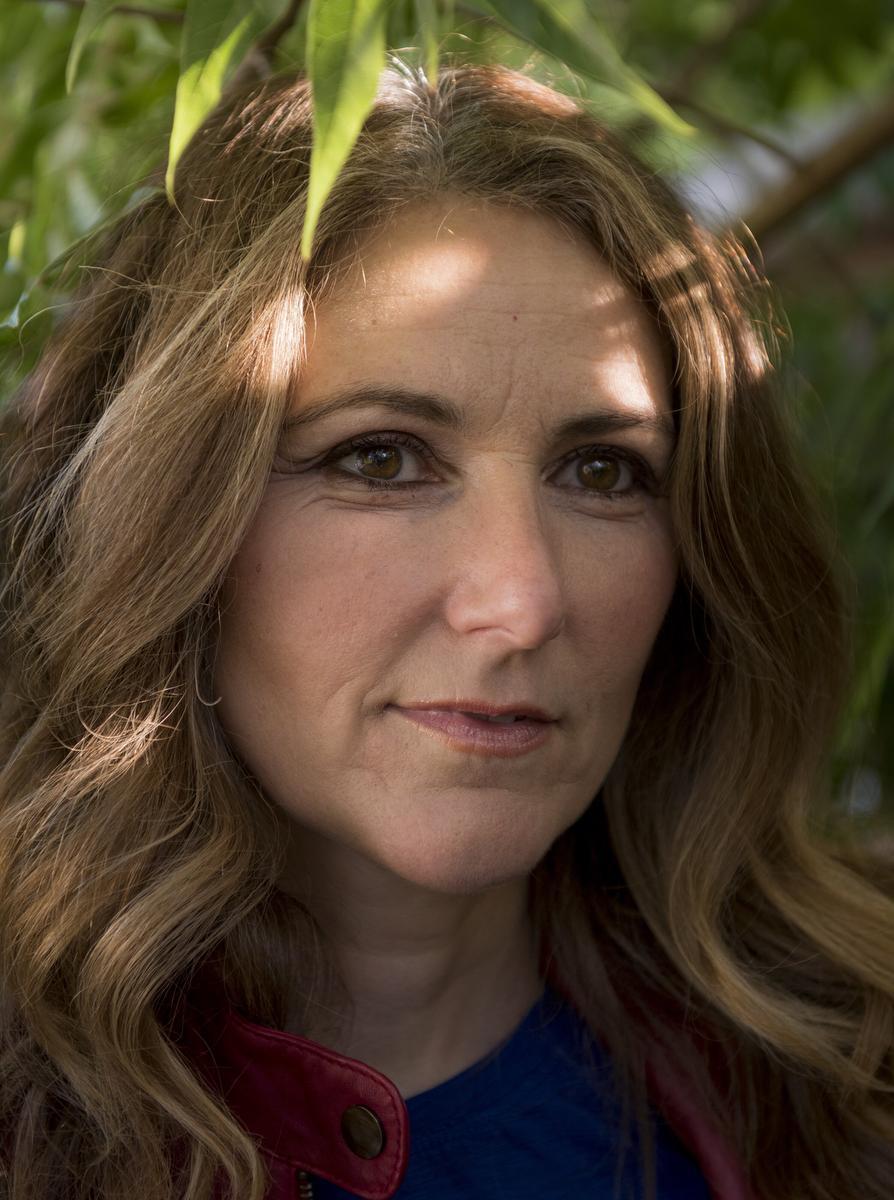
“Hollywood is actually pretty prudish and so talking about things that happen to women’s bodies is very hush-hush in general,” Gunter says. “It’s a fine line because you also have to be careful not to be treating menopause like a disease — we wouldn’t say that about a 17-year-old going through puberty. Sometimes when women have conditions, they are infantilized and treated like they’re incapable.”
I asked Gunter how our attitudes toward menopause affect single women, an egregiously overlooked group considering that the 2016 census reported that, for the first time, one-person households were the most common in Canada. How should a single woman navigate the dating world when they’re scared of menopause symptoms like surprise tsunami periods or vaginal dryness?
Gunter’s answer lands like a high kick. “If something happens to your body that frightens off a man, he’s a f–king asshole. Women should not be cleaning up after their bodies to keep men comfortable,” she says. “Heterosexual women make themselves smaller in so many ways for the comfort of men. The way we treat menopause is the end result of the thinking that women are messy and our body parts are dirty or shameful. I’m sick of a society where women feel the need to make themselves smaller.”
Another place where women feel minimized as they age is in the workforce. Although she still gets the occasional hot bloom, Gunter recalls how when she was going through the transition, she would often take off her scrubs and her clothes would be entirely soaked through with sweat. The difference is that she could talk openly to her colleagues about what was happening, and sometimes a lovely nurse would place a cool ice pack on the back of her neck. Most women, Gunter points out, who work in offices originally designed for men in suits, don’t have the luxury of controlling the temperature, let alone talking to co-workers about the emotional experiences of menopause.
While “The Menopause Manifesto” won’t fix the thermostat, it will perhaps give people the language and confidence to start more openly communicating their experiences.
“If we don’t have these conversations, no one’s going to think about them,” Gunter says. “If your narrative of a 50-year-old woman is that she should be at home in some little room, only coming out to give cookies to the grandkids, you wouldn’t think spaces need to be inclusive for them.”
Sue Carter is editor of the Quill & Quire and a freelance contributor based in Toronto. Follow her on Twitter: @flinnflon
Related Articles
NDP announces menopause clinic to open next year
Advertisement Advertise With Us
Advertisement Advertise With Us