Clock runs out for Tory-led debate over internet bill’s impact on freedoms
Advertisement
Read this article for free:
or
Already have an account? Log in here »
To continue reading, please subscribe:

Digital Subscription
One year of digital access for only $205*
- Enjoy unlimited reading on winnipegfreepress.com
- Read the E-Edition, our digital replica newspaper
- Access News Break, our award-winning app
- Play interactive puzzles
*First annual payment billed as $205.00 + GST for one year. This annual subscription will automatically renew at $233.00 + GST every 52 weeks (10% off the regular annual price of $259.35). Offer available to new and qualified returning subscribers only. Cancel any time.
To continue reading, please subscribe:
Add Free Press access to your Brandon Sun subscription for only an additional
$1 for the first 4 weeks*
- Enjoy unlimited reading on winnipegfreepress.com
- Read the E-Edition, our digital replica newspaper
- Access News Break, our award-winning app
- Play interactive puzzles
*Your next Brandon Sun subscription payment will increase by $1.00 and you will be charged $17.95 plus GST for four weeks. After four weeks, your payment will increase to $24.95 plus GST every four weeks.
Read unlimited articles for free today:
or
Already have an account? Log in here »
Hey there, time traveller!
This article was published 11/06/2021 (1948 days ago), so information in it may no longer be current.
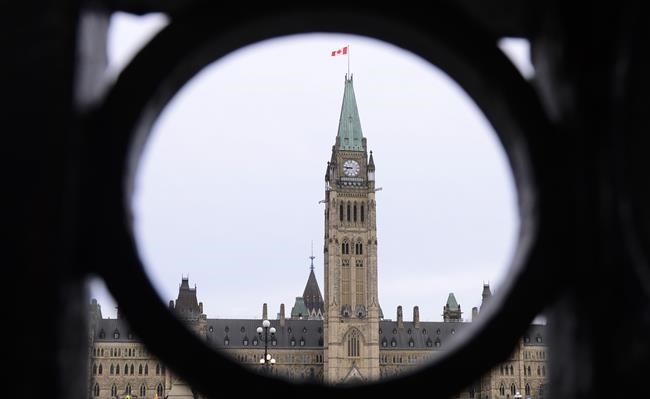
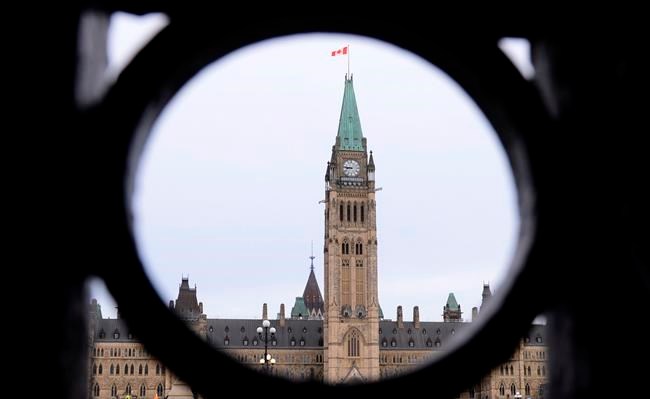
OTTAWA – The minority Liberal government pushed forward a key piece of its legislative agenda Friday, as a House of Commons committee wrapped up clause-by-clause review of a bill to give Canada more regulatory power over digital streaming platforms.
Bill C-10 would bring global online streaming giants, such as Netflix, Disney Plus and Amazon Prime, under the auspices of the Broadcasting Act and the Canadian Radio-television and Telecommunications Commission.
But the bill’s progress has been stalled, amid sometimes heated debate in online forums and at the all-party heritage committee, because of concerns it would put too much power in the hands of the CRTC, an independent but appointed regulator.
However, the committee was forced to wrap up its work on the bill Friday, following a motion to cut short its deliberations passed last week by the Liberals, with the support of the Bloc Quebecois.
“I said at the beginning that maybe this will be so exciting that we could sell the rights to Netflix,” committee chair Scott Simms, a Liberal MP, said as the committee finished dealing with dozens of proposed amendments.
“I was kidding at the time. I’m not sure if I’m kidding anymore. This has been quite an adventure.”
Conservatives have warned for weeks that a Liberal amendment introduced in April, which took out a section that specifically excluded the CRTC’s oversight of user-generated content, would limit individual freedom to post videos, music or opinion.
The Liberals responded with further changes at the committee level which the governing party says will now make it clear that individuals and user-generated content won’t be affected.
Heritage Minister Steven Guilbeault has said Bill C-10’s purpose is to compel online streaming giants to promote Canadian content and to financially support Canadian cultural industries, just as traditional broadcasters are required to do.
Guilbeault has accused the Conservatives of wanting to block the bill from the outset, by using procedural stalling tactics to delay its passage through Parliament.
There will likely be more of those tactics as the bill now heads back to the House of Commons for final debate and, eventually, a final vote.

Bill C-10 is one of four priority bills the government wants to pass before the Commons breaks for the summer — and a possible election — on June 23.
While all parties profess not to want an election while the country continues to grapple with the COVID-19 pandemic, they’re all gearing up for one, There is widespread expectation that Prime Minister Justin Trudeau will pull the plug on his minority government sometime this summer.
That gives added urgency to the government’s push to pass priority legislation since bills that have not passed both the Commons and the Senate die once an election is called.
— With files from David Paddon in Toronto
This report by The Canadian Press was first published June 11, 2021.