Grist for the mill
Teenage years working at Quebec paper plant vividly drawn in new graphic novel
Advertisement
Read this article for free:
or
Already have an account? Log in here »
To continue reading, please subscribe:

Digital Subscription
One year of digital access for only $205*
- Enjoy unlimited reading on winnipegfreepress.com
- Read the E-Edition, our digital replica newspaper
- Access News Break, our award-winning app
- Play interactive puzzles
*First annual payment billed as $205.00 + GST for one year. This annual subscription will automatically renew at $233.00 + GST every 52 weeks (10% off the regular annual price of $259.35). Offer available to new and qualified returning subscribers only. Cancel any time.
To continue reading, please subscribe:
Add Free Press access to your Brandon Sun subscription for only an additional
$1 for the first 4 weeks*
- Enjoy unlimited reading on winnipegfreepress.com
- Read the E-Edition, our digital replica newspaper
- Access News Break, our award-winning app
- Play interactive puzzles
*Your next Brandon Sun subscription payment will increase by $1.00 and you will be charged $17.95 plus GST for four weeks. After four weeks, your payment will increase to $24.95 plus GST every four weeks.
Read unlimited articles for free today:
or
Already have an account? Log in here »
Hey there, time traveller!
This article was published 24/07/2021 (1891 days ago), so information in it may no longer be current.
While some Canadian historical figures and founding myths are being spectacularly toppled, others have been more quietly retired. The river log driver (“draveurs”) was long a hero of Canadian folklore, immortalized on the back of the old one-dollar bill and in the 1979 NFB animated short based on Kate and Anna McGarrigle’s charming folk song, Log Driver’s Waltz. But river log driving, as Guy Delisle explains in his latest graphic memoir, was extremely harmful to aquatic systems and eventually banned by environmental legislation in the 1980s.
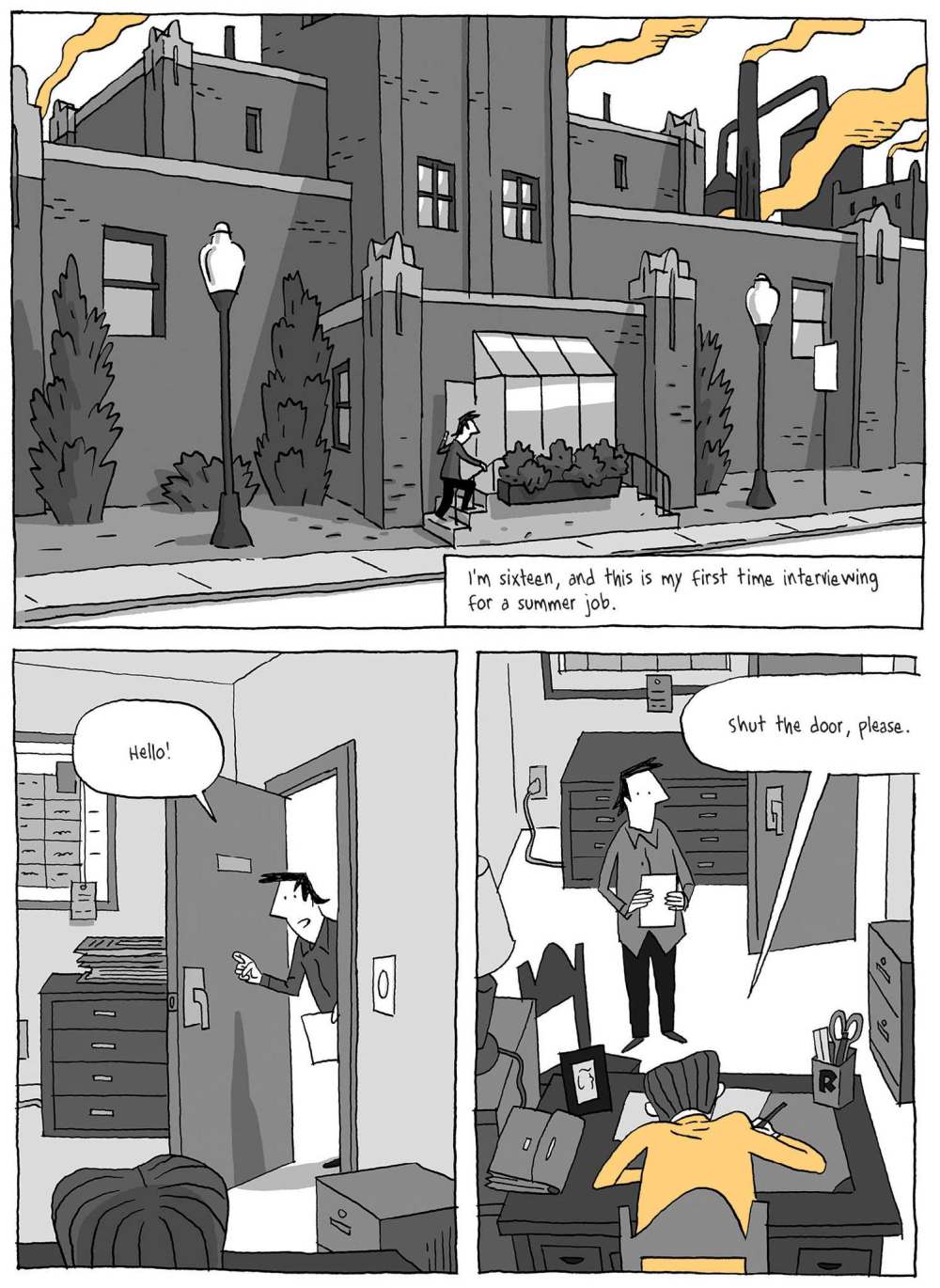
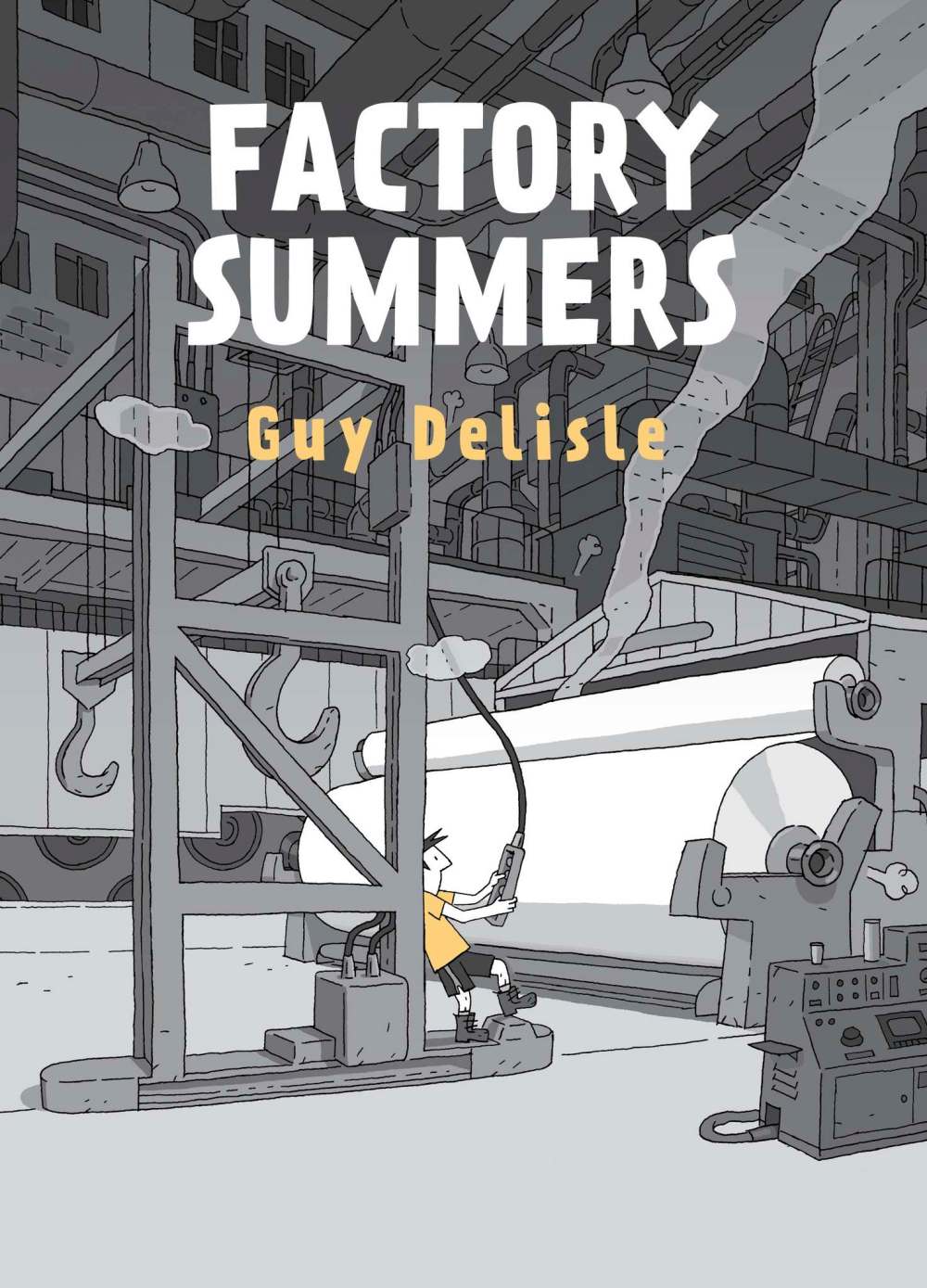
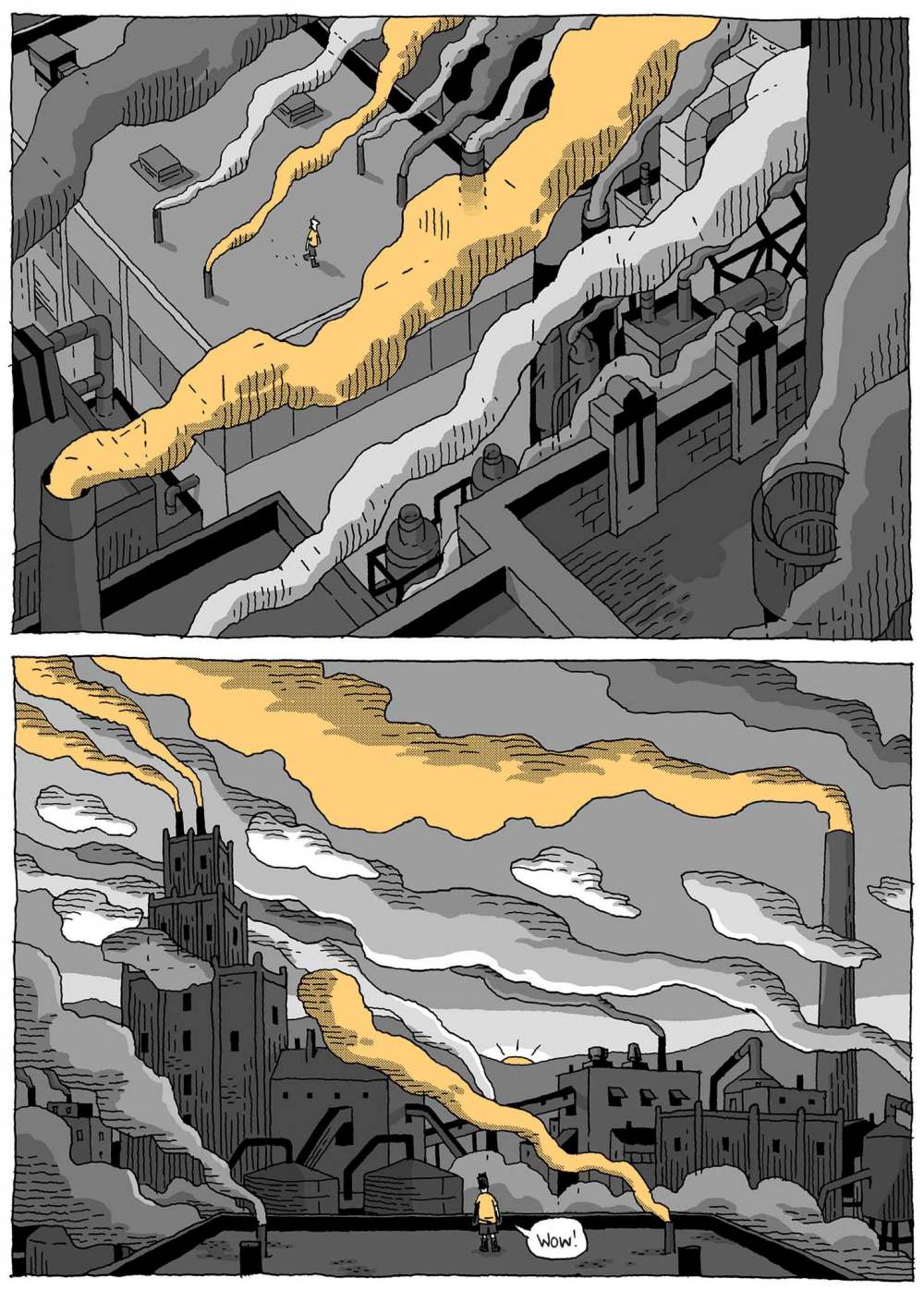
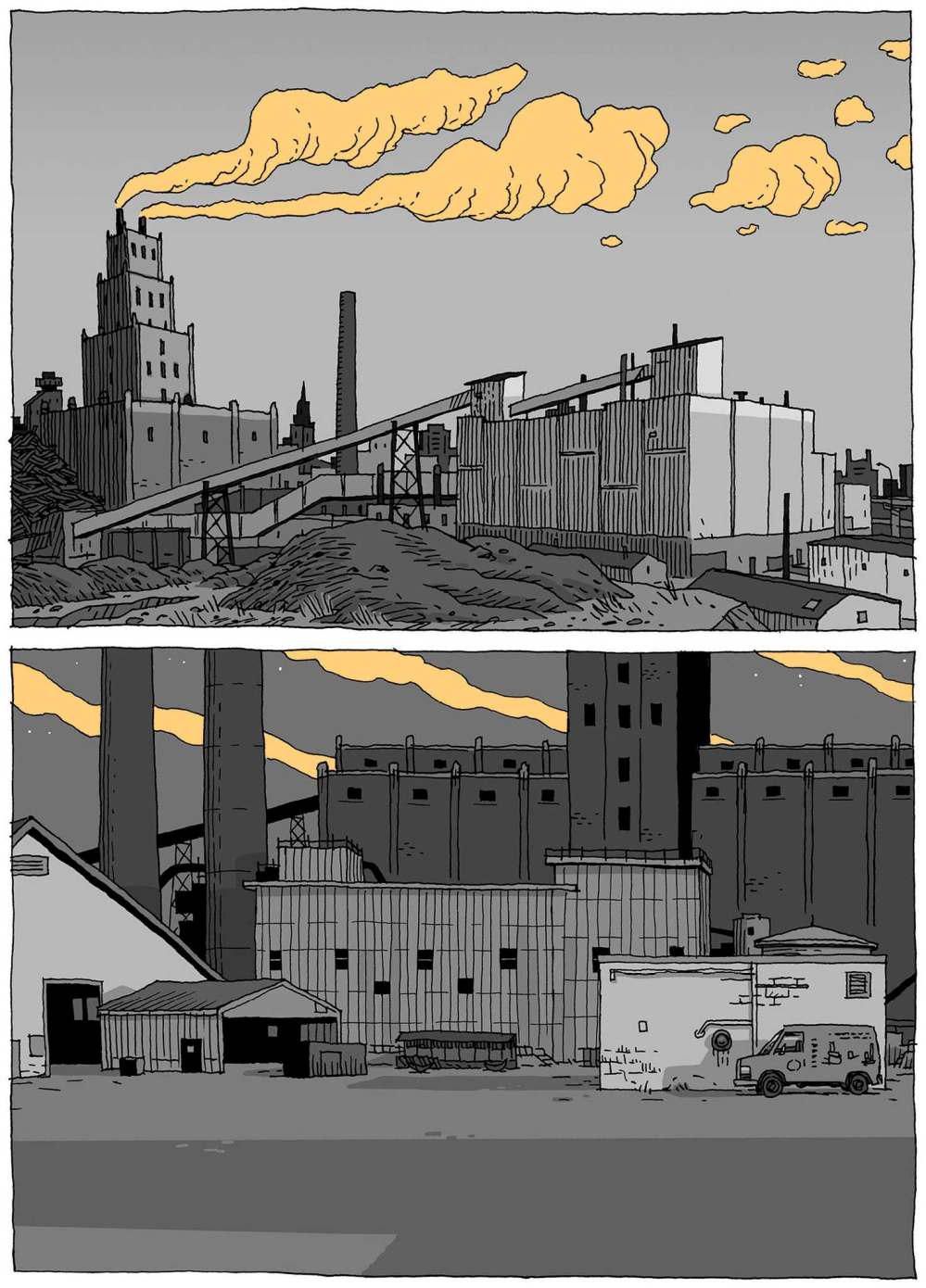
The dangerous and much mythologized work of log driving may be gone, but Delisle’s Factory Summers shows how some of its ethos lived on in the pulp and paper industry when he worked at a Quebec City mill in the early 1980s, during his high school and college summers. Delisle combines a fascinating chronicle of the industrial process of making newsprint with a poignant reflection on his estranged relationship with his father, an industrial designer at the mill who rarely descends to the factory floor.
These two stories pivot around break room interactions between artistically inclined Guy, who knows his future lies elsewhere, and the regular mill workers. These white, working-class francophone men are highly skilled at their difficult, noisy, swelteringly hot jobs and young Guy benefits from the high union pay as much as he struggles with their workplace culture.
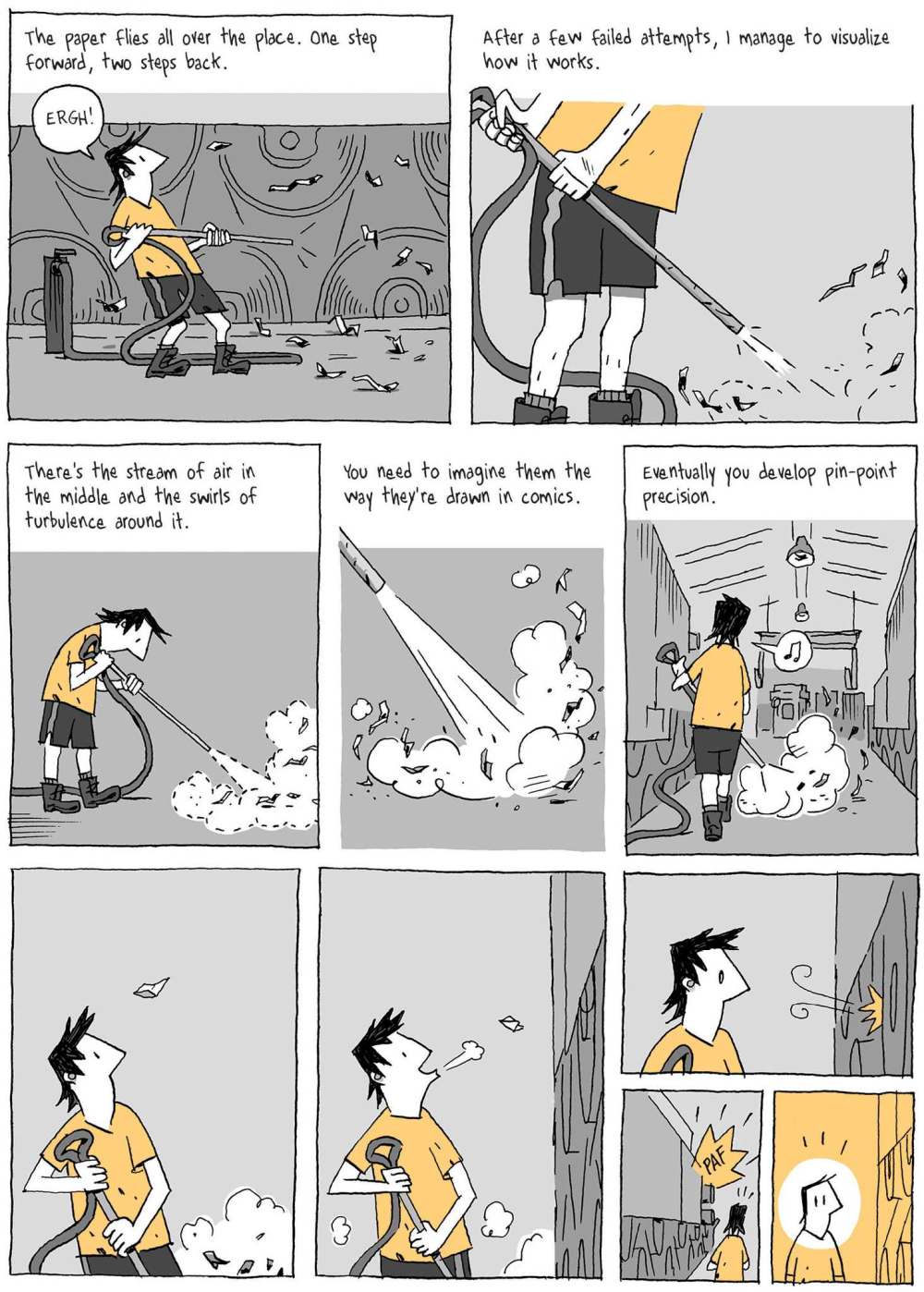
Factory Summers is the celebrated Québécois cartoonist’s 12th comic book to be translated into English, and it is one of his best. Like the Guy character in his critically-acclaimed travelogues Pyongyang: A Journey in North Korea, Shenzhen: A Travelogue from China, Burma Chronicles and Jerusalem: Chronicles from the Holy City, young adult Guy is an outsider navigating a foreign culture. But this time he finds himself dropped into the working-class masculinity and crude sexism of the factory floor, as well as the daunting work of handling massive paper rollers and the repetitive task of cleaning up industrial-sized paper jams.
Delisle’s signature greyscale line drawings, eye for architectural and mechanical details as well as his expressive caricatures bring his memories to vivid life. The striking inclusion of a single colour, a marigold yellow-orange, helps Guy to stand out in his new world, and Delisle also uses it to invoke the sulphuric fumes and cacophony of this industrial process.
Unlike the other men, who variously spend hours in the gym or have families, Guy spends his off days drawing and reading comics and listening to records in his mother’s basement. As much as this is a tough setting for an introverted teenager, the fish-out-of-water slapstick, depictions of the industrial process and satisfying growth of the character’s competence in a job he needs to pay his way to art school make this a classic coming-of-age story, but in a highly specific time and place.
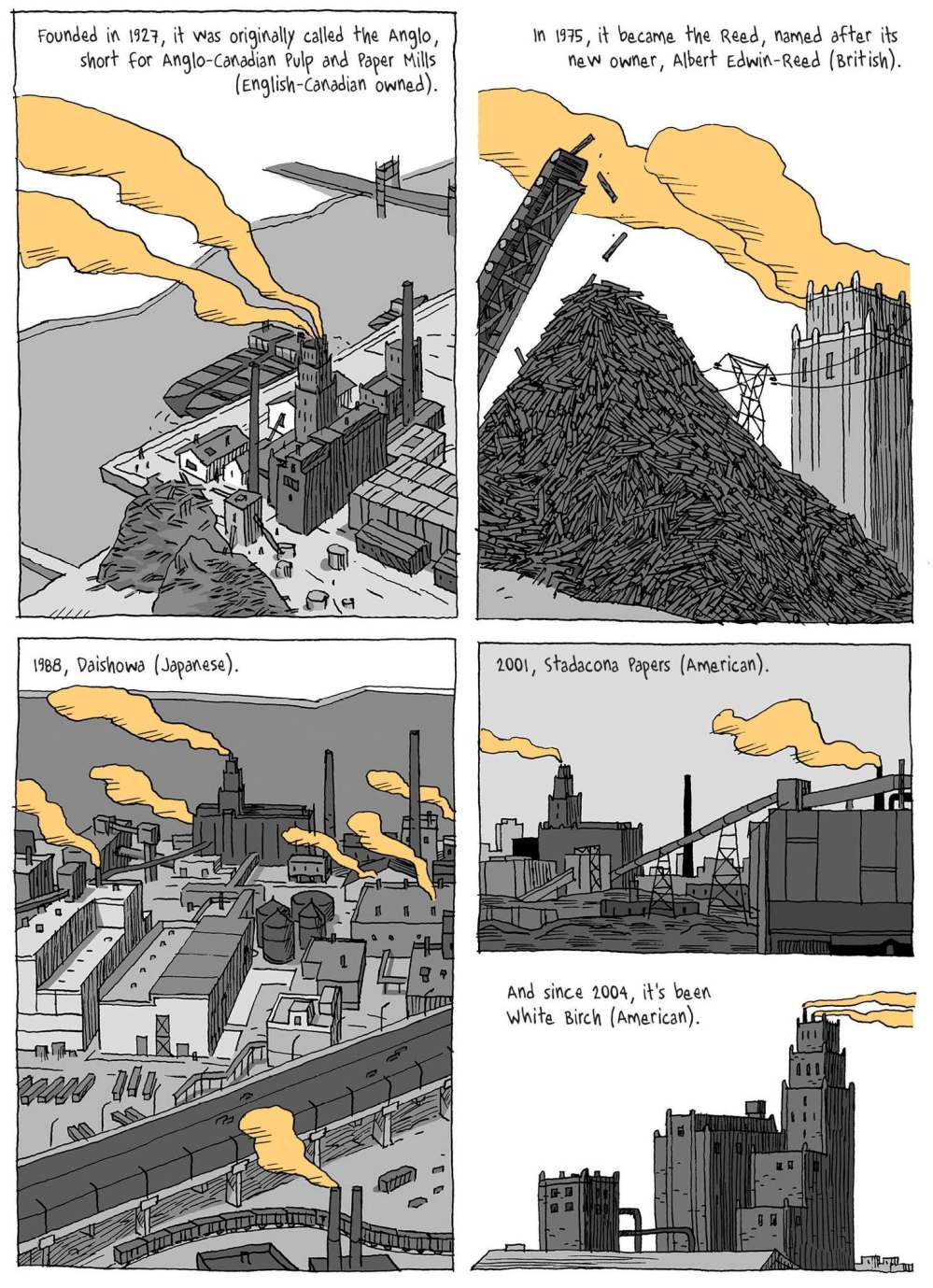
The mill was founded in 1927 by Anglo-Canadian Pulp and Paper, and Delisle explains it changed hands over the years from British to Japanese to American ownership; since 2004 it has been owned by the U.S. company White Birch. Over his summers there, the factory transitions from wood to recycled paper to make pulp. One of Guy’s co-workers points proudly to the French labels on a machine and explains they used to be in English, but since the passing of Bill 101 the workplace language shifted to French.

When he is accepted to animation school in Toronto, Guy is anxious that he doesn’t speak good enough English. This is not just a personal memoir, it is also a political and economic graphic documentary of an industry and society in transition.

One of the pleasures of Factory Summers is Delisle’s sparse narration, superbly translated by Helge Dascher, as we are privy to his younger self’s bewilderment, his dreams and distractions. Like his three hilarious comic book guides to “bad parenting,” in this graphic memoir Delisle observes others’ behaviour with a combination of curiosity and humour, shifting seamlessly from comedy to pathos.
So many graphic memoirs depict the cartoonist’s creative growth — Art Spiegelman’s Maus, Marjane Satrapi’s Persepolis and Julie Doucet’s My New York Diary are three of the best known examples — that the journey from comics fan to art school student to published cartoonist is a sub-genre of its own. Factory Summers offers a new level of meta cartooning by showing us the very processes that produce the paper on which we are reading the book (and, for some readers, this review).
Delisle neither mythologizes nor disparages the men of the pulp and paper industry, including his father. Rather, he observes and documents them as though he knows their way of life is going to change as much as his.
Candida Rifkind is professor in the Department of English at the University of Winnipeg, where she teaches Canadian literature and comics and graphic narratives.