Destination unknown
Sprawling graphic novel's dreamlike stories bring reflection, whimsy and the occasional monster
Advertisement
Read this article for free:
or
Already have an account? Log in here »
To continue reading, please subscribe:
Monthly Digital Subscription
$1 per week for 24 weeks*
- Enjoy unlimited reading on winnipegfreepress.com
- Read the E-Edition, our digital replica newspaper
- Access News Break, our award-winning app
- Play interactive puzzles
*Billed as $4.00 plus GST every four weeks. After 24 weeks, price increases to the regular rate of $19.95 plus GST every four weeks. Offer available to new and qualified returning subscribers only. Cancel any time.
Monthly Digital Subscription
$4.99/week*
- Enjoy unlimited reading on winnipegfreepress.com
- Read the E-Edition, our digital replica newspaper
- Access News Break, our award-winning app
- Play interactive puzzles
*Billed as $19.95 plus GST every four weeks. Cancel any time.
To continue reading, please subscribe:
Add Free Press access to your Brandon Sun subscription for only an additional
$1 for the first 4 weeks*
*Your next subscription payment will increase by $1.00 and you will be charged $16.99 plus GST for four weeks. After four weeks, your payment will increase to $23.99 plus GST every four weeks.
Read unlimited articles for free today:
or
Already have an account? Log in here »
Hey there, time traveller!
This article was published 23/10/2021 (1640 days ago), so information in it may no longer be current.
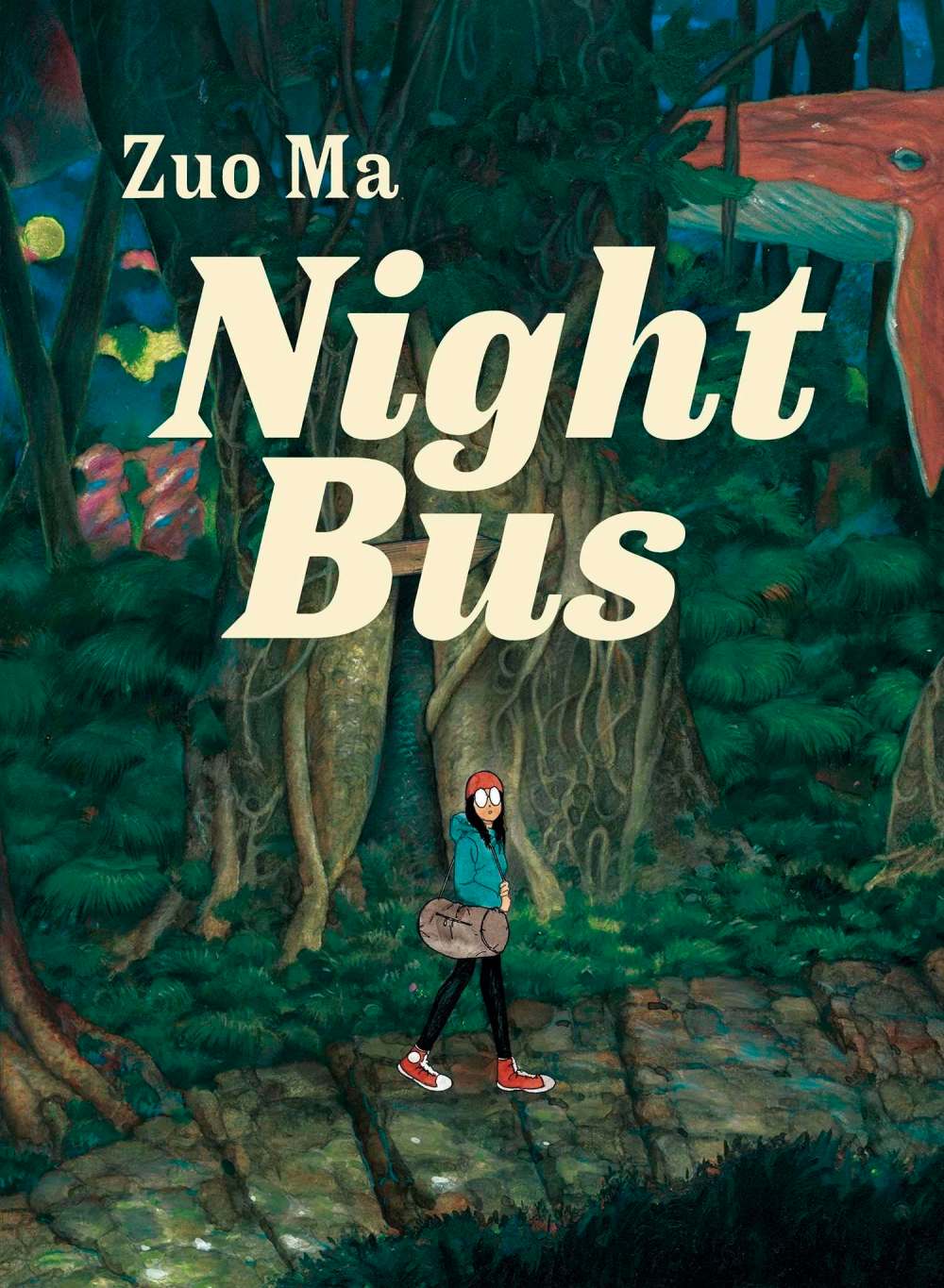
The cover of Zuo Ma’s sprawling Night Bus shows a young woman in nondescript clothing, her face half-covered by a pair of enormous glasses. Her tiny frame is surrounded by a thriving forest as she walks along a cobblestone path. What will she find? What will the reader find alongside her?
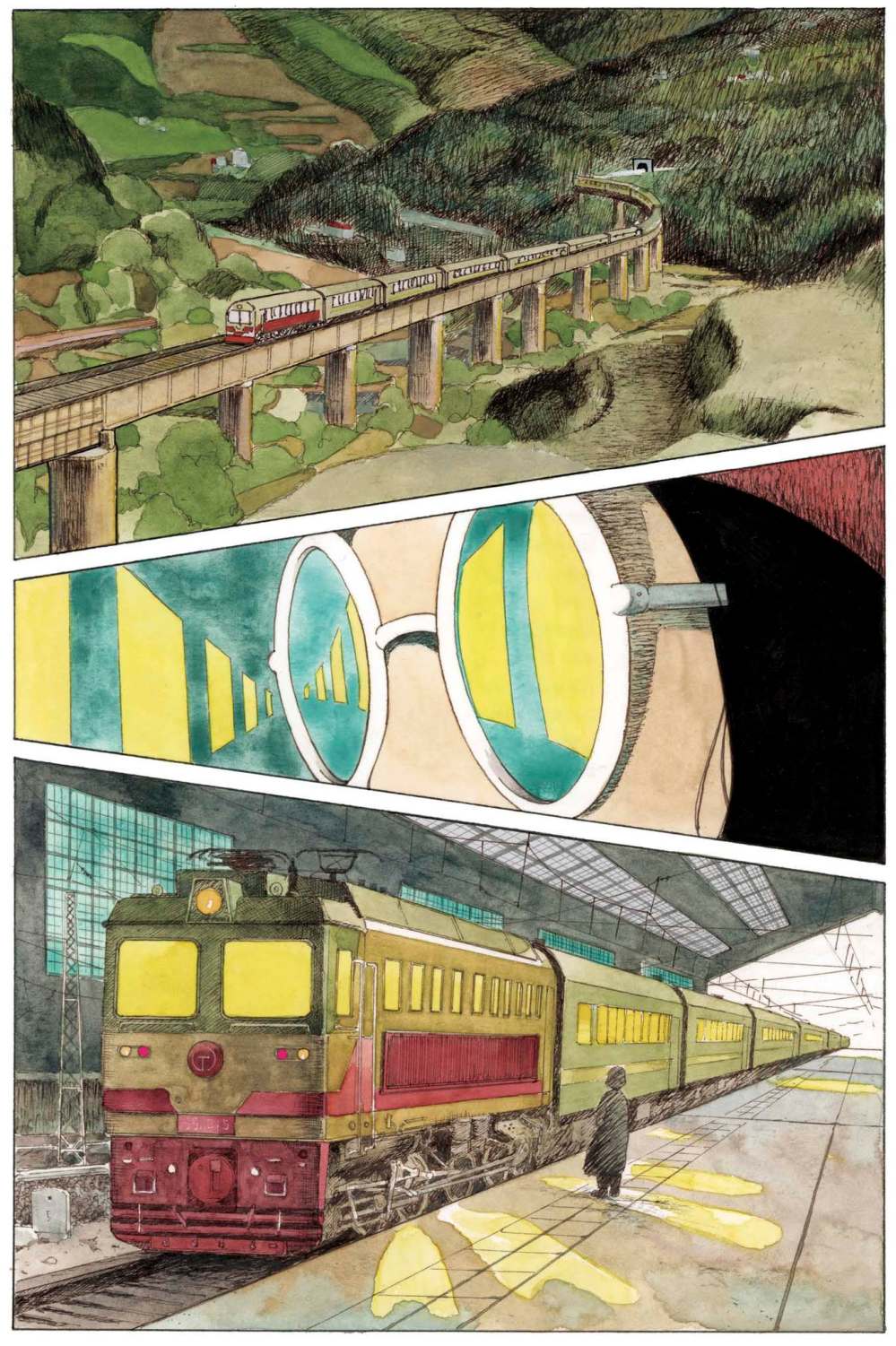
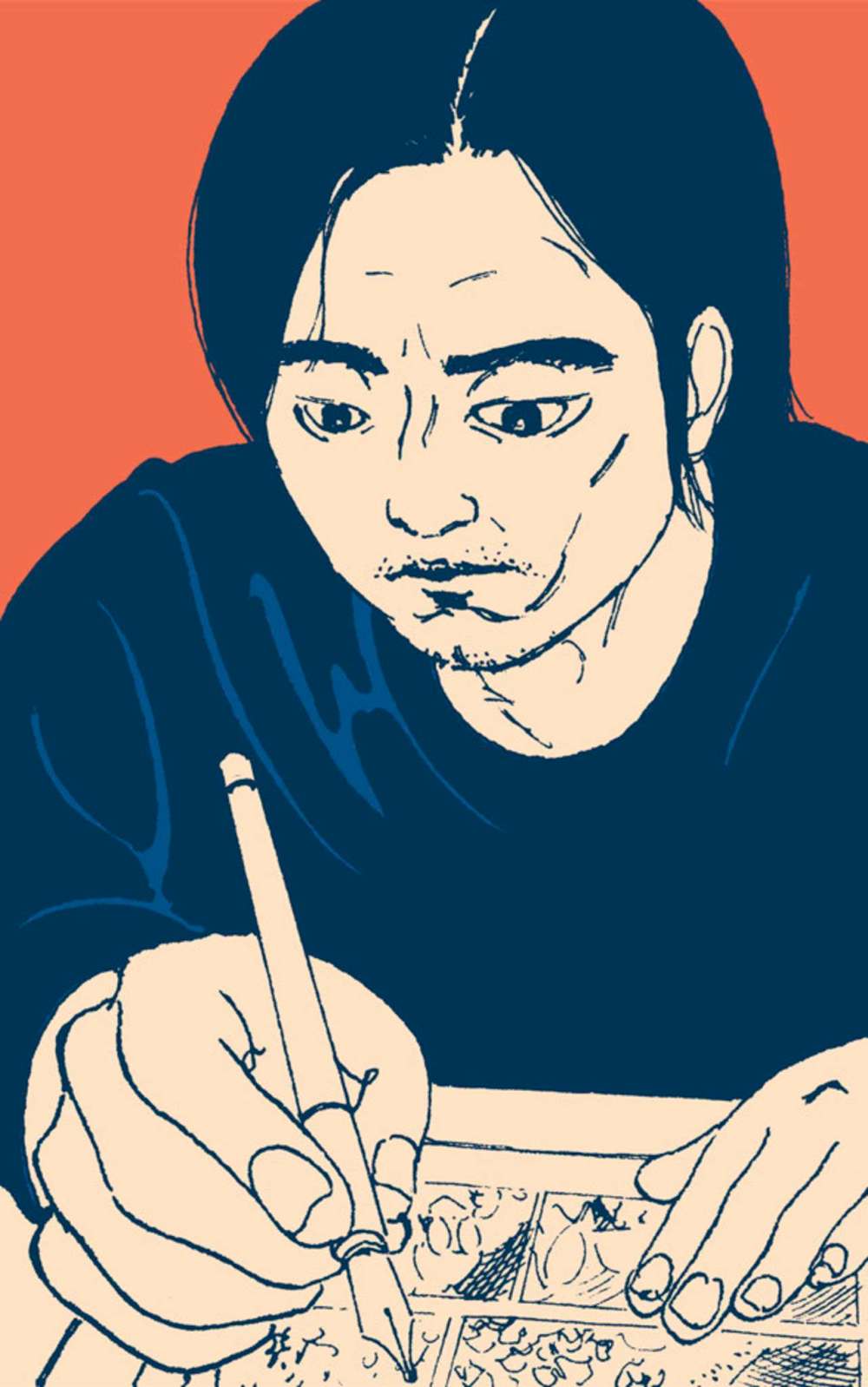
In this lush, labyrinthine graphic novel, Chinese cartoonist Ma collects 11 of his stories with an autobiographical bent into an anthology resembling a series of interconnected dreams.
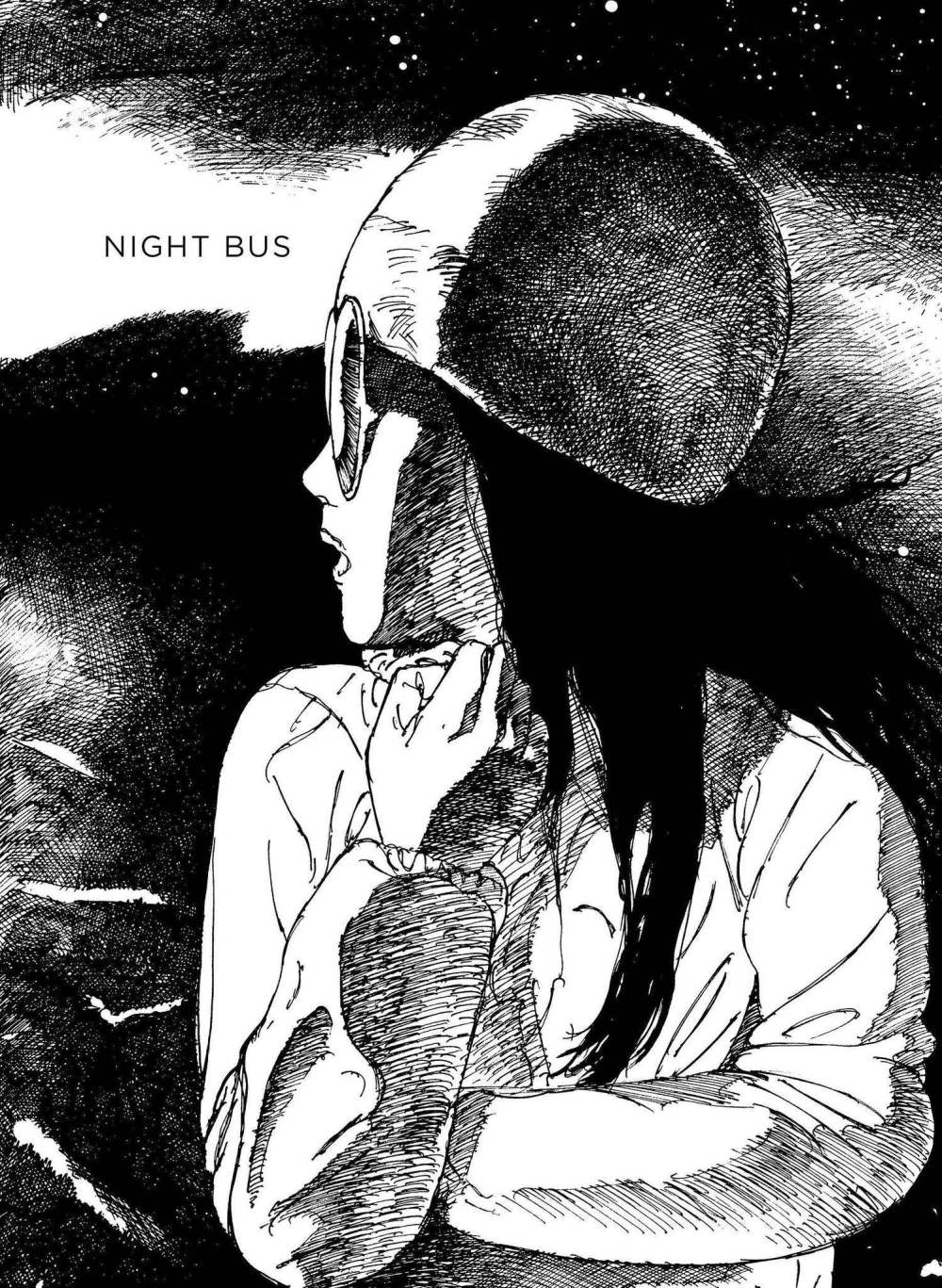
Many of the characters that frequent this expansive tome are pulled from reality — the girl with the glasses is revealed to be Ma’s grandmother, while Ma’s brother, his friend Fang and various childhood pets make appearances as well. But the author blurs the line between reality and the world of the night bus which, like this collection itself, travels on a convoluted route to an unknown destination. Night Bus’s characters rarely remain as they are introduced, instead becoming uncanny, often-anthropomorphized versions of themselves mid-story.
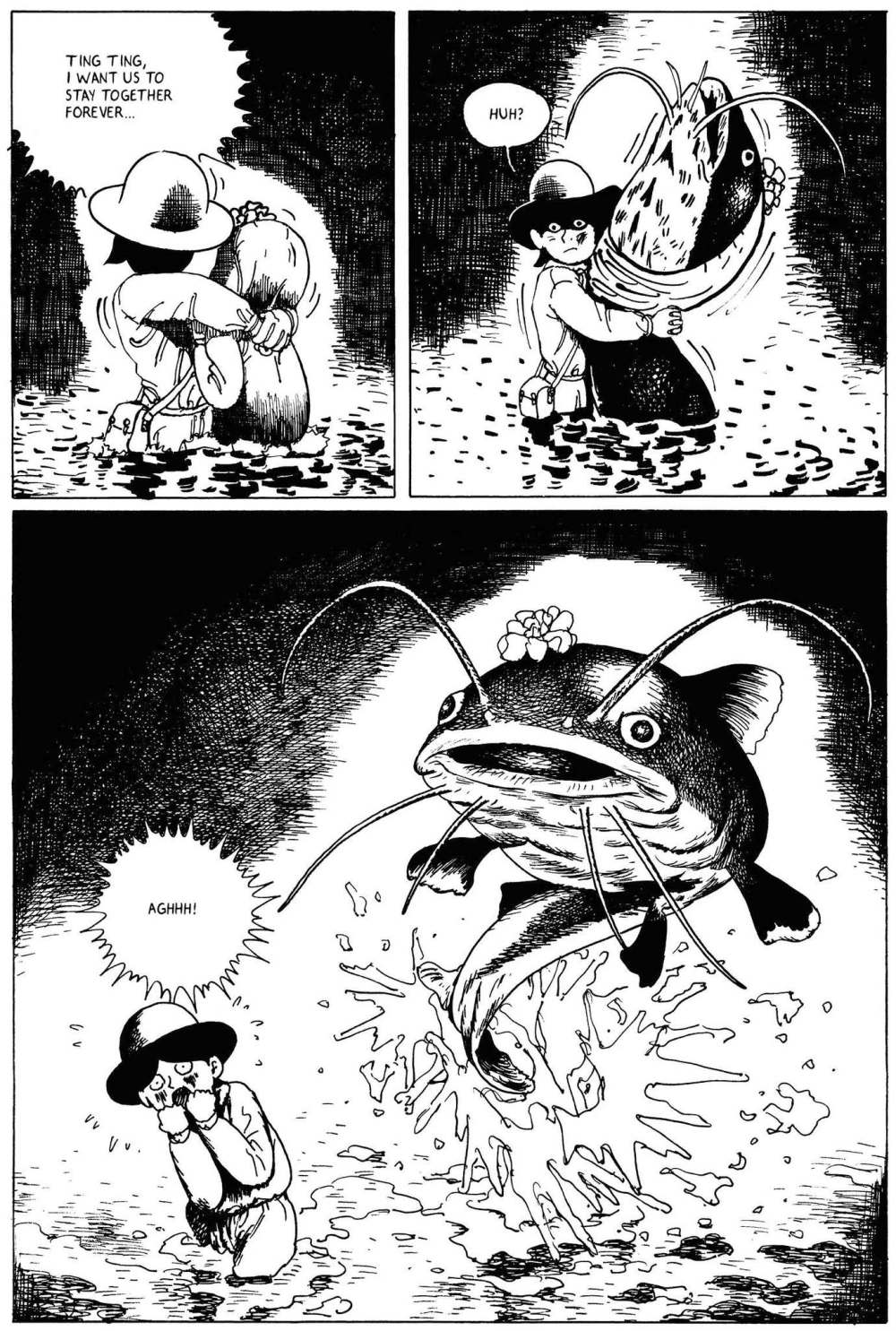
Ma’s talent for capturing fluidity of motion is made most apparent when the mundane bleeds into the whimsical, sometimes in abrupt, even disturbing ways. Fans of Junji Ito’s iconic horror manga will appreciate Night Bus’s black and white, light-infused palette, and the occasional terrifying creature emerging out of nowhere as a nightmarish, mutated version of some real thing; a whale-like blob with multiple eyes, a writhing, cavernous monster made up of beetle larvae, and Niu Niu, a silkworm-like beast that travels alongside the night bus and engulfs an entire village.
The latter shares its name with Ma’s childhood dog, in a psychedelic-tinged story about the pup’s daily life. Ma ends this story by remarking “I loved Niu Niu dearly. I hope this comic keeps her alive.”
The eponymous story Night Bus reflects a similar sentiment. “[A] rush of sadness came over me that I never traveled with my grandmother,” Ma notes, adopting the grandmother’s perspective to pay tribute, as her travels to an otherworldly realm framing the dementia that slowly permeates her life. Ma and his brother appear occasionally, travelling alongside their grandmother in her younger form. Eventually, she too is transformed, becoming a giant carp sitting in an apartment, watching TV and declaring how quickly time passes.

The tension between nature and modern life is a reoccurring theme for Ma, used to different effect throughout the book. In stories such as Iwana Bouzu, a fish-spirit from Japanese folklore appears as a young girl to warn a local about the perils of electrofishing, and The Girl and the Beetle pairs a tortured insect with an aggressively bullied schoolgirl. Though these stories are more didactic additions to the book, Ma also self-reflects more openly, rendering himself as a lost “Catboy,” who returns home to live with his parents so he can continue to be an artist.
As his once-rural hometown becomes increasingly industrialized, Ma is most at peace practising his field-drawing in one of the few remaining countrysides, likely due to its connection to his grandmother.

The idyllic rural landscape first presented in Ma’s first story Walking Alone is re-presented in the book’s closing story A Walk, as Ma’s “last memories of [his] hometown” become nostalgia-turned-nightmare, rife with haunted zombie-like creatures and ominous, disembodied wildlife. Notably, A Walk ends with the observation that “it feels like aliens have come to claim the earth” — a far cry from the still-hopeful melancholy often found in autobiographical stories.
Though Ma’s collection is at times disorienting, the directness with which he addresses grief through these hazy narratives is remarkable, and Night Bus resonates as a necessary elegy to his grandmother, his former hometown and his younger self.
Winnipeg’s Nyala Ali writes about race and gender in contemporary narratives.